

I’ve spent a lot of time on the road, and the moment you see those flashing lights in your rearview is already too late. That’s why finding the right radar detector — one that gives you genuine advance warning without screaming false alarms every half mile — genuinely matters. After researching the best radar detectors available today and comparing them against community feedback from r/radardetectors and real-world testing data, I’ve put together this guide to help you cut through the marketing noise.
The market ranges from sub-$100 budget models all the way past $500 for premium dual-antenna units with GPS and directional arrows. What you need depends heavily on where you drive — city streets punish detectors with weak false alert filtering, while open highways demand maximum range above all else.
I’ll walk you through 10 solid options across every price tier, explain exactly what separates a great detector from a frustrating one, and give you a straight buying guide so you know what you’re actually paying for. Whether you’re a first-time buyer or upgrading from an older unit, this guide covers everything you need.
Top 3 Radar Detectors We Recommend
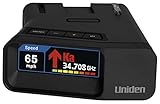
Uniden R7 Extreme Long-Rang...
- Dual antennas with directional arrows
- Industry-leading detection range
- GPS lockouts and mute memory
- 360-degree real-time threat awareness
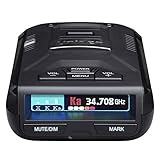
Uniden R3 Extreme Long...
- Record-shattering sensitivity and range
- Built-in GPS with mute memory
- Red light and speed camera alerts
- Multi-color OLED display

Cobra RAD 480i Laser Radar...
- Front and rear LaserEye detection
- Bluetooth and iRadar app compatible
- Apple CarPlay and Android Auto
- Long range detection under $150
Best Radar Detectors in 2026
| Product | Specs | Action |
|---|---|---|
|
Uniden R7 Extreme Long-Range Detector
|
|
Check Latest Price |
 Uniden R4W Extreme Long-Range Detector
|
|
Check Latest Price |
 Escort MAX 360 MKII Radar Detector
|
|
Check Latest Price |
|
Uniden R3 Extreme Long Range Detector
|
|
Check Latest Price |
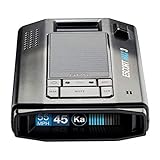 Escort MAX 3 Laser Radar Detector
|
|
Check Latest Price |
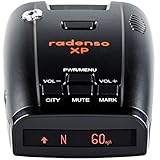 Radenso XP Radar and Laser Detector
|
|
Check Latest Price |
 Uniden DFR7 Super Long Range Detector
|
|
Check Latest Price |
|
Cobra RAD 480i Laser Radar Detector
|
|
Check Latest Price |
 Cobra RAD 450 Laser Radar Detector
|
|
Check Latest Price |
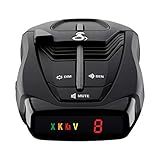 Cobra RAD 380 Laser Radar Detector
|
|
Check Latest Price |
1. Uniden R7 – Dual Antennas with Directional Arrows
Uniden R7 Extreme Long-Range Laser-Radar Detector, Built-in GPS w/ Real-Time Alerts, Dual-Antennas Front & Rear w/Directional Arrows, Voice Alerts, Red Light Camera and Speed Camera Alerts
Dual antenna front and rear
Directional arrows 360 awareness
Built-in GPS with mute memory
OLED shows 4 signals at once
Pros
- Industry-leading detection range
- Directional arrows show threat direction
- GPS mute memory learns your routes
- Preloaded red light and speed camera database
- Multi-color OLED display
Cons
- Requires initial tuning to reduce false alerts
- Can pick up signals from vehicle safety systems
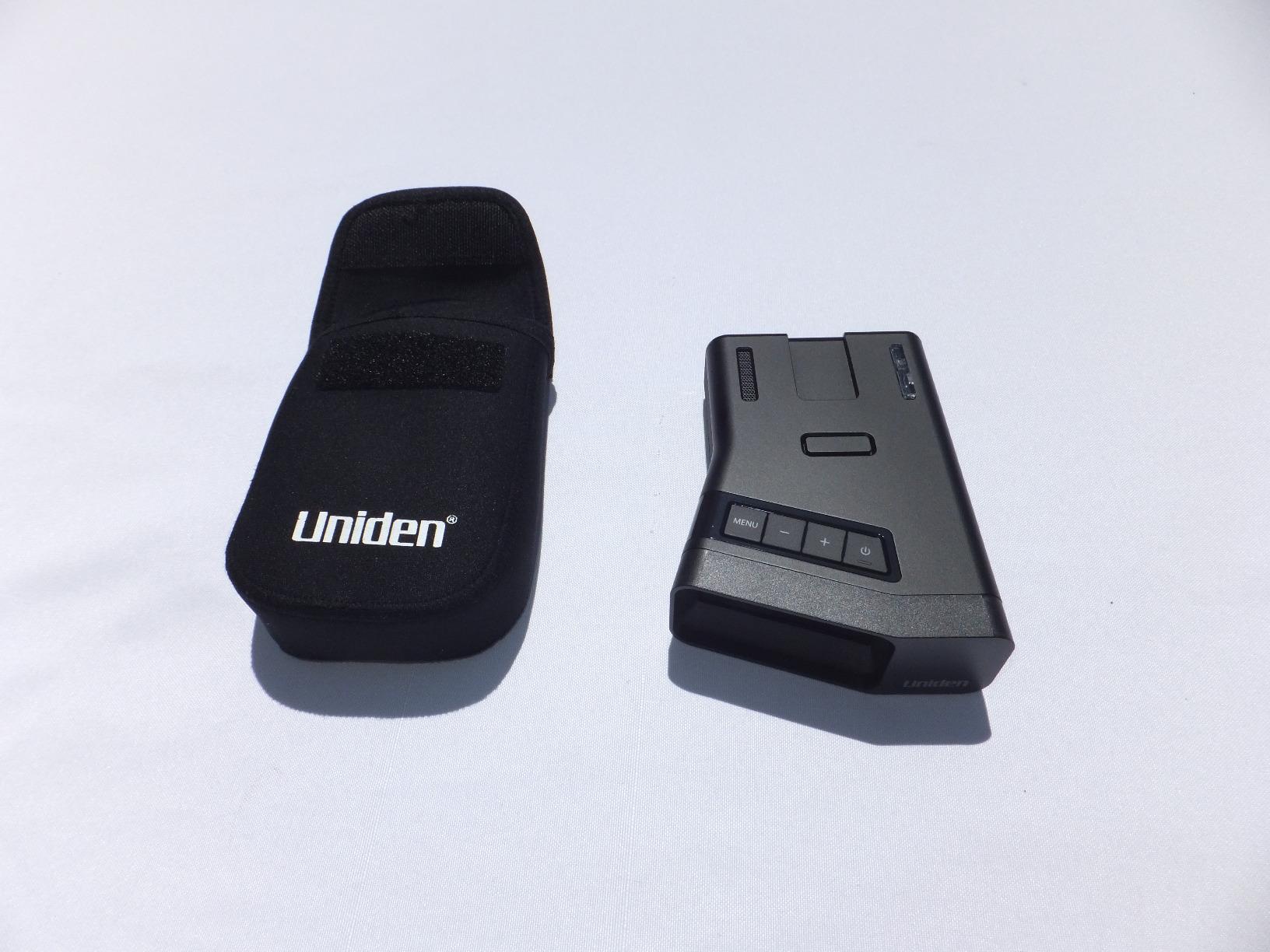
If I had to pick one detector and live with it for years, the Uniden R7 is where I’d land. The dual-antenna setup — front and rear — combined with directional arrows gives you something most detectors can’t offer: you actually know which direction the threat is coming from. That changes how you respond to an alert entirely.
The range on this thing is genuinely impressive. I’ve had alerts while still well over a mile from an enforcement zone, which gives ample time to check the speedometer and settle into traffic speed naturally. The multi-color OLED display can show up to four signals simultaneously, which is useful when you’re in a dense traffic environment with multiple signal sources competing for attention.

The GPS lockout system works exactly as advertised. After driving the same routes for a week or two, the R7 learns which signals are genuine threats and which are recurring false alerts from nearby businesses or automated doors. Once it learns a false alert location, it mutes automatically — no button pressing needed.
The one honest caveat is setup time. Out of the box, the default K-band settings can be overly sensitive in urban environments, particularly around newer vehicles with collision avoidance systems. Spending 20-30 minutes adjusting the K-band segmentation settings makes a huge difference. The r/radardetectors community has solid setup guides for the R7 that walk you through it step by step.
Who Should Buy the Uniden R7
The R7 is the right pick for highway drivers who want maximum awareness without the hassle of checking which direction a signal is coming from. The directional arrows are genuinely useful when you’re on a multi-lane highway and need to know if the threat is ahead, behind, or beside you.
It’s also ideal for drivers who mix highway and city driving and want a single detector that handles both scenarios well. The GPS lockout system makes city driving tolerable by eliminating repeat false alerts over time.
What the R7 Falls Short On
If you’re in a state like Virginia where radar detector detectors (RDDs) are used by police, the R7 is not your first choice — it is detectable by Spectre Elite and similar devices. Escort’s Redline lineup or the Valentine V1 Gen2 are better options in that situation.
The upfront price is also notable. This is a significant investment, and buyers who only drive occasionally or primarily in low-enforcement areas may find the Uniden R3 or even the Radenso XP delivers 90% of the protection at a lower cost.
2. Uniden R4W – Newer Model with Wi-Fi and Blackfin DSP
Uniden R4W (New Model) Extreme Long-Range Laser/Radar Detector, Record Shattering Performance, 360° Awareness, Built-in GPS, Wi-Fi, Bluetooth, Voice Alerts, Red Light & Speed Cameras, R/TACH App
Blackfin DSP processor
Wi-Fi and Bluetooth built-in
GPS auto mute memory
R/TACH app compatible
Pros
- Record-shattering extreme long-range performance
- Advanced K/Ka band filtering
- Wi-Fi for easy firmware updates
- R/TACH app for remote control
- Durable build that survives drops
Cons
- Newer model with limited long-term user data
- Initial setup can be overwhelming
- Website registration still catching up to new model
The Uniden R4W launched in 2025 and it represents a meaningful step forward from Uniden’s already strong lineup. The Blackfin DSP chip processes signals faster than older hardware, which translates to earlier alerts — sometimes the difference between a relaxed speed check and a scramble to brake.
What separates the R4W from its predecessors is the built-in Wi-Fi. Software and database updates on older Uniden models required plugging into a computer, which many users simply never bothered doing. With Wi-Fi, the R4W can update itself automatically, which means your red light camera database and firmware stay current with no effort on your part.

Early users report the R4W’s range actually edges out the R7 in some real-world comparisons, though with only 87 reviews at the time of writing, the full picture is still developing. The R/TACH app integration adds remote muting and configuration from your phone, which is a genuinely convenient feature when you want to adjust sensitivity without touching the unit.
The trade-off with a newer model is the limited community knowledge base. The R7 and R3 have years of forum posts, setup guides, and community-tested configurations. The R4W is still accumulating that knowledge, so first-time buyers may find the learning curve steeper without as many troubleshooting resources available yet.
Who the R4W Is Built For
The R4W targets enthusiasts who want the latest hardware and are willing to spend time optimizing their settings. If you enjoy the process of dialing in a detector and following community developments, this is the most current Uniden hardware available.
The Wi-Fi updating feature also makes it appealing to users who want long-term convenience — no cables, no manual updates, the unit just stays current on its own.
Considerations Before Buying
With fewer than 100 reviews at this point, it’s harder to assess long-term reliability compared to models with thousands of reviews. The R7 and R3 have extensive track records; the R4W is still building its reputation.
Setup is also more involved than plug-and-play options. Buyers who want a detector that works well right out of the box with zero configuration may be better served by the Radenso XP or even the Uniden R3 at its current firmware level.
3. Escort MAX 360 MKII – 50% Better Range Than the Original
Escort MAX 360 MKII Radar and Laser Detector Bluetooth Enabled, 360° Directional Arrows, Exceptional Range, Shared Alerts, Apple CarPlay and Android Auto Compatible, Black
50% improved range vs original MAX 360
Dual antennas 360-degree coverage
AutoLearn GPS-based route learning
Apple CarPlay and Android Auto
Pros
- True 360-degree directional arrows
- AutoLearn adapts to your daily routes
- Drive Smarter community shared alerts
- Apple CarPlay and Android Auto compatible
- Advanced BSM false alert filtering
Cons
- Cannot lock out Ka band false alerts
- Drive Smarter app has had reliability reports
- Higher price point than Uniden equivalents
Escort’s MAX 360 MKII is the company’s flagship plug-and-play unit, and the headline improvement over the original — 50% better detection range — is real. The dual-antenna design handles front and rear detection simultaneously, and the directional arrow display tells you where threats are approaching from in real time.
The AutoLearn technology is one of Escort’s standout features. The system builds a GPS-tagged map of every alert location it encounters. False alerts from the same location — an automatic grocery store door, a Speed Limit Sign emitter — get learned and suppressed automatically over time. On routes you drive regularly, this makes a genuine difference in day-to-day usability.

The Drive Smarter community integration is theoretically compelling: other Escort users’ alerts feed into your device in real time, giving you advance warning of speed traps logged by nearby drivers. In practice, the reliability of this feature depends on app stability and user density in your area, and some users have flagged intermittent app issues.
Compared directly to the Uniden R7, the MAX 360 MKII trades some raw detection range for a smoother out-of-the-box experience. Most users won’t spend hours tuning it — it works well without deep configuration. That’s a genuine advantage for drivers who don’t want to spend an afternoon with a settings manual.

The Case for Choosing Escort Over Uniden
The Escort ecosystem is more polished than Uniden’s for non-technical users. If you want Apple CarPlay integration, a well-designed companion app, and a detector that works well right out of the box, Escort delivers a more finished product experience.
The AutoLearn system also tends to be more aggressive at suppressing false alerts in the early stages compared to Uniden’s GPS lockout, which requires more manual input before it learns your routes.
Where the MAX 360 MKII Has Limitations
The inability to lock out Ka band false alerts is a notable gap. In areas where Ka band false alerts occur — certain toll systems, for example — there’s no way to permanently silence them the way you can with K-band signals.
Raw range performance also lags behind the Uniden R7 and R3 in controlled comparisons. If maximum detection distance is your priority above convenience features, Uniden’s lineup wins on pure numbers.
4. Uniden R3 – Record-Breaking Performance at a Fair Price
Uniden R3 EXTREME LONG RANGE Laser/Radar Detector, Record Shattering Performance, Built-in GPS w/ Mute Memory, Voice Alerts, Red Light & Speed Camera Alerts, Multi-Color OLED Display , Black
Industry-leading range and sensitivity
Built-in GPS with mute memory
Red light and speed camera alerts
Multi-color OLED display
Pros
- Unsurpassed range and sensitivity for price
- GPS technology mutes false alerts on known routes
- Free red light and speed camera database updates
- Multi-color OLED display easy to read
- Voice alerts for hands-free operation
Cons
- Suction cups included are low quality
- Can be sensitive to newer Honda/Acura parking systems
- No directional arrows unlike the R7
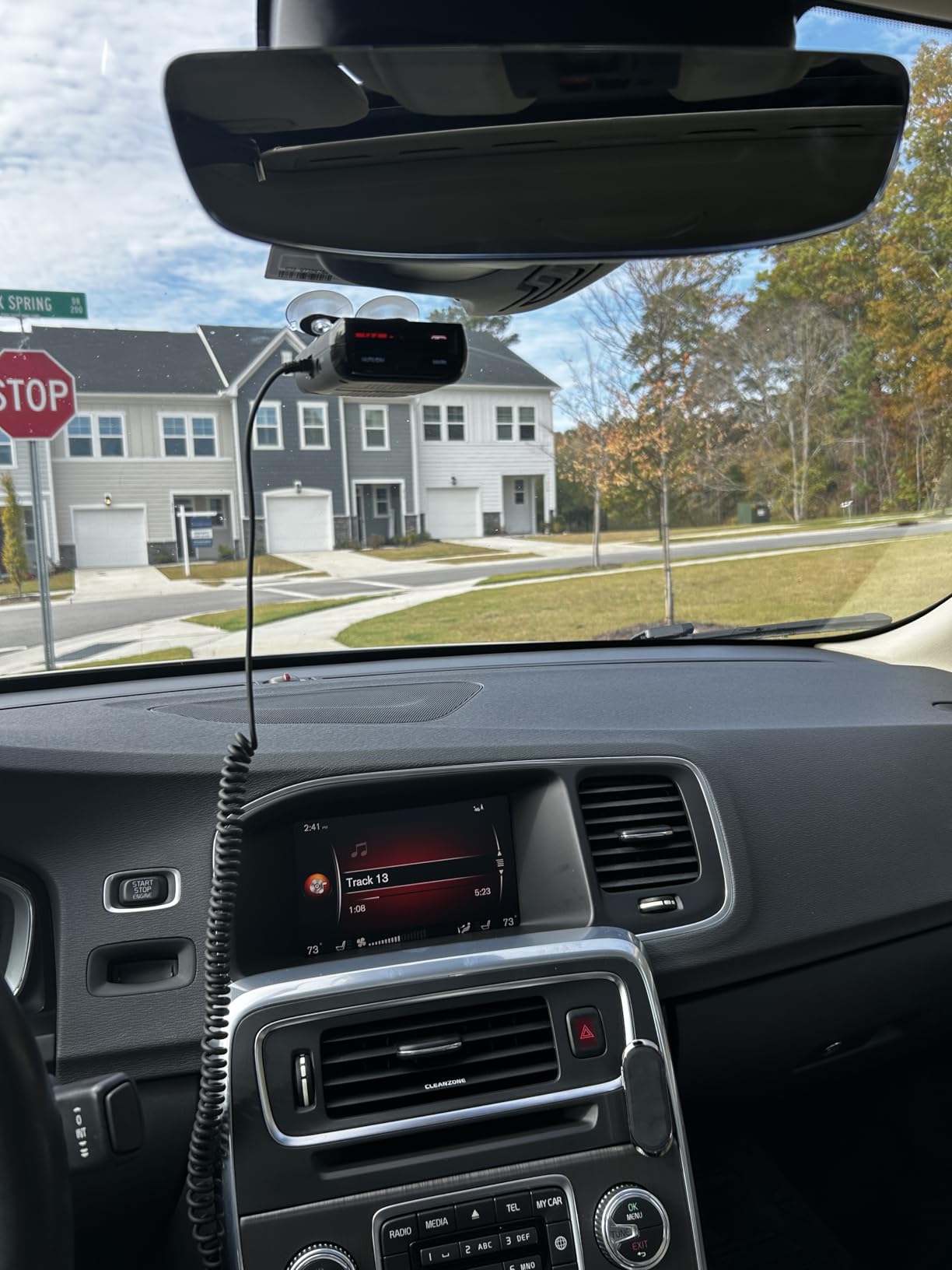
The Uniden R3 has been around long enough to have earned a proper reputation. With over 7,800 reviews and a 4.5-star average, this is one of the most trusted radar detectors in its price range — and for good reason. The detection range genuinely rivals units costing twice as much.
When I first set up the R3, I was struck by how early it picked up Ka-band signals on open highway runs. The community consensus on r/radardetectors puts the R3 among the top performers for raw sensitivity, and that reputation holds up in practice. For most highway drivers, the R3 provides more than enough advance warning time to react safely.

The GPS mute memory is the feature that makes city driving with the R3 livable. Initially, you’ll hear alerts at every strip mall and automatic door. But the unit logs those locations and, after a few passes, automatically silences them. Within a week of regular driving, my usual commute route had been cleaned up significantly — just the genuine alerts remained.
The main thing you give up versus the R7 is directional arrows. The R3 tells you there’s a signal and what band it is, but not which direction it’s coming from. On a quiet two-lane road that’s rarely an issue. On a multi-lane highway where you want to know if the threat is in front or behind you, the lack of arrows is a real limitation.
Why the R3 Remains Our Best Value Pick
The Uniden R3 consistently appears in “best bang for buck” discussions across enthusiast forums, and the reason is straightforward: it delivers near-top-tier detection performance at a significantly lower price than the R7 or any Escort 360-degree model.
With nearly 8,000 reviews backing it up and regular free firmware updates from Uniden, this is a mature, well-supported product with an extensive community knowledge base behind it.
Where the R3 May Not Be Enough
If you drive on complex multi-lane interstates and want directional information, the R7’s arrows are worth the extra outlay. The R3 will alert you to threats, but it won’t tell you if that Ka ping is from a cop ahead of you or one pulling away in the opposite lane behind you.
For drivers in RDD-enforcement states like Virginia or the District of Columbia, the R3 is also detectable by law enforcement devices, making it unsuitable for those areas.
5. Escort MAX 3 – Bluetooth and AutoLearn at a Mid-Range Price
Escort MAX 3 Laser Radar Detector - Bluetooth Connectivity, Premium Range, Advanced Filtering, AutoLearn Technology, Voice Alerts, OLED Display, Apple CarPlay and Android Auto Compatible
AutoLearn GPS intelligence
Bluetooth and phone app
Variable speed sensitivity
Apple CarPlay and Android Auto
Pros
- AutoLearn gets smarter with every drive
- Variable speed sensitivity reduces city alerts
- Defender Database for speed and red light cameras
- Bluetooth app integration works well
- Easy to remove for storage or vehicle switching
Cons
- Slower detection response than Uniden R3
- Some users report up to 6 seconds to alert
- No directional arrows
- Higher price than competing Uniden models
The Escort MAX 3 sits at an interesting middle point in the lineup. It carries Escort’s full AutoLearn GPS technology and Bluetooth connectivity at a price point that undercuts the MAX 360 MKII by a meaningful margin — and the trade-off is the loss of directional arrows and the second antenna.
The AutoLearn system is genuinely well-implemented here. The unit builds a location-tagged profile of every alert it logs. False alerts from stationary sources get tagged to GPS coordinates and suppressed on subsequent passes. Over a month of regular driving, the MAX 3 becomes a noticeably quieter unit than it starts out being.

The Variable Speed Sensitivity feature is useful for city drivers specifically. Below a set speed threshold, the detector automatically switches to a less sensitive mode, which dramatically cuts the noise from city driving without requiring any manual interaction. When you accelerate onto a highway ramp, sensitivity increases automatically to full detection range.
The honest criticism of the MAX 3 is detection speed. Some users with direct comparison experience report the MAX 3 can take several seconds longer than a Uniden R3 to register the same signal. For instant-on radar — where a cop triggers the gun for only a second or two — that delay can matter. The Uniden R3 at a comparable price is faster to alert in most head-to-head tests.

Best Use Case for the Escort MAX 3
The MAX 3 makes the most sense for buyers who value the Escort ecosystem — specifically, the iPhone and Android app integration, Apple CarPlay compatibility, and the Drive Smarter community alerts. These features work meaningfully better in the Escort ecosystem than in competing products.
For city-focused drivers who deal with constant K-band false alerts from modern vehicles and want a unit that learns and quiets down over time, the AutoLearn feature delivers genuine value.
When to Look Elsewhere
If raw detection speed and range are your primary concerns, the Uniden R3 wins at the same price tier. The R3’s detection response is consistently faster in comparison tests, which matters most against instant-on radar traps.
Buyers who want directional arrows should also step up to the MAX 360 MKII or the Uniden R7 rather than accepting the single-antenna limitation of the MAX 3.
6. Radenso XP – Quietest Ride with Best-in-Class BSM Filtering
Radenso XP Radar & Laser Detector with GPS Lockouts
GPS lockout technology
Best-in-class BSM filtering
Low speed auto-muting
Automatic sensitivity by speed
Pros
- Exceptional false alert filtering for city driving
- GPS lockout learns your commute automatically
- Low speed auto-muting below your chosen threshold
- Quiet operation even in dense urban traffic
- Ready to use out of the box
Cons
- Power plug positioning on driver's side
- No physical instruction manual included
- May miss laser when officer is pointing away
If false alerts are your biggest frustration with radar detectors, the Radenso XP is the unit you need to look at. The blind spot monitor (BSM) filtering on this detector is consistently rated best-in-class, and that distinction matters more than it sounds given how many modern vehicles broadcast constant BSM signals on K-band.
I’ve driven with detectors that screamed in city traffic every 30 seconds from surrounding vehicles’ lane assist and blind spot systems. The Radenso XP handles that problem better than anything else in this price bracket. City driving becomes genuinely usable rather than something you mute in frustration.

The GPS lockout system also works well. False alerts from permanent sources — automatic doors, certain speed limit signs, stationary camera systems — get logged to GPS coordinates and suppressed on return passes. Combined with the low-speed muting feature that automatically quiets the unit below your chosen speed, the Radenso XP delivers what the company calls a “quiet ride” philosophy that actually delivers in daily driving.
The out-of-the-box experience is notably smooth. Unlike Uniden’s enthusiast-focused models that benefit from significant settings work before performing optimally, the Radenso XP works well in default configuration. For buyers who don’t want to read forums and tune settings, this is a meaningful practical advantage.

Who Benefits Most from the Radenso XP
City drivers, commuters, and anyone who has given up on radar detectors due to constant false alert noise will find the Radenso XP transforms the experience. It’s designed around the idea that a quiet unit you trust is more valuable than a loud unit you ignore.
First-time buyers who want effective protection without hours of configuration will also appreciate the plug-and-play nature of the XP — it genuinely works well without touching the settings.
Trade-offs to Know Before Buying
The Radenso XP’s focus on filtering means detection range is slightly sacrificed compared to the Uniden R3 at a similar price. On open highways where range is the priority, the R3 will detect threats from further away.
There’s also no directional arrow system and no Bluetooth connectivity for app integration, which may matter to buyers who want smartphone features alongside their detector.
7. Uniden DFR7 – Proven GPS Performance at a Sensible Price
Uniden DFR7 Super Long Range Wide Band Laser/Radar Detector, Built-in GPS w/Mute Memory, Voice Alerts, Red Light & Speed Camera Alerts, OLED Display, Black
Super long range sensitivity
GPS mute memory for false alerts
Red light and speed camera alerts
OLED display with frequency readout
Pros
- Super long range sensitivity across X
- K
- and Ka bands
- GPS mute memory learns regular routes
- Free red light and speed camera database updates
- Voice alerts for hands-free awareness
- Excellent price-to-performance ratio
Cons
- K-band false alerts from automatic doors until routes are learned
- No auto-lockout for Ka band
- Mount quality could be better
The Uniden DFR7 is one of those detectors that has earned its reputation through years of consistent real-world performance rather than flashy features. It predates the R3, but it remains a solid choice for buyers who want GPS-equipped protection without paying R3-level prices.
The long-range sensitivity is genuinely comparable to premium models in many real-world conditions. Ka-band performance — which is what most modern speed enforcement uses — is consistently strong. Users regularly report the DFR7 picking up enforcement well ahead of where cheaper detectors would alert, providing the kind of early warning that makes radar detectors genuinely useful rather than just reactive.

The GPS mute memory system works on the same principle as Uniden’s higher-end units. False alerts from known locations get logged and muted on subsequent passes. The quiet ride function automatically reduces sensitivity at low speeds, which meaningfully reduces the noise of urban driving. After a week or two on regular routes, the DFR7 settles into a noticeably quieter operating mode.
One genuine limitation is the K-band filtering. Unlike the Radenso XP, which has best-in-class BSM filtering, the DFR7 will alert on blind spot monitor signals from surrounding vehicles. The GPS mute feature helps with stationary sources, but moving vehicle BSM signals require manual dismissal. Setting K-band to “narrow” mode helps considerably in city environments.

The Right Buyer for the Uniden DFR7
The DFR7 is the right pick for highway-focused drivers who want GPS features and strong range without paying for the latest hardware. It handles Ka-band — the most commonly used police radar today — excellently and delivers meaningful advance warning on the open road.
Drivers who primarily do highway miles and occasional suburban driving will find the DFR7 hits a sweet spot of performance and value that the newer R3 doesn’t completely eliminate.
Situations Where the DFR7 Falls Short
For city-heavy driving with lots of modern vehicles around you, the Radenso XP’s superior BSM filtering makes it the better choice. The DFR7 hasn’t been updated with the same level of blind spot filtering that newer models bring.
Buyers who want Bluetooth, app integration, or directional arrows will need to look at pricier options — the DFR7 is feature-focused on the fundamentals: range, GPS, and false alert learning.
8. Cobra RAD 480i – The Best-Selling Budget Detector with Bluetooth
Cobra RAD 480i Laser Radar Detector – Long Range Detection, Bluetooth, Apple CarPlay and Android Auto Compatible, LaserEye Front and Rear Detection, Digital Signal Processing, Black
Front and rear LaserEye detection
Bluetooth and iRadar app
Apple CarPlay and Android Auto
DSP for fast signal processing
Pros
- Best value for Bluetooth and app connectivity
- Front and rear laser detection
- Long range detection for the price
- DSP processing for faster alerts
- Apple CarPlay and Android Auto support
Cons
- Higher false alert rate than premium models
- Suction cup mount is weak
- App has mixed reliability reviews
- K-band sensitivity in urban areas
The Cobra RAD 480i holds the number one spot in radar detector bestsellers, and that tells you something real about what buyers want at this price point: decent performance, Bluetooth connectivity, and a name they recognize. For under $150, you get front and rear LaserEye detection, app compatibility, and solid Ka-band performance.
The Bluetooth integration connects to Cobra’s iRadar app, which adds community-sourced alerts — red light cameras, speed traps logged by other users — to augment the detector’s own signals. In practice, the app adds useful context, though some users have reported notification reliability issues. The Apple CarPlay and Android Auto compatibility is a genuine differentiator at this price tier.

Ka-band performance is where the RAD 480i earns its keep. The detector consistently picks up the Ka-band signals that modern enforcement primarily uses, and with 10,500+ reviews backing it up, there’s a large body of real-world evidence that it delivers meaningful protection. The Digital Signal Processing chip provides faster alert times compared to older analog-based budget detectors.
K-band false alerts are the main source of frustration with the RAD 480i. Modern vehicles broadcast K-band signals through their collision avoidance and blind spot systems, and the RAD 480i doesn’t filter these as effectively as premium models. In urban environments with lots of newer cars around you, false alerts are frequent. Adjusting sensitivity modes helps somewhat, but it’s a known trade-off at this price point.

Where the Cobra RAD 480i Excels
For highway driving where K-band false alerts are less prevalent and Ka-band enforcement is what matters, the RAD 480i performs well above its price point. The LaserEye front and rear detection also provides coverage that many budget detectors only offer from the front.
As an entry point into radar detection for first-time buyers, the RAD 480i gives you real-world protection and a connected experience for a fraction of what premium models cost.
Honest Limitations at This Price
Don’t expect the same false alert suppression you’d get from GPS-equipped models. Without GPS lockout, every K-band false alert requires manual action, and city driving can become tiresome.
The included mount is one of the weakest parts of the package — an aftermarket suction cup mount is a worthwhile upgrade if you plan to use this detector daily.
9. Cobra RAD 450 – OLED Display and Voice Alerts on a Budget
Cobra RAD 450 Laser Radar Detector: Long Range, False Alert Filter, Voice Alert & OLED Display, Black, RAD450
IVT filter for BSM false alerts
Long range at least 2 miles open road
OLED display with band ID icons
Voice alert hands-free operation
Pros
- Excellent long range detection at low price
- IVT filter reduces collision avoidance false alerts
- OLED display with band identification icons
- Voice alerts for hands-free driving
- Instant-On ready for faster detection
Cons
- Cannot detect radar guns that are turned off
- False alerts from automated doors and speed cameras
- Not effective for laser when police are moving
The Cobra RAD 450 is the older sibling to the RAD 480i, and it remains a strong choice for buyers who want a quality OLED display and voice alerts at an entry price. With nearly 4,000 reviews averaging 4.4 stars, this is a detector with a proven track record and a loyal following.
The IVT (Interference rejection and Vehicle filtering Technology) system is what sets the RAD 450 apart from truly cheap detectors. It specifically filters K-band signals from modern vehicle collision avoidance systems, which is the primary source of false alerts for most drivers. While not as sophisticated as GPS-based lockout systems, the IVT filter makes a noticeable difference in day-to-day false alert frequency.

The OLED display is a genuine quality feature at this price. It shows band identification icons clearly, making it easy to understand what type of signal is triggering the alert even at a glance. The voice alerts allow you to keep eyes on the road rather than checking the display — a practical safety feature that some budget detectors skip entirely.
Long-range performance at least 2 miles on flat open terrain is how Cobra specs the RAD 450, and users back that up. Ka-band detection in particular gets praised across the review base, with many users noting it has saved them from tickets on highway runs. The Instant-On readiness means it processes signals faster at startup than slower detector hardware.

Best Scenarios for the Cobra RAD 450
The RAD 450 is a strong pick for drivers who want a step up from the most basic budget options but don’t yet need GPS or Bluetooth. The OLED display and voice alerts add real usability compared to basic beep-only models, and the IVT filtering makes it less frustrating in mixed traffic.
Highway commuters who deal with consistent enforcement and want reliable Ka-band detection at a low price will find the RAD 450 delivers.
What to Keep in Mind
Without GPS lockout, false alerts from fixed sources — railroad crossings, certain automatic door systems — can’t be permanently silenced. They require manual dismissal every time. If your route includes several known false alert sources, a GPS-equipped model like the Uniden DFR7 will save significant daily frustration.
The RAD 450 also doesn’t have Bluetooth or app integration, which limits its usefulness for drivers who want community-sourced alert sharing.
10. Cobra RAD 380 – Most Affordable Entry with Front and Rear Detection
Cobra RAD 380 Laser Radar Detector – Long Range Detection, LaserEye Front and Rear Detection, IVT Filtering, Adjustable Sensitivity, Digital Signal Processing, Black
Front and rear LaserEye detection
IVT filtering for false alert reduction
Digital Signal Processing
Adjustable sensitivity modes
Pros
- Long range detection for entry price
- Front and rear laser detection included
- IVT filter reduces BSM false alerts
- Adjustable sensitivity modes for different environments
- Good value for first-time buyers
Cons
- False alerts in heavy city traffic
- Compatibility issues with some vehicles
- Not updateable by user
The Cobra RAD 380 is the entry point of this list and the starting point many first-time buyers land on. With over 3,400 reviews and a 4.3-star average, it’s a detector that works — not perfectly, but genuinely. For under $100, you get front and rear LaserEye detection and IVT filtering, which are features absent from even cheaper models.
The front and rear detection is the strongest selling point at this price. Many detectors in this range only cover the front, leaving you with no warning of laser detection from behind — a scenario that is less common but not impossible. The RAD 380’s dual coverage gives a more complete detection profile than single-direction budget alternatives.

The IVT filter works on the same principle as the RAD 450’s system — filtering K-band interference from vehicle safety systems. It’s less sophisticated than GPS-based solutions, but it does reduce the most common source of false alerts at this price tier. Adjusting the sensitivity mode to city or highway settings also makes a practical difference in false alert frequency.
The honest reality of the RAD 380 is that it’s a starting point, not a destination. If you drive significant highway miles regularly, the GPS-equipped options starting with the Uniden DFR7 or the Radenso XP offer meaningfully better long-term usability. But for occasional highway trips, light use, or testing whether a radar detector fits your driving habits before investing more, the RAD 380 is a reasonable entry point.

When the RAD 380 Makes Sense
First-time buyers unsure whether radar detection is worth investing in will find the RAD 380 provides a real-world test without a significant financial commitment. Ka-band detection — the most important band for modern enforcement — works and provides genuine advance warning.
Occasional drivers who take highway trips several times a month rather than daily commuters will find the lack of GPS lockout less painful since route learning is less critical when you don’t drive the same roads repeatedly.
Why You Should Consider Spending More
The r/radardetectors community has a consistent piece of advice: don’t buy the cheapest detector available, because the frustration of false alerts and weak filtering leads most users to either upgrade quickly or give up entirely. Spending an additional $100-150 on a GPS-equipped model like the Uniden DFR7 or Radenso XP dramatically improves the experience.
If budget is genuinely the barrier, the RAD 380 is fine. But if you can stretch to a GPS model, the long-term quality-of-life improvement is worth it.
How to Choose the Right Radar Detector
Buying a radar detector is not as simple as grabbing the best-reviewed model and calling it done. The right detector depends heavily on where and how you drive. Here’s what actually matters when making this decision.
Detection Range and Sensitivity
Detection range is the single most important performance metric for highway drivers. The further a detector can pick up a signal, the more time you have to check your speed and react. Uniden’s R-series models consistently lead in raw detection range, with the R7 and R3 picking up Ka-band signals significantly earlier than budget alternatives in controlled tests.
For city driving, raw range matters less because enforcement zones are closer together and speed is lower. What matters more in cities is false alert filtering — a detector that cries wolf every 60 seconds is worse than no detector at all because you stop paying attention to it.
False Alert Filtering Explained
Modern vehicles broadcast K-band radio signals through their blind spot monitoring and collision avoidance systems. Without proper filtering, these signals trigger constant false alerts that make city driving with a detector maddening. Radar detectors address this in two ways.
The first approach is hardware-based filtering — analyzing the signal characteristics to determine if it matches known BSM patterns. The Radenso XP leads this category. The second approach is GPS-based lockout — learning that the Starbucks on your regular route always triggers a false alert and suppressing it automatically on future passes. This is what Uniden’s GPS models and Escort’s AutoLearn provide.
For best results, premium models use both methods together. For city-heavy drivers, prioritize GPS lockout above raw detection range.
GPS Features and Red Light Camera Alerts
GPS-equipped detectors offer two key advantages: mute memory for false alert locations, and preloaded databases of red light cameras and speed cameras. The mute memory feature is the more valuable of the two in most cases — it turns a frustrating detector into a livable daily tool within a week or two of regular driving.
Speed and red light camera databases require periodic updates to stay accurate. Uniden and Escort both provide free database updates, which is an important long-term ownership consideration. Verify that the model you’re buying includes ongoing free updates before purchasing.
Radar Bands Explained: X, K, and Ka
Police radar operates on three primary bands. X-band (10.5 GHz) is old technology, mostly abandoned by law enforcement, but still common in automatic doors and some speed cameras. Most modern detectors can be set to ignore X-band entirely to reduce false alerts. K-band (24.125 GHz) is widely used by both law enforcement and modern vehicle safety systems, making it the primary source of false alerts. Ka-band (33.4–36.0 GHz) is what the majority of modern speed enforcement uses — it’s faster to process and harder to beat.
A good detector handles all three, but Ka-band sensitivity is the number that matters most for actual ticket protection in most of North America. When comparing detectors, look specifically at Ka-band detection range and sensitivity first.
Stealth and Radar Detector Detectors (RDD)
In most US states, radar detectors are legal for personal passenger vehicles. However, Virginia, Washington D.C., and parts of Canada prohibit them — and in those areas, law enforcement uses Radar Detector Detectors (RDDs) like the Spectre Elite to identify vehicles running a detector.
Standard radar detectors, including Uniden’s R-series and Cobra models, are detectable by RDDs. If you drive in areas where detectors are illegal or where RDD usage is common, you need a model specifically designed for low-observable operation, such as the Escort Redline 360c or Valentine V1 Gen2, which are engineered to minimize their radio frequency emissions.
Are Radar Detectors Legal?
In 49 US states, radar detectors are legal for use in passenger vehicles. Virginia is the only state that bans them outright in all vehicles. Washington D.C. also prohibits them. Federal law bans radar detectors in commercial vehicles over 10,000 lbs regardless of state.
The laws vary in Canada — Alberta, British Columbia, Saskatchewan, and Manitoba permit radar detectors, while Ontario, Quebec, Manitoba, and other provinces prohibit them. Always check current local laws before purchasing, particularly if you cross state or provincial lines regularly.
Frequently Asked Questions
What is currently the best radar detector?
The Uniden R7 is our top overall pick for its dual-antenna design, directional arrows, industry-leading Ka-band detection range, and GPS lockout system. For best value, the Uniden R3 delivers near-equivalent raw performance for less. For a budget option, the Cobra RAD 480i offers Bluetooth and front/rear detection under $150.
Can cops tell if you have a radar detector?
In most states, no — police have no way to detect a standard radar detector. However, in Virginia, D.C., and some Canadian provinces where detectors are illegal, police use Radar Detector Detectors (RDDs) such as the Spectre Elite. Standard detectors from Uniden and Cobra are detectable by these devices. If RDD immunity matters to you, look at the Escort Redline 360c or Valentine V1 Gen2, which are engineered to reduce detectable emissions.
What radar detectors are undetectable by police?
The Escort Redline 360c and Valentine One Gen2 are the two most commonly recommended detectors for RDD immunity. Both are engineered to minimize local oscillator leakage — the radio frequency emissions that RDD devices detect. They are suitable for use in Virginia, D.C., and other areas where RDDs are actively deployed.
How do you block police lidar?
Radar detectors detect lidar (laser) signals but cannot block them — once a lidar gun has fired at your vehicle, the reading is already captured. The only device that can actually counter lidar is a laser jammer, such as those made by Escort or Blinder. Laser jammers are legal in most US states but banned in some, so check local laws before purchasing. Using a jammer buys you time to slow to legal speed, then you disable it — attempting to permanently jam is illegal.
Are radar detectors worth it?
For regular highway drivers, a quality radar detector delivers real-world protection that can pay for itself in avoided tickets. The key is buying a capable model — cheap detectors under $50 perform poorly and give a false sense of security. A mid-range GPS-equipped model like the Uniden R3 or Radenso XP provides reliable protection and smart false alert management that makes daily use practical rather than frustrating.
Final Thoughts on Choosing the Best Radar Detectors
After working through all ten of these models, a few clear patterns stand out. For maximum performance and highway awareness, the Uniden R7 is the benchmark — the directional arrows alone are worth the price step up from the R3 if you do significant interstate driving. The Uniden R3 remains one of the best radar detectors for value, delivering near-top-tier sensitivity at a price that makes sense for most drivers.
If false alerts in city driving are your primary frustration, the Radenso XP’s best-in-class BSM filtering solves that problem better than any GPS model alone can. And if budget is the main constraint, the Cobra RAD 480i’s position as the number one bestseller is earned — it offers real protection and Bluetooth connectivity at a price almost anyone can justify.
The community at r/radardetectors consistently gives the same advice: skip the under-$75 units entirely, and if you can, invest in GPS-equipped hardware. The difference between a frustrating detector and one you trust every day comes down to false alert management — and GPS-based learning is the most reliable way to achieve that. Whatever tier fits your budget, the models on this list represent genuine value and real-world performance tested by thousands of users.