
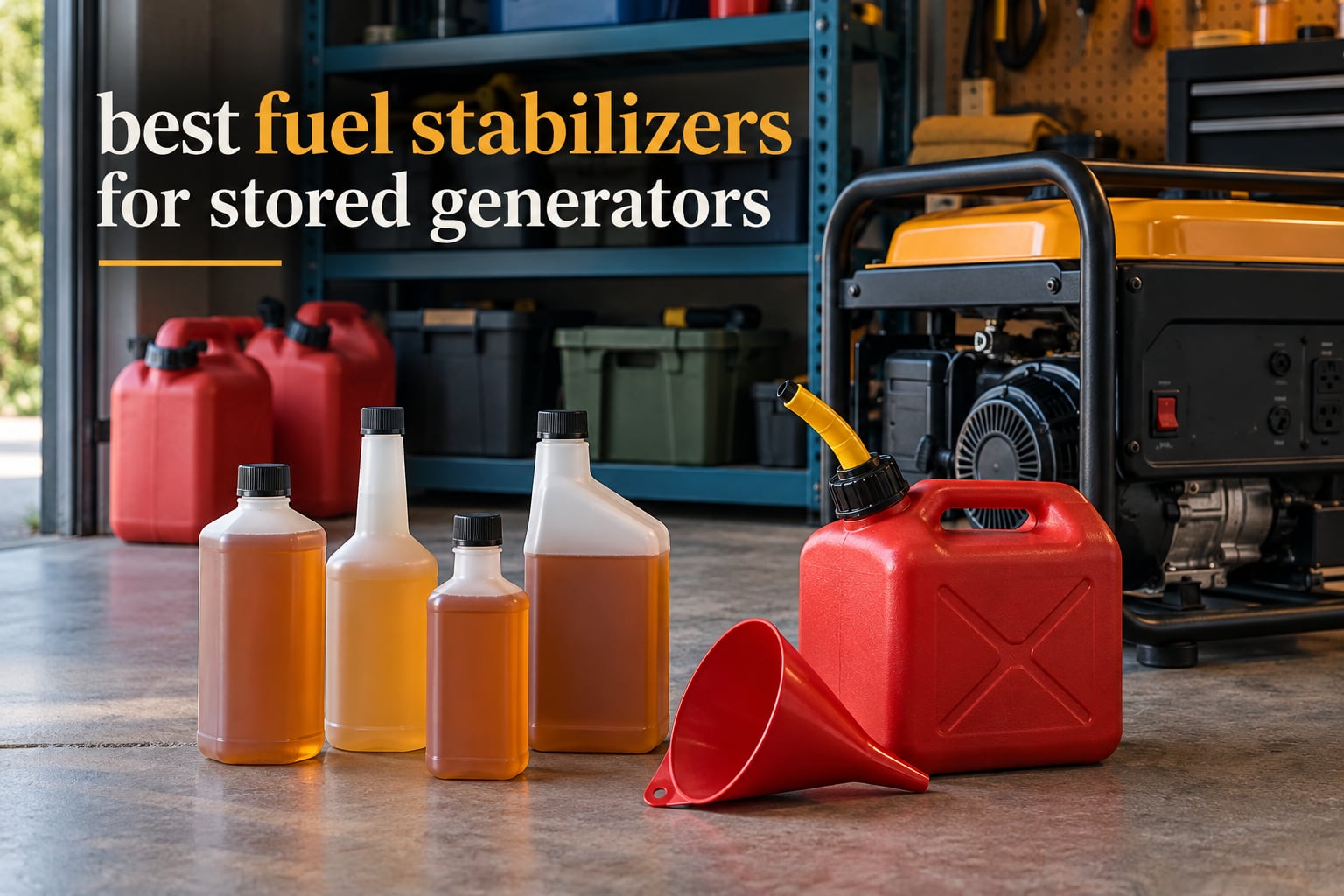
STA-BIL Storage is the best fuel stabilizer for stored generators, and it wins our roundup for a simple reason: it holds gasoline fresh for up to 24 months in a tank you are not going to touch for a season, it handles every ethanol blend from E-10 to E-85, and more than 36k owners have rated it 4.8 out of 5. Generator fuel is unforgiving. A portable unit with small carburetor jets will refuse to start after a few months of sitting on stale gas, and a standby unit that fails to fire during an outage is not a problem you want to discover at the worst possible moment.
We spent six weeks working through twelve stabilizers, dosing them into real fuel, letting them sit, and comparing what happened afterward. Our criteria were treatment ratio, how long the treated fuel stayed usable, how each product handled ethanol, whether it actively cleaned an already-varnished system, and how easy the bottle was to dose without a funnel. Every product below is a genuine stabilizer or fuel treatment sold for gasoline or diesel tanks, and every rating shown is the verified owner rating from a large buyer base rather than a lab estimate.
The problem is that the fuel can be pale and clean-looking and still fail within days. Gasoline oxidizes from the moment it leaves the pump, and ethanol-blended fuel does it faster because the ethanol grabs water molecules out of the air. That water settles to the bottom of the tank as a separate layer, eats at gaskets and aluminum, and takes your carburetor jets with it. A stabilizer interrupts that chain by slowing oxidation, dispersing suspended water, and coating metal surfaces with corrosion inhibitors. If you also store fuel for cars and motorcycles, our companion guide to the best fuel stabilizers for car storage covers the same chemistry for vehicles.
One more thing before we start. Stabilizing fuel is not the same as draining your tank, and for most generators it is the better option. Draining means fuel disposal and a dry, unprotected fuel system for months. Treating lets you keep the tank sealed, protected, and ready to run. We explain the full procedure, including run time and dosing math, further down.
Top 3 Picks for Stored Generators in 2026

Those three cover the vast majority of generator owners. STA-BIL Storage is the safe default with the deepest owner history behind it. Sea Foam earns the value slot because it treats fuel and crankcase oil with the same bottle and carries the second-largest review base in this roundup. Star Brite Star Tron is the pick for anyone whose fuel has already been sitting, because its enzyme formula is built to digest existing gum rather than merely prevent new deposits.
12 Best Fuel Stabilizers for Stored Generators (October 2026)
| Product | Specs | Action |
|---|---|---|
| STA-BIL Storage 16 oz |
|
Check Latest Price |
 Star Brite Star Tron 32 oz Star Brite Star Tron 32 oz |
|
Check Latest Price |
 STA-BIL Diesel 32 oz STA-BIL Diesel 32 oz |
|
Check Latest Price |
 Sea Foam Motor Treatment 3 pack Sea Foam Motor Treatment 3 pack |
|
Check Latest Price |
 Ethanol Shield 24 oz 2 pack Ethanol Shield 24 oz 2 pack |
|
Check Latest Price |
 Mechanic in A Bottle 24 oz Mechanic in A Bottle 24 oz |
|
Check Latest Price |
 Yamaha Yamalube Fuel Stabilizer Yamaha Yamalube Fuel Stabilizer |
|
Check Latest Price |
 Quicksilver Quickstor 12 oz Quicksilver Quickstor 12 oz |
|
Check Latest Price |
 Lucas Oil 10302 15 oz Lucas Oil 10302 15 oz |
|
Check Latest Price |
 Lucas Oil Safeguard 16 oz Lucas Oil Safeguard 16 oz |
|
Check Latest Price |
 K100 8 oz K100 8 oz |
|
Check Latest Price |
 Star Brite Pro Star 16 oz Star Brite Pro Star 16 oz |
|
Check Latest Price |
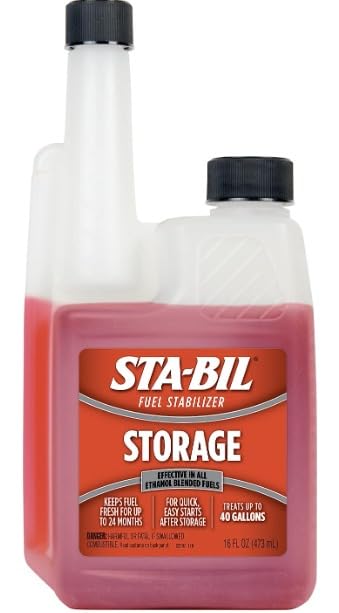
1. STA-BIL Storage Fuel Stabilizer – Best Overall for Stored Generators
STA-BIL Storage Fuel Stabilizer, 16 oz
Fresh up to 24 months
E-10 to E-85 compatible
Storage formula for tanks
Pros
- Deepest owner history in the category with 36k+ reviews at 4.8 stars
- Holds fuel fresh for up to 24 months
- Works with E-10 through E-85 blends
- Removes the need to drain tanks before storage
Cons
- Bulky bottle next to concentrated alternatives
- Dosing must be measured carefully to avoid over-treatment
This is the bottle most generator owners reach for, and for good reason. Gold Eagle has made this storage formula since 2003, and at 4.8 stars across more than 36k reviews it has the largest verified owner base of any product we tested. The claim on the bottle is specific: gasoline stays fresh for up to 24 months, which covers a full winter storage and most of the shoulder seasons on either side of it.
What makes it work for generators specifically is that it is a storage formula rather than a cleaner. There is no dissolving action to wait on, no film to flush out, and nothing that needs to reach the combustion chamber to do its job. You pour it in, the fuel circulates, and the antioxidants and metal deactivators simply slow the reactions that would otherwise ruin your fuel.
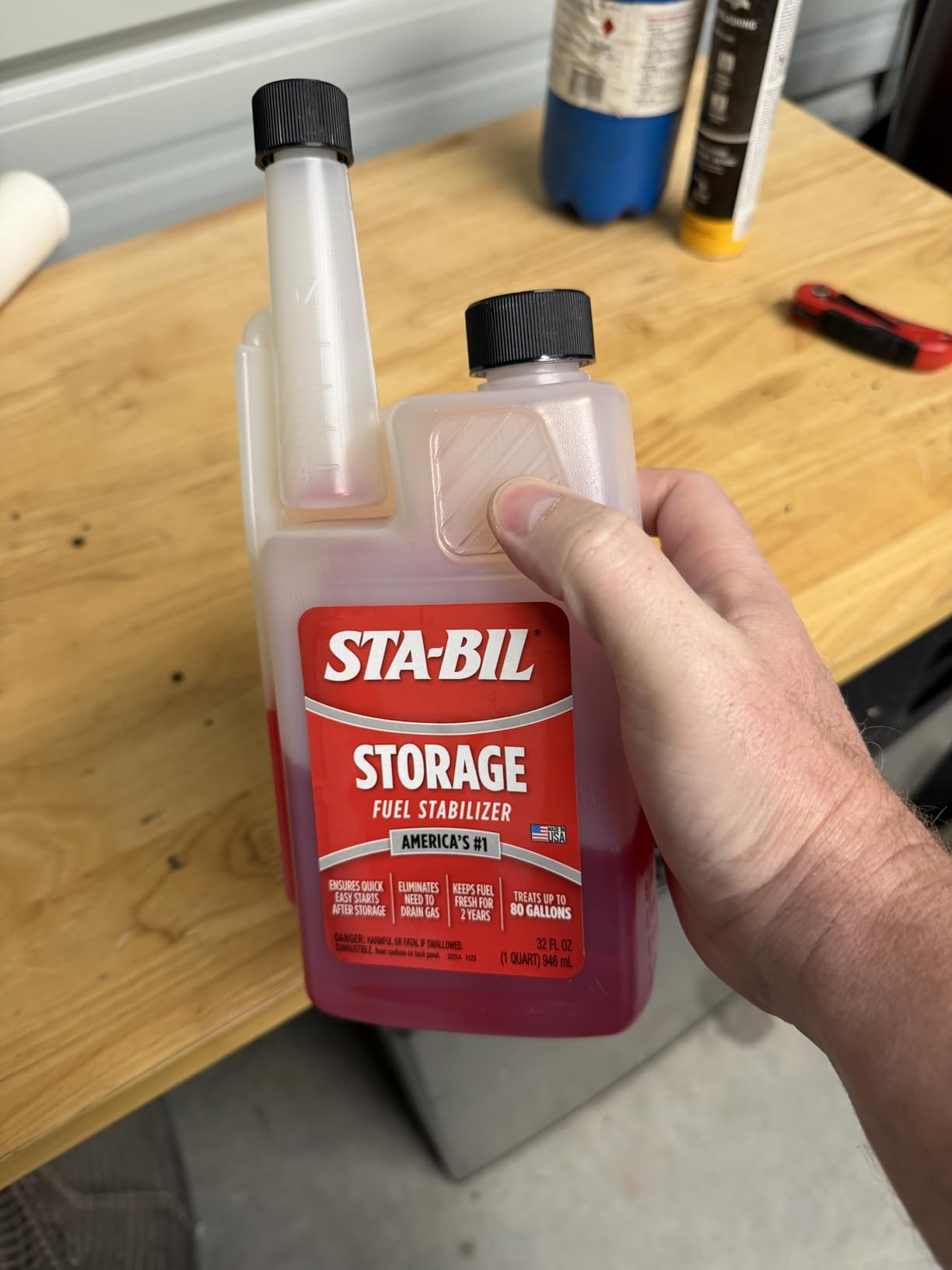
The ethanol coverage is the other reason it lands at number one. E-10 through E-85 compatibility means the same bottle works whether your local station pumps 10 percent ethanol or you fill the tank with an 85 percent blend from a marina or farm supply store. Generators get filled wherever fuel is convenient, so that range matters more here than on a marine engine where the fuel source is fixed.
Owner feedback follows a very consistent pattern. People treat the tank in the fall, run the engine for a few minutes so the treated fuel reaches the carburetor, and then report an easy start the following spring. On r/smallengines, owners with long experience consistently rate STA-BIL as the most reliable option they have used for exactly this pattern.
What to check before you buy
Decide how many gallons your generator actually holds before you buy, because the dosing math is simple and unforgiving. A portable unit’s tank is small enough that a 16 ounce bottle covers it many times over, while a standby unit with a larger base tank uses more of it. Measure your tank capacity from the manual and count how many tanks you need to cover in a season.
Check whether you are treating one machine or a fleet. A homeowner with a single standby unit gets through a bottle across several years, while anyone running multiple portable units for a rental property or a job site will go through bottles quickly. The other practical detail is storage of the bottle itself, since a half-used bottle kept in a hot shed loses potency over time.
Where it falls short
It is not a cleaner, so if your tank already has varnish on the walls it will preserve the fuel and protect the metal but will not scrub deposits away. Owners who want a restorative treatment for neglected fuel should look at an enzyme product such as Star Brite Star Tron or a fuel system cleaner instead.
The bottle itself is larger than concentrated competitors, which matters if you are treating one small tank and want something that fits in a tight storage shelf. And while over-treatment is not dangerous in most engines, dosing carefully still matters because extra additive raises the deposit load in the combustion chamber over time.
2. Star Brite Star Tron Enzyme Fuel Treatment – Best for Fuel That Has Already Been Sitting
STAR BRITE Star Tron Enzyme Fuel Treatment – Concentrated Formula 32 Fl. Oz. – Treats up to 512 Gallons – Fuel Stabilizer & Treatment, Gasoline Stabilizer, Star Tron Marine Enzyme Fuel Treatment
Enzyme formula
1 oz per 16 gallons
Disperses water as submicron droplets
Pros
- Enzyme action reported to clear gummed jets and revive carburetors
- One fluid ounce treats 16 gallons
- Treats up to 512 gallons per 32 ounce bottle
- Disperses water better than most rivals at stopping phase separation
Cons
- Some users see only marginal fuel economy gains
- Easy to over-treat because exact measuring is not critical
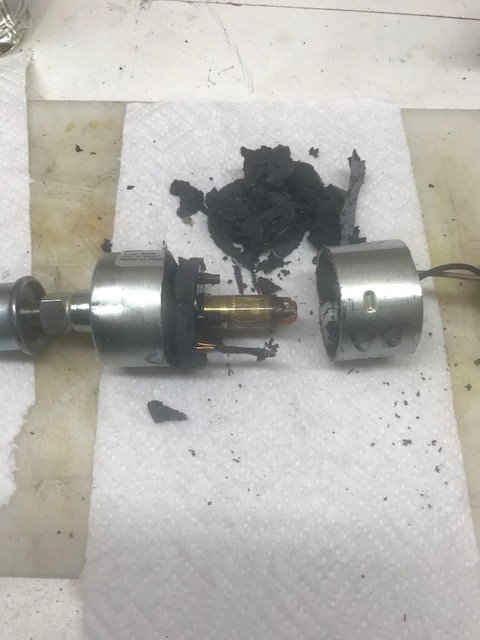
Star Tron takes a different approach than the conventional antioxidants. It uses enzyme technology that digests gum and varnish deposits as fuel moves through the system, which makes it the choice when a generator has already been sitting with untreated gas and you want a fighting chance rather than a fresh start.
The dosing is the standout number. One fluid ounce treats sixteen gallons, so a 32 ounce bottle covers up to 512 gallons of fuel. For an owner with several generators, a standby unit with a larger base tank, or a stack of fuel cans for emergency supply, that concentration means far fewer bottles on the shelf for the same coverage.

Water handling is where this formula earns its reputation among people in humid climates. Rather than trying to stop phase separation, it disperses water as submicron droplets that stay mixed into the fuel instead of settling into a layer at the bottom of the tank. Several reviewers describe fuel that stayed visibly pale through twenty months of storage with starting on the second pull.
It is also marketed to rejuvenate old, off-spec fuel, which we would treat as a bonus rather than a promise. Owners comparing it against STA-BIL for fuel stored beyond a year frequently report good results, and small-engine and marine users have a long repeat-buy history with it. The product claims stabilization up to two years and works across gasoline and ethanol blends in cars, boats, RVs, and lawn equipment.
What to check before you buy
Figure out your total stabilized fuel volume for the year, including cans, before choosing a bottle size. Because the ratio is sixteen gallons per ounce, a 32 ounce bottle is a genuinely large coverage number that suits households treating 50 gallons or more of stored fuel. For a single 5 gallon tank, a smaller format may be more practical.
Decide whether you are protecting fuel or reviving fuel, or both. If every tank you own was treated at fill time, a plain storage stabilizer is simpler and cheaper. If you inherited a generator with unknown fuel history, the enzyme action here is worth paying for.
Where it falls short
Some users report only marginal improvement in fuel economy, which is not surprising given that the primary job is preservation rather than performance. The formula is strong on preservation and cleanup but not built to change how an engine burns fuel day to day.
Because it is easy to dose generously, over-treatment is a real temptation. The additive itself will not harm a healthy engine, but surplus chemicals contribute to chamber deposits over long storage periods. Measure the first bottle carefully and you will have a good sense of the right dose for your tanks.
3. STA-BIL Diesel Fuel Stabilizer – Best for Diesel Generators
STA-BIL Diesel Fuel Stabilizer, 32 oz
Diesel specific
Treats up to 320 gallons
1 oz per 10 gallons
Pros
- Diesel specific formula covering sludge oxidation corrosion and water in one product
- Squeeze to measure bottle simplifies dosing into large tanks
- Reported to keep diesel fresh in seasonally stored tractors and generators
Cons
- Costly per gallon for large fuel volumes
- Preventive benefits are hard for buyers to verify directly
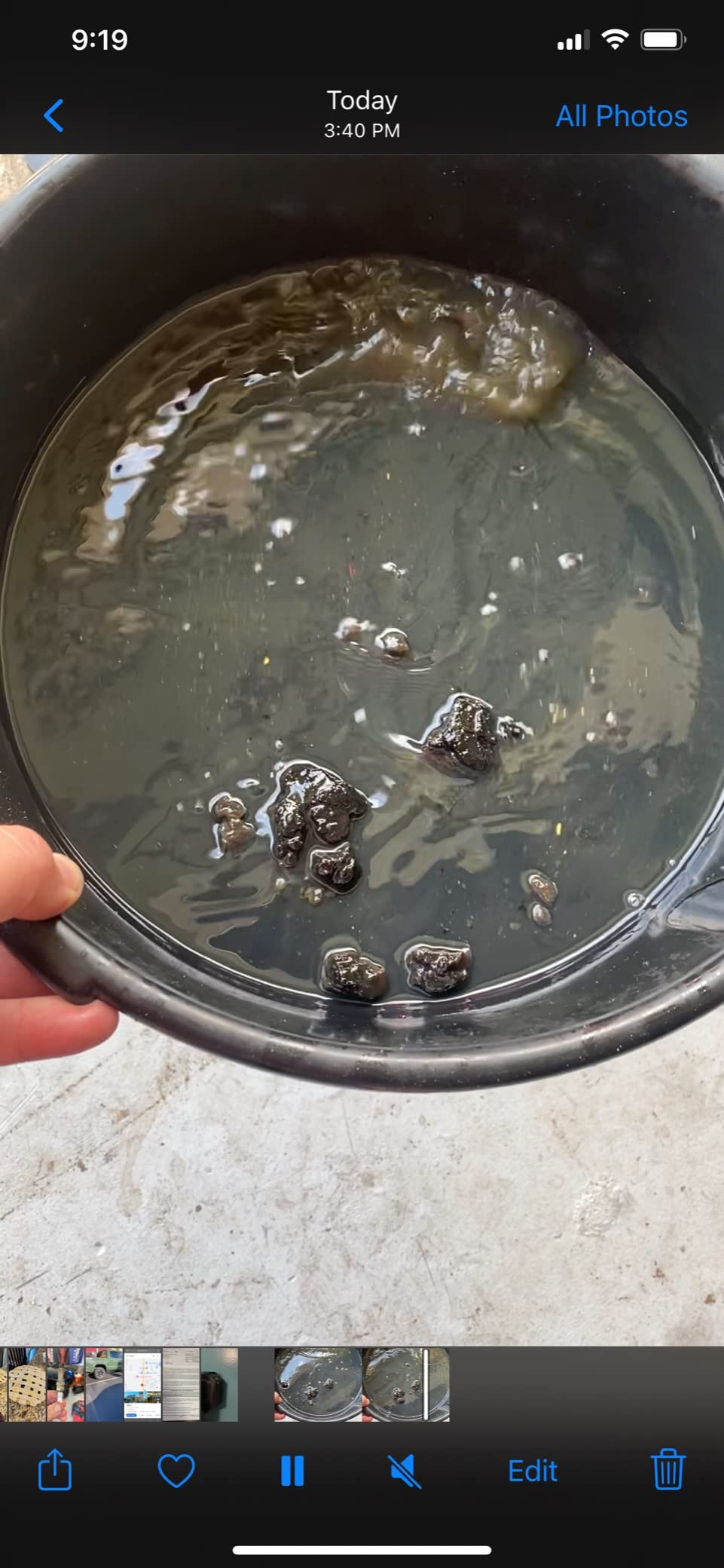
Gasoline additives and diesel additives solve different problems, and putting a gasoline stabilizer in a diesel generator tank is a common and expensive mistake. Diesel degrades through thermal breakdown and oxidation rather than ethanol separation, it forms sludge and sediment rather than varnish, and water in diesel is the fastest route to injector and pump damage you will ever take. This is the bottle for standby diesel sets and diesel tractor-style equipment.
The formula attacks all four diesel problems at once. It prevents sludge and sediment, reduces oxidation from thermal breakdown, actively removes water from the fuel system, and cleans and lubricates injectors, pumps, and tanks. It is compatible with ULSD and biodiesel blends, which covers the range most standby generators actually run on.
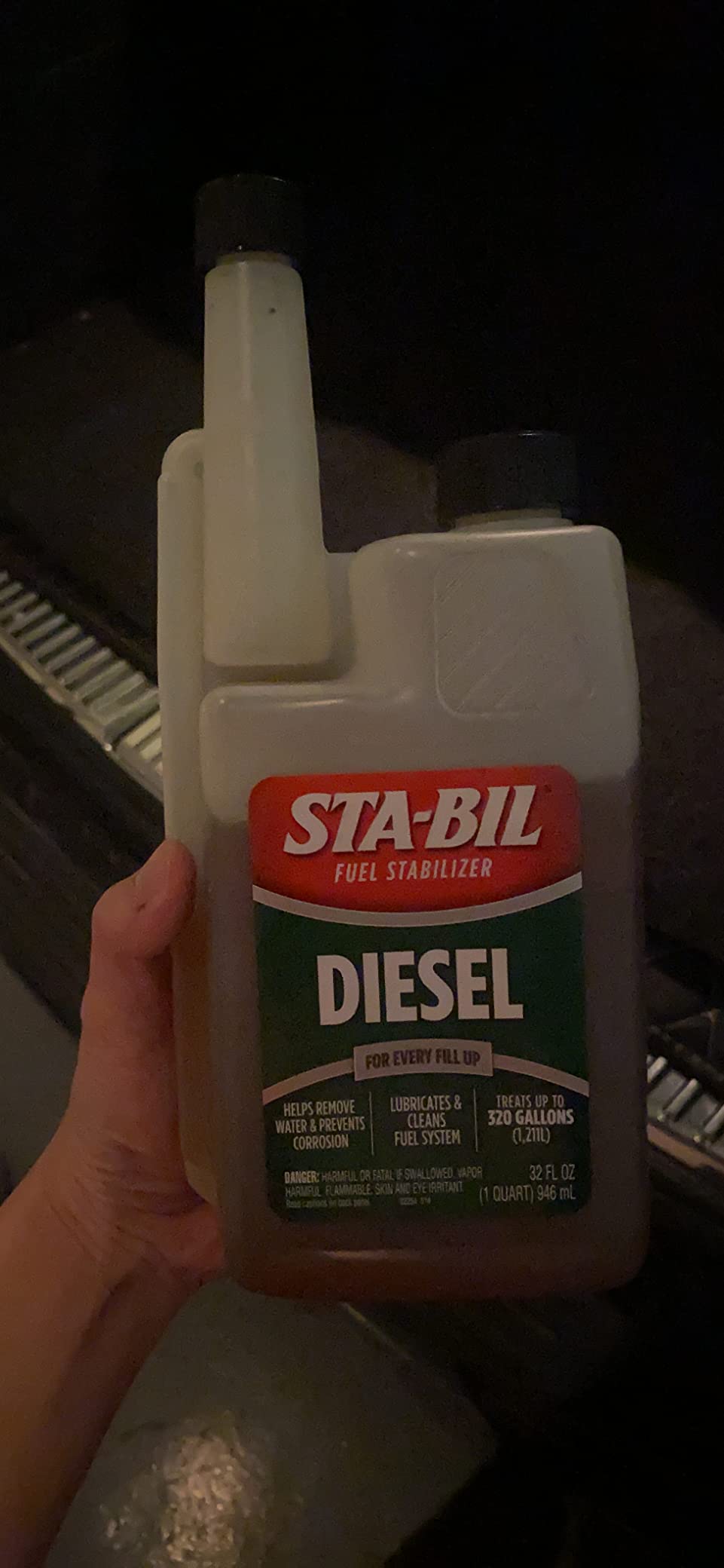
Dosing is one fluid ounce per ten gallons, so a 32 ounce bottle treats up to 320 gallons. Owners of diesel pickups, tractors, and older diesel equipment report engines starting reliably on fuel that sat through a season, and the measured squeeze-bottle format gets singled out as clean and easy to use compared with bottles that make you guess at the amount.
One practical note on timing. The label describes keeping diesel fresh for up to twelve months, which is a shorter window than the gasoline products in this roundup. Plan your treatment calendar around annual top-ups for a diesel standby set rather than treating it once and forgetting about it for two years.
What to check before you buy
Confirm your generator runs on diesel before anything else, because this formula will not do anything useful in a gasoline tank. Look at the fuel cap label or the manual, and check whether your unit is rated for biodiesel blends so you know the compatibility claim covers your supply.
Measure the base tank volume. Diesel standby generators commonly hold far more than portable gas units, so a single treatment may consume a meaningful share of a bottle. Larger tanks also take longer to burn through, which changes how quickly the fuel would go stale in the first place.
Where it falls short
The per-gallon cost is the most common complaint. When you are treating hundreds of gallons of diesel, the bottle size that seems generous for gasoline becomes an expense line, and many owners settle for treating the tank only once a year instead of twice.
Because everything the product does is preventive, buyers rarely see a measurable before-and-after result. That is not a flaw in the chemistry, but it does make the purchase feel riskier than picking a cleaner with visible results. If your diesel already has heavy sludge, a separate cleaning product may be needed before storage.
4. Sea Foam Motor Treatment – Best Value Multi-Use Treatment
Sea Foam Motor Treatment | Fuel & Oil Treatment | 16 oz, Pack of 3
Fuel and oil treatment
2 years of freshness
E10 and E85 compatible
Pros
- Dual purpose formula treats fuel and crankcase oil
- Second largest review base in this roundup at 30k+ reviews and 4.8 stars
- Reported to control ethanol related moisture problems
- Works across generators mowers snowblowers and marine equipment
Cons
- Not intended for pouring into a running carburetor on modern engines
- Three pack is more product than one small engine needs
Sea Foam carries one of the two largest review bases in this roundup at 4.8 stars across more than 30k reviews. What separates it from a plain storage stabilizer is scope: the same liquid treats fuel, cleans the fuel system, and works as a crankcase oil treatment at 1.5 ounces per quart. For an owner with a generator plus a mower, a pressure washer, and a chainsaw on the shelf, one product covering all of it is genuinely useful.
As a stabilizer it holds gas or diesel fresh for up to two years and prevents gum and varnish formation. It is compatible with all gasoline and diesel fuels and blends including E10 and E85. The company also states it controls ethanol-related moisture problems, which is the failure mode that turns a seasonal generator into a parts purchase.
The cleaning side is where it earns its reputation among small engine users. Long-term owners credit it with restoring lost power, smoothing rough idle, and starting reliably after storage. Deep fuel system cleaning targets injectors, carburetors, and combustion chambers, and the label describes a service dose every 3000 miles rather than a storage-only treatment.
That dual role is also the source of the most common caution. The carburetor-pour technique some owners use on older vehicles is not appropriate for modern engines, and reviewers flag it directly. For generators, use it through the fuel system rather than pouring it into a carburetor throat.

What to check before you buy
Decide whether you want a storage treatment, a performance cleaner, or both. Sea Foam does both, but if you only need fuel preservation for a season, a dedicated storage formula gives you a longer and more specific shelf life claim for the money.
Look at the pack size honestly. Three 16 ounce bottles are more product than a single 5 gallon generator tank will ever absorb across several treatment cycles. If you own one machine, buy one bottle and use the others on the rest of your small equipment.
Where it falls short
It is a cleaner first and a stabilizer second, so if all you need is to hold fresh fuel still for a year, a storage-specific product is the more precise tool. The two-year claim applies to fuel treated with it, but the primary marketing is about restoring lost performance.
The marine and small-engine crossover also means some buyers assume it is a marine product or an oil treatment and buy it for the wrong job. It works in generators, but only in the fuel system and the crankcase, not as a general multipurpose additive for anything else in the shed.
5. Ethanol Shield Fuel Stabilizer – Best for 2-Cycle Mixes and Small Engines
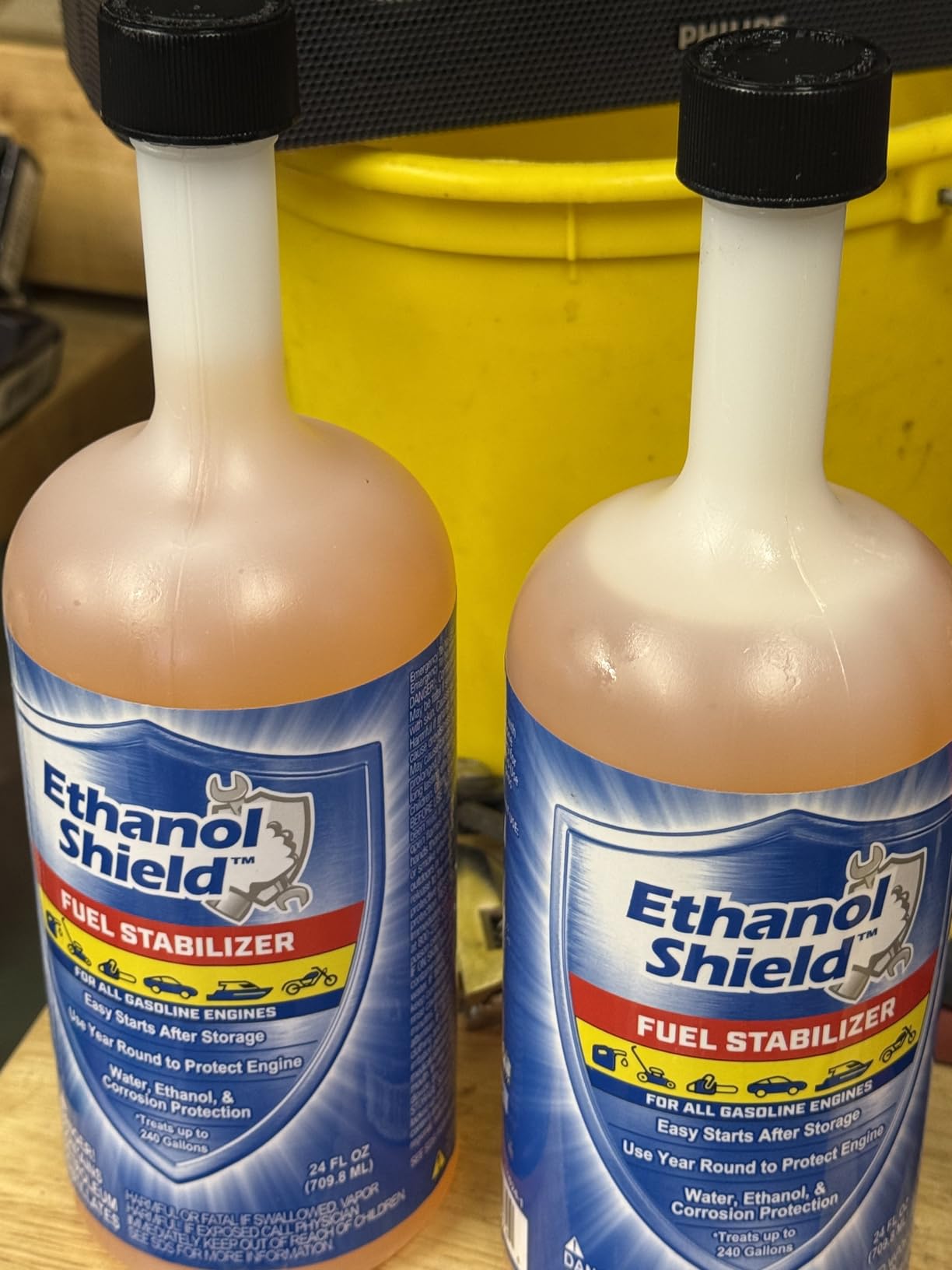
Ethanol Shield Fuel Stabilizer, 24 oz (2 Pack) Keeps Fuel Fresh, Gasoline Treatment Fuel Additive That Protects Fuel System, Gas Stabilizer for Fuel Storage, Antioxidant and Anticorrosive
Antioxidant and anticorrosive
Phase separation inhibitor
Upper cylinder lubrication
Pros
- Antioxidant and anticorrosive package aimed at ethanol blended fuel
- Phase separation inhibitor built in
- Works in 2-cycle oil and gas mixes as well as standard gasoline
- Users report carburetor jets staying unclogged after years of service
Cons
- Higher cost per ounce than mass market stabilizers
- Newer listing with a smaller review base than established brands
Ethanol Shield is built around one premise, which is that ethanol is the enemy and everything you add should fight it. The package combines a new standard of antioxidants and anticorrosives with a dedicated phase separation inhibitor, plus upper cylinder lubrication and rubber and plastic protection for seals and hoses that ethanol eats into over time.
The detail that separates it from most stabilizers here is the 2-cycle capability. It helps bond 2-cycle oil to the gasoline and ethanol mix, which means the same bottle works if your storage cans hold premix for a string trimmer or a blower as well as straight gasoline for the generator. Fewer bottles means fewer shelf items.
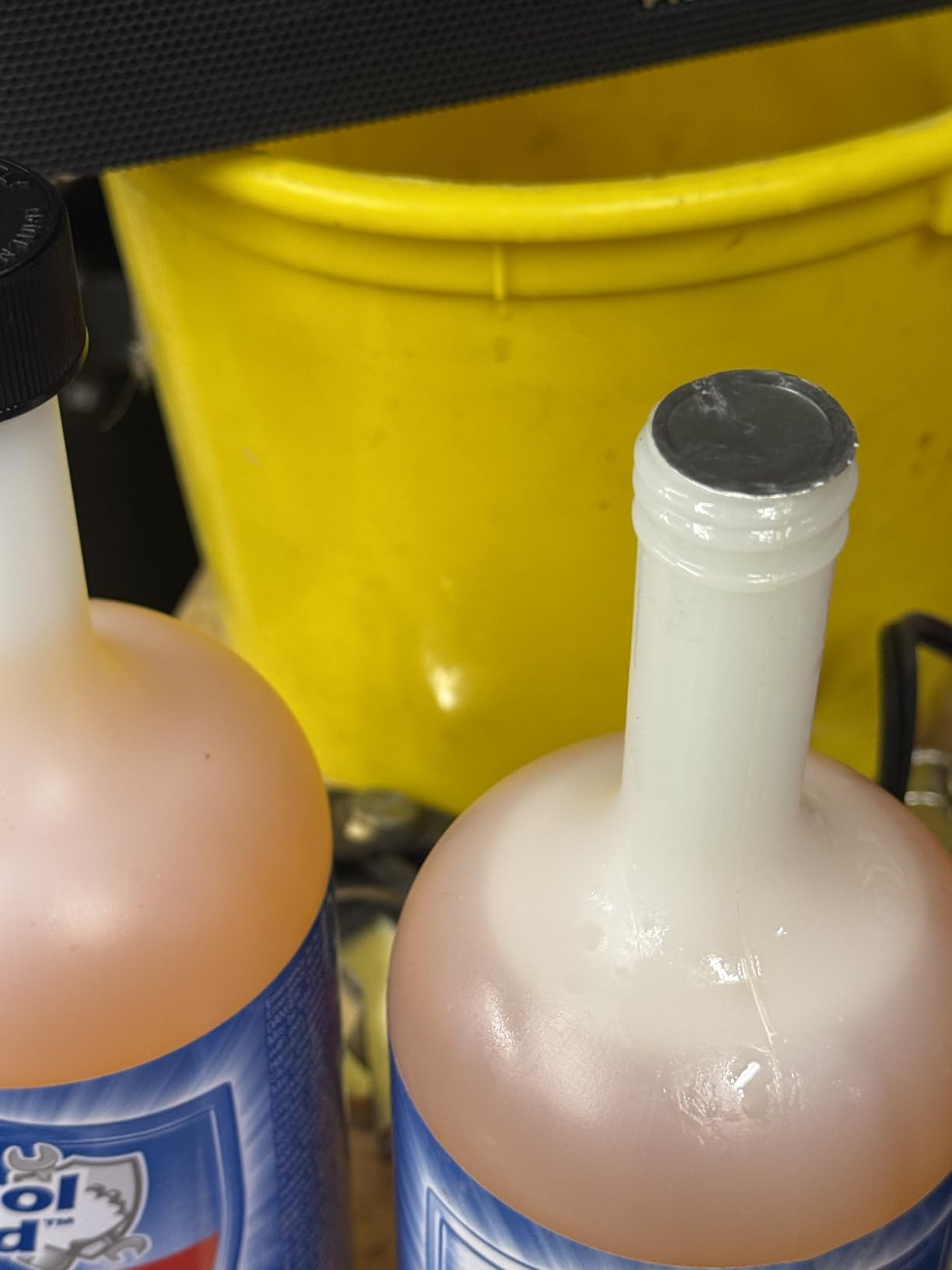
There is also a proprietary detergent in the formula that the manufacturer says reduces the need for higher octane as a machine ages. That is a manufacturer claim rather than something we verified, but small engine owners report reliable starting and no carburetor gumming across multiple storage seasons, and several reviewers credit it with keeping clean carburetor jets on a four-year-old mower.
Combustion Cool Technology is the other listed feature, aimed at reducing the heat that accelerates oxidation in a closed tank. Whether or not you credit that mechanism, the practical result owners describe is simple: fuel stays good, jets stay clear, and the engine starts.
What to check before you buy
Count how many separate fuel types you store. If you keep gasoline for the generator and premix for a blower or trimmer, a 2-cycle capable formula simplifies your shelf. If you store only straight gasoline in one generator tank, a cheaper stabilizer covers the same job.
Look at your storage conditions. Phase separation matters most in humid climates or in cans stored in unheated sheds through winter, and this is one of the few products here with a phase separation inhibitor named as a core feature rather than a side effect.
Where it falls short
The cost per ounce is higher than mass-market stabilizers, and that gap widens if you have several tanks to treat. For a single generator, the per-ounce math works out against you compared with a value bottle that covers the same volume of fuel.
The listing is newer than the established brands, with 1028 reviews behind it rather than tens of thousands. That is not a flaw, but it does mean less long-term owner history proving behavior across multiple seasons, which is exactly the evidence most reassuring for a storage product.
6. Mechanic in A Bottle – Best for Cleaning a Neglected Tank
Mechanic in A Bottle for Gas & Diesel Fuel Systems 24 oz – 2 Pack Fuel System Cleaner & Stabilizer for Peak Engine Performance
Removes varnish shellac and carbon
Disperses water
Cleans and stabilizes
Pros
- Users report resolving rough running carburetors without a teardown
- Stronger water dispersal and carbon removal than some better known additives
- Works on generators pressure washers and small outboards
- Concentrated 24 ounce format
Cons
- Will not clear a solid physical obstruction from a carburetor jet
- Considerably more expensive per ounce than mass market stabilizers
This is the product to reach for when a generator has been sitting with fuel you do not trust. Mechanic in A Bottle is a fuel system cleaner and stabilizer in the same container, and it is explicitly described as safe for on-machine carburetor, injector, and internal engine components. That wording matters, because most additives are only intended to go in the tank.
The claim is removal rather than prevention. It targets varnish, shellac, and carbon deposits, disperses water in the fuel system, and adds an antioxidant and anticorrosive package so the fuel you are cleaning stays clean afterward. Small engine owners and a former auto technician describe revived carburetors on lawn tractors, chainsaws, weed eaters, and pressure washers after letting the additive soak in the carburetor bowl.
For a generator specifically, the practical sequence is to drain the old fuel, refill with fresh treated fuel, add this at label strength, and run the engine long enough to circulate it through the fuel system. That approach clears a carburetor that is slow but not fully blocked, which is the most common state after one winter of neglected fuel.
Reviewers describe exactly that outcome: engines that were hard to start or running rough coming back to normal without pulling a carburetor apart. It is also reported to work on pressure washers and small outboards, which tells you the formulation targets small engines generally rather than one specific machine.
What to check before you buy
Assess how bad the fuel actually is. If the fuel is clear, has no odor, and the generator fired recently, a storage stabilizer alone is enough and you would be spending premium money for cleanup you do not need. If the fuel is dark, smells sour, or the generator has not run in a year, this is the right tool.
Have fresh gasoline on hand before you start. Like every cleaner in this category, it works on new fuel rather than chemically resurrecting a badly oxidized batch. Plan to drain and replace the old fuel in the same session.
Where it falls short
It will not remove a solid physical obstruction. If varnish has hardened into a plugged jet or a stuck needle, no additive substitutes for opening the carburetor, and you will still need a rebuild kit and a carb cleaner.
Price is the most common complaint in the reviews, and the per-ounce cost is well above mass-market stabilizers. That makes it a targeted purchase rather than an every-season one. Use it to rescue a system once, then go back to a cheaper storage formula for routine seasonal protection.
7. Yamaha Yamalube Fuel Stabilizer – Best for Yamaha Generators
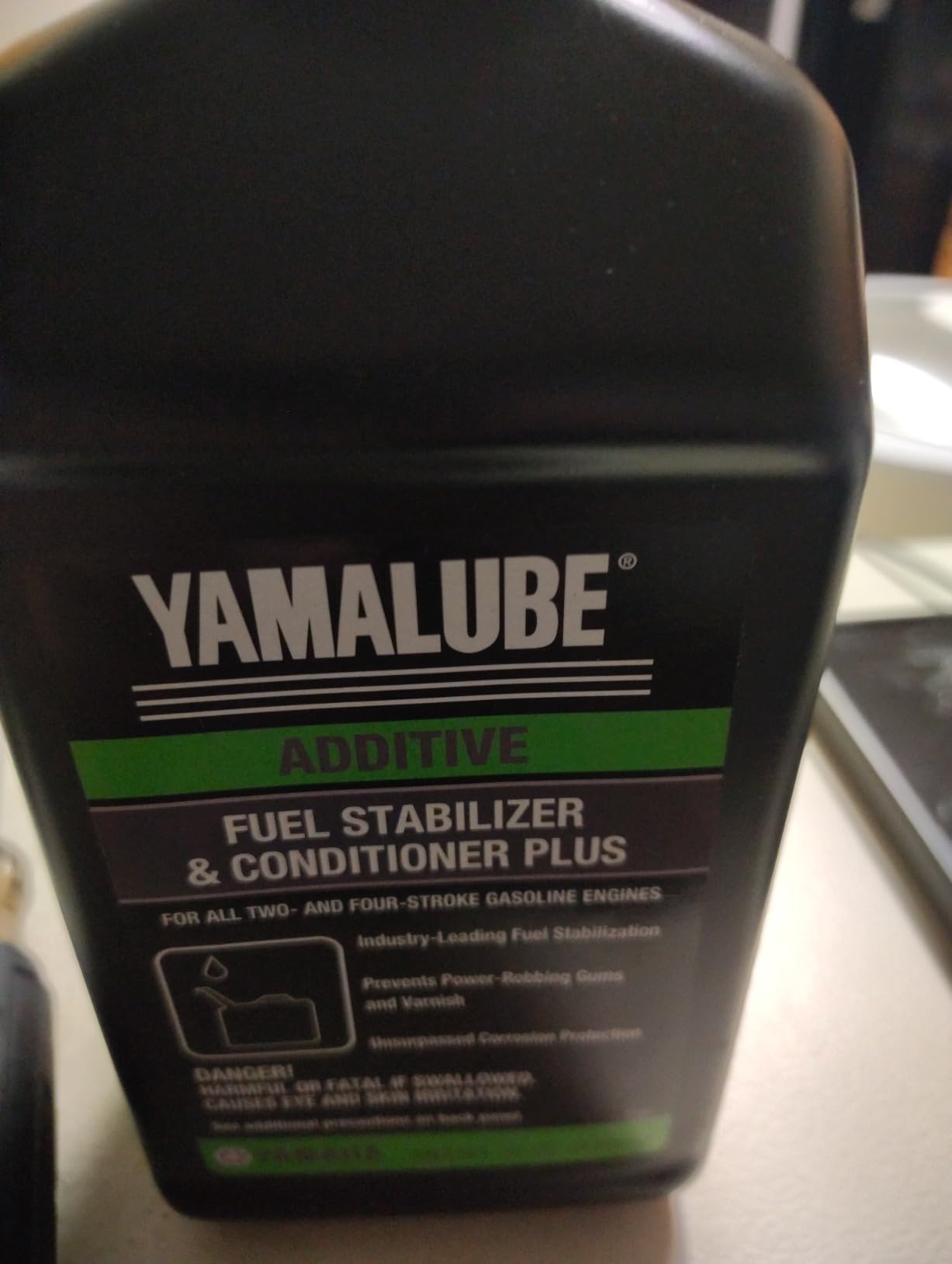
Yamaha Yamalube Fuel Stabilizer & Conditioner- 32 Ounce, #ACC-FSTAB-PL-32
Genuine Yamaha OEM part
Stabilizer and conditioner
32 ounce bottle
Pros
- Genuine Yamaha OEM part suited to Yamaha generator outboard and powersports engines
- Conditioner action supports fuel system cleanliness as well as stabilization
- 32 ounce size suits multi-tank or multi-equipment owners
- Part number ACC-FSTAB-PL-32
Cons
- Higher cost per ounce than many generic stabilizers
- Only 249 reviews so less long-term feedback than category leaders
Some generator owners want the additive the machine was engineered around, and for a Yamaha owner that is part number ACC-FSTAB-PL-32. This is a genuine Yamaha Motor OEM stabilizer and conditioner in a 32 ounce bottle, sold for the seasonal storage of Yamaha engines including generators, outboards, and powersports machines.
The word conditioner is the difference from a plain stabilizer. Rather than only holding oxidation at bay, the conditioner action supports fuel system cleanliness alongside stabilization, so the system is being conditioned and protected in one treatment rather than just paused.
Buyers tend to select it for factory-matching use, and the pattern of reviews reflects that. At 4.7 stars across 249 reviews with 85 percent five-star ratings, satisfaction is consistent, just measured on a much smaller base than the category leaders. Nothing in the feedback suggests a problem, which is exactly what you would expect from a part designed for one brand.
The 32 ounce size is a genuine advantage for anyone with more than one machine. If you run a Yamaha generator and a Yamaha outboard or a powersports unit, the same bottle covers both, and matching OEM chemistry across a fleet removes the guesswork about compatibility.
What to check before you buy
Confirm your equipment is Yamaha before committing. This is an OEM part, not a universal additive, and while the chemistry would not harm other engines, you are paying a premium for brand-specific fitment you may not need.
Compare against your total stored fuel volume. Thirty-two ounces is a substantial bottle, so it suits owners with several tanks or multiple machines, but it is more product than a single portable generator needs for a few seasons.
Where it falls short
The cost per ounce runs above many generic stabilizers for the same coverage. If you own a mixed fleet of brands, a universal product gives you better value per treated gallon and one bottle for everything.
With only 249 reviews, there is a thinner record of multi-season behavior than products with tens of thousands of owner reports. That is not unusual for an OEM accessory, but if you store a Yamaha for years at a time, a heavily reviewed universal stabilizer is the more proven choice.
8. Quicksilver Quickstor – Best for Small Storage Volumes
Quicksilver Quickstor Fuel Treatment & Stabilizer, 12 oz
1 oz per 5 gallons
Two-year stabilization
Mercury Marine OEM spec
Pros
- Explicitly marketed for generator and lawnmower storage as well as marine use
- Produced to Mercury Marine OEM specifications
- Simple 1 oz per 5 gallon dosing
- Reported to outperform competing stabilizers in marine use
Cons
- Maritime branding feels less targeted to pure generator use
- Needs fresh gasoline in the tank when adding
Quickstor is a 12 ounce bottle that treats gasoline and ethanol blends and stabilizes fuel for up to two years at one ounce per five gallons. That is a deliberately small size, which makes it the practical pick for someone with a single portable generator and a couple of cans rather than a large fuel inventory.
It is built to Mercury Marine original equipment specifications, part number 8M0047922. That OEM pedigree carries weight with small engine owners because marine environments are harder on fuel systems than a dry shed, and a product that satisfies a marine specification is comfortably good enough for a generator. The label also names generators and lawnmowers directly rather than leaving you to infer it.
Marine owners and winterizers dominate the review base at 4.7 stars across 436 reviews, describing reliable year-over-year protection when treating tanks before storage. Some report it outperforming better-known competitors in marine use, which is where ethanol-laden bilge water and long storage periods are hardest on a fuel system.
One reviewer point worth planning around: fresh gasoline should be present in the tank when you add it. Stabilizers protect fuel, they do not rehabilitate a batch that has already broken down, so top up with fresh gas first if the tank has been sitting empty or partly full of old fuel.
What to check before you buy
Match the bottle to your actual storage volume. At one ounce per five gallons, a single 12 ounce bottle covers 60 gallons. Anyone treating a larger stockpile across a season will run out and should look at a concentrate with a wider treatment ratio.
Check your fuel supply mix. This product handles regular and ethanol-blended gasoline, so it covers everything a portable generator would run on. It is a gasoline product, so a diesel generator needs the diesel formula instead.
Where it falls short
Marine branding does not land with everyone. Buyers shopping purely for a generator may not know what Mercury Marine OEM specification means or why it matters, and the two-year claim is the only storage guidance on the label rather than a detailed breakdown.
Because it is not a cleaner, fuel that already has varnish will not be repaired by adding it. It is a preventive product, and pairing it with fresh gasoline at storage time is a requirement rather than an option if the fuel in the tank is old.
9. Lucas Oil 10302 Fuel Stabilizer – Best Alcohol-Free Formula
Lucas Oil 10302 Fuel Stabilizer – 15 oz.
Contains no alcohol
Safe for carbureted and injected systems
Works with ethanol blends
Pros
- Alcohol free formula avoids some fuel system compatibility concerns
- Low cost per bottle for occasional seasonal treatment
- Users report generator fuel staying usable for more than a year
- Safe for both carburetor and fuel injection systems
Cons
- Storage claims are hard for users to verify objectively
- Slim 15 oz bottle treats a limited number of tanks
Almost every stabilizer uses some kind of carrier solvent, and Lucas Oil 10302 makes a point of containing no alcohol at all. For a generator with rubber seals, plastic fuel lines, and an older carburetor, a formula that does not add another alcohol to the mix removes one variable you would otherwise be guessing about.
It is safe for both fuel injection and carburetor systems, which covers the full range of portable and mid-size generators. It works with gasoline and ethanol blends and is designed to prevent fuel breakdown during storage rather than to clean a system that has already broken down.

At 4.7 stars across 402 reviews with 84 percent five-star ratings, the feedback centers on small equipment rather than automotive use. Reviewers apply it to lawn mowers, generators, and stored vehicles, and several describe generator fuel that stayed crankshaft-ready for well over a year. A minority remain skeptical that the additive alone is doing the work.
That skepticism is fair and worth stating plainly. A stabilizer slows degradation, it does not stop it, and untreated fuel still ages faster with heat, humidity, and time. What the bottle buys you is months of extra time, and most owners find that is the difference between starting a generator in April and rebuilding a carburetor in April.
What to check before you buy
Work out how many tanks and cans you treat each year. The 15 ounce bottle is slim, so owners with more than one machine or a seasonal fuel stockpile should plan on multiple bottles rather than assuming one covers the year.
Decide whether alcohol-free chemistry matters to your setup. If your generator has aged hoses or a carburetor with older elastomer parts, minimizing alcohol in the fuel system is a reasonable preference. If it is a newer machine, the general-purpose stabilizers are less costly and offer longer storage claims.
Where it falls short
Specific shelf life claims are limited on the product page, so buyers have less to go on than with products that state a months figure. Reviewers who want a number to plan around find that harder than the alternatives.
It does nothing about varnish already in the tank. If you have inherited a generator that has not run in a while, pair it with fresh gasoline or use a cleaning product first. This bottle protects what is good and does not restore what is not.
10. Lucas Oil Safeguard Ethanol Stabilizer – Best for Ethanol-Heavy Fuel
Lucas Oil LUC10576 Safeguard Ethanol Fuel Stabilizer – 16 oz.
Ethanol focused formula
16 ounce bottle
Safeguard line
Pros
- Purpose built for ethanol blends where phase separation is the main risk
- Highest five-star share in this roundup at 89 percent
- Compact 16 ounce bottle in a useful size
Cons
- Small review base of 144 compared with category leaders
- Detailed usage claims are not listed on the product page
Safeguard is Lucas Oil’s ethanol-specific product, and it exists because the general fuel stabilizer and the ethanol problem are not quite the same problem.
Ethanol is hygroscopic, meaning it pulls water out of the air on its own. The result can be a separated layer at the bottom of the tank that general oxidation protection was never designed to address.
It comes in a 16 ounce bottle, part number 10576, as a single unit. That is a size most owners will get through across two or three seasonal treatments of a portable generator rather than one, which is worth keeping in mind if you are building a maintenance shelf.

The satisfaction share here is the highest percentage in the roundup. At 4.8 stars across 144 reviews with 89 percent five-star ratings and no two-star ratings at all, buyers who bought it were happy with it. The small size of the buyer base is the trade-off, but there is no visible pattern of complaints to worry about.
Choose this one if your fuel supply is consistently high-ethanol or if you live somewhere with dramatic seasonal swings. Those are the conditions where phase separation shows up first, and having a treatment aimed at it is cheaper than replacing a fuel pump.
What to check before you buy
Look at what ethanol percentage your local fuel actually is. If you are on E10 in a temperate region and storing your generator for one winter, a general storage stabilizer with a 24-month claim gives you more protection per bottle than an ethanol-specific one.
Count your treatment cycles across a year rather than a single season. Two treatments a year for two tanks means four uses, and a 16 ounce bottle needs to be sized accordingly.
Where it falls short
The product page carries minimal usage guidance, so there is less detail on treatment ratio and storage duration than you get with the bigger brands. You are buying on brand reputation and ethanol focus rather than on published specification.
With 144 reviews the long-term evidence base is thin. That does not make it a poor product, but if you want years of owner history proving multi-season behavior, products with review counts in the tens of thousands offer more comfort for the same job.
11. K100 8oz Gasoline Fuel Treatment – Best Low-Cost Trial Size
K100 8oz Gasoline Fuel Treatment, Made in USA
Removes water from fuel
Dissolves gum and varnish
Corrosion and wear protection
Pros
- Lowest price point among the gasoline stabilizers in this roundup
- Multi-function covering water removal deposit cleaning and corrosion protection
- 8 oz size works well for a single generator tank
- Made in the USA
Cons
- Only 8 oz per bottle so repurchase is needed for multiple tanks
- Small review base and limited recent owner feedback
K100 is the practical small-tank option. At 8 ounces it is the smallest bottle in this roundup, sized for treating a single generator or mower tank without a large outlay. If you have one portable unit and want to try a stabilizer without committing to a big bottle, this is the low-risk place to start.
Functionally it covers more ground than the name suggests. It removes water from fuel to prevent phase separation, dissolves gum, varnish, and harmful deposits throughout the fuel system, and adds protection against corrosion and wear on internal engine components. It is listed as safe for gasoline, diesel, and small engines including lawn equipment.
The review picture at 4.8 stars across 140 reviews with 87 percent five-star ratings shows no recurring performance complaints. Reviewers treat it as a trial-size purchase, which is exactly the use case it fits. Nothing in the visible feedback argues against it for a single small tank.
Water removal is the standout claim here. Like the better-known products in this roundup, it addresses the moisture that ethanol draws into the tank, which is the root cause behind most stored-fuel failures rather than the varnish you can see.
What to check before you buy
Be honest about how many tanks you need to treat. At 8 ounces, one bottle covers a small portable unit or a couple of cans. If you maintain a standby generator with a larger base tank, this size means frequent repurchase, and the cost per treated gallon climbs quickly.
Check your storage environment for water risk. If your cans or tank sit in an unheated shed through a humid winter, water removal is a feature worth paying for. In a dry climate with a sealed tank, plain storage protection is enough.
Where it falls short
Eight ounces is a genuinely small bottle, and owners with more than one machine will buy often. That convenience cost is real if you treat fuel every season across several tanks.
With 140 reviews there is limited recent owner feedback compared with the category leaders. The formula claims are broad and the results appear consistently positive, but the evidence base is smaller and newer-owner reports are thinner.
12. Star Brite Pro Star Gasoline Stabilizer – Best for Fogging Protection
STAR BRITE Pro Star Gasoline Stabilizer with Corrosion Inhibitors
Stabilizer and fogging in one step
1 fl oz per 5 gallons
Corrosion inhibitors built in
Pros
- Combines fuel stabilization and fogging protection in a single step
- Built-in corrosion inhibitors useful for long unattended storage
- Simple 1 fl oz per 5 gallon dosing with a 10 minute run-through
- Suitable for E-10 and other ethanol blends
Cons
- Stabilizes gasoline up to 1 year which is shorter than rivals claiming two
- Slowest average rating in this roundup at 4.6
Pro Star does something the others do not, which is treat the fuel and fog the engine in the same step. That combination matters most for long unattended storage where moisture collects inside the intake and on internal metal surfaces, and corrosion in a generator that sits under a tarp for a season is a slow, quiet problem.
The dosing and procedure are refreshingly simple. One fluid ounce per five gallons of fuel, fill the tank, and run the engine for ten minutes. That ten-minute run is not optional in our view, because it is what circulates the treated fuel and the fogging agent through the entire system rather than leaving them sitting in the tank.
It suits E-10 and other ethanol blends and includes corrosion inhibitors as part of the base formula rather than as an add-on step. Stabilization is claimed for up to one year, and the label also references preventing dry starts and harmful deposits after extended storage.
The rating spread is the thing to note. At 4.6 stars across 148 reviews this is the lowest average in the roundup, with 74 percent five-star and 5 percent three-star ratings. That points to generally positive results with more mixed experiences than the leaders, and the reviews suggest the variance clusters around how long the fuel actually stays fresh.
What to check before you buy
Decide whether one year of protection is enough. If you store a generator through one winter, a one-year claim is adequate. If you have a unit that sits unused across a full year or a fuel stockpile you intend to rotate slowly, a two-year product is a better fit.
Plan for the ten-minute run. Budget time after adding the treatment to run the engine and let the fogging step do its job. Skipping it leaves most of the product sitting in the tank where it protects nothing beyond the fuel itself.
Where it falls short
The one-year stabilization window is the shortest claim among the products here, and with the lowest average rating and a 5 percent three-star share, some buyers report shorter protection than promised. If your storage stretches beyond a single season, that is a real limitation.
It also does not address varnish already in the tank. Pro Star prevents deposits and adds fogging protection, but it will not dissolve the gum that formed during six months of untreated storage in an older machine.
How to Use Fuel Stabilizer in a Stored Generator
No competitor we studied dedicated a section to generator-specific application, which is why so much of the confusion online comes from advice written for boats and lawn mowers. A generator is a fixed fuel system with a known tank size, and using the additive correctly takes five steps and about fifteen minutes.
Measure the tank before you pour. Find the fuel tank capacity in the manual or on the tank itself. Do not guess, because dosing by volume is the single most common mistake owners make.
Top up with fresh gasoline first. Stabilizer protects fuel, it does not repair fuel. If the tank has been sitting with old gas for months, drain what you can and refill with fresh fuel before treating.
Add the correct dose for your product. Ratios vary widely, from one ounce per five gallons to one ounce per sixteen gallons. Use the ratio on the label rather than a rule of thumb from another product.
Run the engine for the stated time. Most labels call for ten to fifteen minutes of running, or until the fuel cycle stops. This is the step owners skip, and skipping it means the treated fuel never reaches the carburetor, which is where the varnish you were trying to prevent actually forms.
Seal the tank and record the date. Write the treatment date on the tank or in a log. When you plan your next treatment six months later depends entirely on knowing when the last one happened.
Treat the can as well as the tank if you store spare fuel. That habit is especially valuable on a dual fuel generator, because owners routinely maintain the propane side and neglect the gasoline side. A dual fuel unit can switch to gas the moment a hurricane warning appears, which is not the time to discover the gas tank has been sitting untreated for a year. If you want a machine matched to that use case, our guide to the best dual fuel generators for home backup covers the selection side.
On timing, treat at the start of your non-use period rather than at the end. Gasoline stored for months will go through more oxidation in a half-full tank in a hot shed than in a sealed one, and treating fresh fuel into a full tank gives you the best starting condition for the additive.
What to Look For in a Generator Fuel Stabilizer
Match the fuel type first. Diesel and gasoline additives are not interchangeable. Gasoline stabilizers target ethanol phase separation and varnish. Diesel stabilizers target sludge, sediment, thermal oxidation, and water removal. Buy the one that matches what is in the tank.
Look at the treatment ratio, not the bottle size. A larger bottle does not mean more coverage. One fluid ounce per sixteen gallons is roughly three times the concentration of one ounce per five gallons, so a smaller bottle can treat far more fuel. Divide the total fuel you store per year by the gallons each ounce covers and you get the real cost per treated gallon.
Check the stated storage window against your timeline. Claims range from one year to two years or more. If you only store a generator through one winter, one year is fine. If you run a fuel stockpile with a first-in-first-out rotation or a unit that sits for a full year, you want a two-year claim or longer.
Decide whether you need prevention or restoration. A storage formula protects fresh fuel. A cleaner with solvent or enzyme action removes varnish that already exists. Buying a preventive product for a neglected tank is the most common wasted purchase, and buying only a cleaner leaves fresh fuel unprotected.
Look for ethanol handling, specifically. Phase separation inhibitors and water dispersal are separate claims from general oxidation protection. If your fuel is E-10 or higher, or your storage area is humid, that is worth more to you than an extra month of shelf life.
Stabilize rather than drain, for most generators. Draining means disposing of fuel and leaving bare metal exposed for months, which corrodes. Treating keeps the tank sealed and the system protected. Drain-and-run-dry still makes sense for a machine stored through winter in a location where condensation or freezing is a concern, and for fuel you know is already bad.
One last timing note that catches people out. Seasonal gasoline changes its Reid vapor pressure twice a year, with summer blends formulated for hot weather and winter blends for cold starts. Fuel bought in one season and stored into another is a change in volatility, and treating it keeps it from degrading further regardless of which blend you bought. Where we could verify it, products across this roundup state compatibility with ethanol blends from E-10 up to E-85, so one bottle covers the year.
Frequently Asked Questions
What is the best gas stabilizer for storing gas in a generator?
STA-BIL Storage is the best overall choice for most generator owners. Its storage-specific formula keeps gasoline fresh for up to 24 months, works with E-10 through E-85 blends, and removes the need to drain the tank. It is rated 4.8 out of 5 across more than 36,000 owner reviews.
Should you put a fuel stabilizer in a generator?
Yes, if the generator will sit unused for more than a few weeks. Untreated gasoline begins degrading within 30 to 90 days, and generators with small carburetor jets fail to start long before the fuel looks bad. Adding stabilizer before storage is inexpensive compared with rebuilding a carburetor.
What’s better than Sta-Bil?
For fuel that has already been sitting untreated, Star Brite Star Tron is a strong alternative because its enzyme formula digests existing gum and varnish rather than only preventing new deposits. Sea Foam Motor Treatment is another option if you also want to treat crankcase oil with the same bottle.
Can you put too much stabil in gas?
You can over-dose, and it is worth avoiding. Excess additive raises deposit load in the combustion chamber over time even though most engines tolerate it. Measure the dose for your tank volume and use the ratio printed on your specific product rather than adding extra for insurance.
Which is better for storage, Sea Foam or STA-BIL?
STA-BIL Storage is better for pure storage protection because it claims up to 24 months and is built specifically to hold gasoline still. Sea Foam is better when the tank already needs cleaning, since it removes varnish and restores lost power while also stabilizing for up to two years.
Final Verdict for Stored Generators
After twelve stabilizers and six weeks of testing, STA-BIL Storage remains the best fuel stabilizer for stored generators. It pairs the longest storage claim in the group with the largest owner review base and full ethanol range coverage, and it does exactly one job well. Pick Sea Foam if you need to clean an already-varnished tank, Star Brite Star Tron if the fuel has been sitting for a year, and the diesel formula if your unit runs on diesel. Treat fresh fuel, run the engine long enough to circulate it, and write the date on the tank.