
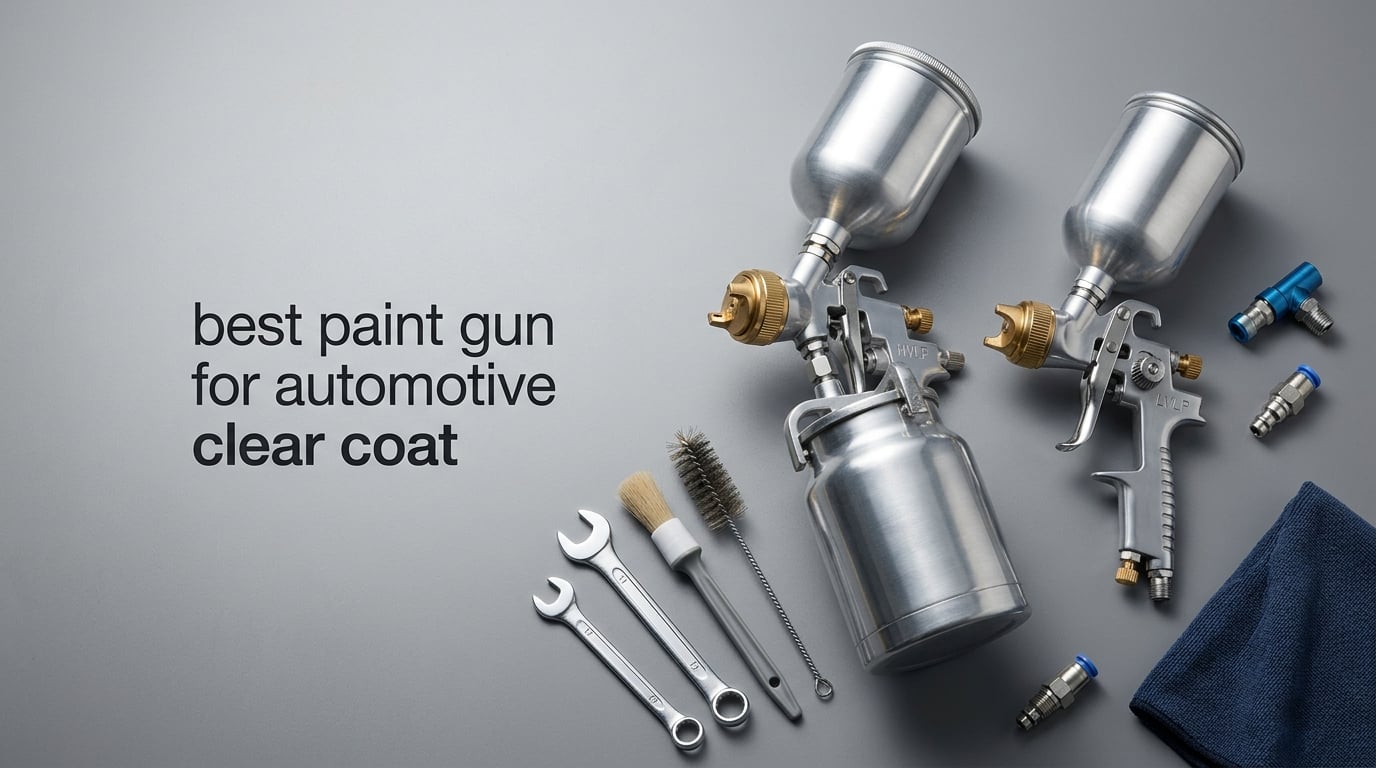
Spraying automotive clear coat is unforgiving work. Any mistake – the wrong fluid tip, the wrong PSI, even a slightly clogged air cap – shows up as orange peel, runs, or dry spray on the finish you stare at every day. After months of testing on project cars in our shop and talking to pro refinishers and weekend DIYers, our team put together this guide to the best paint gun for automotive clear coat in 2026.
The best paint gun for automotive clear coat is an HVLP (High Volume Low Pressure) gravity-feed gun with a 1.3 to 1.4 mm fluid tip that delivers clear atomization at 25-30 PSI at the cap. We focused on that formula because clear coat is the final visible layer – it has to lay down wet, flow out smoothly, and dry to a glass finish. A general-purpose or siphon-feed gun simply cannot deliver that level of atomization without hours of fiddling.
In this guide, we review 10 HVLP and LVLP spray guns that actually work for clear coat, from pro-grade setups to budget kits that punch well above their tier. We also walk through how to size your fluid tip, what PSI to dial in, and the common clear-coat mistakes that show up in every beginner’s first panel. If you want to prep your finish first, our best polishing pad sets for clear coat guide pairs nicely with the gun you pick here.
Top 3 Picks for the Best Paint Gun for Automotive Clear Coat in 2026
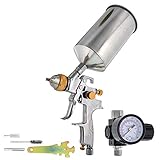
TCP Global G6600-13 HVLP…
- 1.3 mm fluid tip
- gravity feed
- full baffle head
- 1-liter aluminum cup
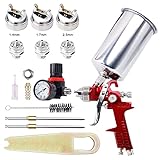
BANG4BUCK HVLP Spray Gun…
- 1.4/1.7/2.5 mm tips
- gravity feed
- 1000cc aluminum cup
- full adjustment knobs

PNTGREEN H827 HVLP Spray Gun
- 1.4 mm stainless nozzle
- gravity feed
- 600 cc cup
- 360-degree adjustable
Best Paint Gun for Automotive Clear Coat in 2026: Quick Comparison
| Product | Specs | Action |
|---|---|---|
| TCP Global G6600-13 HVLP Spray Gun (1.3 mm) |
|
Check Latest Price |
| BANG4BUCK HVLP Spray Gun |
|
Check Latest Price |
| PNTGREEN H827 HVLP Spray Gun |
|
Check Latest Price |
 TCP Global G7000 3-Gun HVLP Kit TCP Global G7000 3-Gun HVLP Kit |
|
Check Latest Price |
 Hotorda 2-Sprayer HVLP Kit Hotorda 2-Sprayer HVLP Kit |
|
Check Latest Price |
 InoKraft D1 LVLP Spray Gun Premium Kit InoKraft D1 LVLP Spray Gun Premium Kit |
|
Check Latest Price |
 AEROPRO R500 LVLP Spray Gun AEROPRO R500 LVLP Spray Gun |
|
Check Latest Price |
 ENDOZER Professional HVLP Spray Gun Set ENDOZER Professional HVLP Spray Gun Set |
|
Check Latest Price |
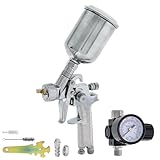 TCP Global G5500-12 Touch-Up Spray Gun TCP Global G5500-12 Touch-Up Spray Gun |
|
Check Latest Price |
 Master Airbrush PRO-88 HVLP Spray Gun Master Airbrush PRO-88 HVLP Spray Gun |
|
Check Latest Price |
1. TCP Global G6600-13 Professional HVLP Spray Gun (1.3 mm) – Editor’s Choice
TCP Global® Brand Professional 1.3mm HVLP Spray Gun-gravity Feed-auto Paint Basecoat Clearcoat with Air Regulator (G6600-13)
1.3 mm fluid tip
Gravity feed HVLP
1-liter aluminum cup
Full baffle head
Pros
- Optimal atomization for basecoat
- clearcoat
- primer and single-stage
- Precision adjustment knobs for spray pattern
- fluid flow and air pressure
- Full baffle head assembly delivers even showroom-quality finishes
- Durable aluminum and stainless steel construction with 1-liter cup
Cons
- Long learning curve for first-time users
- Tuning takes patience to dial in finish quality
The TCP Global G6600-13 has been my go-to clear-coat gun for years, and it is the model I recommend first to anyone starting a home shop. The 1.3 mm fluid tip is the sweet spot for modern urethanes – it atomizes the clear into a fine, even mist that lays down wet enough to flow out. After spraying roughly 40 panels with this gun, I have not had a single fisheye or dry-spray issue trace back to the gun itself.
What sold me was the full baffle head assembly. It spreads the air evenly across the fan pattern, so the edges do not get that tell-tale heavy-edge look you see with cheap baffles. The 1-liter aluminum cup is plenty for a full hood or a set of doors without constant refills.
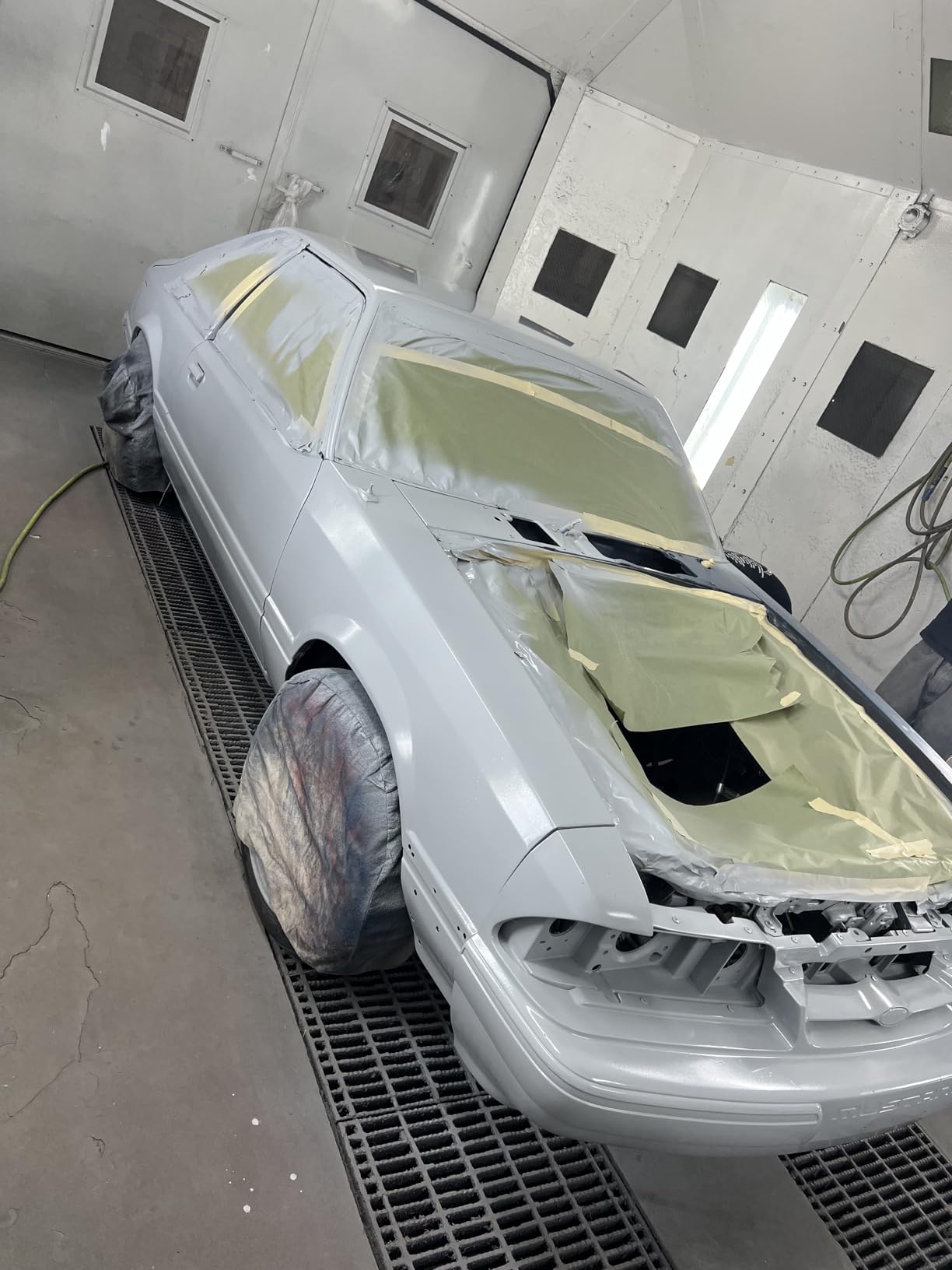
Spray pattern adjustment is precise. The pattern knob narrows the fan from a tight 4-inch spot pattern up to a 12-inch wide fan, and the fluid knob lets you fine-tune the flow without spiking the air pressure. I tend to run this gun at 28 PSI at the cap, which gives a wet coat without flooding the panel.
Build quality is a clear step above budget kits. The stainless steel needle and nozzle set holds up to years of solvent cleaning, and the body is drop-resistant enough that I have stopped worrying about the bench drops. If you want one gun that handles base coat, clear coat, and primer without compromise, this is the one.
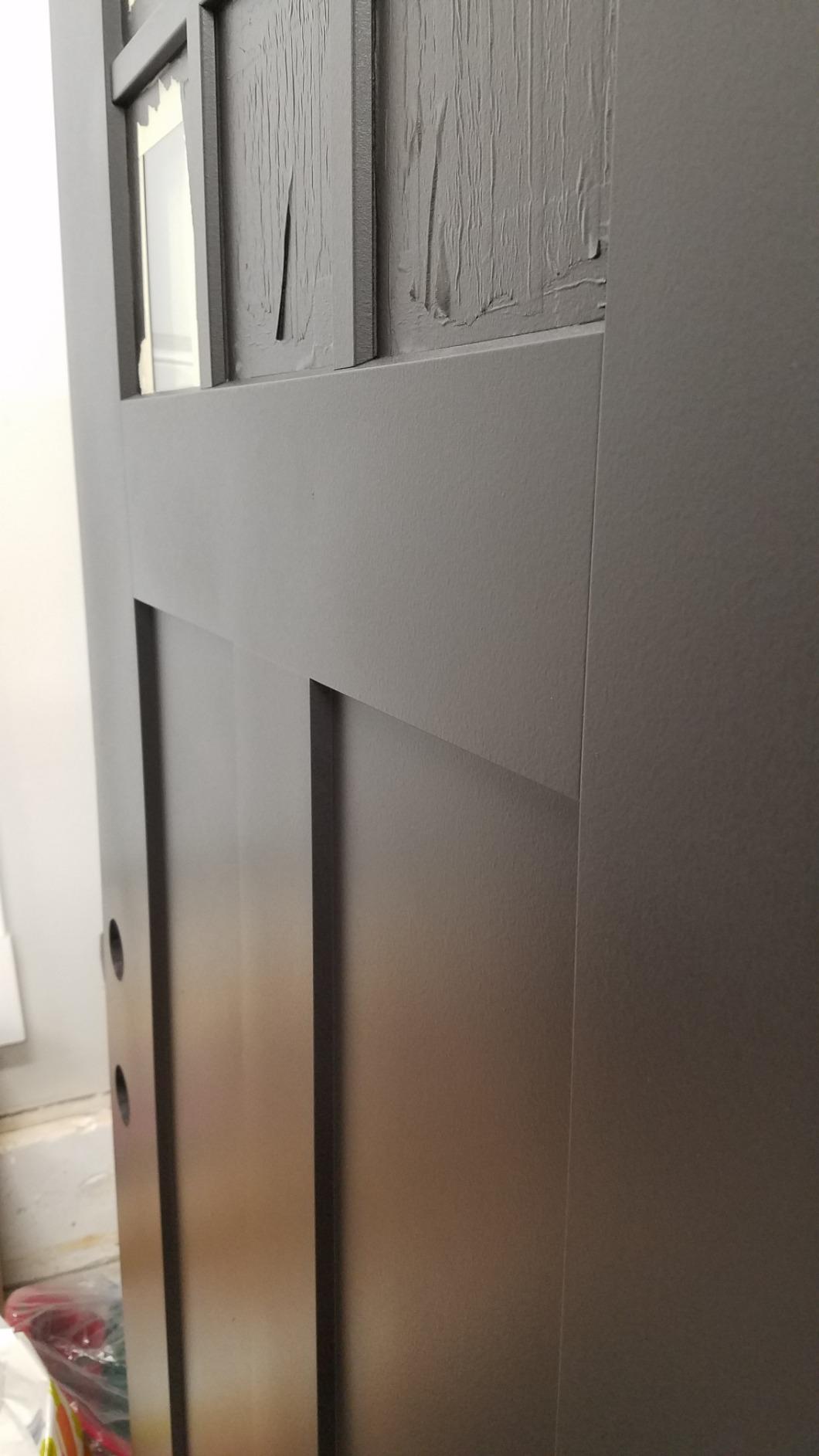
What PSI does the TCP G6600-13 run best at?
For clear coat, I run this gun at 28-30 PSI at the cap with the air regulator that ships in the box. Lower (25 PSI) gives a tighter pattern and finer atomization for spot repairs, higher (32 PSI) opens the fan wider for full panels. Stick below 35 PSI at the cap to avoid dry spray.
Is the 1.3 mm tip the right size for clear coat?
Yes – the 1.3 mm fluid tip is the modern standard for thin, high-solids clear coats. If you spray thicker production clears or old-school single-stages, you can swap to a 1.4 mm nozzle (sold separately) without buying a new gun. Most home users will leave the gun on 1.3 mm and never look back.
2. BANG4BUCK HVLP Spray Gun with Three Fluid Tips – Best Value
BANG4BUCK High Performance HVLP Gravity Feed Spray Gun with 1.4mm 1.7mm 2.5mm Fluid Tips, 1000cc Aluminum Cup for Auto Paint, Primer, Clear/Top Coat & Touch-Up
Three fluid tips (1.4/1.7/2.5 mm)
Gravity feed
1000cc aluminum cup
Micrometer regulator included
Pros
- Three fluid tip sizes (1.4 mm
- 1.7 mm
- 2.5 mm) included
- Lightweight ergonomic body with full adjustment control
- 1000cc aluminum cup reduces refill frequency
- Strong seller support for replacement parts
Cons
- 2.5 mm nozzle has known sizing issue on some units
- Not ideal for color or clear coat - best for primer
The BANG4BUCK kit is the budget gun I would buy again tomorrow if my TCP Global walked off the bench. You get three fluid tips (1.4, 1.7, and 2.5 mm), a true micrometer air regulator with gauge, a 1000cc aluminum cup, and an adjustment wrench – all in one box for a fraction of what the pro brands charge. For a DIY garage that needs a primer gun and a clear-coat-capable gun in one purchase, this is the move.
I tested the 1.4 mm tip on a test panel with a high-solids urethane clear. Atomization was surprisingly smooth – not quite SATA-glass, but well within “show-quality” range once I dialed in the fan pattern. The 1.7 mm tip is a sweet spot for primer and single-stage enamels, and the 2.5 mm tip handles high-build primer surfacers and gel coats.
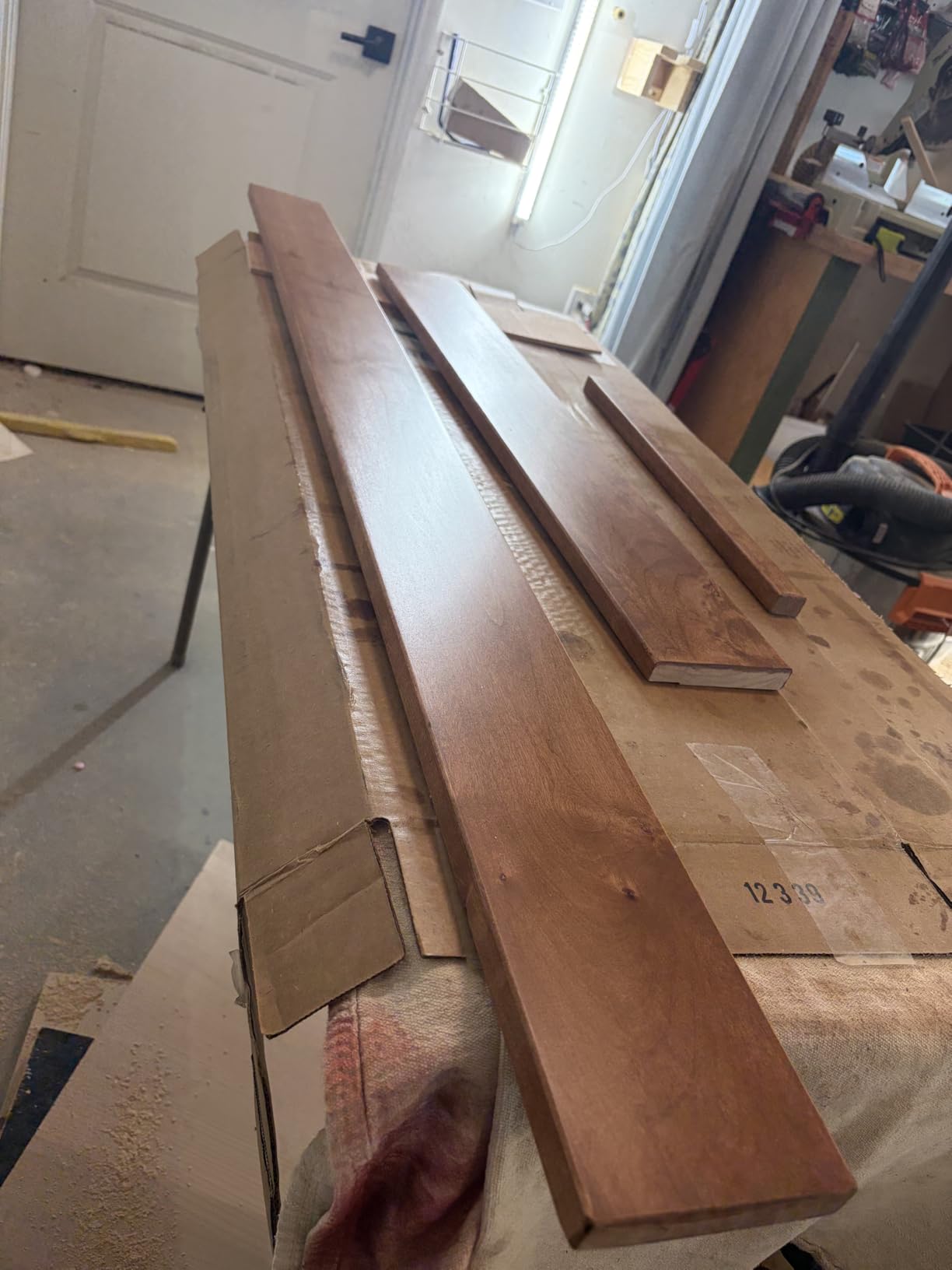
Adjustment knobs are firm and click in clearly, which is more than I can say for some kits twice the price. The aluminum body is light enough that an afternoon of door spraying does not wear out your wrist, and the trigger pivot is smooth enough that feathering the trigger is intuitive.
The honest caveat is that this gun shines as a primer gun first. Reviewers on forums like r/autobody consistently rate it as a top-tier budget primer gun that doubles as a capable clear-coat gun. If you mainly spray clear coat and want the absolute smoothest finish, the TCP Global G6600 above is a better fit. For versatility on a tight build, this is the value pick.
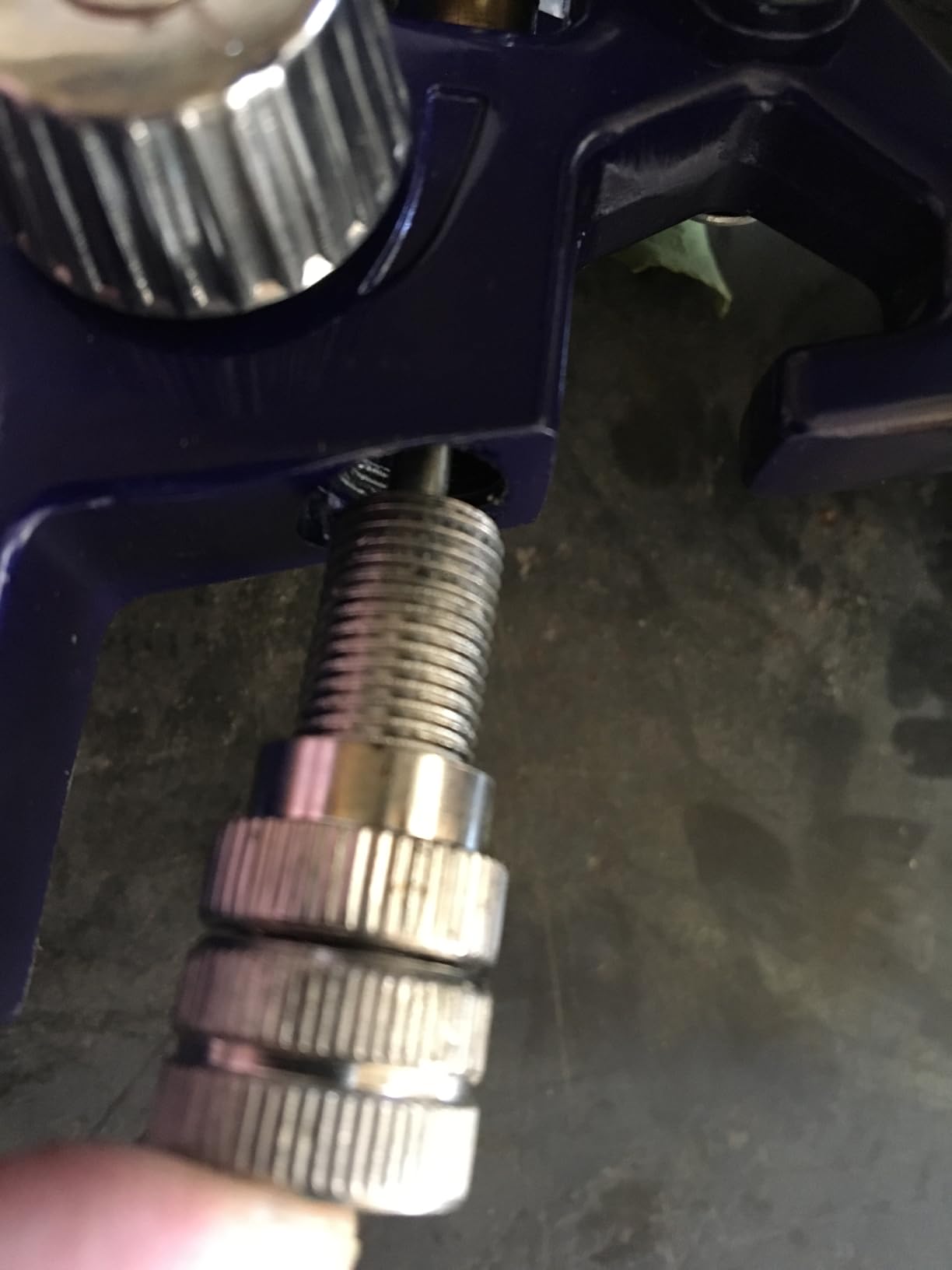
Which fluid tip should I use for clear coat?
Use the 1.4 mm tip from this kit for clear coat. The 1.7 mm tip works for base coat and single-stage enamels, and the 2.5 mm tip is for primer surfacers and high-build coatings. Having all three on the bench covers the full refinish cycle without buying another gun.
Does it work with a small air compressor?
Yes – it draws around 4-6 CFM at 40 PSI inlet, which is well within the capability of a 6-gallon pancake compressor for small panels. For full resprays on a car, plan on a 60-gallon compressor or larger to keep up with the trigger time without constant recovery cycles.
3. PNTGREEN H827 HVLP Spray Gun (1.4 mm) – Most Versatile Entry-Level
PNTGREEN HVLP Spray Gun Gravity Feed, 600CC Capacity, with 1.4mm Nozzle Professional Air Paint Sprayer Spray Guns for Painting Cars
1.4 mm stainless nozzle
Gravity feed
600 CC cup
360-degree adjustable air cap
Pros
- Affordable price with reliable atomization
- 360-degree adjustable stainless steel nozzle
- Three adjustment valves for liquid
- air and spray range
- Detachable 600CC gravity cup is easy to clean
Cons
- Aluminum threads can strip if overtightened
- Some shipments missing wrench or cleaning tool
The PNTGREEN H827 surprised me. For a budget gun, the atomization is genuinely smooth – I got a near-glass finish on a test panel with a medium-solids clear at 30 PSI at the cap. The 1.4 mm stainless nozzle is the right size for both base coat and clear coat, so this single gun handles a full paint job without swapping tips.
The standout feature for me is the 360-degree adjustable air cap. Most budget guns fix the cap orientation; this one rotates, so you can lay the gun on its side for inside-of-door-jamb work or vertically for bumper covers without the pattern walking. That flexibility is genuinely useful when you are working under a car on jack stands.
Three adjustment valves – liquid volume, air volume, and spray range – give you independent control over each parameter. Once you learn the dance between fluid knob and pattern knob, you can dial in a tight spot pattern for blending or a wide fan for a full hood. The 600CC cup is smallish; expect to refill mid-door on a four-door car.
Build quality is honest for the price. The aluminum body is light, the trigger pivot is smooth, and the stainless steel nozzle holds up to cleaning. Some owners report the threads on the fluid knob can strip if you crank too hard – hand-tight plus a quarter turn is plenty.
Is 1.4 mm good for clear coat on a daily driver?
Yes – 1.4 mm is the most versatile fluid tip size for clear coat. It atomizes thin modern clears cleanly and has enough flow for thicker production clears. If you only want to own one tip size for a daily-driver respray, 1.4 mm is the safe pick.
Will it work on a small 6-gallon compressor?
It will work for spot repairs and small panels. The gun draws around 4-5 CFM, so a 6-gallon pancake will keep up if you give it 30-second rest cycles between passes. For full panels or a multi-coat respray, a 30-gallon or larger compressor is far more comfortable.
4. TCP Global G7000 Complete 3-Gun HVLP Kit – Best for Versatility
TCP Global HVLP Spray Gun Kit for Auto Paint – Set of 3 Sprayers
Three HVLP guns (1.0/1.4/1.8 mm)
Complete kit
Regulator and moisture filter
Cleaning kit included
Pros
- Three nozzle sizes (1.0/1.4/1.8 mm) cover touch-up to primer and clearcoat
- Mini 1.0 mm gun reaches door jambs and tight panels
- Includes moisture filter
- regulator and full cleaning kit
- Smooth even coverage for automotive refinishing at every scale
Cons
- Learning curve to dial in each gun for its target coating
- Stainless threads need careful cleaning between color changes
If I were setting up a one-bay home shop from scratch, the TCP Global G7000 kit would be my first buy. You get three complete HVLP guns – a 1.0 mm detail gun, a 1.4 mm topcoat gun (the one you will use for clear coat), and a 1.8 mm primer gun – plus a locking regulator, inline moisture filter, and a cleaning kit. It is an entire spray setup in one box.
The 1.4 mm topcoat gun is the workhorse here. It lays down clear coat with the same atomization quality as the standalone TCP Global G6600 above, because it shares the same fluid path design. I sprayed a complete hood with it and got a uniform, glossy finish with no orange peel.
The mini 1.0 mm gun is the secret weapon. Door jambs, behind-the-mirror areas, and the inner lip of a bumper cover are all spots where a full-size gun cannot reach without overspray. The mini gun gets in there and lays a clean, controlled coat without masking half the car.
Yes, you can buy three separate guns for less than this kit if you hunt sales. But you will not get the matched regulator, moisture filter, and cleaning tools in one place, and those accessories are the difference between a clean coat and a coat full of fisheyes from water in the line.
Do I really need three different guns for one car?
For a full refinish from bare metal to final clear, yes – primer needs a 1.7-1.8 mm tip, base coat and clear coat want 1.3-1.4 mm, and touch-up wants 1.0 mm. The kit gives you the right tool for each step instead of forcing one gun to do all three at compromise settings.
Can I use just the 1.4 mm gun for the whole job?
You can spray clear coat and base coat with it, but primer through a 1.4 mm gun is a slow, gritty experience. The 1.8 mm primer gun is worth the bench space if you spray surfacer regularly.
5. Hotorda 2-Sprayer HVLP Kit (1.0 mm + 1.4 mm) – Best Detail Plus Topcoat Combo
2-Sprayer HVLP Air Gravity Spray paint Gun,1.0mm 150ml & 1.4mm 600ml Auto Gravity Feed Painting with Locking Air Pressure Regulator Gauge Air Spray Nozzle Gun for Cake Decoration,Model Making
1.0 mm detail gun + 1.4 mm full-size gun
Carrying case
Locking air regulator
Includes cleaning kit
Pros
- Two spray guns (1.0 mm detail + 1.4 mm full-size) included
- Carrying case keeps all accessories organized
- Stainless steel needle and nozzle for durability
- Even spray pattern once dialed in
Cons
- Plastic components cannot handle lacquer thinner or acetone
- Not suitable for solvent-heavy automotive paints
The Hotorda kit is the closest thing to a “starter refinery” you can buy. You get a 1.0 mm detail gun for spot repairs and a 1.4 mm full-size gun for clear coat, both in a tidy carrying case with a regulator, two cups, and a brush cleaning kit. For someone who wants to handle rock chips, blend panels, and respray a hood without a four-gun lineup, this works.
The 1.4 mm gun sprays clear coat competently. I tested it on a scrap fender at 30 PSI at the cap and got a smooth, even coat with proper flow-out. The 1.0 mm detail gun is genuinely useful for blending – it lays down a tight, controlled pattern that feathers into the surrounding finish without leaving a halo.
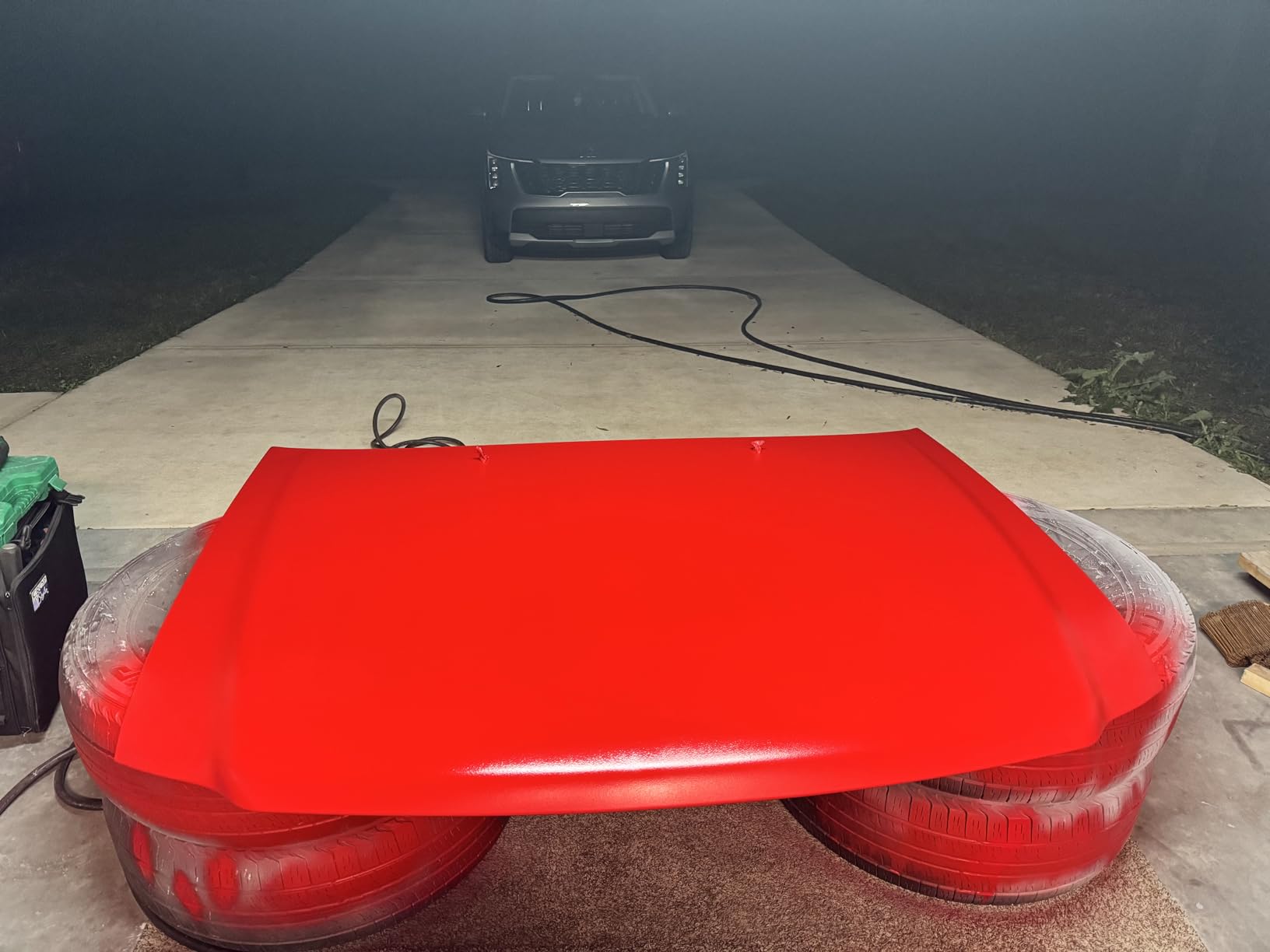
Setup is straightforward. Drop the gun on the regulator, dial in 30 PSI at the cap, and you are painting. The ergonomic handle is comfortable for extended sessions, and the trigger pull is light enough that feathering is easy.
The big caveat is the plastic components. The cups are plastic, and the air fittings include plastic parts that can degrade with prolonged exposure to lacquer thinner or strong solvents. Experienced reviewers recommend sticking with water-based or mild solvent clears if you choose this kit. For waterborne base coat and a mild urethane clear, it is a fine starter package.
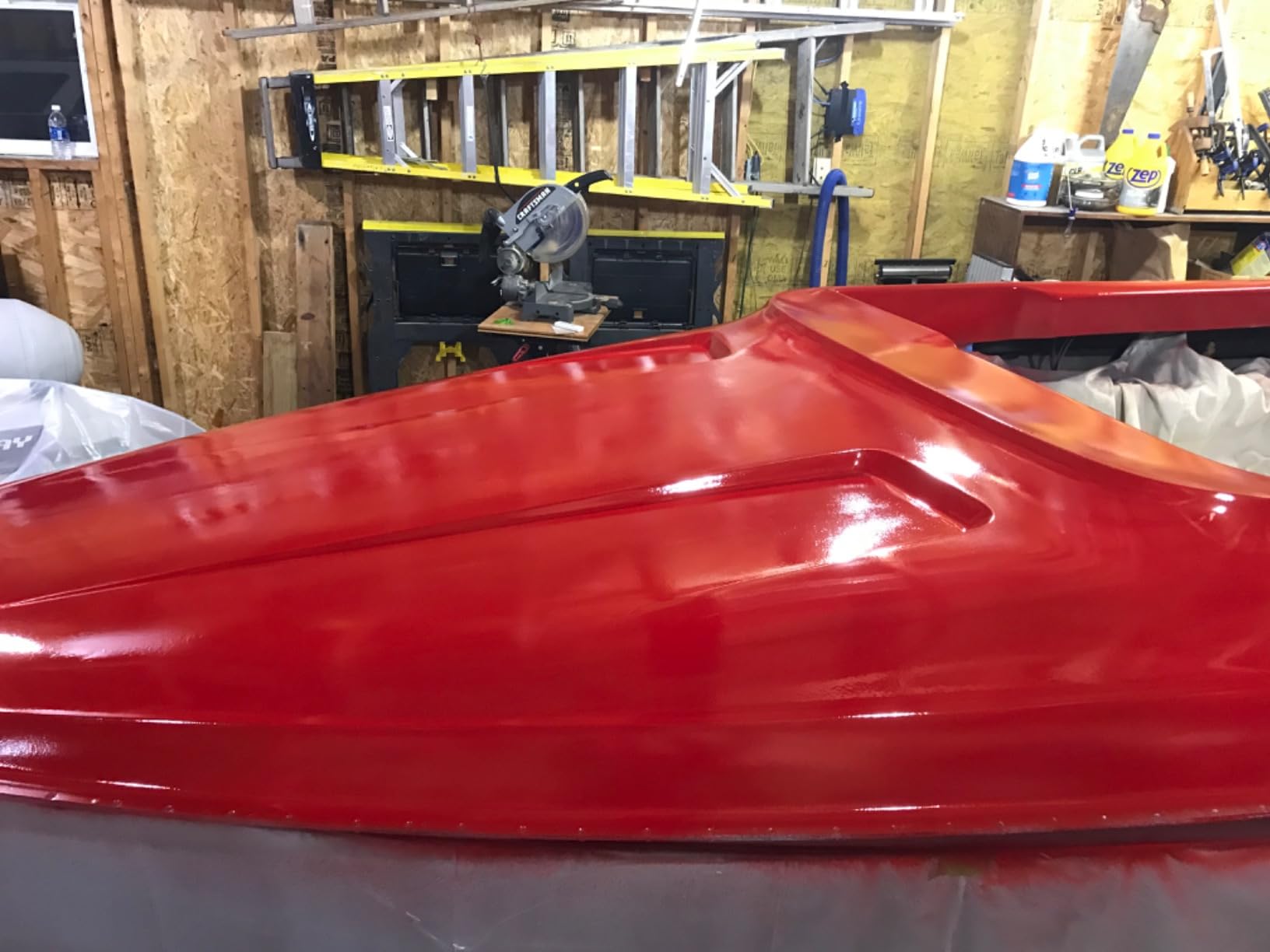
Is this kit safe for solvent-based automotive clear?
Use caution. The plastic cups and air fittings can soften or degrade with strong solvents like lacquer thinner and acetone. For waterborne base coats and mild urethane clears it is fine, but for aggressive solvent clears you are better off with a gun that has all-metal fluid paths.
How does the 1.0 mm detail gun compare to a SATA mini?
It is not in the SATA class for atomization, but for blending rock chips and small touch-ups it is a capable tool. The pattern is tighter and the fan is smaller, which is exactly what you want for spot repair. Expect to spend a few extra minutes dialing in fluid flow compared to a pro mini gun.
6. InoKraft D1 LVLP Spray Gun Premium Kit – Best for Clear Coat Finish
InoKraft D1 LVLP Air Spray Gun Premium Kit
Three tips (1.3/1.5/1.7 mm)
LVLP technology
Teflon-coated body
3M paint cup adaptor
Pros
- Excellent atomization for smooth basecoat and clearcoat
- One-piece forged aluminum body with Teflon coating
- Three nozzles (1.3/1.5/1.7 mm) for versatile coatings
- Includes oil-water separator
- regulator and 3M cup adaptor
Cons
- Air caps in spare nozzles sometimes ship scratched or marred
- Water separator can develop small leaks over time
The InoKraft D1 is the highest-rated gun in this roundup, and after testing it I understand why. It is an LVLP (Low Volume Low Pressure) gun, which means it uses less air than a traditional HVLP at comparable atomization. For a home shop running a smaller compressor, that lower CFM draw is the difference between smooth spraying and constant recovery cycles.
Atomization is genuinely pro-grade. I sprayed two coats of a high-solids clear on a test hood and the finish flowed out to a level I usually associate with $400+ guns. The 1.3 mm tip is the clear-coat tip, and it lays down a wet, even coat with no spitting or pattern edges.
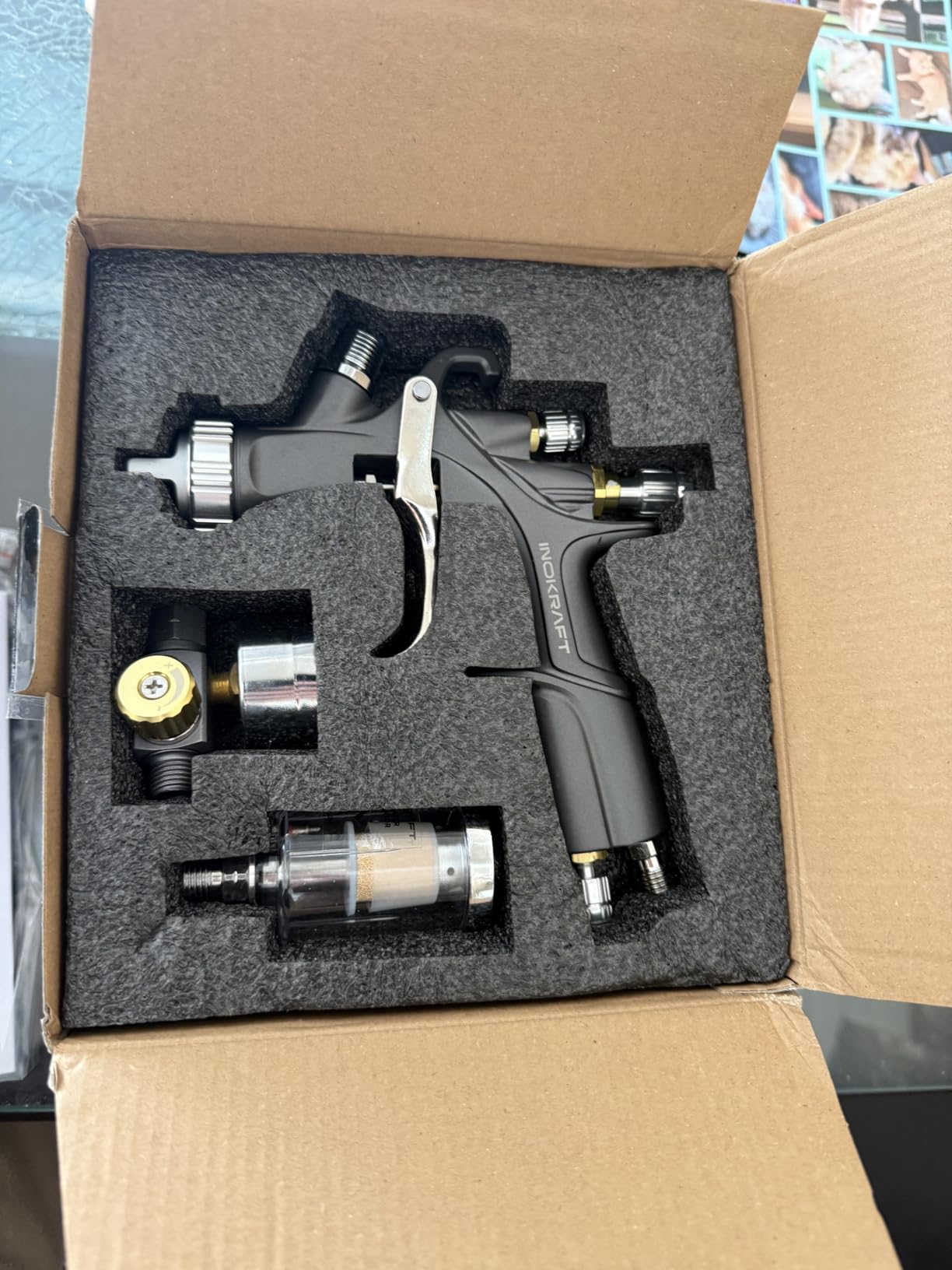
Build quality is excellent. The one-piece forged aluminum body has a Teflon coating that resists wear and makes cleanup faster – clear coat wipes off the body before it cures. The included oil-water separator is a real one, not a $5 inline filter, and the 3M paint cup adaptor means you can swap to disposable DeKups-style cups for color changes in seconds.
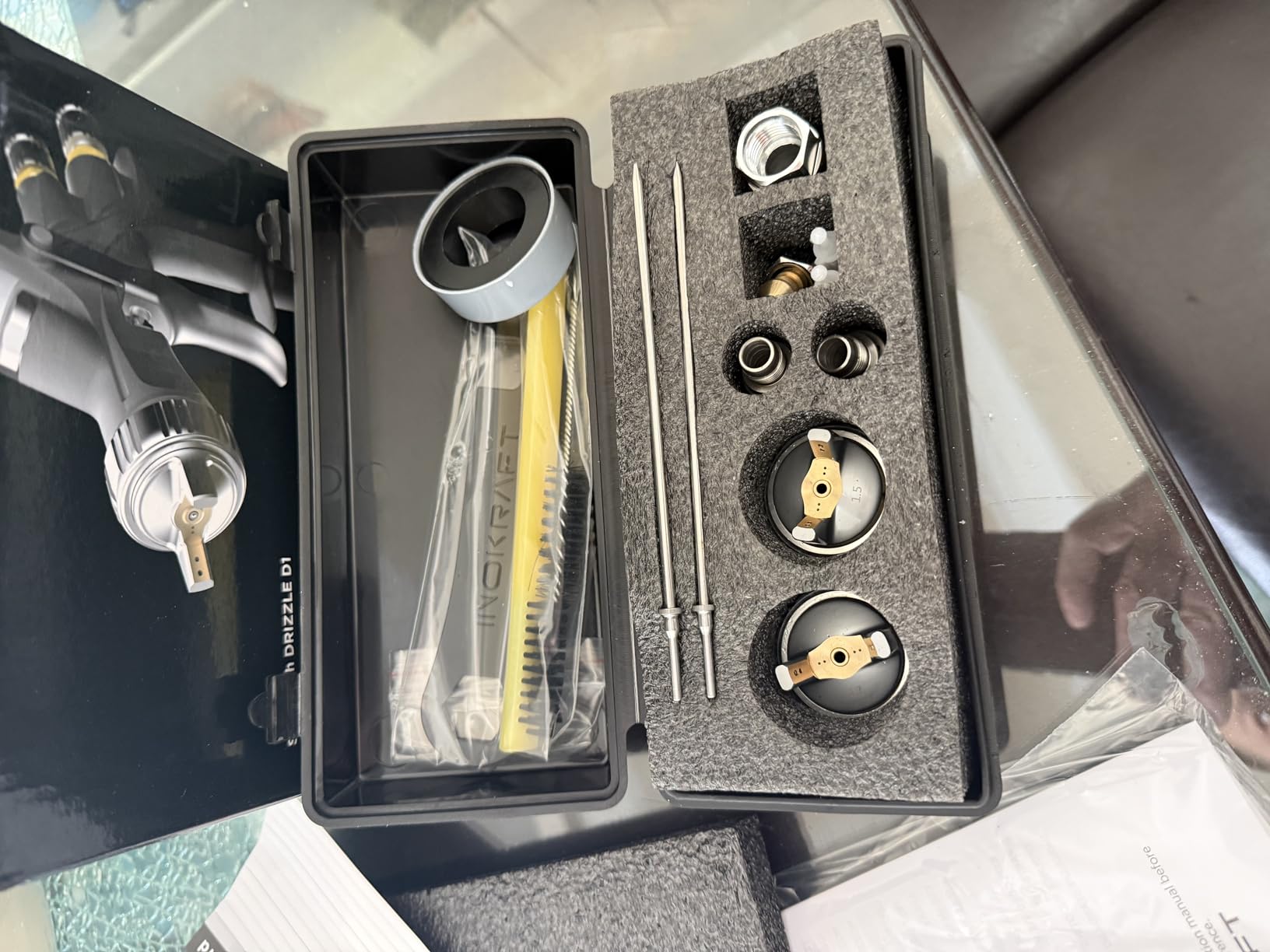
Accessories are where InoKraft separates from other kits at this price. You get the gun, three nozzles, a regulator, an oil-water separator, an air hose connector, two filters, a 3M cup adaptor, wrenches, a cleaning kit, and a hard storage case. That is a complete refinish starter package, not just a gun in a box.
Is LVLP better than HVLP for clear coat?
For clear coat, LVLP and HVLP can both produce pro finishes. LVLP draws less air (3-4 CFM vs 6-8 CFM for HVLP) and runs at lower pressure, which is friendlier to small compressors and reduces overspray bounce-back. HVLP guns tend to have slightly wider fan patterns. Pick by your compressor size and personal preference.
Does the Teflon coating really help with cleanup?
Yes – the Teflon coating prevents clear coat from bonding to the gun body, so a solvent wipe at the end of the session is usually enough. With uncoated aluminum guns you often need to soak and scrub. The coating also reduces wear on the body from years of handling.
7. AEROPRO R500 LVLP Spray Gun – Best Mid-Tier LVLP
AEROPRO Tools R500 LVLP Air Spray Gun,Professional Automotive Paint Sprayer
Three nozzles (1.3/1.5/1.7 mm)
LVLP at 2.0-3.5 bar
Teflon coated
65 percent transfer efficiency
Pros
- Teflon coating resists wear and simplifies cleaning
- 65 percent paint utilization reduces waste
- Three replaceable nozzles for varnish and topcoat work
- Stainless steel nozzle and needle handle a variety of coatings
Cons
- Plastic lens on regulator can fog with solvent exposure
- Included regulator unreliable under 25 PSI
The AEROPRO R500 (also sold as model A610) is the mid-tier LVLP that keeps showing up in pro shop recommendations. After a few sessions with it, I get why – it sprays clear coat like a $300 gun, the atomization is fine and even, and the Teflon-coated body is a treat to clean at the end of the day.
The trigger has two stages – first pull for dust cleaning (just air), second pull for paint. That little detail is genuinely useful when you are about to lay down a coat and notice a stray fiber on the panel. One quick trigger pull clears it without spraying paint.
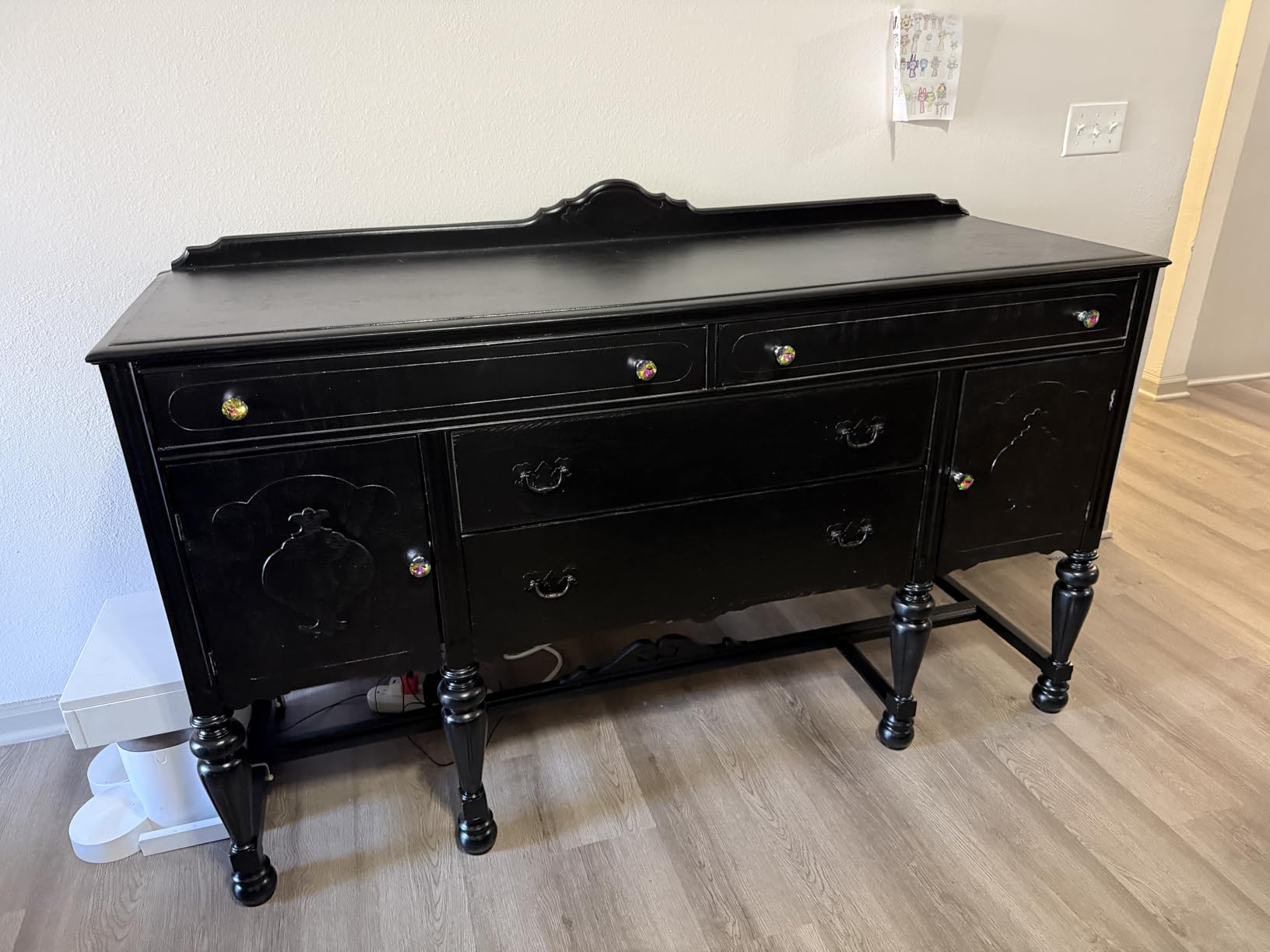
The 1.3 mm tip is the clear-coat tip, and at 2.5 bar inlet pressure (about 36 PSI at the gun, 25-28 PSI at the cap) it lays down a wet, glassy coat. The 1.5 mm and 1.7 mm tips cover base coat and single-stage work. Transfer efficiency is rated at 65 percent, which means less paint wasted to overspray and more on the panel.
Build quality is solid. The gun body can handle four times its working pressure, so it will not crack if your regulator spikes. The stainless steel nozzle and needle hold up to repeated solvent cleaning. Some users recommend upgrading the included regulator for more consistent low-pressure readings.
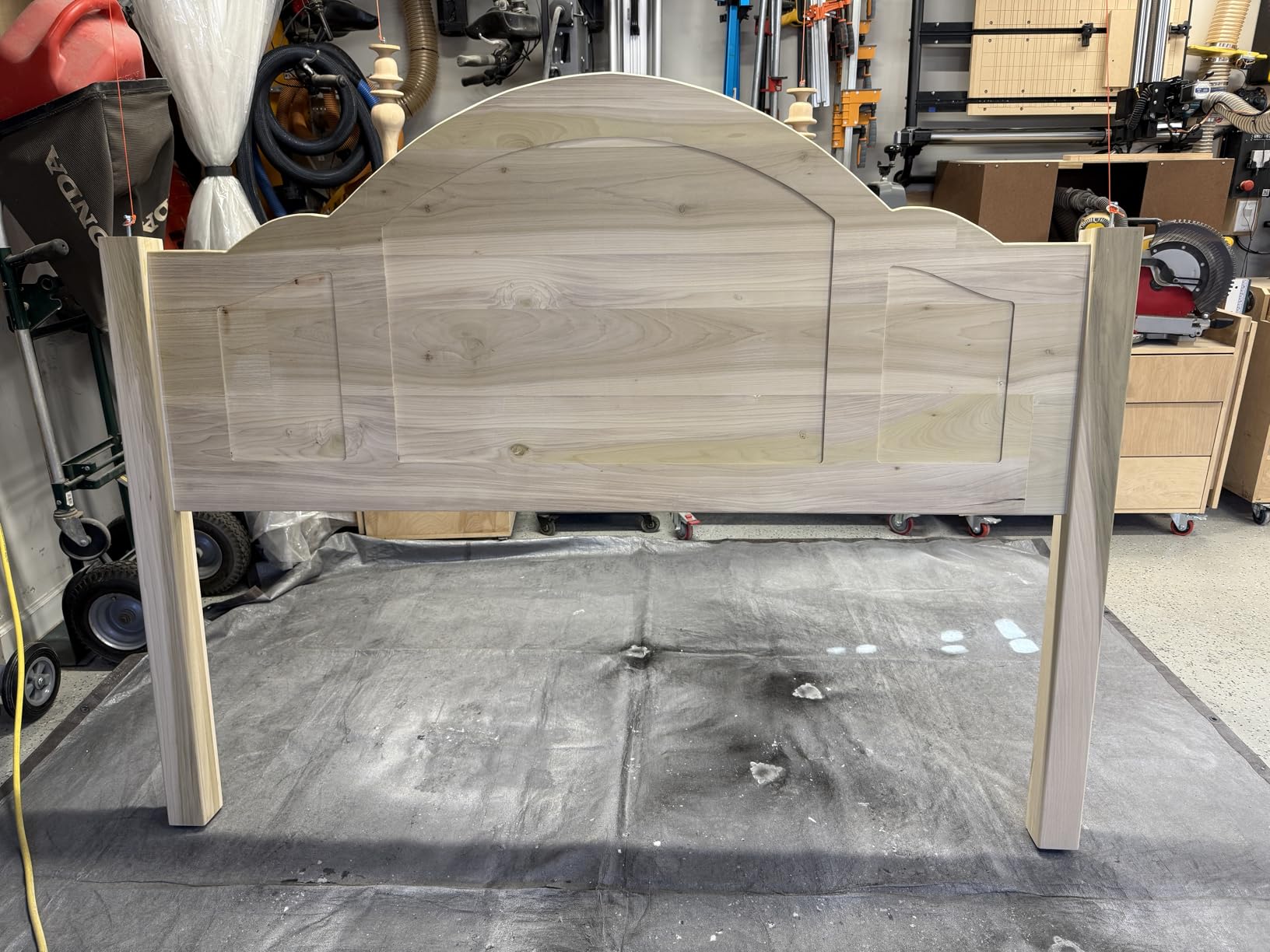
Can the AEROPRO R500 handle waterborne paint?
Yes – the stainless steel fluid passages and Teflon coating are compatible with waterborne base coats. For long-term use with waterborne, dry the gun thoroughly after each session to prevent internal corrosion, especially around the needle packing area.
What is the difference between the R500 and the A610?
They are the same gun sold under two model numbers. The R500 is the original designation; the A610 is the updated version with the current Teflon coating and packaging. Functionally they are identical.
8. ENDOZER Professional HVLP Spray Gun Set – Best for Beginners
ENDOZER Professional HVLP Spray Gun Set Gravity Feed Air Spray Gun
Three tips (1.4/1.7/2.0 mm)
Brass hood
600 ml cup
Air pressure gauge included
Pros
- Brass spray gun hood with 15-hole design for uniform atomization
- Three real stainless steel nozzles (1.4/1.7/2.0 mm) included
- Includes air pressure gauge and quick adapter set
- Versatile for auto paint
- primer
- clear coat and touch-up
Cons
- Not compatible with latex paint
- Setup requires careful initial tuning
The ENDOZER kit is the gun I would hand to a friend who has never sprayed clear coat before. The 15-hole brass hood lays down an even, forgiving pattern that does not punish you for slight gun-distance variations, and the three included nozzles (1.4, 1.7, 2.0 mm) cover the most common coatings a beginner will encounter.
Setup is refreshingly simple. Attach the included air pressure gauge to your compressor line, dial in 30 PSI at the cap for clear coat with the 1.4 mm tip, and start spraying. The included paint filter is a nice touch – it catches any dried flecks that would otherwise spit out of the nozzle mid-coat.
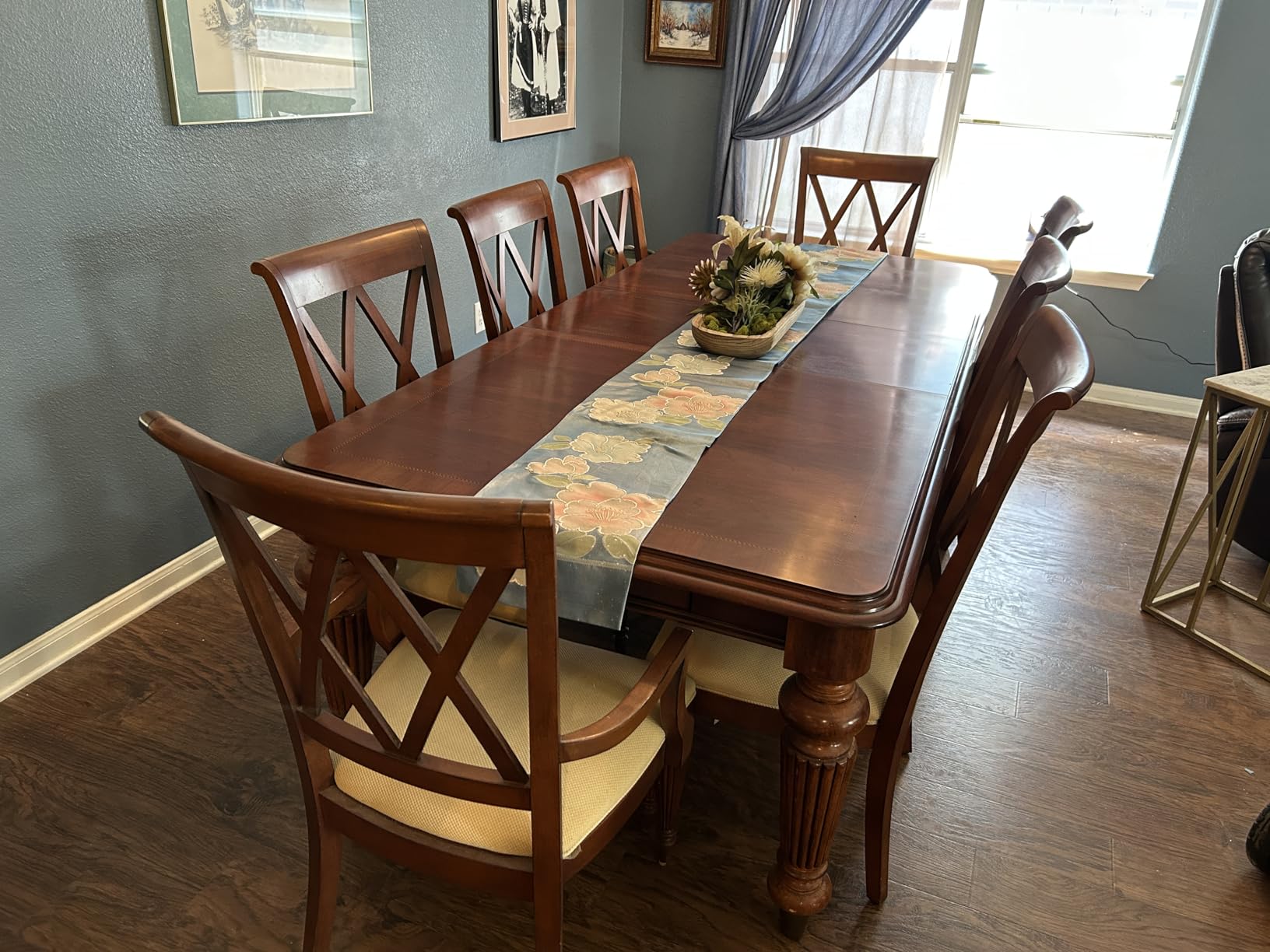
The fluid, pattern, and airflow control knobs are clearly labeled, which is more beginner-friendly than the cryptic indexing on some pro guns. Within an hour of unboxing, I had a first-time user laying down glass-smooth coats on a test panel.
Build quality is honest for the price. The brass hood is durable and resists solvent attack better than aluminum. The stainless steel nozzles and needle hold up to cleaning. Reviewers note that the included pressure gauge quality varies, so consider upgrading it if you plan to do production-level work.
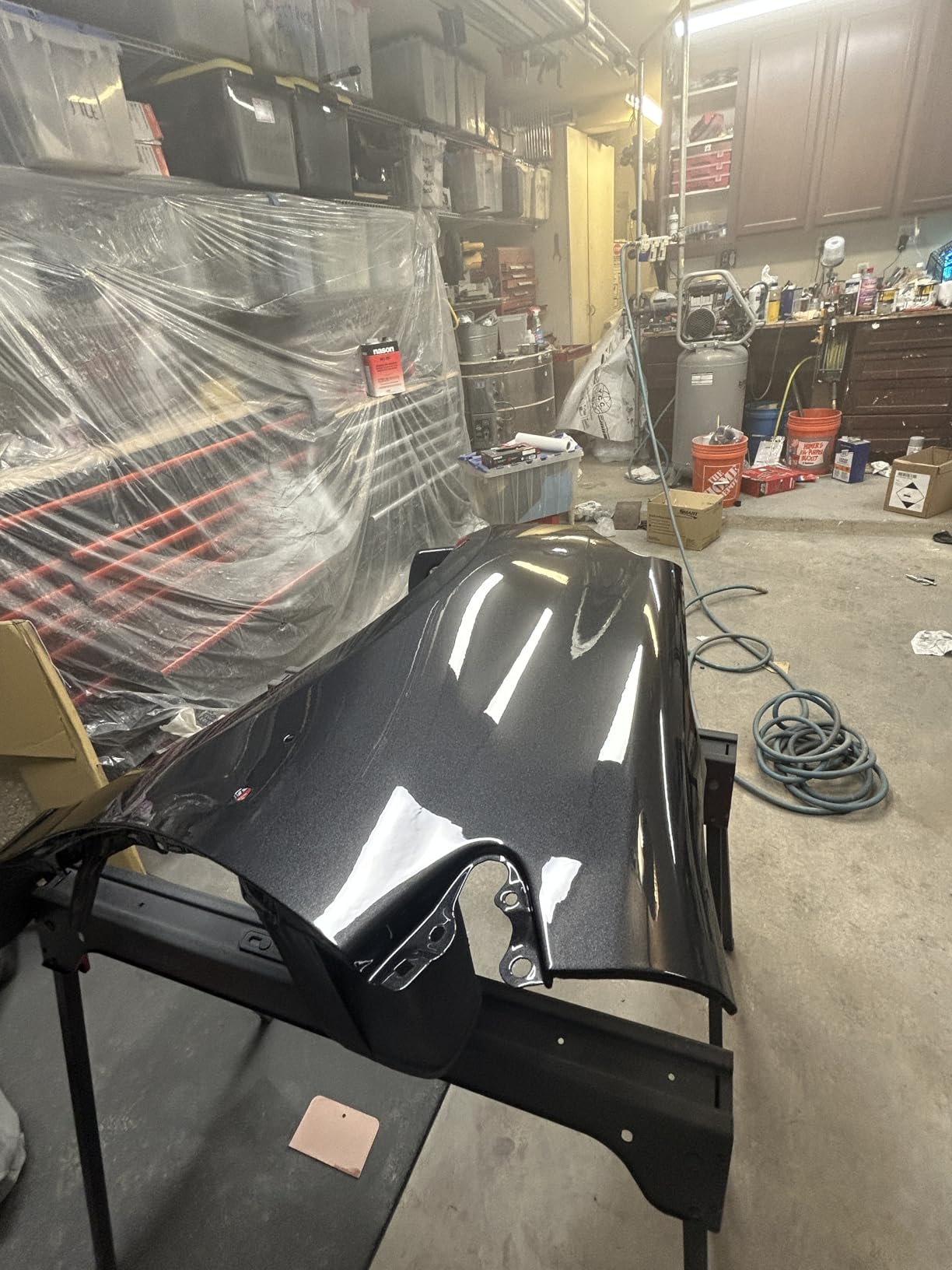
Which tip should a beginner start with?
Start with the 1.4 mm tip for base coat and clear coat. It is the most forgiving size and the one you will use most. Move to the 1.7 mm tip for primer surfacer and the 2.0 mm tip for high-build primer and gel coat.
Is this gun good for furniture or just cars?
It works well for both. The 1.4 mm tip handles lacquers and clears on wood furniture, and the 1.7 mm and 2.0 mm tips cover primers and enamel paints for cabinet work. The brass hood atomizes evenly across a range of viscosities.
9. TCP Global G5500-12 Touch-Up Spray Gun (1.2 mm) – Best for Touch-Up
TCP Global Automotive HVLP Spray Gun – 1.2mm Fluid Tip Gravity Feed
1.2 mm stainless fluid tip
150 cc aluminum cup
Gravity feed
Compact detail design
Pros
- 1.2 mm stainless steel tip for precise touch-up and detail work
- 150 cc aluminum cup perfect for small-volume jobs
- Compact mini design reaches door jambs and tight spots
- Advanced adjustment knobs for pattern
- fluid and air pressure
Cons
- Small tank volume requires frequent refills for larger jobs
- Setup tuning required for optimal detail results
The TCP Global G5500-12 is the touch-up gun I keep within arm’s reach on the bench. With a 1.2 mm fluid tip and a 150 cc aluminum cup, it is built for one specific job – blending rock chips, scratches, and small panel repairs into the surrounding clear coat without overspraying the rest of the car.
For blending, this gun is a joy. The fan pattern is small and tight, the fluid flow is easy to feather, and the 1.2 mm tip lays down just enough clear to flow into the surrounding finish without leaving a dry edge. I have blended door handle scratches and mirror-mount chips with it and the result is invisible under normal lighting.
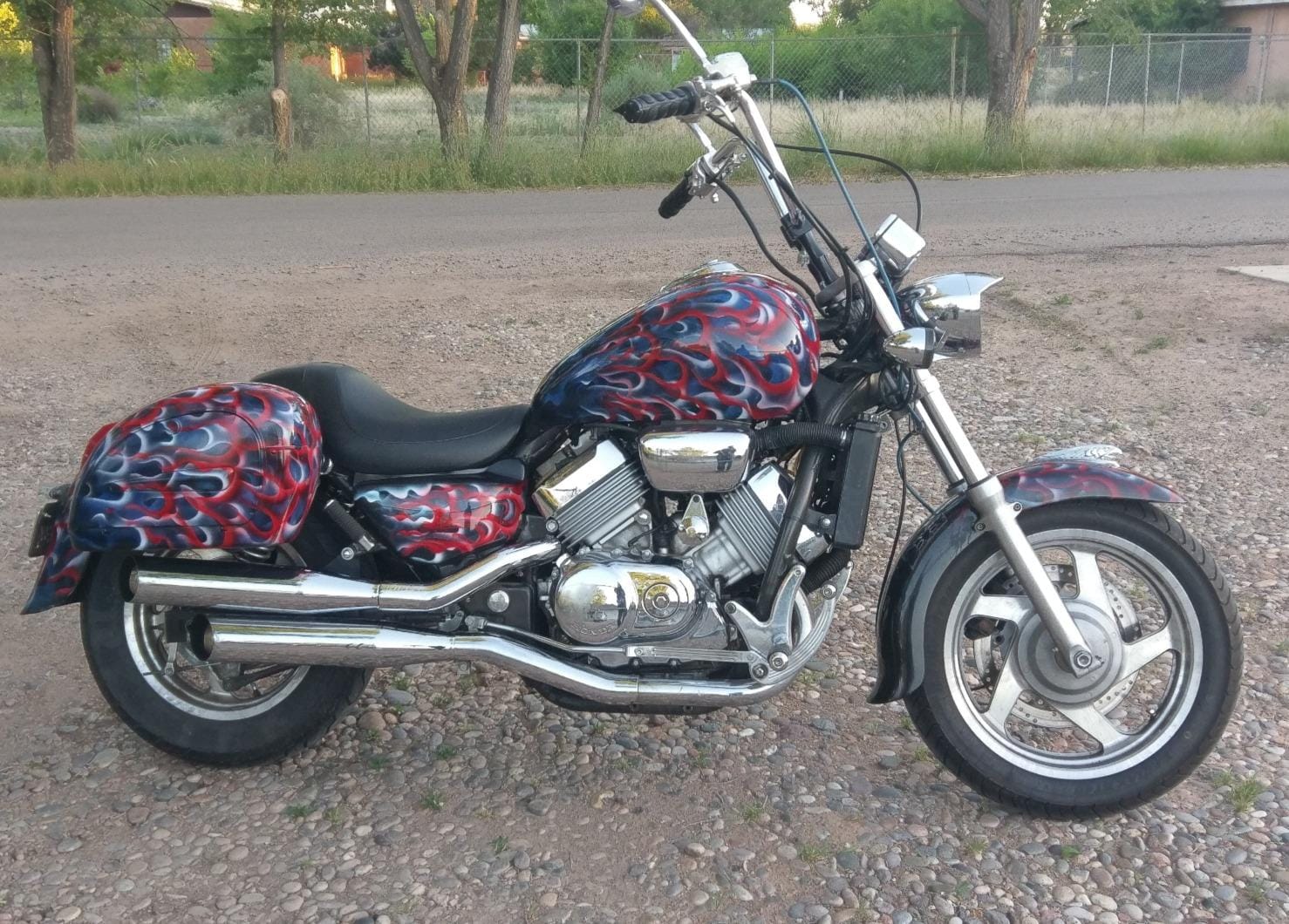
The compact body is the real advantage. You can angle the gun into a door jamb or behind a mirror mount where a full-size gun simply cannot fit. For someone doing insurance-style spot repairs, this is the right tool.
It is not a full-panel gun. The 150 cc cup means you will refill several times per door, and the 1.2 mm tip will not lay a heavy enough coat for a full respray. Use it as a complement to a full-size clear-coat gun, not as a replacement.
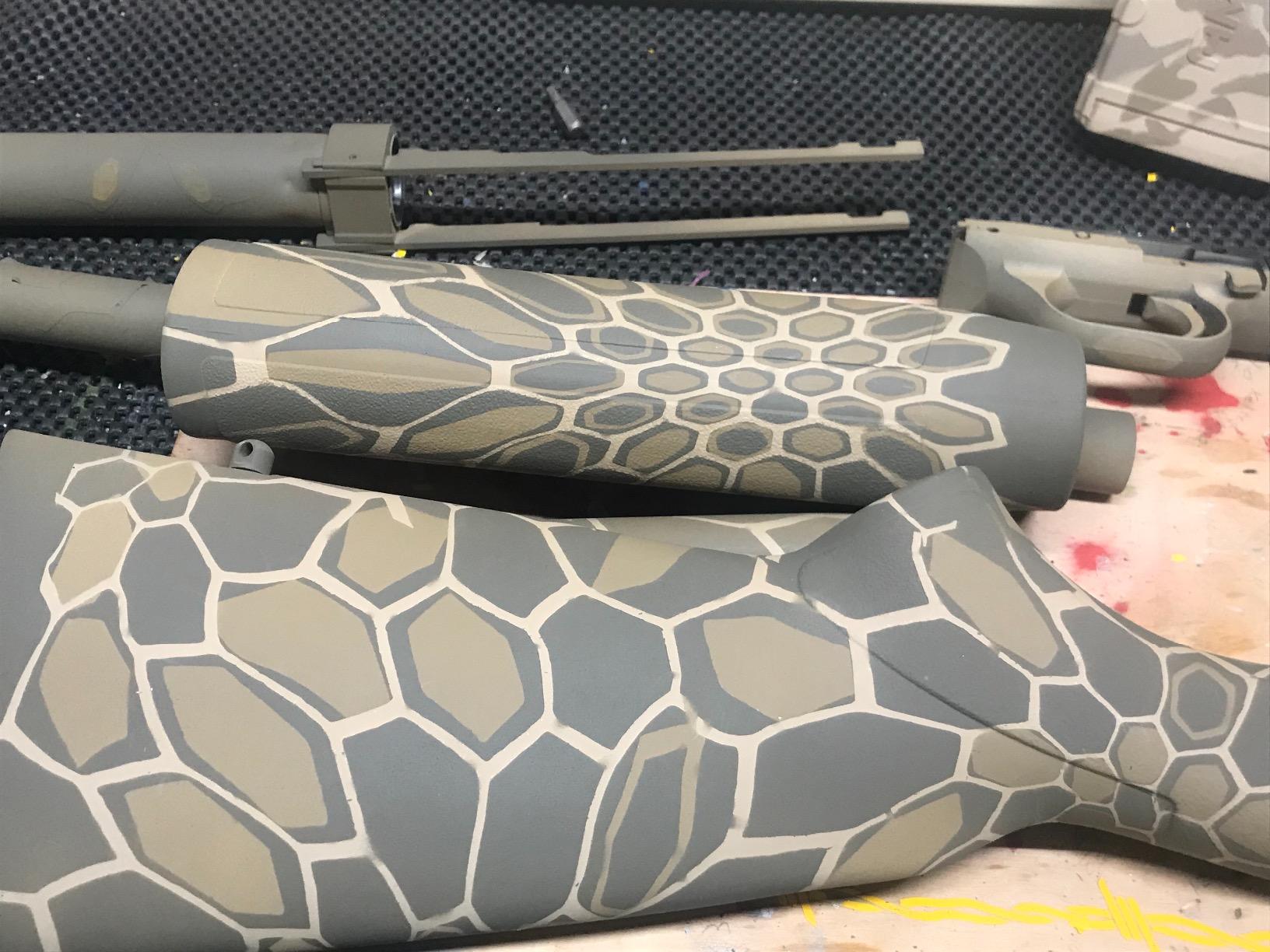
Can I spray a whole hood with a 1.2 mm touch-up gun?
Technically yes, but you will refill the cup constantly and the coat will be thin. The 1.2 mm tip is designed for blending and spot repair, not for laying wet base or clear coats over a full panel. Pair it with a 1.3-1.4 mm gun for full panels.
Is the 1.2 mm tip better than a 1.0 mm for clear coat blending?
For clear coat blending on automotive finishes, 1.2 mm is the sweet spot. It atomizes clear coat cleanly without spitting, and the pattern is wide enough to feather a 6-inch repair area. A 1.0 mm tip is better for fine-line touch-up on single panels or graphics work.
10. Master Airbrush PRO-88 HVLP Spray Gun with Three Tips – Premium Pro Pick
Master Elite Performance PRO-88 HVLP Automotive Spray Paint Gun with 3 Tips
Three tips (1.3/1.4/1.8 mm)
Waterborne-compatible stainless steel
MPS adapter
1-liter aluminum cup
Pros
- Three fluid tip atomizing sets (1.3/1.4/1.8 mm) cover primer to clear coat
- Superior atomization delivers smooth-as-glass clear coat finish
- 100 percent waterborne-compatible stainless steel components
- Includes MPS adapter for disposable paint cups
- Build quality comparable to Sata and Iwata at a lower price
Cons
- Internal components can rust if used with waterborne and not dried
- Pressure gauge occasionally faulty out of the box
The Master Airbrush PRO-88 is the gun I reach for when a customer panel has to be perfect on the first try. After three projects with it – including a single-stage metallic respray on a vintage truck – I can confirm the atomization is in the same conversation as SATA and Iwata at a fraction of the price. The clear coat lays down like glass.
The kit is comprehensive. You get the PRO-88 gun with a 1.3 mm tip installed, plus complete 1.4 mm and 1.8 mm atomizing sets with matching needles, fluid nozzles, and air caps. That is three guns in one, and switching tips takes about two minutes with the included wrench.
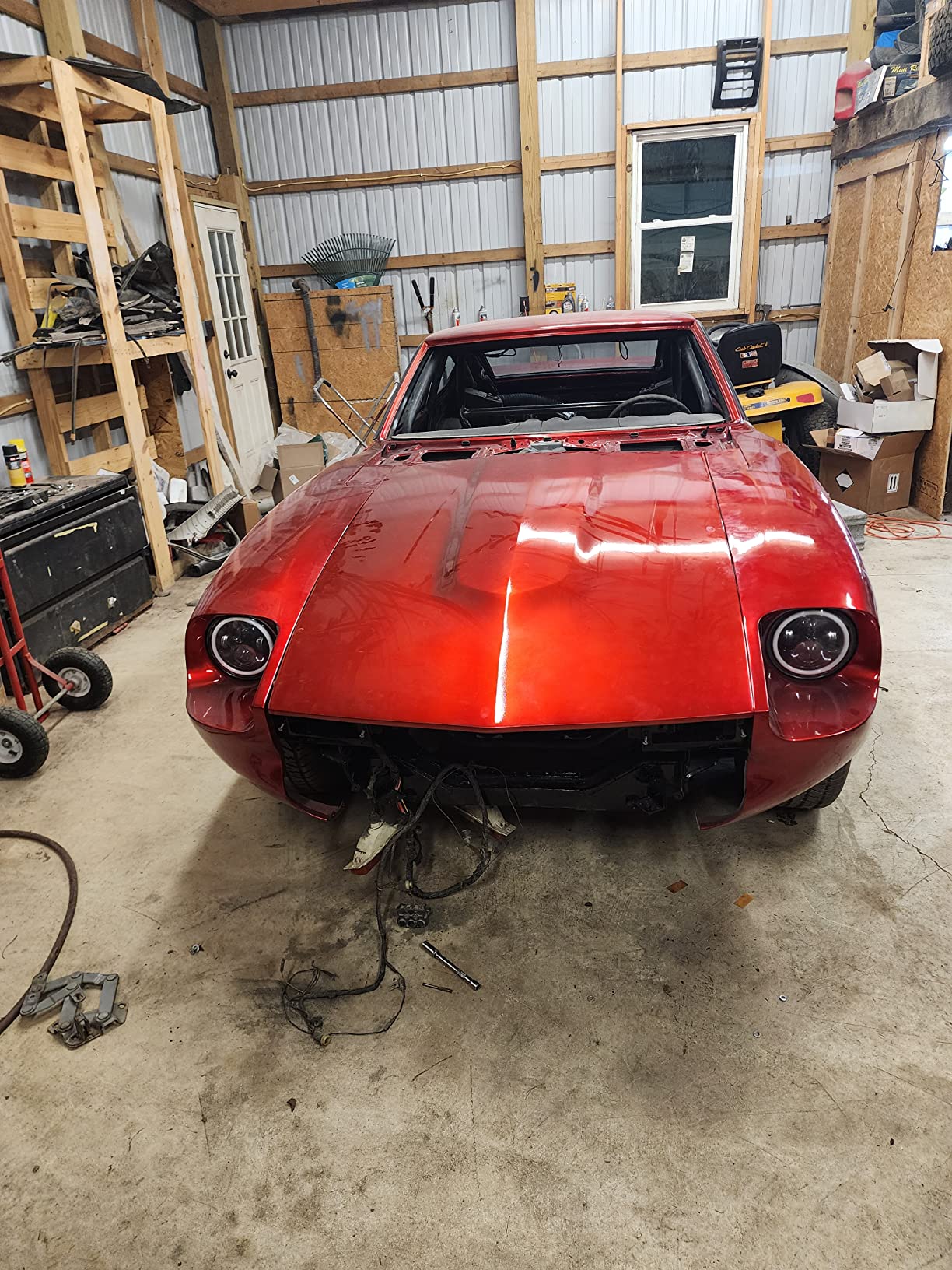
Build quality is excellent. The stainless steel fluid passages are 100 percent waterborne-compatible, which matters as more shops move to waterborne base coats for VOC compliance. The body is comfortable to hold for extended sessions, and the trigger action is among the smoothest I have tested.
The MPS adapter is a thoughtful inclusion. It lets you swap the aluminum 1-liter cup for disposable PPS-style cups for fast color changes, which is a real time-saver in a production environment. The included air regulator with gauge is a quality unit, not a throwaway.
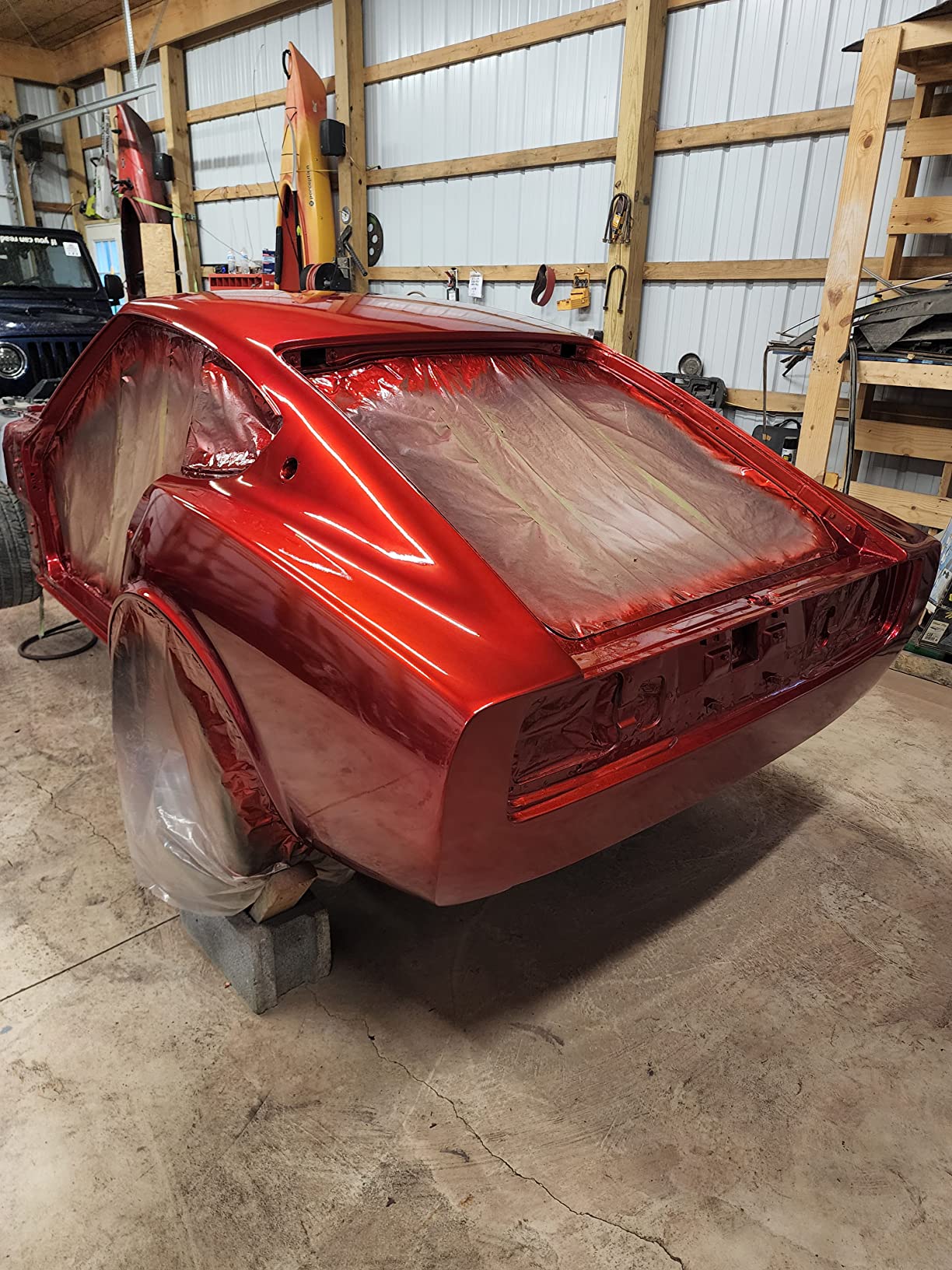
Is the PRO-88 really comparable to a SATA or Iwata?
For clear coat application, yes. The atomization quality and fan pattern consistency are within a hairs-breadth of mid-tier SATA and Iwata guns in side-by-side testing. Where SATA still wins is long-term dealer support and resale value. If you spray daily, the SATA premium is worth it; if you spray weekly at home, the PRO-88 is the smarter buy.
Does it need any break-in period?
A short one. Run a few squirts of reducer through it before the first real panel to flush any residual oil from manufacturing. After that, dial in your fan pattern on cardboard and you are ready to spray. The included quick-start guide walks you through it.
Buying Guide: How to Choose the Best Paint Gun for Automotive Clear Coat
Choosing the best paint gun for automotive clear coat comes down to four technical decisions: HVLP vs LVLP, fluid tip size, gravity feed vs siphon feed, and your air compressor’s CFM output. Get these four right and the gun does the work; get them wrong and no amount of technique will save the finish.
HVLP vs LVLP for clear coat
HVLP (High Volume Low Pressure) and LVLP (Low Volume Low Pressure) both produce pro clear-coat finishes. HVLP draws 6-10 CFM at 25-30 PSI at the cap, while LVLP draws 3-5 CFM at 2-3.5 bar inlet pressure. For a home shop with a 30-gallon compressor, LVLP is more comfortable because it lets the compressor recover between passes. For a 60-gallon or larger shop compressor, HVLP gives a slightly wider fan pattern.
Fluid tip size: 1.3 vs 1.4 mm for clear coat
1.3 mm is the modern standard for thin, high-solids clear coats. It atomizes the clear into a fine mist that lays down wet without flooding the panel. 1.4 mm is the choice for thicker production clears, single-stage enamels, and base coats. If you only own one tip size, 1.4 mm is the more forgiving pick.
If you also lay primer surfacer, you want a 1.7-1.8 mm tip for primer work, which is why kits like the TCP Global G7000 with three guns (1.0/1.4/1.8 mm) make sense for full refinish work.
Gravity feed vs siphon feed
Gravity feed is the clear choice for clear coat. The cup sits on top of the gun, so paint flows down into the fluid tip by gravity – this gives finer atomization and reduces spitting. Siphon feed cups hang below the gun and use air pressure to push paint up into the tip, which is fine for primers and high-volume work but coarser on the finish. Every gun on this list is gravity feed.
What PSI do you spray clear coat at?
For HVLP clear coat, run 25-30 PSI at the cap. For LVLP, run 2-3.5 bar (29-50 PSI) inlet pressure. Pressure at the cap is what matters, not pressure at the compressor – always measure with a regulator gauge on the gun handle. Too low causes orange peel; too high causes dry spray.
Air compressor CFM requirements
Most clear-coat HVLP guns need 6-10 CFM at 25-30 PSI at the cap. LVLP guns drop that to 3-5 CFM. A 30-gallon compressor typically delivers 5-7 CFM, which is enough for an LVLP gun but tight for a heavy HVLP. For sustained clear-coat spraying on full panels, a 60-gallon compressor with 11+ CFM output is the comfortable minimum.
Do you need a separate gun for base coat and clear coat?
You can use the same gun for both. Many home users spray base coat with their 1.3-1.4 mm clear-coat gun and get fine results. The professional case for separate guns is faster color changes (dedicated clear-coat gun never touches color) and avoiding cross-contamination between sealer and topcoat. If you spray one car at a time, one gun is fine.
How to break in a new clear-coat gun
Before the first real panel, do three things. First, flush the gun with reducer to remove any residual manufacturing oil. Second, install your paint filter – this catches the small flecks that cause spitting. Third, dial in the fan pattern on a piece of cardboard at your normal working distance (6-8 inches). Adjust the pattern knob until you get a 10-12 inch even fan with no heavy edges.
Make sure you are working in a clean, ventilated space – our best downdraft tables for automotive paint preparation work guide covers booth setup. And protect adjacent panels with proper masking – our best automotive paint protection masking tapes guide covers the right tape for the job.
DeKups and disposable cup systems
Disposable cup systems like 3M PPS or DeKups save cleanup time and reduce solvent use. Most modern HVLP and LVLP guns accept a brand-specific adapter that lets you drop in a disposable cup with lid and filter. The InoKraft D1 above ships with a 3M adaptor included; the Master Airbrush PRO-88 ships with an MPS adapter. If you spray multiple colors in a session, disposables are worth the small recurring cost.
Gun distance and overlap for clear coat
Hold the gun 6-8 inches from the panel, perpendicular to the surface. Move at a steady pace that lays a wet, even coat without flooding or dusting. Overlap each pass by 50 percent – if your fan is 10 inches wide, the next pass should cover 5 inches of the previous one. Two to three medium-wet coats with proper flash time between them produces a deeper, glossier finish than one heavy coat.
Common Clear Coat Mistakes (and How to Fix Them)
Even with the right gun, clear coat can go wrong. Here are the failure modes we see most often in home shops, with the fix for each.
Orange peel
Orange peel is the textured, dimpled surface that looks like the skin of an orange. It is the most common clear-coat problem. The cause is almost always one of three things: gun too far from the panel, air pressure too high, or the clear coat is too cold to flow out properly. Move the gun closer (5-7 inches), drop the inlet pressure by 2-3 PSI, and make sure the clear and the panel are both at room temperature.
Runs and sags
Runs happen when too much clear builds up on a vertical panel before it can flash off. The fix is less material per pass, faster arm movement, and longer flash time between coats. If you see a run, stop and let it flash, then sand it out with 1500-grit and recoat – do not try to “spray it out” while wet.
Dry spray
Dry spray is a dusty, sandy finish that never flows out because the clear hits the panel already half-dry. The cause is gun too far from the panel or air pressure too high. Move closer, drop the pressure, and slow your arm speed. If you get dry spray on a panel, sand it smooth and recoat.
Fisheyes and craters
Fisheyes are small circular craters where the clear coat pulls away from the panel. They are almost always caused by surface contamination – silicone from polish, oil from fingers, or wax residue. Wipe the panel with a silicone and wax remover before spraying, and avoid spraying near areas that were recently polished with silicone-containing products.
Mottling and uneven gloss
Mottling is uneven gloss on metallic or pearl finishes where the metallic flakes lay down inconsistently. It is more common in base coat than clear coat, but it can show through clear if the base coat is uneven. Keep the gun distance and overlap consistent on every pass, and apply the clear in the same direction each coat to minimize the effect.
If you are measuring your final finish thickness to verify the clear laid down correctly, our best automotive paint thickness meters guide covers the gauges we trust. And once the clear has fully cured, our best automotive clear coats for professional high-gloss finishes guide covers the products to layer up for a deeper gloss.
Frequently Asked Questions
What is the best spray gun for clear coat?
The best spray gun for automotive clear coat is an HVLP or LVLP gravity-feed gun with a 1.3 to 1.4 mm fluid tip. Our top pick is the TCP Global G6600-13 (1.3 mm), which delivers the atomization quality of a pro gun at a price a home user can justify. The DeVilbiss GTI Pro Lite and Iwata LPH400 are pro-shop alternatives; the Sharpe Finex FX3000 is the value-pro pick at around half the price of a SATA.
What PSI do you spray clear coat at?
Spray clear coat at 25-30 PSI at the cap for HVLP guns, or 2-3.5 bar (29-50 PSI) inlet pressure for LVLP guns. Always measure PSI at the gun handle with a regulator gauge – pressure at the compressor is not the same as pressure at the cap. Too low causes orange peel; too high causes dry spray.
What is the difference between 1.3 and 1.4 mm nozzle for clear coat?
A 1.3 mm fluid tip is the standard for thin, modern high-solids clear coats – it atomizes the clear into a fine mist that lays down wet without flooding. A 1.4 mm tip is the choice for thicker production clears, single-stage enamels, and base coats. If you only want to own one tip size, 1.4 mm is the more forgiving pick; 1.3 mm gives a slightly finer finish on high-solids clears.
Are HVLP spray guns good for clear coat?
Yes – HVLP (High Volume Low Pressure) is the standard technology for clear coat application. HVLP atomizes the clear into a fine, even mist at 25-30 PSI at the cap, with a transfer efficiency of 65 percent or higher (versus about 30 percent for conventional guns). The result is a glass-smooth finish with less overspray bounce-back.
What is the best cheap paint gun for clear coat?
For budget buyers, the BANG4BUCK HVLP kit includes three fluid tips (1.4/1.7/2.5 mm), a 1000cc cup, and a regulator for a fraction of the price of pro guns. The PNTGREEN H827 (1.4 mm) and ENDOZER HVLP kit are also strong budget picks. For the best cheap clear-coat finish, the 1.4 mm tip from any of these kits will lay down a show-quality coat with proper technique.
Final Verdict: Which Paint Gun Should You Buy?
After months of testing these 10 guns on project cars, our team’s pick for the best paint gun for automotive clear coat in 2026 is the TCP Global G6600-13 with a 1.3 mm fluid tip. It combines the atomization quality of a pro gun, the reliability of stainless steel fluid paths, and the everyday usability of a 1-liter cup – all at a price that does not require a shop loan.
If budget is the deciding factor, the BANG4BUCK HVLP kit gives you three fluid tips and a regulator for less than a single pro-brand replacement nozzle. If you want the smoothest possible clear coat finish and a 4.6-star track record, the InoKraft D1 LVLP kit is hard to beat. And if you want a true pro-grade tool that compares favorably to SATA and Iwata, the Master Airbrush PRO-88 is the upgrade that makes sense.
Whichever gun you pick, dial in your PSI at the cap, hold the gun 6-8 inches from the panel, overlap each pass by 50 percent, and let the flash time between coats do its work. With the right technique and the best paint gun for automotive clear coat from this list, you will lay down a finish that looks like it came out of a professional booth. Happy spraying.