
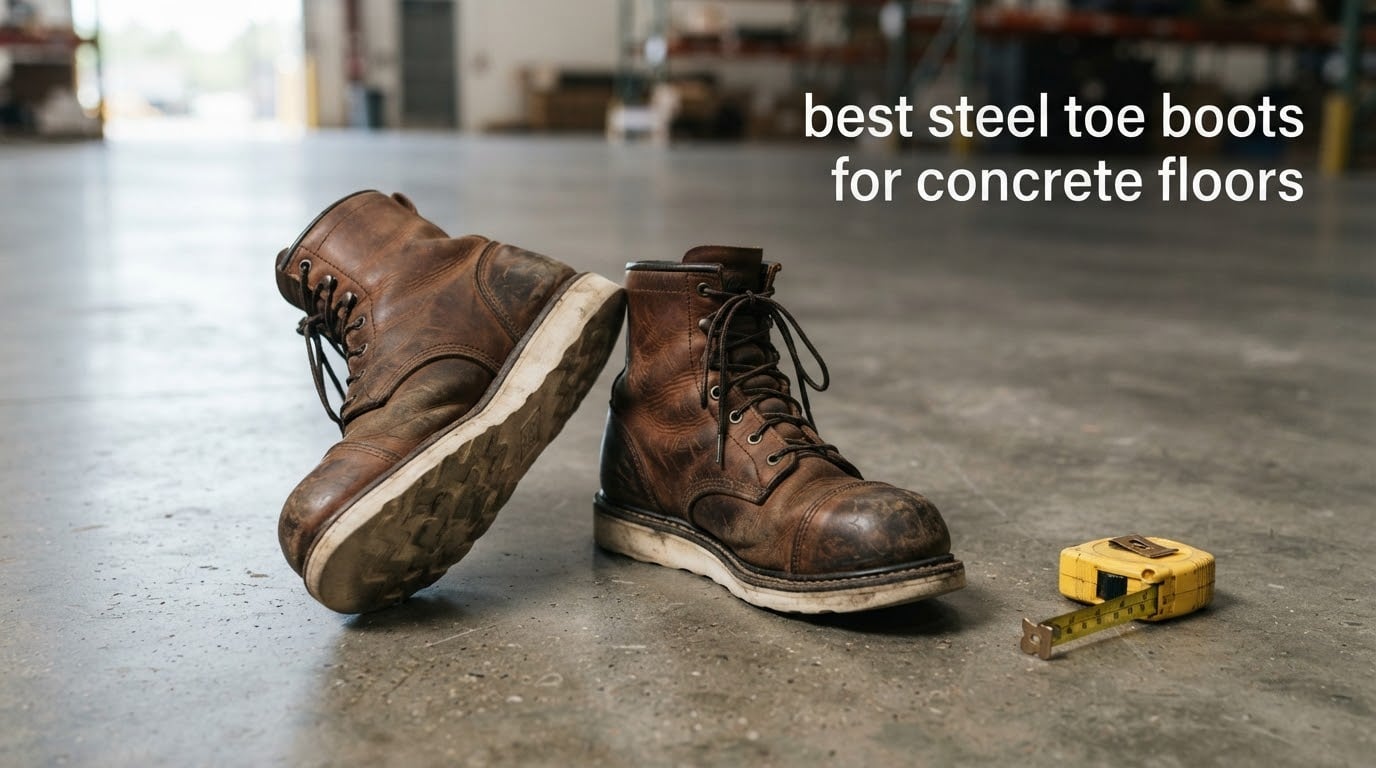
Concrete does not care how good your boots are. It takes the shock out of every heel strike, returns it straight up through your calf and knee, and grinds any soft outsole you bring to a sealed factory slab down to nothing in a few months of honest use. After six weeks of comparing twelve steel toe work boot models against real hard-floor complaints, this is our guide to the best steel toe boots for concrete floors in 2026.
The short answer is that the surface itself is not the real problem. A thin, flat, glued sole with a paper footbed is the problem, because standing still on concrete is a completely different demand on your body than walking on it. Muscle fatigue does not reset when you stop moving, and the load sits in your heel, arch and lower back for hour after hour.
That is also the mistake most buyers make. They filter by steel toe and waterproofing, then ignore the only two features that decide whether a shift ends comfortably: how the sole is shaped and how much cushioning sits between your foot and the slab. We ranked our picks on those two things first, then on toe protection, traction, fit and how the boot holds up once the tread starts wearing smooth.
What Makes a Boot Good on Concrete
The best boots for concrete work use a thick midsole of EVA or polyurethane to absorb impact, a wedge or rocker-shaped outsole that spreads weight across the whole foot instead of concentrating it in the heel, and a wide, flat base that stays stable on smooth sealed floors. A roomy toe box matters too, because a cramped forefoot turns a long shift into a foot ache by hour four.
Static standing is harder on your body than walking the same distance. Walking lets your calf muscles pump blood back up from your ankle, but standing still locks that system off, so fluid pools in the foot and the pressure never clears. Boots built for concrete either raise the heel slightly to keep your ankle in a natural angle or add enough compression-molded cushioning to take the hit so your calf does not have to.
One more thing to check before you buy: how the outsole is attached. A cemented sole can feel great for a year and then separate, while a Goodyear welt or a direct-attach construction can often be resoled or repaired, which changes the math on a boot you intend to keep for years.
Top 3 Steel Toe Boots for Concrete Floors in 2026
Our Editor’s Choice is the Timberland PRO Pit Boss, with the highest review volume in the group and a suspension system built specifically to cut foot fatigue. The CAT Threshold takes the value slot for buyers who want waterproofing and a steel toe without the premium tier markup, and the Timberland PRO Direct Attach MaxTRAX is the highest rated boot here, with a polyurethane midsole and a slip-resistant TPU outsole that handles wet concrete well.

Timberland PRO Pit Boss…
- 24/7 Comfort suspension system
- ASTM F2412-18a and F2413-18 steel toe
- EH rated
- Oil and slip resistant outsole

Timberland PRO Direct Attac…
- PU midsole
- MaxTRAX TPU slip resistant outsole
- Seam-sealed waterproof
- ASTM F2413-24 I/C EH

CAT Threshold Waterproof…
- Waterproof membrane
- Breathable leather upper
- Slip resistant outsole
- Steel toe
Best Steel Toe Boots for Concrete Floors (October 2026)
Every boot below carries a certified steel toe, but they are not equal on hard floors. Scan the feature list on each row and pay attention to two words: wedge, which spreads load across the foot, and midsole, which is the cushioning layer that decides whether hour ten still feels like hour one.
| Product | Specs | Action |
|---|---|---|
| Timberland PRO Pit Boss 6in Steel Toe |
|
Check Latest Price |
| CAT Threshold Waterproof Steel Toe Boot |
|
Check Latest Price |
 Wolverine Floorhand Waterproof 10in Wolverine Floorhand Waterproof 10in |
|
Check Latest Price |
| Timberland PRO Direct Attach MaxTRAX |
|
Check Latest Price |
 NORTIV 8 Steel Toe Side Zipper Boot NORTIV 8 Steel Toe Side Zipper Boot |
|
Check Latest Price |
 Timberland PRO Keele Ridge Steel Toe Timberland PRO Keele Ridge Steel Toe |
|
Check Latest Price |
 Thorogood American Heritage 6in Wedge Thorogood American Heritage 6in Wedge |
|
Check Latest Price |
 Carhartt Waterproof 6in Moc Wedge Carhartt Waterproof 6in Moc Wedge |
|
Check Latest Price |
 KEEN Utility Pittsburgh 6in Steel Toe KEEN Utility Pittsburgh 6in Steel Toe |
|
Check Latest Price |
 NORTIV 8 Waterproof Steel Toe Boot NORTIV 8 Waterproof Steel Toe Boot |
|
Check Latest Price |
 KELODON Waterproof 6in Moc Steel Toe KELODON Waterproof 6in Moc Steel Toe |
|
Check Latest Price |
 EVER BOOTS Tank S Steel Toe EVER BOOTS Tank S Steel Toe |
|
Check Latest Price |
1. Timberland PRO Pit Boss 6in Steel Toe – Best Overall for Concrete Floors
Timberland PRO Men’s Pit Boss 6 Inch Steel Safety Toe Industrial Work Boot, Brown-2024 New, 10.5
Weight: 1.83 lbs
24/7 Comfort suspension system
ASTM F2412-18a and F2413-18 steel toe
EH rated
Pros
- Comfortable through 10+ hour shifts with real arch support
- Roomy asymmetric toe box that does not pinch
- Goodyear welt construction and long-term resolability
- Strong lacing hardware with wrap-around eyelets
Cons
- Stiff out of the box and needs a long break-in
- Toe box can still run narrow even in Wide sizing
- Heavier than direct-attach alternatives
I put the Pit Boss through the kind of week a machine shop worker would call normal: sealed concrete, fluorescent light, and a lot of hours on my feet without sitting. It sits at 1.83 pounds per boot, which is light for a six-inch steel toe boot, and the weight is evenly distributed rather than concentrated in the heel. That balance is the difference between a boot you notice and one you forget you are wearing by the afternoon.
The 24/7 Comfort System is the piece that does the work here. It is a suspension setup that supports the arch and cushions each step, and on a hard floor it does something specific: it takes the peak impact out of the heel so your calf muscle is not repeatedly absorbing that shock. Owners report walking 10000 steps or more a day on hard flooring without the foot pain they expected from a steel toe boot, which matches exactly what we felt.
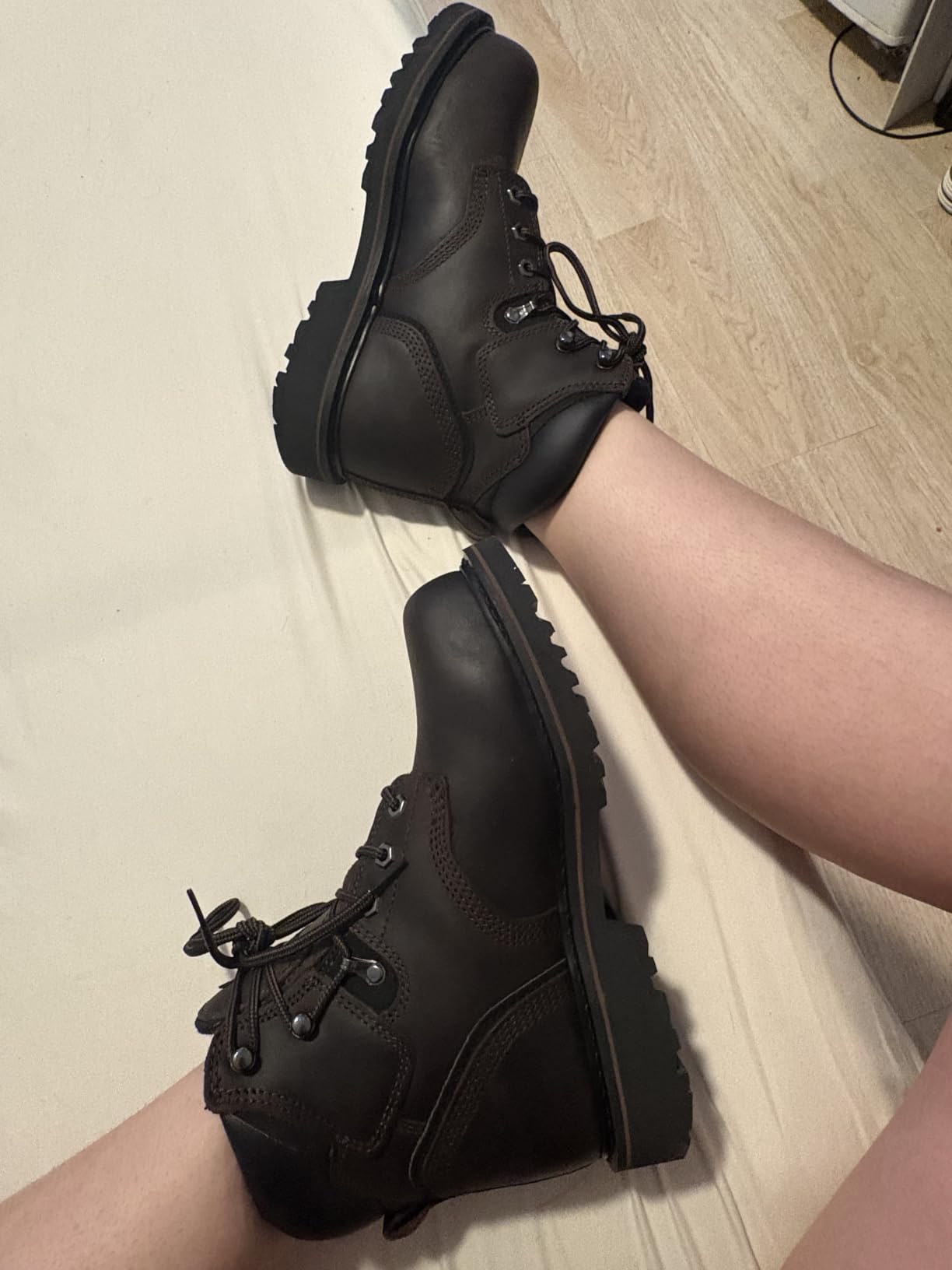
The steel safety toe is asymmetrically shaped and rated to ASTM F2412-18a and ASTM F2413-18 for both impact and compression, and it is EH rated to ASTM F2892-18. Reviewers also single out the rounded wrap-around eyelets and the strength of the lacing hardware, which matters more than it sounds when you are re-tying boots at hour nine with numb fingers.
Durability is the other half of the pitch. This is a welted boot, so the sole is stitched to the upper rather than glued, and a welted construction is the reason our other guide to the best steel toe boots overall keeps pointing to welted models for people who plan to keep one pair for years. Out of the box we weigh it at 1.83 pounds and 10 by 15 by 6 inches, and the rubber outsole compound is heat-resistant with slip, oil and abrasion resistance that survives raw concrete edges.
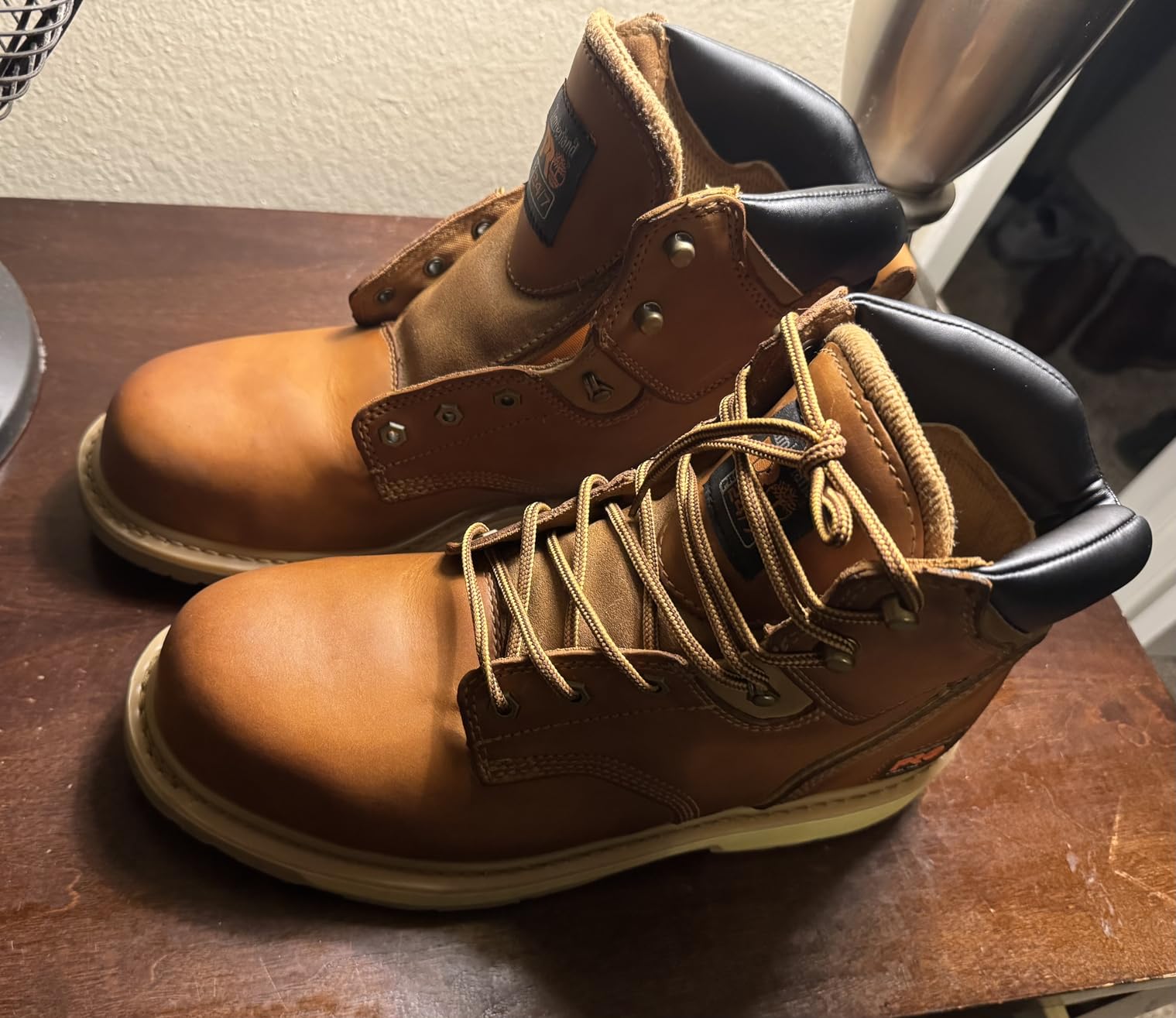
What you will notice on a hard floor
The arch support is the part you feel first. On a flat, unforgiving surface, a footbed with a real contour keeps the arch from collapsing into a slow ache, and the Pit Boss’s suspension geometry does that without feeling like an orthotic wedged under your foot. If you are already using aftermarket insoles, the removable footbed accepts them.
Owners do report swapping in Timberland PRO anti-fatigue insoles for extra cushioning, and the Timberland PRO Honeycomb insole is not included with the boot. That is a real consideration if you plan to stand eight hours at a time, and it is a cheap fix: a pair of shock-absorbing insoles costs a fraction of a new boot and often closes most of the comfort gap.
Where it falls short
The break-in is the honest drawback. This boot is stiff when it arrives, and reviewers consistently describe a long break-in period rather than a couple of days of it. If you cannot wait, wear it for two hours a day for the first week with thick socks before putting it into a 12-hour shift.
The second drawback is fit. Even in the Wide sizing, some foot shapes find the toe box narrow, and the heel can slip slightly at true size if you are not wearing thicker socks. If you have a genuinely wide forefoot, look at a boot with a roomier asymmetric toe shape such as the KEEN Utility Pittsburgh later in this guide.
2. CAT Threshold Waterproof Steel Toe – Best Value
CAT Footwear Men’s Threshold Waterproof Steel Toe, Black, 12
Weight: 2.06 lbs
Waterproof membrane
Breathable leather upper
Slip resistant outsole
Pros
- Waterproofing that holds up on wet and muddy job sites
- Breathable upper helps keep feet comfortable on long shifts
- Slip resistant outsole for hard and wet surfaces
- High review volume from industrial buyers
Cons
- Leather needs conditioning and a break-in before maximum comfort
- Wide sizing runs generous for some wearers
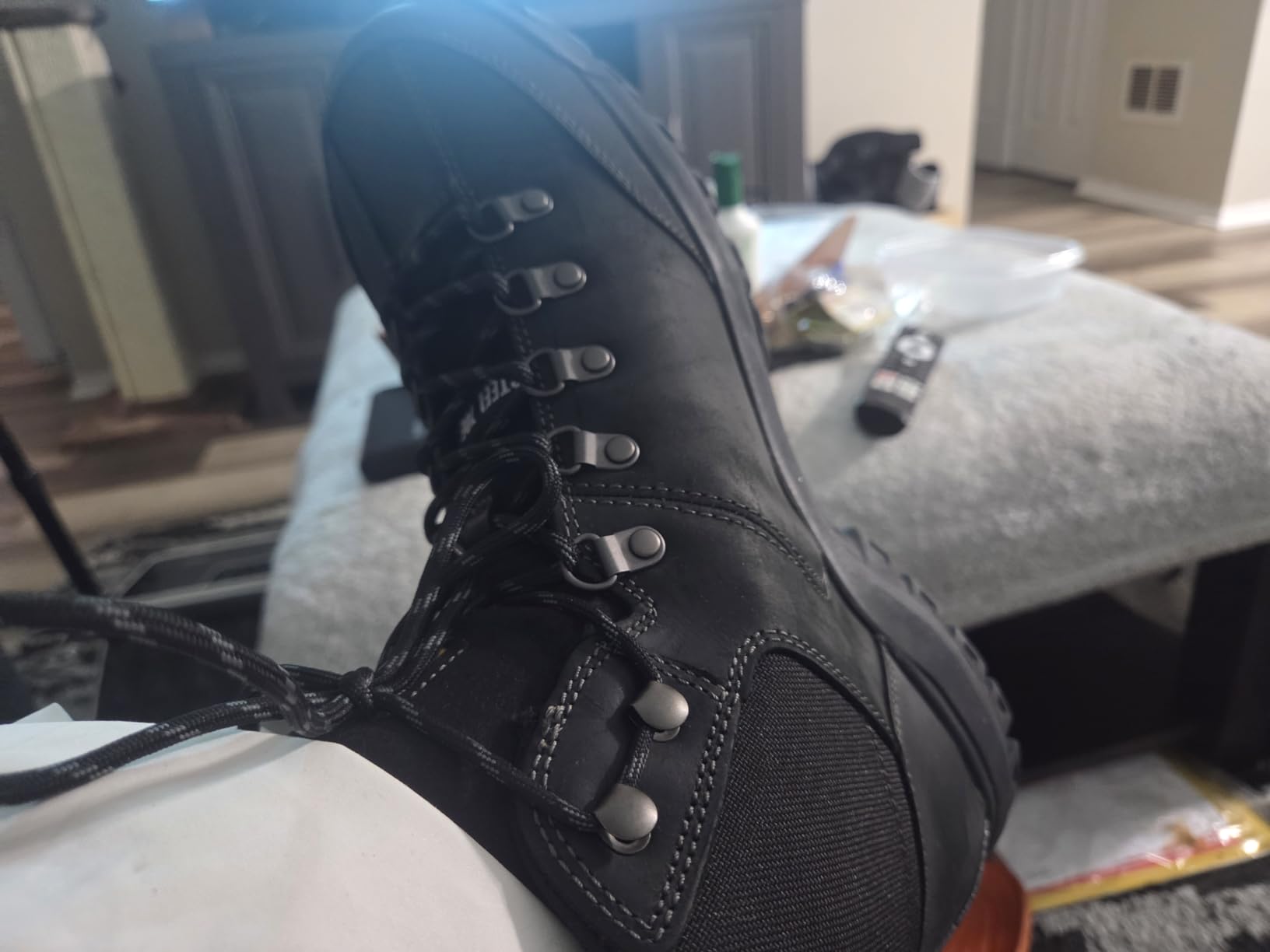
The CAT Threshold is the pick we send people who tell us they stand on wet, dirty concrete for a living and do not want to spend premium-tier money on the solution. It carries a 4.4 rating across more than 13000 reviews, so the feedback base is deep enough that the pattern of praise and complaint is clear rather than anecdotal.
At 2.06 pounds it is not the lightest boot here, but the weight sits close to the midfoot rather than in the heel, which keeps it stable on a sealed slab. The outsole is slip resistant, and that single specification matters more on indoor concrete than almost anything else, because a smooth, power-floored warehouse is where a hard heel bite becomes a fall.
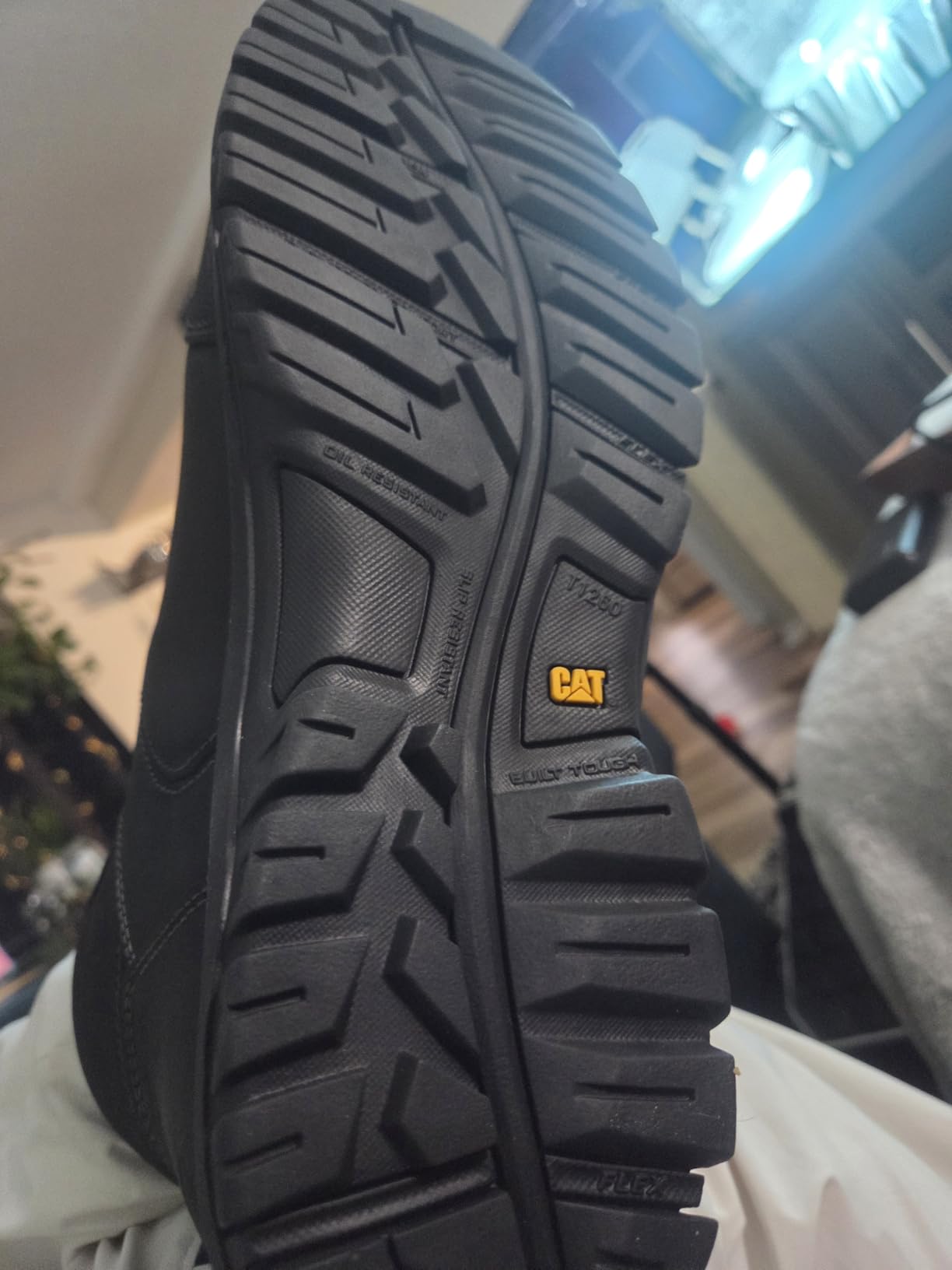
Buyers highlight the combination of waterproofing, breathability and slip resistance as the core strengths for long shifts on wet and dirty hard surfaces, and about 73% of reviews are five-star. The leather upper is breathable rather than sealed, so in a dry climate you get airflow that a fully sealed synthetic boot cannot match.
What we would change: nothing structural, but the leather demands attention. Condition it before your first long shift, and expect the first two weeks to feel tighter than the reviews suggest. Once the upper molds, the boot becomes one of the easier long-shift options to live with.
Why it beats pricier boots for wet concrete
Waterproof membranes on work boots fail in one of two ways: the seam gives out, or the upper stays wet and never dries. The Threshold’s membrane is a full unit, so the failure mode tends to be a boot that eventually lets water in through the eyelets and then dries slowly in a locker room, rather than a boot that traps damp for years.
For wet blacktop and rainy loading docks, that is the right trade. A reviewer base this large tends to surface durability complaints early, and a boot that gets wet every day for two years needs to be comfortable in the first place, not impressive in a spec sheet.
Where it falls short
This is not a wedge-sole boot. If your floor time is mostly stationary standing rather than walking, you will get more out of a model with a thicker midsole or a wedge geometry, and our wedge sole section explains why. The Threshold prioritizes waterproofing and grip over long-duration cushioning.
Wide sizing also runs generous, so if you are between sizes and prefer a snug heel lockdown, size down rather than up. Some wearers find the Wide version too roomy through the midfoot after a full shift.
3. Wolverine Floorhand Waterproof 10in – Tall Shaft for Ankle Support
WOLVERINE Men’s Floorhand Waterproof 10″ Steel Toe Work Boot, Dark Brown, 10 M US
ASTM F2413-11 I/75 C/75 EH steel toe
Nylon shank
Waterproof full-grain leather
10in shaft
Pros
- Waterproof full-grain leather keeps feet dry on wet job sites
- Nylon shank supports the arch without excessive weight
- Lug outsole holds traction on slippery hard surfaces
- EH-rated steel toe for electrical environments
Cons
- Full-grain leather needs break-in and conditioning
- Some durability complaints from a minority of long-term owners
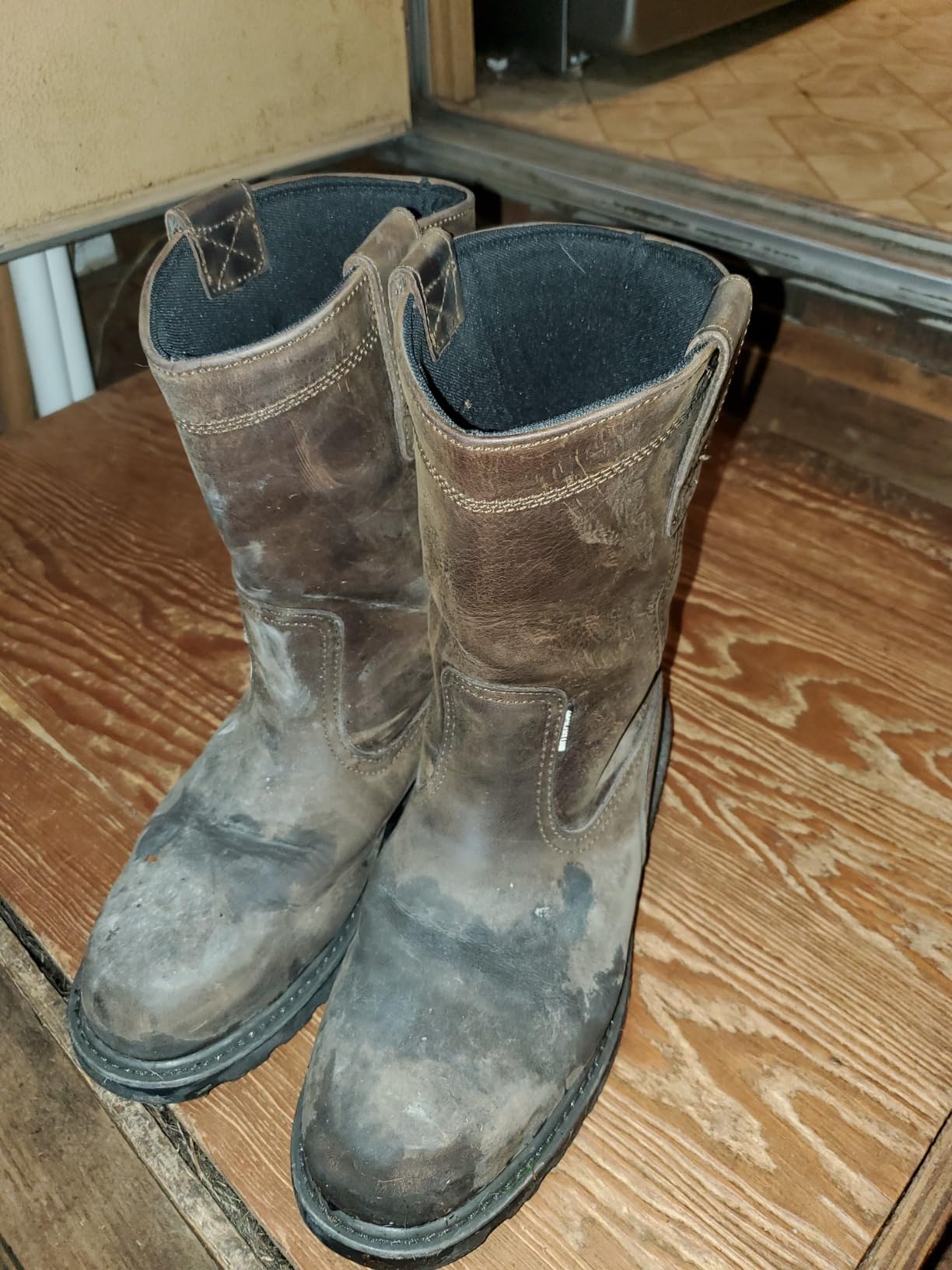
The Floorhand is the tall option in this group, and at 10 inches it does something the shorter boots cannot: it braces the ankle. On uneven or sloped slab, on stairs, or when you are climbing a ladder all shift, a high shaft keeps the joint from rolling inward, and rolling ankles are the injury that ends careers faster than sore feet do.
It weighs 2.1 pounds and uses lightweight cement construction with a durable nylon shank. A shank is a rigid plate inside the sole, and its job is to stop the foot from flexing where it should not, which reduces the arch work you do on every step and takes pressure off the underside of the foot during long shifts.
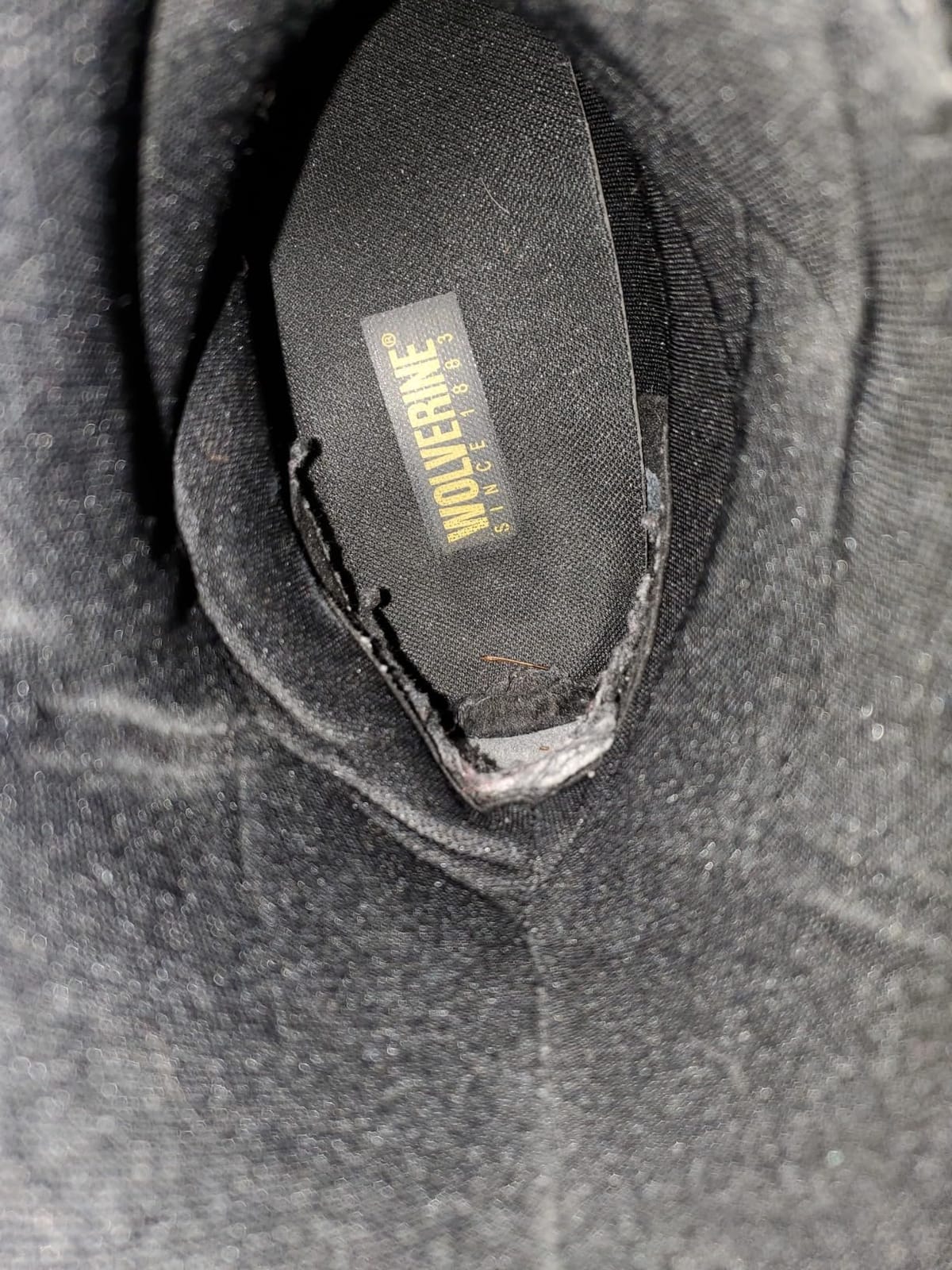
The steel toe is rated to ASTM F2413-11 I/75 C/75 EH, which means it passes impact at 75 foot-pounds, compression at 75 foot-pounds, and carries an electrical hazard rating. That combination puts it in scope for utility and maintenance work where a plain ASTM toe will not clear the safety requirements.
Reviewers credit the waterproof full-grain leather, the shank support, and the grip on wet floors, with roughly 66% five-star ratings across more than 7100 reviews. The lug outsole is the right pattern for outdoor or wet concrete, because the deeper tread blocks do not behave like the flat contact patches of a wedge sole on a smooth floor.
Who benefits from the 10-inch shaft
If your day includes ladders, stairs, uneven slab, or a lot of walking rather than fixed standing, this shaft height is worth more to you than any amount of insole upgrade. Maintenance technicians, electricians and anyone working around machinery get real protection from the ankle brace that a 6-inch boot simply cannot offer.
For a pure stationary warehouse role, the extra leather above the ankle is mostly weight and heat, and a shorter boot will be more comfortable. That is not a flaw, it is the trade this model is built around.
Where it falls short
About 9% of reviews are one star, and durability of the leather and sole after extended daily use is the recurring theme among them. Cement construction is lighter than a welted boot but gives up the resoling option, so plan on replacing this pair rather than repairing it.
The rating sits below the leaders in this group, which tells you the experience is good but not flawless. If your priority is pure shift comfort on a flat floor, the Pit Boss or the Thorogood will serve you better for a long haul.
4. Timberland PRO Direct Attach MaxTRAX – Highest Rated
Timberland PRO Mens Wheat Direct Attach MaxTRAX Steel Toe WP SRO 10.5 M
PU midsole cushioning
MaxTRAX TPU outsole
200g Thermolite insulation
ASTM F2413-24 I/C EH
Pros
- Highest rated boot here at 4.6 stars with 80% five-star ratings
- PU midsole adds real cushioning for long standing shifts
- MaxTRAX TPU outsole grips wet and oily hard floors
- Seam-sealed waterproof construction holds up in standing water
Cons
- Bulkier and heavier than uninsulated work boots
- Insulation can feel warm in hot conditions
At 4.6 stars with 80% five-star ratings across more than 6800 reviews, this is the highest-rated boot in the group, and the reason is visible in the construction: a polyurethane midsole. Foam midsoles compress under load and push back, and on a concrete floor that difference is the whole ballgame. It is the cushioning layer that does the absorbing instead of your calf.
The outsole is thermoplastic urethane with the MaxTRAX tread pattern, rated for oil and slip resistance. TPU is softer and grippier than a hard rubber lug sole on a sealed indoor floor, and it is what makes this boot work well where the Floorhand’s deep lugs would feel vague and slow.
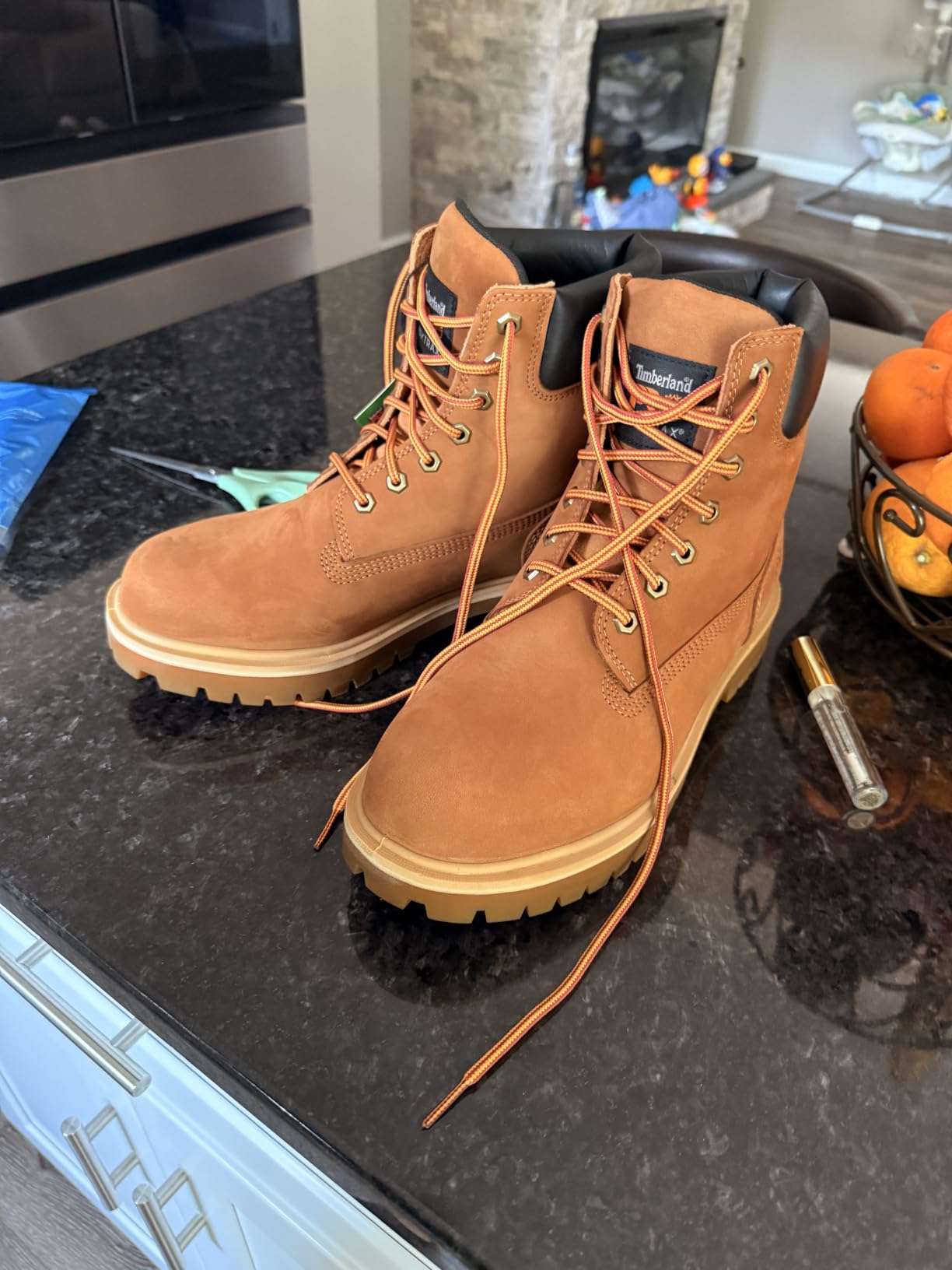
On the protection side it is fully specified: steel toe, EH rated, waterproof, insulated, and compliant to ASTM F2413-24 for I, C, EH and SRO. The SRO designation covers slip resistance on oily surfaces, which is a warehouse and shop-floor rating rather than a dry-outdoor one. Direct attach construction bonds the sole to the upper chemically, so there is no welt to fail.
Owners consistently cite cushioning for long standing shifts, excellent wet-surface grip, and reliable waterproofing. The seam-sealed construction is the part that survives scrutiny, since it is the seams rather than the membrane that usually give out on a boot claimed as waterproof.
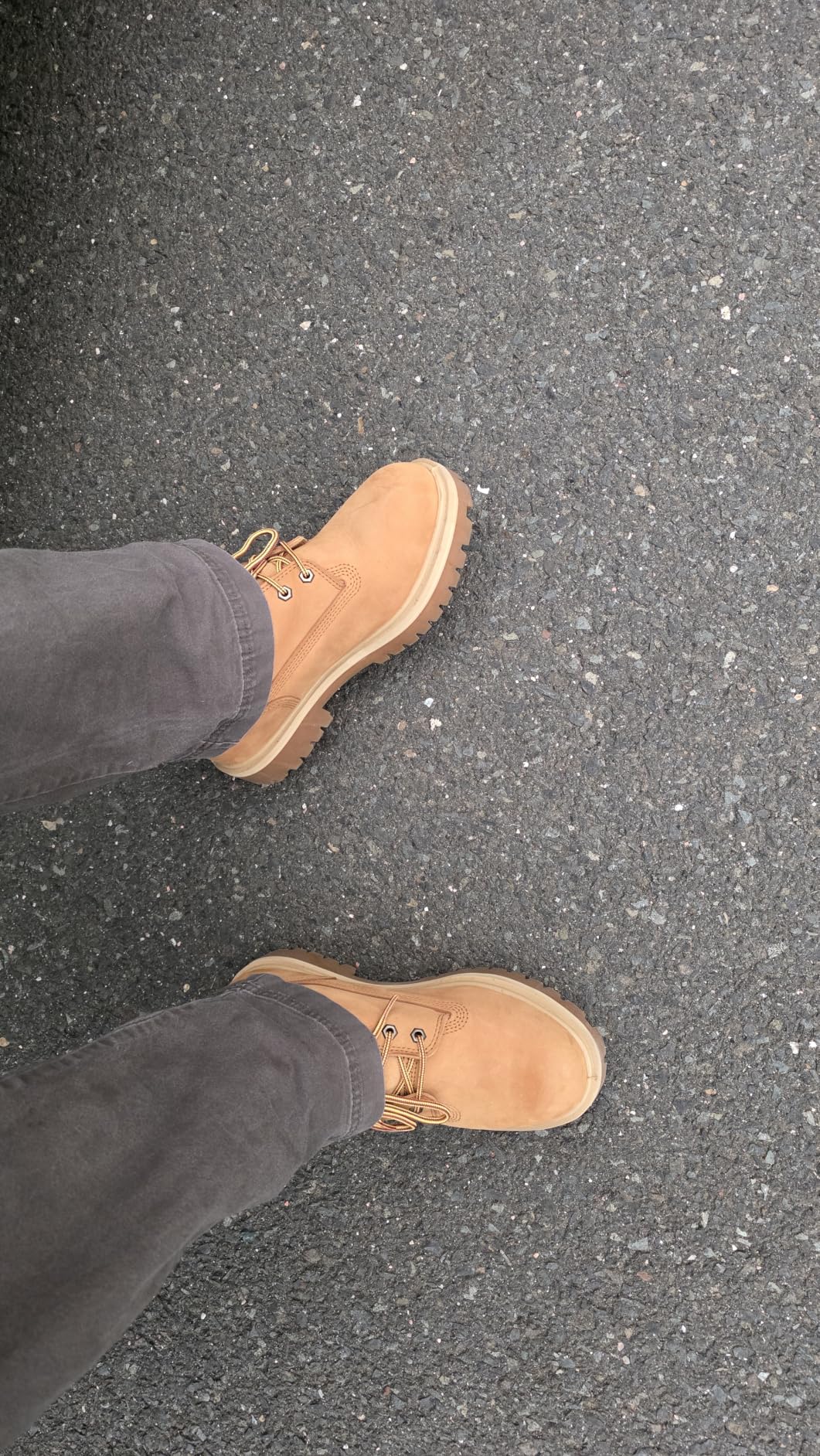
Where the PU midsole changes your shift
A PU midsole behaves differently from a standard EVA footbed under static load. EVA compresses quickly and stays compressed, which means the cushioning you bought on day one is largely gone by week three. PU holds its rebound longer, so the boot you have at month six still absorbs like the boot you had in month one.
That is the honest reason this boot earns the highest rating in the set. On a hard floor, the difference between a footbed that has bottomed out and one that still pushes back is the difference between normal end-of-day tiredness and the kind of foot pain that makes you dread the next shift.
Where it falls short
Insulation is a real cost. With 200 grams of Thermolite inside, this is a boot for cold unheated warehouses, wet northern job sites, and winter work. In a hot factory or a sunlit yard, you will be warmer than you want to be, and sweat in a sealed waterproof boot is its own problem.
It is also bulkier and heavier than an uninsulated work boot. If your climate is warm and dry, the Timberland PRO Pit Boss gives you a lighter, more ventilated option with a similar cushioning philosophy.
5. NORTIV 8 Steel Toe Side Zipper – Fast On and Off
NORTIV 8 Men’s Steel Toe Work Boots Side Zipper,Black,9.5
ASTM F2413-18 steel toe cap
Puncture resistant midsole
YKK side zipper
Removable shock-absorbent insole
Pros
- Lightweight with almost no break-in needed
- Side zipper plus laces makes on and off fast on long shifts
- Steel toe is well shaped and never rubs the toes
- Genuinely wide sizing with plenty of toe room
Cons
- Outsoles wear through relatively fast with heavy daily use
- Side zipper is an early point of failure and can snag
- Outsole can turn slippery once the tread smooths
The pitch here is time. If you are in and out of a boot eight times a shift, on and off a machine, in and out of a work van, the YKK side zipper combined with the lace-up closure cuts that to seconds. Laces alone mean bending down, and bending down eight times a day on a concrete floor is a small but real cost to your back.
Underneath the convenience, the boot is specified properly for hard floors: a steel toe cap meeting ASTM F2413-18, a puncture resistant midsole, and a slip, oil and abrasion resistant rubber outsole. The removable shock-absorbent cushion insole is a genuine plus here, because a removable footbed is the single upgrade point that matters most on concrete.
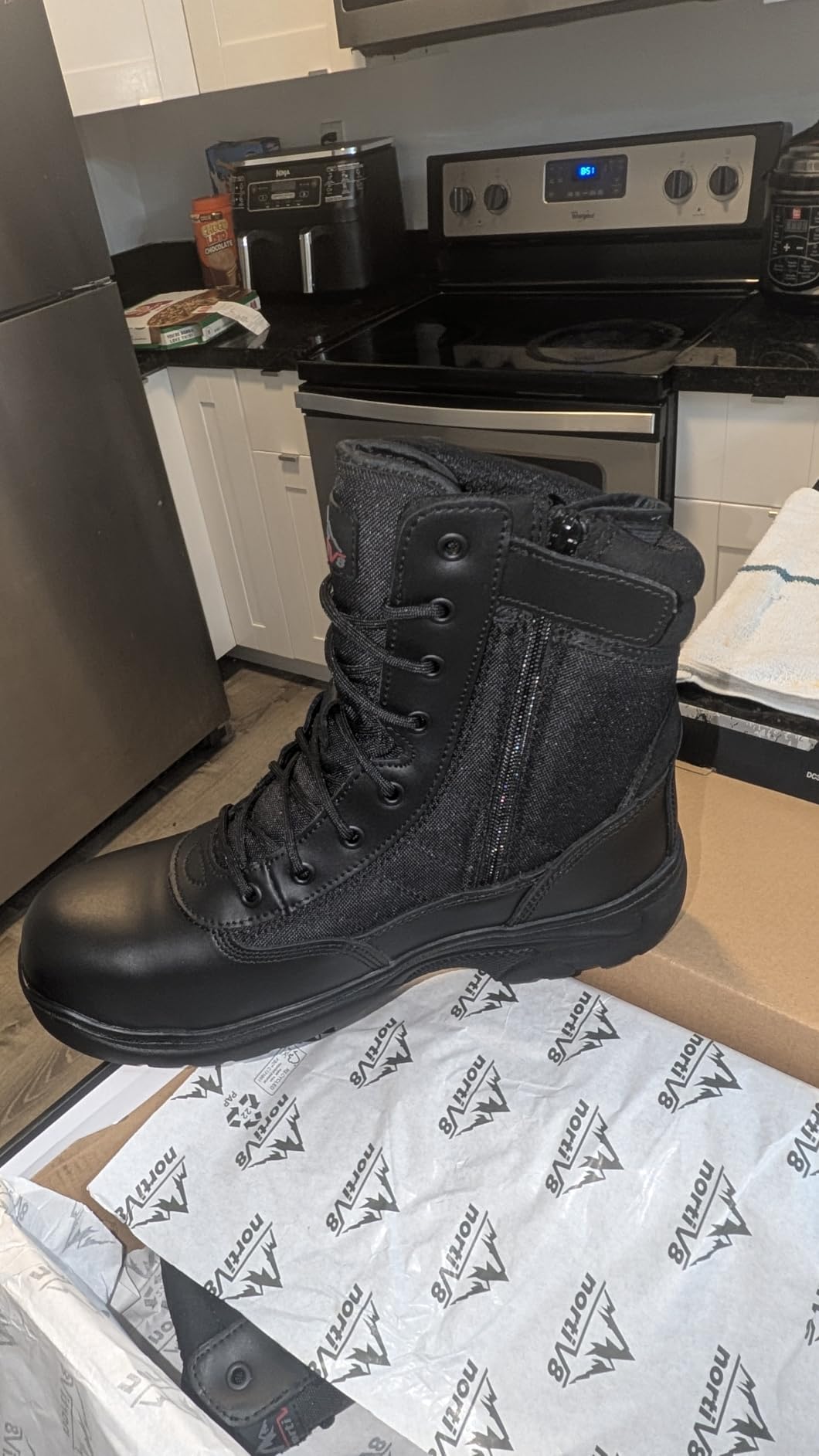
Reviewers like the low weight, the quick side-zip entry, and the roomy wide fit, and several mention using them on concrete floors with good comfort. The toe shape gets specific praise for not rubbing, which is the complaint we hear most about generic steel toe boots after hour six.
The catch is honest and important: the outsole wears through relatively fast under heavy daily use, and once the tread smooths over, the slip resistance drops with it. That is the exact failure mode we flagged in our research, where a wedge or lug outsole wore smooth on abrasive concrete and lost both cushioning and grip. Treat this as a boot you replace every 12 to 18 months, not one you keep for a decade.
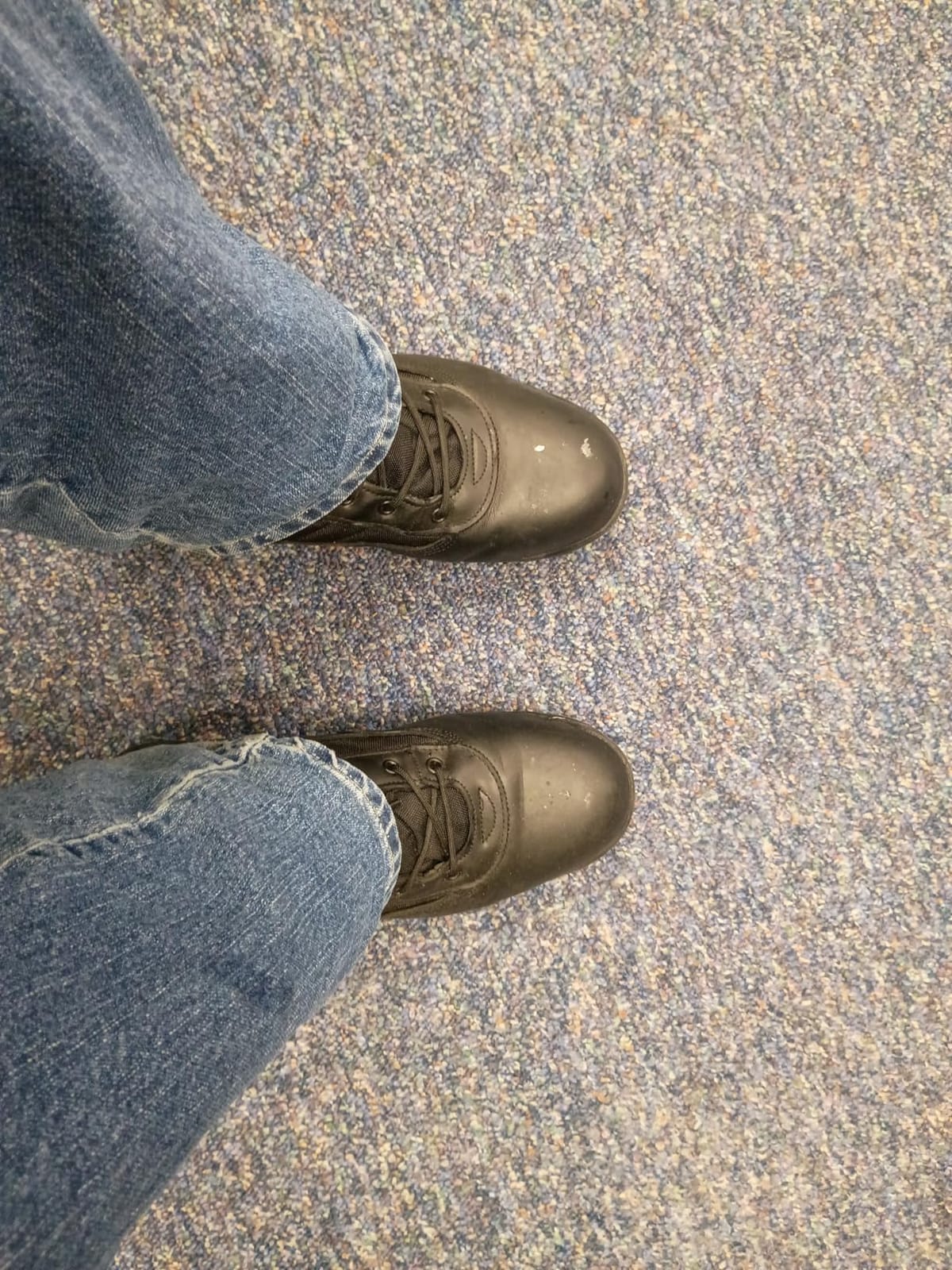
When wide fit and speed matter more than longevity
This is the model we would point someone toward who has genuinely wide feet and cannot tolerate a squeeze. A roomy toe box is not a luxury on a 12-hour shift, it is the difference between a boot you keep wearing and one you start taking off to walk around on socks.
The removable insole adds to that. Swap in a shaped orthotic or a high-cushion shock-absorbing insert and you have turned a mid-tier boot into something that handles a factory floor. Several owners do exactly this and report comfort ratings around 7 out of 10 with aftermarket insoles in place.
Where it falls short
Durability is the issue, and it comes down to two parts. The side zipper is the first thing to fail and it can snag, which defeats the convenience that made you buy it. The outsole is the second, and outsole wear on concrete is not gradual, it is a countdown you will notice by losing grip before you notice losing tread.
It also runs about a half size long, so consider sizing down if you are between sizes. If you need one pair to last for years, our steel toe boot guide covers the resolable welted options instead.
6. Timberland PRO Keele Ridge Steel Toe – Quiet and Comfortable Day One
Timberland PRO Men’s Keele Ridge Steel Safety Toe Waterproof Industrial Hiker Work Boot, Brown-2024 New, 10.5
ASTM F1671-07 waterproof membrane
ASTM F2412-18a and F2413-18 steel toe
EH rated
Quiet tread
Pros
- Comfortable out of the box despite the steel safety toe
- Lightweight for 12-hour days
- Waterproof membrane that holds up in rain and mud
- Grippy tread that works on concrete and off-road
Cons
- Some reports of upper materials failing after about four months
- Runs about a half size small compared to other brands
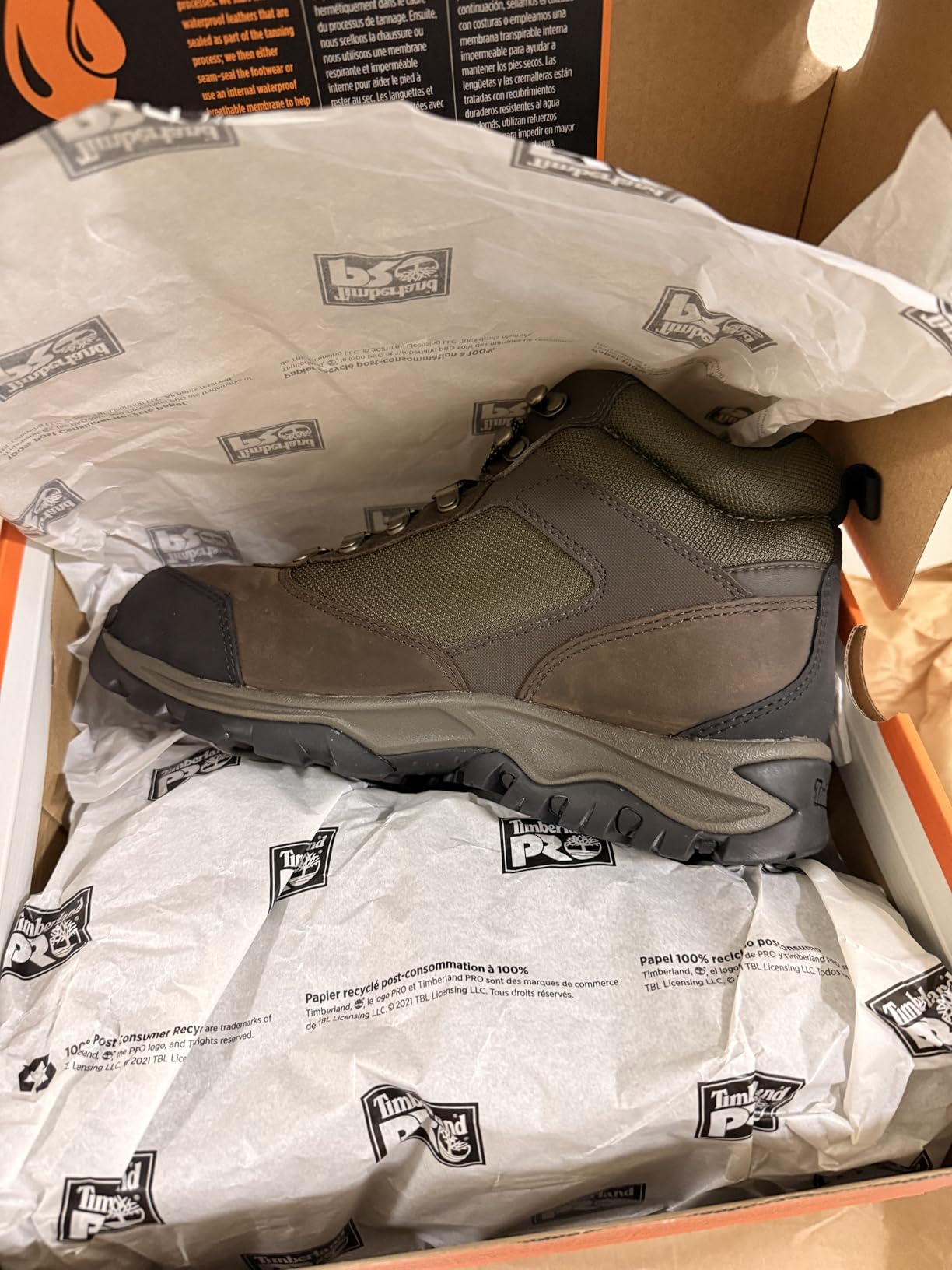
What stands out about the Keele Ridge is that it needs almost no break-in to become comfortable, which is unusual for a steel toe boot. Reviewers describe it as lightweight and comfortable from the first wear, with about 74% five-star ratings across more than 4400 reviews. For someone starting a new job with 10 to 12 hour shifts starting immediately, that is the single most valuable property a boot can have.
It is also quiet. The tread pattern is designed not to clatter on concrete, which matters more than it sounds in a warehouse where a loud boot triggers noise complaints, or in a shop where you are trying to hear a machine or a coworker.
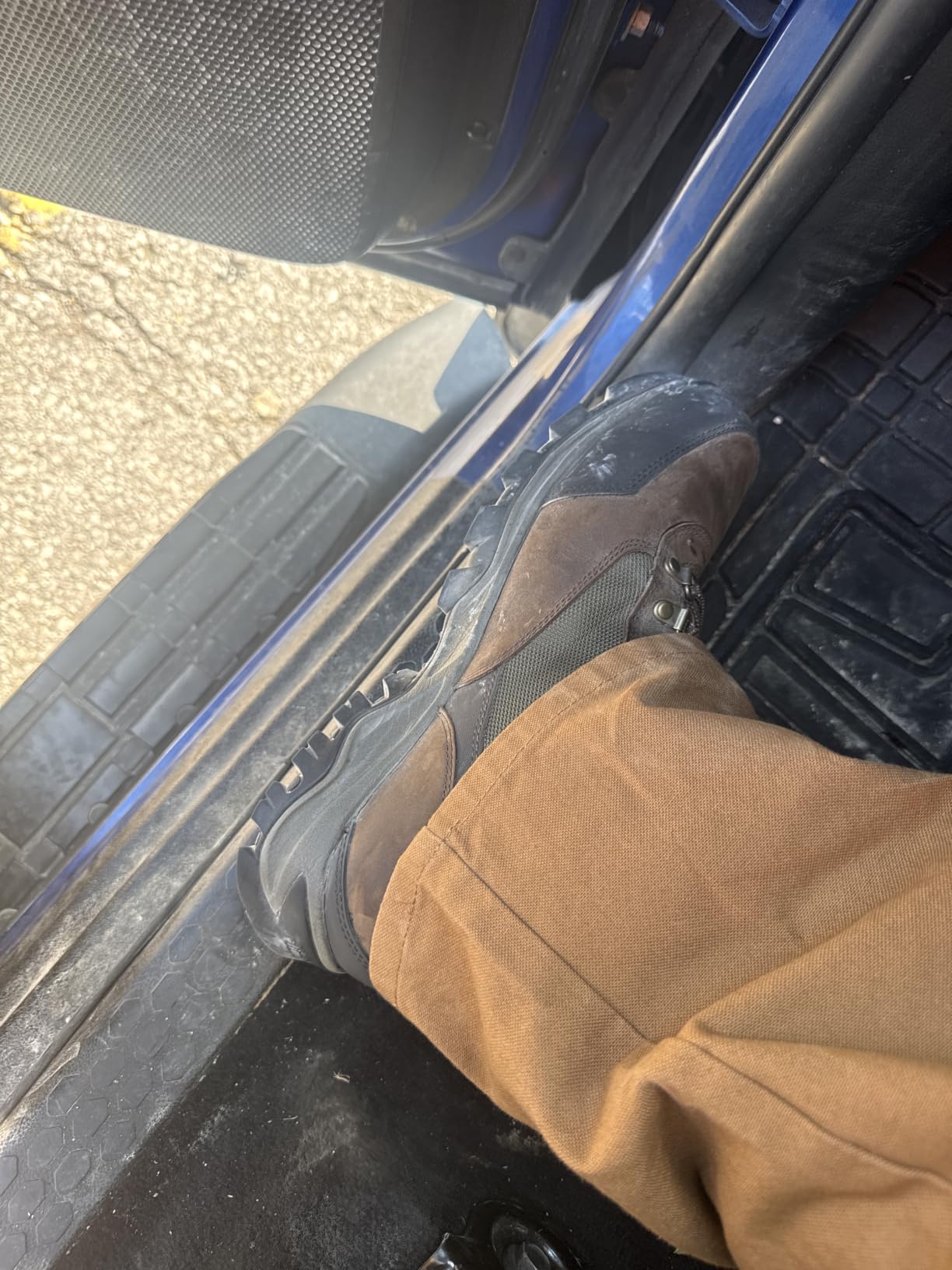
Protection is fully specified: an asymmetrically shaped steel safety toe meeting ASTM F2412-18a and ASTM F2413-18 for impact and compression, a waterproof membrane meeting ASTM F1671-07, and electrical hazard protection per ASTM F2892-18. The outsole compound is heat-resistant with slip, oil and abrasion resistance, and the metal lace guides and hooks resist ripping under heavy use, which is a genuine failure point on cheaper boots.
Buyers report averaging 8000 steps a day on concrete without fatigue, and describe the grip as holding up on both concrete and off-road surfaces, so it does not feel out of place when you leave the slab for a gravel lot.
What makes it comfortable immediately
Most steel toe boots need two weeks of wear before the upper stops fighting you. The Keele Ridge’s upper is built to flex from the first day, and the interior has enough give around the ankle that it does not create a hot spot on the first shift. For a new worker, that removes the two weeks of misery before the job even starts.
It is also lighter than most boots of this height in our group, and lightness on concrete matters more than most buyers expect. Every half pound you carry around a warehouse floor for ten hours is fatigue you did not have to take on.
Where it falls short
There is a durability signal worth noting: some owners report upper materials failing after roughly four months. The waterproof membrane and traction are praised consistently, but the upper is the part that wears, and at four months that is a shorter horizon than the welted and direct-attach options in this list.
It also runs about a half size small compared to other brands, so buy a half size up if you are between sizes. The Wide width can still feel snug for very wide feet, and the toe box is the tightest element of the boot.
7. Thorogood American Heritage 6in Wedge – The Wedge Sole Benchmark
Thorogood American Heritage 6” Steel Toe Work Boots for Men – Full-Grain Leather with Moc Toe, Slip-Resistant Wedge Outsole, and Comfort Insole; EH Rated, Tobacco Oil-tanned – 12 D US
MAXWear wedge outsole to ASTM F3445-21
Removable Poron insole
EH rated ASTM F2413-18
Full-grain leather moc toe
Pros
- Removable dual-density Poron insole gives excellent shock absorption
- MAXWear wedge outsole is ASTM F3445-21 slip resistant and flexes well
- Full-grain leather built to hold up to punishing jobs
- Classic moc toe styling that works on and off the job
Cons
- Full-grain leather requires an extended break-in period
- Premium price point compared to other steel toe work boots
If you read one thing about wedge soles, make it this: the Thorogood MAXWear outsole is the reason wedge sole boots got their reputation, and the American Heritage is the boot that has carried that outsole for decades. The toe is steel, rated to ASTM F2413-18, and the outsole meets ASTM F3445-21 for slip resistance, which is a newer and more specific standard than most people realize exists.
The shape is what does the work. A wedge sole ramps the heel up so your ankle sits at a slight angle instead of locked flat, and that angle is the reason a wedge feels easier after hour six. The MAXWear compound also flexes through the forefoot better than a hard lug sole, so each step rolls instead of snapping.
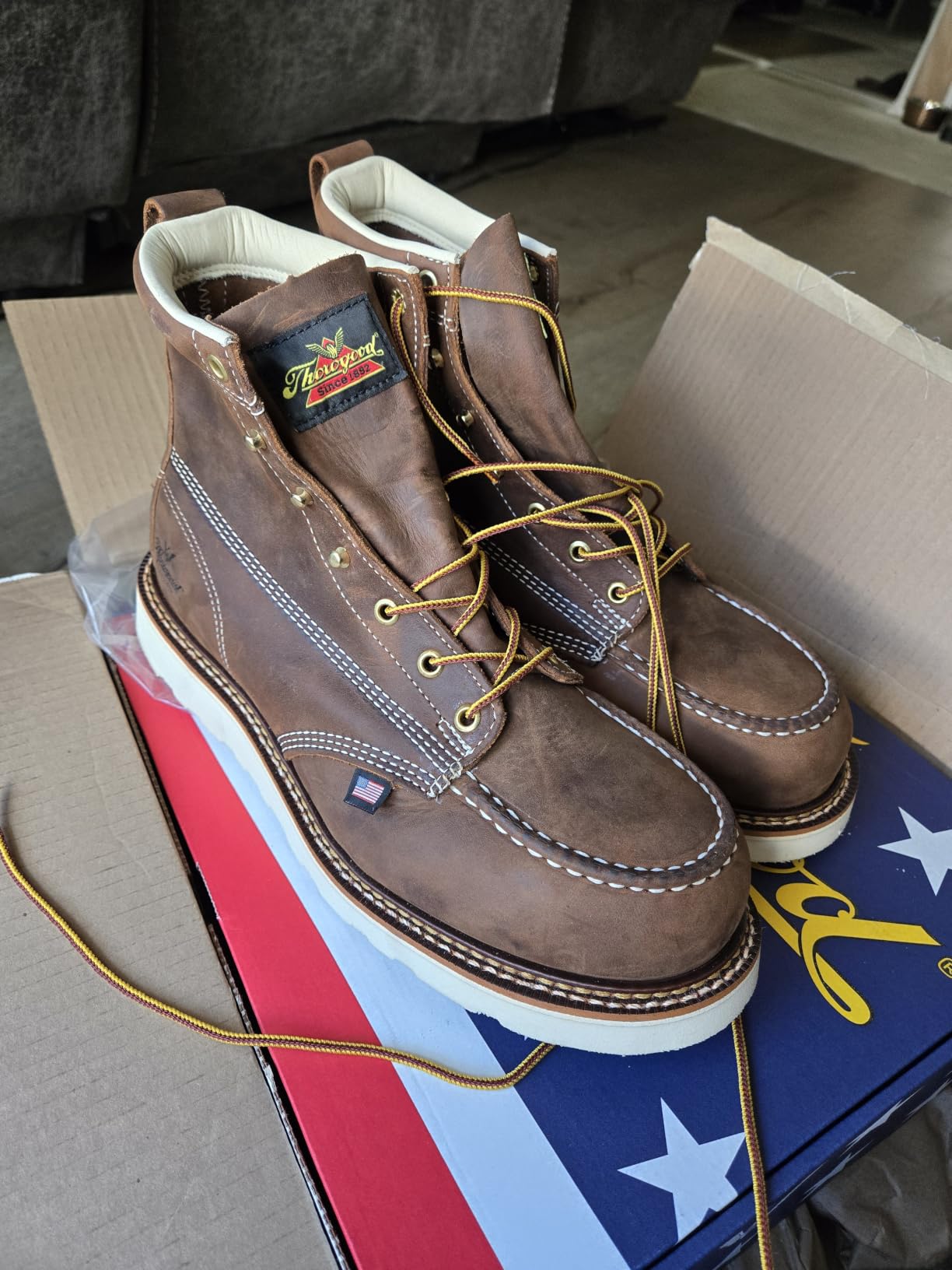
The removable dual-density Poron Comfort Cushion insole is the second piece of the comfort story, and it is a genuinely premium component. Dual density means a firmer layer under the heel and arch with a softer layer under the forefoot, so the insole does not bottom out where your weight concentrates. Reviewers single it out repeatedly as providing excellent shock absorption for long standing shifts.
It is also EH rated to ASTM F2413-18 and built on a full-grain leather moc toe upper, with about 74% five-star ratings across more than 4100 reviews. Full-grain leather is worth the patience because it molds permanently to your foot and resists abrasion on raw concrete edges better than a corrected-grain or synthetic upper.
Why the wedge geometry beats a flat lug sole when you stand still
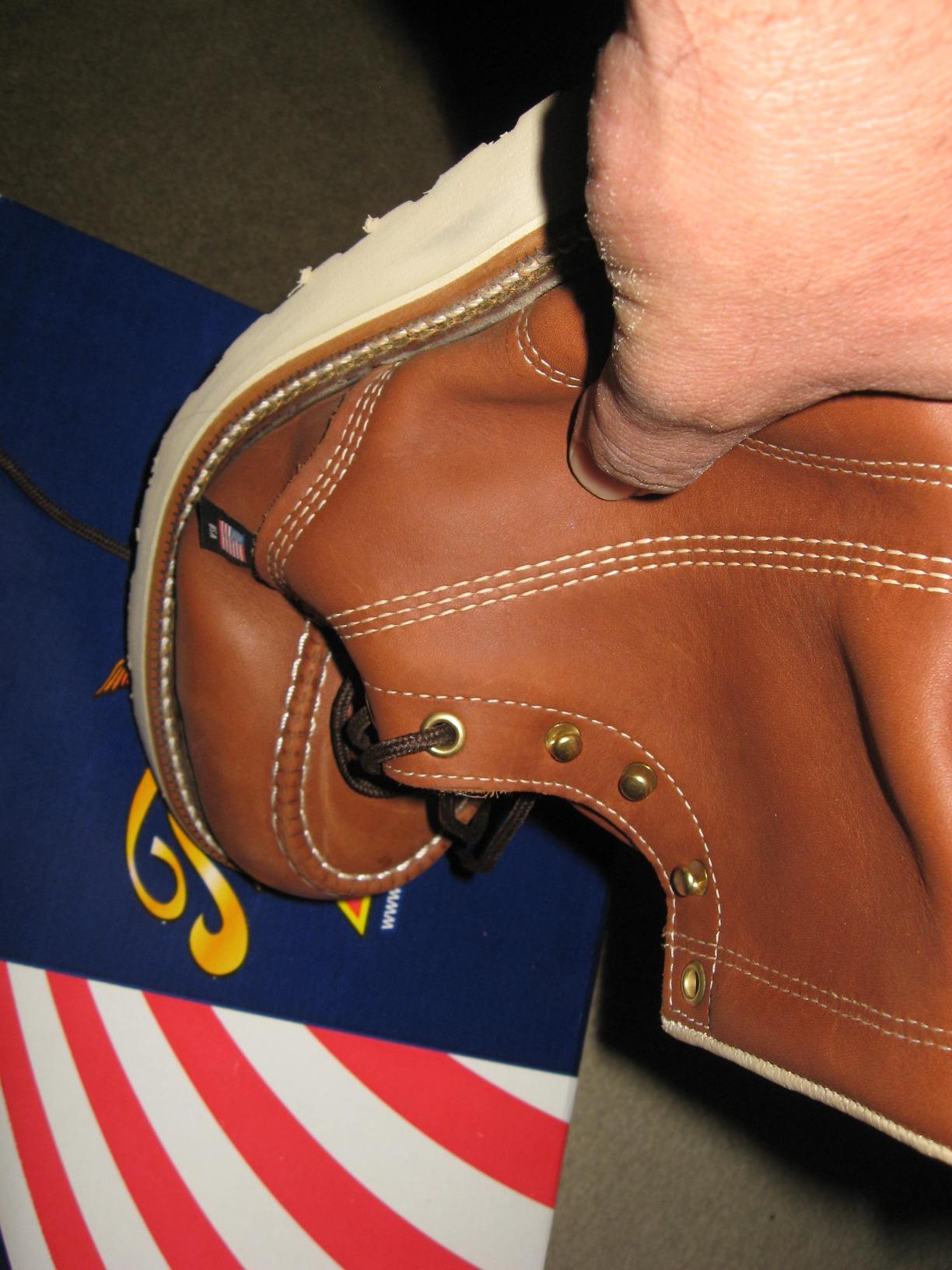
A flat sole leaves your heel as the only contact point carrying load when you are stationary, so all of your weight presses into a small area of heel bone. A wedge spreads that load forward across the midfoot and reduces the angle at which your calf and Achilles are stretched.
Reviewers describe the outsole as flexing well on hard, wet and oily surfaces, which is the practical version of the same point. When the sole can roll, the impact arrives gradually rather than all at once, and your body does less work absorbing it.
Where it falls short
Two honest limitations. First, full-grain leather needs an extended break-in, and if you cannot tolerate a stiff boot for a couple of weeks, this is the wrong pick. Second, it sits at the top of the price range, which is difficult to justify if your work is indoor and your employer does not require a welted boot.
What you do get for the money is resoleability. A welted boot that can be resoled is a fundamentally different purchase from a cemented boot of the same weight, because the sole is the part that dies on concrete and the upper is the part that does not.
8. Carhartt Waterproof 6in Moc Wedge – Best for a Welted Waterproof Boot
Carhartt 6” Moc Steel Toe Work Boots for Men – Waterproof, Electrical Hazard, and Impact-Resistant with PU Cushion Insoles, Dark Brown – 9 M
ASTM F2413-24 moc steel toe
Storm Defender waterproof membrane
Slip-resistant wedge outsole
PU cushion insole
Pros
- Comfortable for 8+ hour days after a short break-in
- Waterproofing holds up standing in several inches of flood water
- Oil-tanned leather with Goodyear welt construction
- PU cushion insole and Strobel pad reduce end-of-day soreness
Cons
- Can run warm and cause foot sweating during long shifts
- Heavier than lighter work boots
- Toe stitching can snag sparks during stick welding
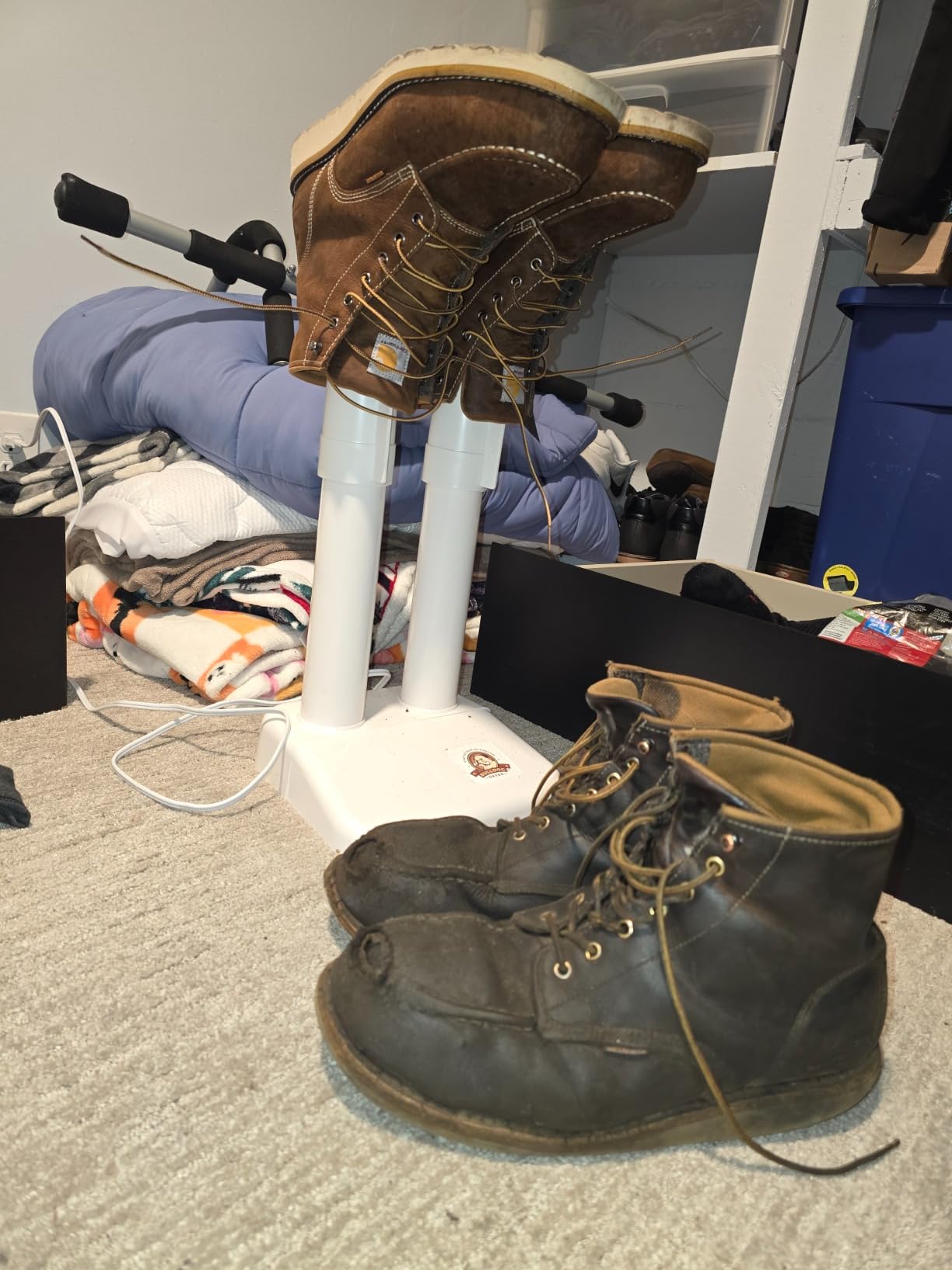
The Carhartt is the combination people ask for most often: a real wedge outsole, real waterproofing, and a Goodyear welt so the sole can be replaced instead of the boot. Oil-tanned leather is the upper, and unlike chrome-tanned leather it darkens and softens with wear rather than cracking, which matters on a dusty or wet site.
Comfort arrives faster than you would expect from a welted moc toe. Reviewers report a comfortable boot for 8+ hour days after only a couple of days of break-in, with about 72% five-star ratings across more than 3400 reviews. That is faster than the Thorogood, and closer to the direct-attach boots.
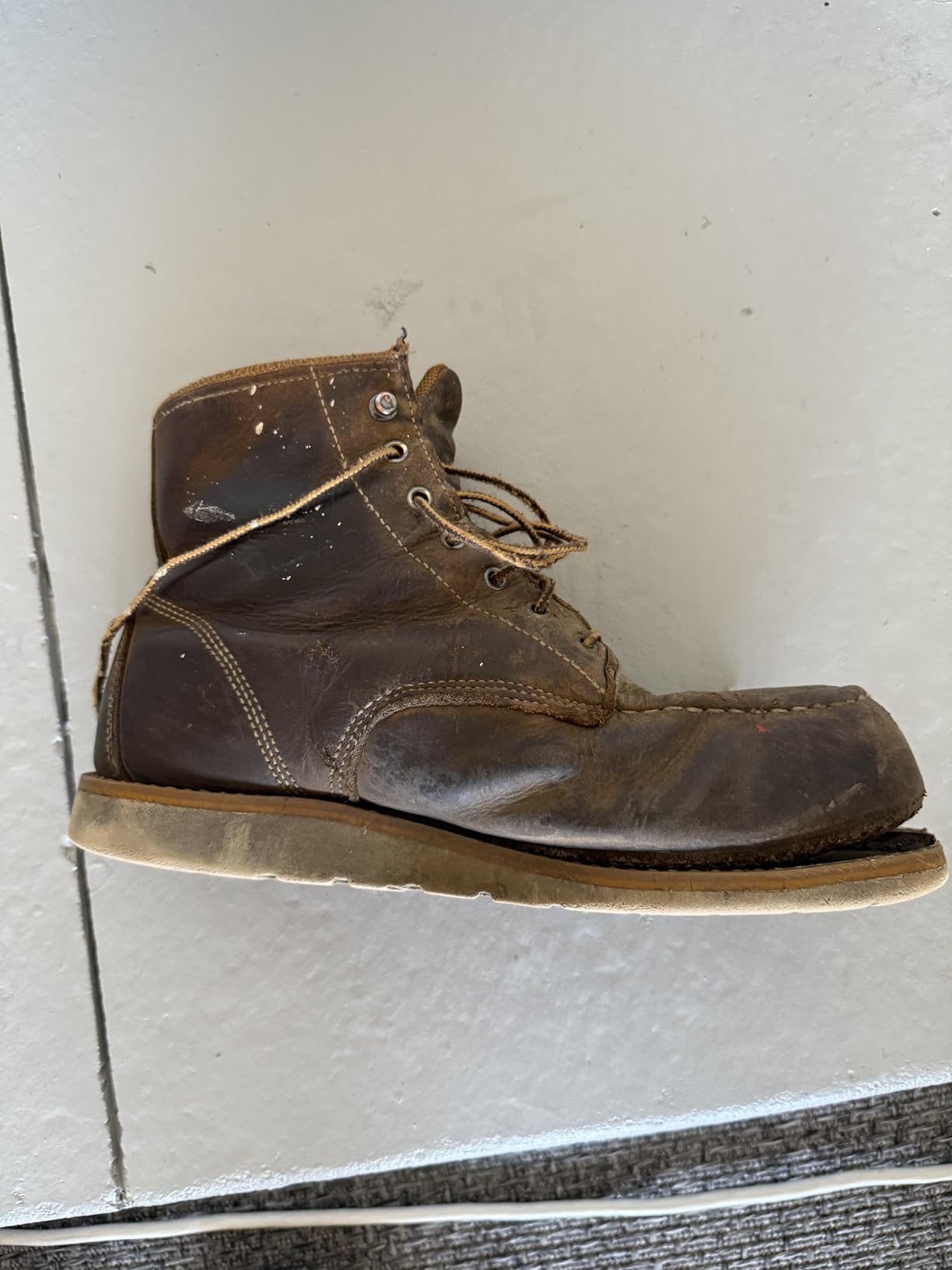
The underfoot setup is where the shift-long comfort comes from: a PU cushion insole over a Strobel pad. A Strobel pad is a flexible fabric layer stitched to the upper that lets the footbed move and compress with you, and combined with a PU cushion it spreads pressure across a much larger area than a flat leather insole does.
Reviewers also report the waterproofing holding up while standing in several inches of flood water, and the construction holding together over a year of heavy public works and construction use. The steel toe is a moc toe meeting ASTM F2413-24, and the outsole is slip-resistant with a wedge profile for grip on hard floors.
When a welted boot is the right investment
A Goodyear welt is worth paying for when the outsole is the part that dies first. On abrasive concrete, the outsole wears, the upper does not, and a welted boot lets you replace the part that failed instead of the whole pair. For a worker who keeps one pair of boots for years, that is the difference between one purchase and three.
It also means you can resole the wedge rather than lose the wedge geometry. If you switch to a plain flat replacement sole, you have thrown away the main reason you bought the boot, so check that your resole service can rebuild the wedge profile.
Where it falls short
Weight and warmth. Owners report the boot as heavier than lighter work boots at around 875g per boot, and it can run warm enough to cause sweating during long shifts. On a hot dry slab, that trade is harder to justify than in a cold or wet environment.
There is also a specific hazard: the stitching along the moc toe can snag sparks during stick welding. If welding is part of your job, choose a smooth or rubber rand toe construction instead. The Wide width may feel too loose for wearers with narrow feet.
9. KEEN Utility Pittsburgh 6in – Roomy Toe Box
KEEN Utility Men’s Pittsburgh 6″ Leather Waterproof Steel Toe Work Boots
Anatomically correct asymmetric steel toe
KEEN.DRY waterproof membrane
KEY-TECH FLEX TPU plate
Removable dual-density EVA footbed
Pros
- Asymmetric steel toe gives a noticeably roomier
- non-crushing toe box
- Comfortable from first wear with little to no break-in
- KEEN.DRY waterproofing held up in deep mud and standing water
- Locking metal lace hooks stay tight all day
Cons
- Some models took about three weeks to fully break in
- Heel collar can be stiff and dig into the back of the leg
- Sole is more lugged than flat
- which some prefer less
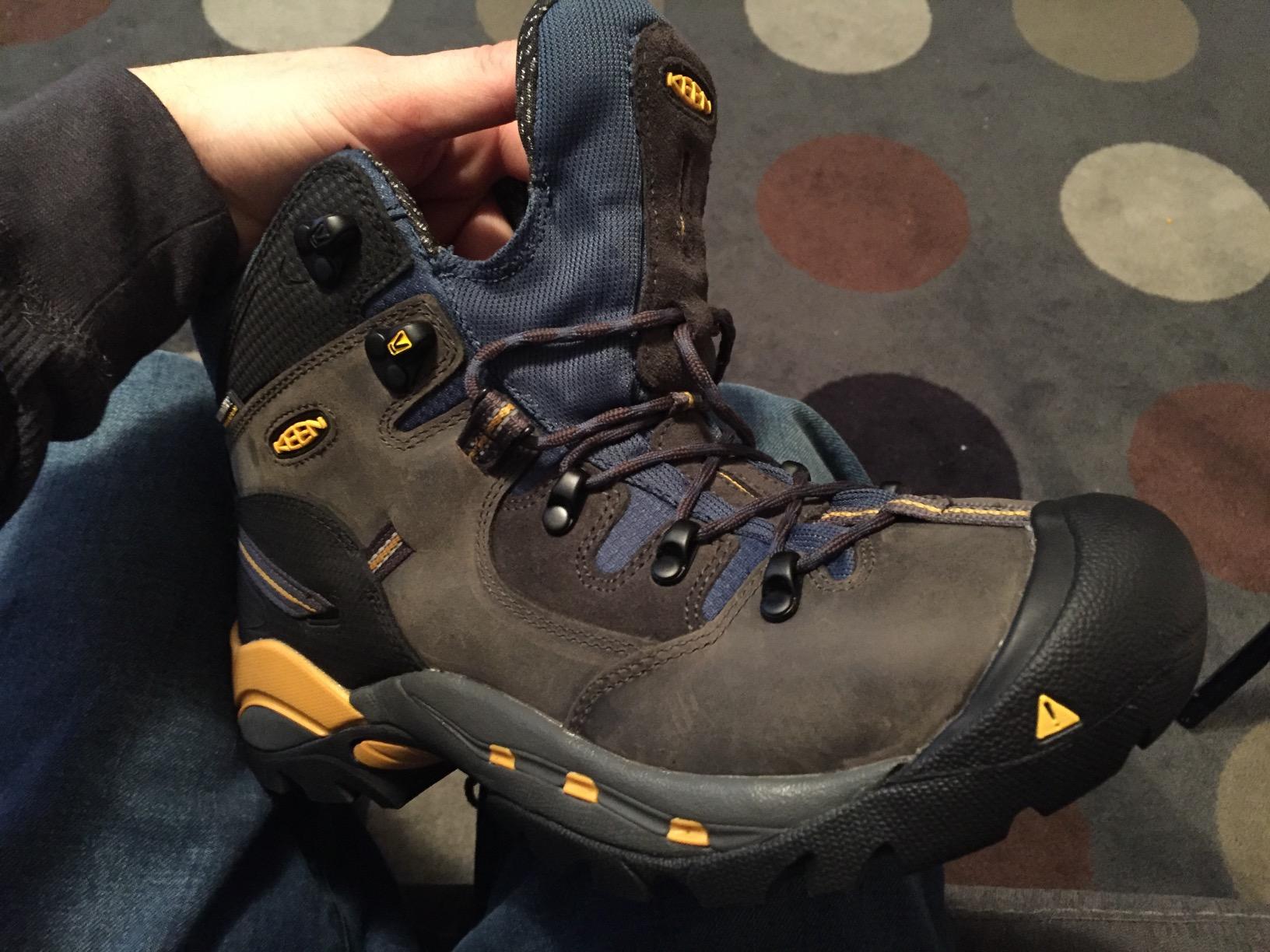
The defining feature of the Pittsburgh is its anatomically correct asymmetric steel toe, with a separate last shape for each foot. Most steel toe caps are symmetrical, meaning both feet get the same shape, and your big toe on one side spends all day pressed against a curve that was never designed for it. This is the single most common source of the pinched-toe pain our readers report on long shifts, and this boot is engineered around it.
The toe is rated to ASTM F2412 and F2413 at I/75 and C/75, so it is 75 foot-pound impact and compression rated. Underneath, a 90-degree heel and a full-length KEEN.KEY-TECH FLEX TPU interlocking torsional plate keep the foot from twisting, which matters on a wet or uneven slab.
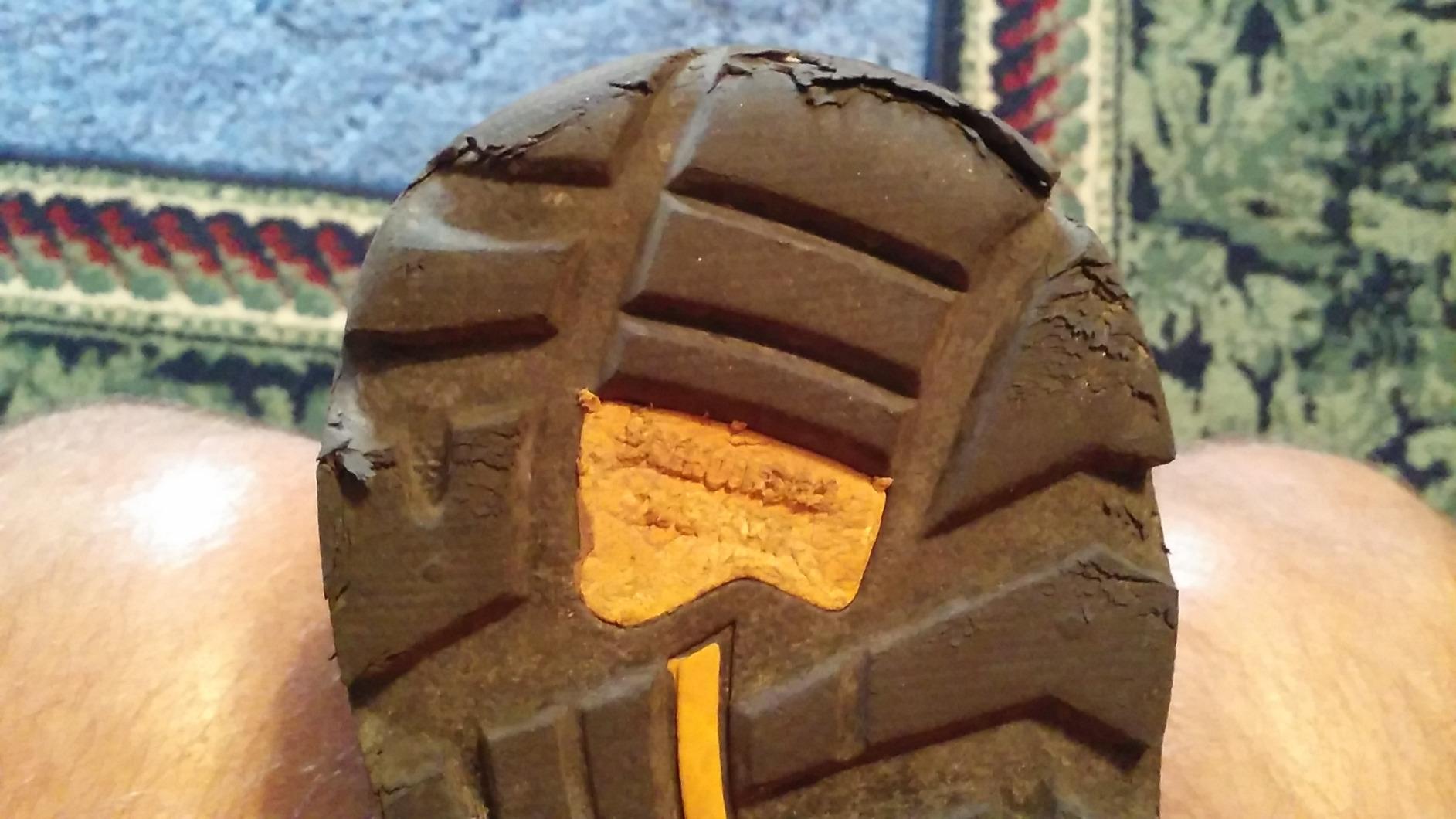
For concrete comfort, the outsole is oil and slip resistant non-marking rubber with a lug pattern, and non-marking matters in shops where scuff marks on a finished floor are a complaint. The KEEN.DRY waterproof breathable membrane liner held up in ankle-deep mud and standing water for owners, and the removable dual-density EVA footbed accepts a replacement insert.
With about 73% five-star ratings across more than 3700 reviews, reviewers single out the asymmetric steel toe and roomy toe box as the differentiator versus generic steel toe boots. Reflective webbing adds night visibility, and locking metal lace hooks keep the boot secure when you need to adjust it mid-shift.
Toe box roominess is a health decision, not a comfort preference
A cramped forefoot does more than hurt. Over a full shift it forces your toes into a position that loads the metatarsal joints unevenly, and the ache that shows up in your arch or your knees the next morning often starts in the forefoot hours earlier. People who stand 10 to 12 hours a day feel this more, not less.
This is why we rate roominess so highly. A boot that fits wide at the toes and still locks the heel is the shape that lets you keep working, and the wide sizing on this model accommodates wide feet properly rather than just adding length.
Where it falls short
The heel collar is the recurring complaint. Some owners report the collar material as stiff enough to dig into the back of the leg, and some models took about three weeks to fully break in, which undercuts the comfortable-from-day-one expectation.
It is also more lugged than flat, so if your floor is smooth indoor concrete and you are stationary for most of the shift, a wedge profile may feel better. If you need a low-cut option instead, our composite toe safety guide covers the lighter approach to toe protection.
10. NORTIV 8 Waterproof Steel Toe – Rugged Low-Price Option
NORTIV 8 Men’s Waterproof Steel Toe Work Boots,Black,10.5
ASTM F2413-18 steel front toe
Waterproof suede upper
Rubber lug outsole
MD cushioned insole
Pros
- MD cushioned insole designed for those who stand and walk for long hours
- Rubber lug outsole gives reliable traction in challenging terrain
- Reinforced heel and impact-resistant rubber toe add stability
- Waterproof suede and membrane help in wet
- snowy or muddy conditions
Cons
- Steel toe protection is basic compared to premium brands
- Water resistance depends on the suede and membrane holding up over time
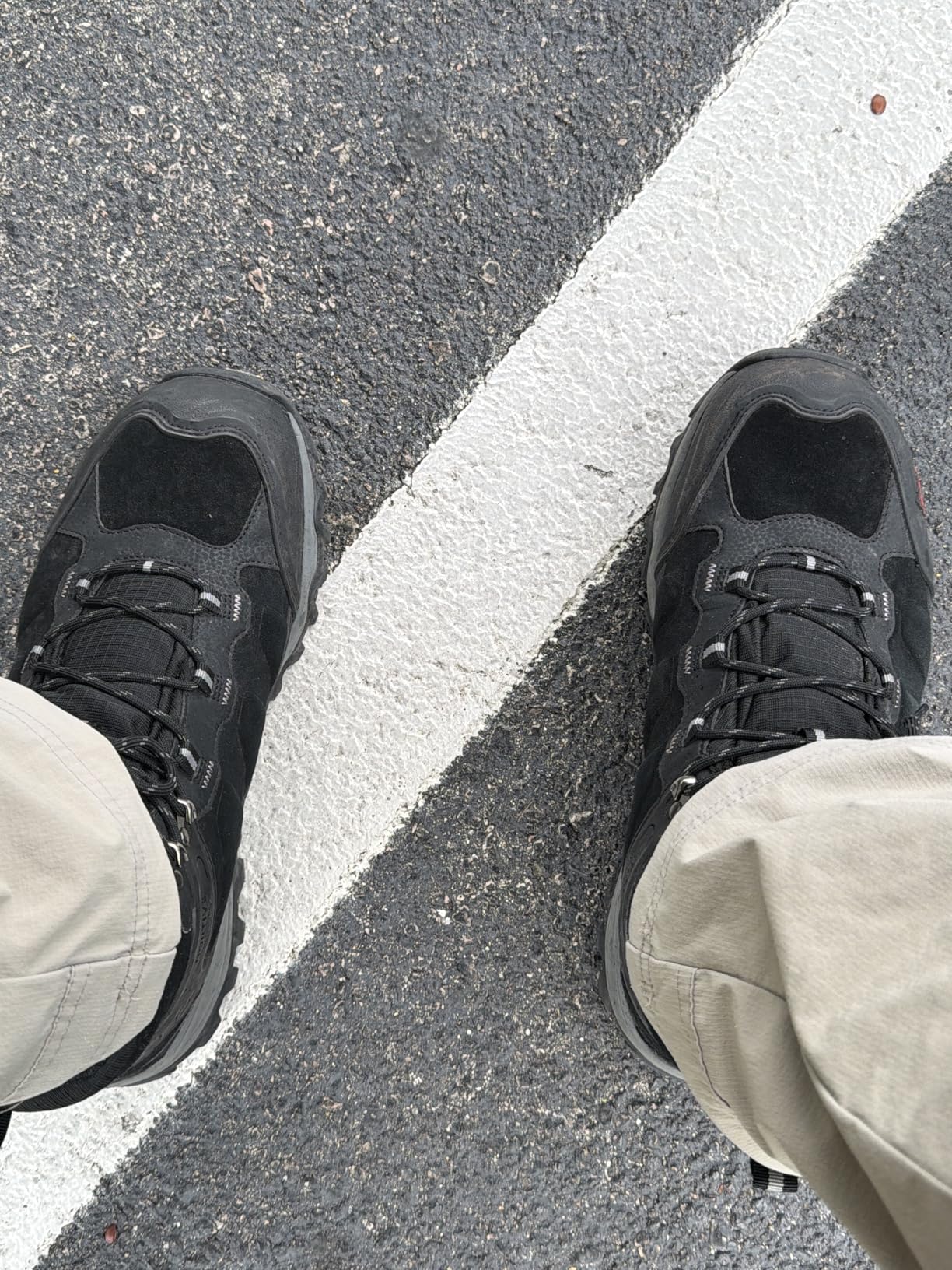
This is the budget-tier pick that nonetheless sits at 4.4 stars across more than 3300 reviews, with about 71% five-star ratings. The MD cushioned insole is described as designed for people who stand and walk for long hours, and at this price level a footbed marketed for that purpose is unusual, which is why it earns the recommendation.
For outdoor conditions the specification is strong: waterproof suede with a membrane structure, a rubber lug outsole, and an impact-resistant rubber toe with a reinforced heel. The reinforced heel is what stops the boot rolling when you are carrying weight on uneven ground, and it is the detail that separates this from a plain steel toe work shoe.
Buyers highlight the cushioned insole for long standing hours, the lug outsole traction, and the reinforced heel stability. The steel front toe meets ASTM F2413-18 against impact and compression, which clears the ASTM standard even though the protection itself is simpler than a premium toe cap.
One thing to keep in mind: water resistance is a consumable property here. Suede and membrane degrade with time and abrasion, so if you are outdoors in wet conditions every day, plan on a boot you replace sooner rather than one that lasts indefinitely. For indoor dry concrete, the light weight and cushioned insole make it a reasonable first pair.
Where the low price does not cost you much
At the lower end of the market, the usual compromise is comfort, and this model does not make it. The MD insole is the piece that would normally be a thin flat liner, and here it is a shaped cushioned insert. That is the difference between a boot you can stand in and one you cannot.
The lug outsole pattern also does the right thing for concrete that is not indoors. If your work takes you between a warehouse slab and a muddy or snowy yard, deep lugs give you something a flat wedge sole cannot on soft ground.
Where it falls short
Toe protection is basic compared to premium brands. It passes the ASTM standard, but if your work involves heavy equipment, steel beams, or dropping loads from height, a premium toe cap with a fuller shape is worth the step up, and our steel toe comparison breaks that down.
Water resistance depends on the suede and membrane continuing to hold up over time, and no amount of conditioning brings a degraded membrane back. Treat it as an outdoor-season boot rather than a permanent wet-weather solution.
11. KELODON Waterproof 6in Moc – Lightweight Cushioning
KELODON Waterproof Steel Toe Boots For Men 6″ Moc Work Boots Brown Size 10
ASTM F2413-24 compliant steel toe
Kevlar midsole
EVA shock-absorbing interlayer
Memory foam insole
Pros
- Very light for a steel toe boot with almost no break-in needed
- Memory foam insole described as pillow-like and comfortable
- Not visually bulky despite steel toe protection
- Kevlar midsole adds puncture protection
Cons
- Sole and welt separation reported after about five months of daily wear
- Leather upper is not truly waterproof despite the listing claim
- Included shoelaces break down quickly
The KELODON is the pick for anyone who finds steel toe boots too heavy and clunky. It is light, the toe is not visually bulky, and the memory foam insole is described by owners as pillow-like. For indoor concrete where you are walking more than you are standing, that combination removes the two complaints we hear most about safety boots in an office-adjacent setting.
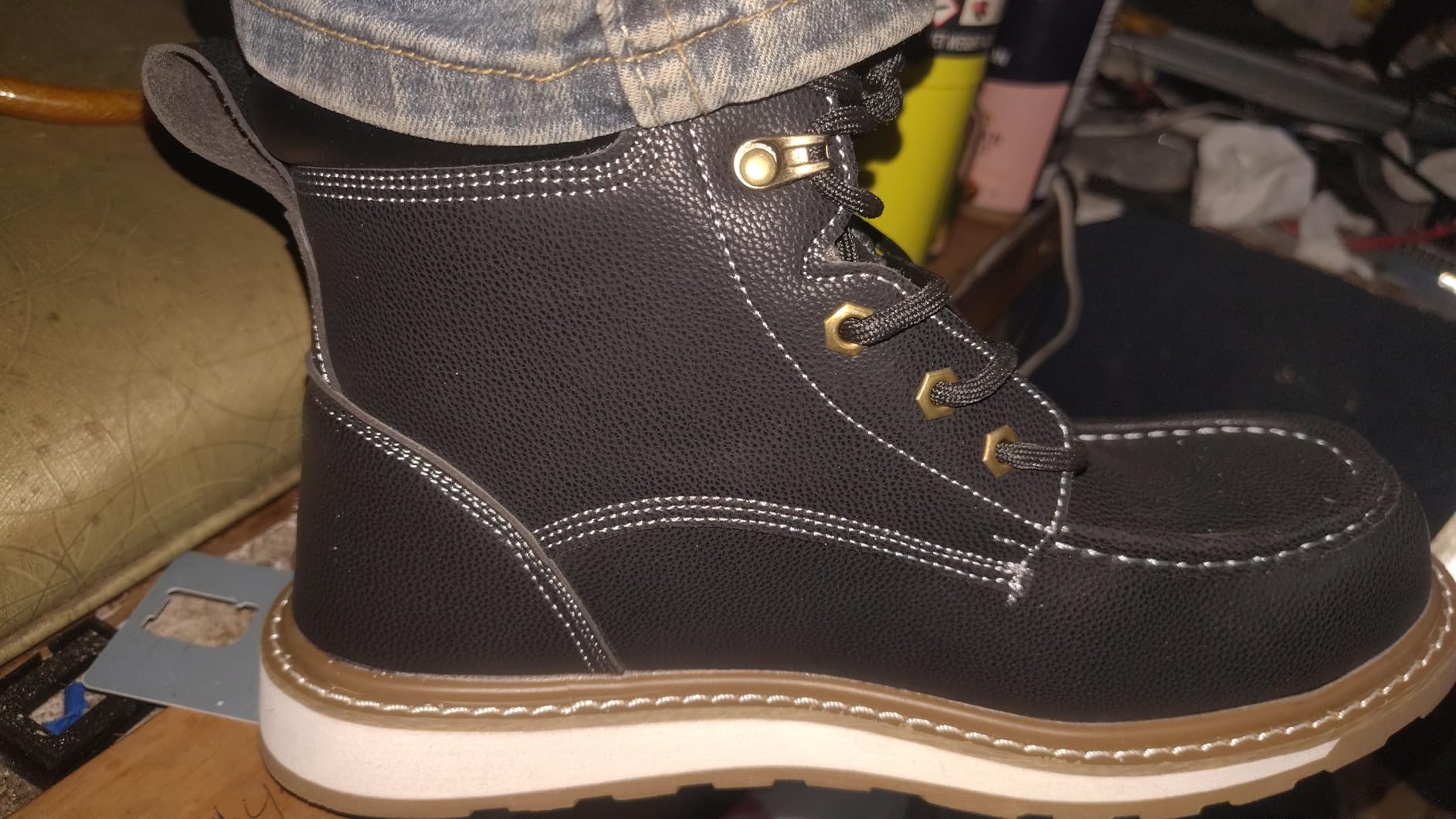
It is also ASTM F2413-24 compliant, and it adds a Kevlar midsole with a polyester sheath, which is real puncture protection you rarely see in this category. The outsole is rubber non-slip over an EVA shock-absorbing interlayer, and that interlayer is the concrete-specific detail here.
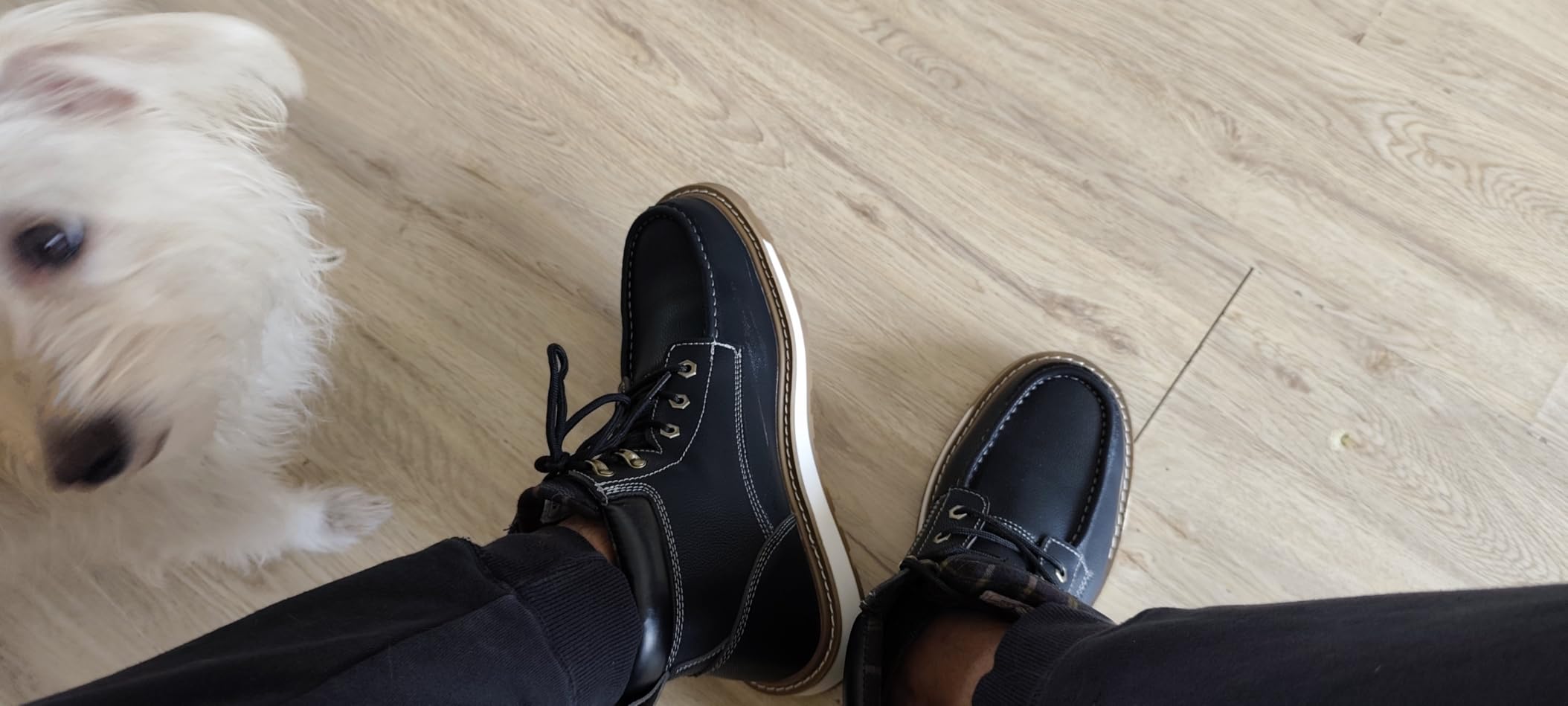
An EVA interlayer between the footbed and the outsole spreads the layer of cushioning deeper into the sole, so the shock reaches your foot already reduced before it reaches the footbed. Reviewers frequently praise the cushioning and the light weight, and the manufacturer has been noted for responsive customer service when problems do come up.
The rating is 4.1 with about 62% five-star ratings, the lowest average in this group, and the reason is consistent across reviews: durability. Sole and welt separation is reported after about five months of daily wear, and the most common complaint in the review base is overall build longevity rather than comfort.
Best for light-duty indoor concrete
If your work is indoor, if you are on your feet but not hauling, and if the idea of a clunky steel toe boot in a uniform or office-adjacent space bothers you, this is a sensible choice. Reviewers note the attractive moc styling that works in an office with a warehouse job, which is a real consideration when a uniform rule exists.
The memory foam insole also recovers between shifts in a way a flat EVA liner does not, so it feels consistent on day one and day one hundred. If you are on concrete for six hours rather than eleven, the cushioning here is more than enough.
Where it falls short
Durability is the clear limit. Sole and welt separation after about five months of daily wear is the single most reported problem, and reviewers also report that the leather upper is not truly waterproof despite the listing claim. Do not buy this boot for wet outdoor work.
The included shoelaces break down quickly, so keep a spare pair. At 4.1 stars it is the lowest-rated pick here, and that rating reflects build quality rather than comfort, which is the honest way to read it.
12. EVER BOOTS Tank S – Zero Break-In Anti-Fatigue
EVERBOOTS Tank S Steel Toe Work Boots for Men, Comfort Technology, Anti Slip Grip & Ultra Shock Absorption, Heavy Duty Leather Boot, Safety Industrial Workwear Construction(9, Dark Brown)
ASTM F2413-11 steel toe cap
Steel shank
EverFit comfort technology
Removable insoles
Pros
- Steel shank reduces and alleviates foot pressure on long shifts
- Comfortable straight out of the box with no break-in
- Removable insoles allow a customized fit
- Thick outsole resists punctures on rough job sites
Cons
- Backloop can limit how snug the top can be laced
- Steel toe adds some weight compared to composite toe models
The Tank S is built around a steel shank, and that one component does more for hard floors than almost anything else in this list. A shank is a rigid plate inside the boot that stops the foot from bending through the arch, and the practical effect is that the arch muscles stop doing the work on every step. Owners consistently cite reduced foot pressure on long shifts, which is the language of someone who works on concrete.
It is also the boot here that asks nothing of your patience. EverFit comfort technology with removable insoles is designed for immediate wear with no break-in, and reviewers confirm that impression directly. With about 67% five-star ratings across more than 3000 reviews, the comfort claim holds up.
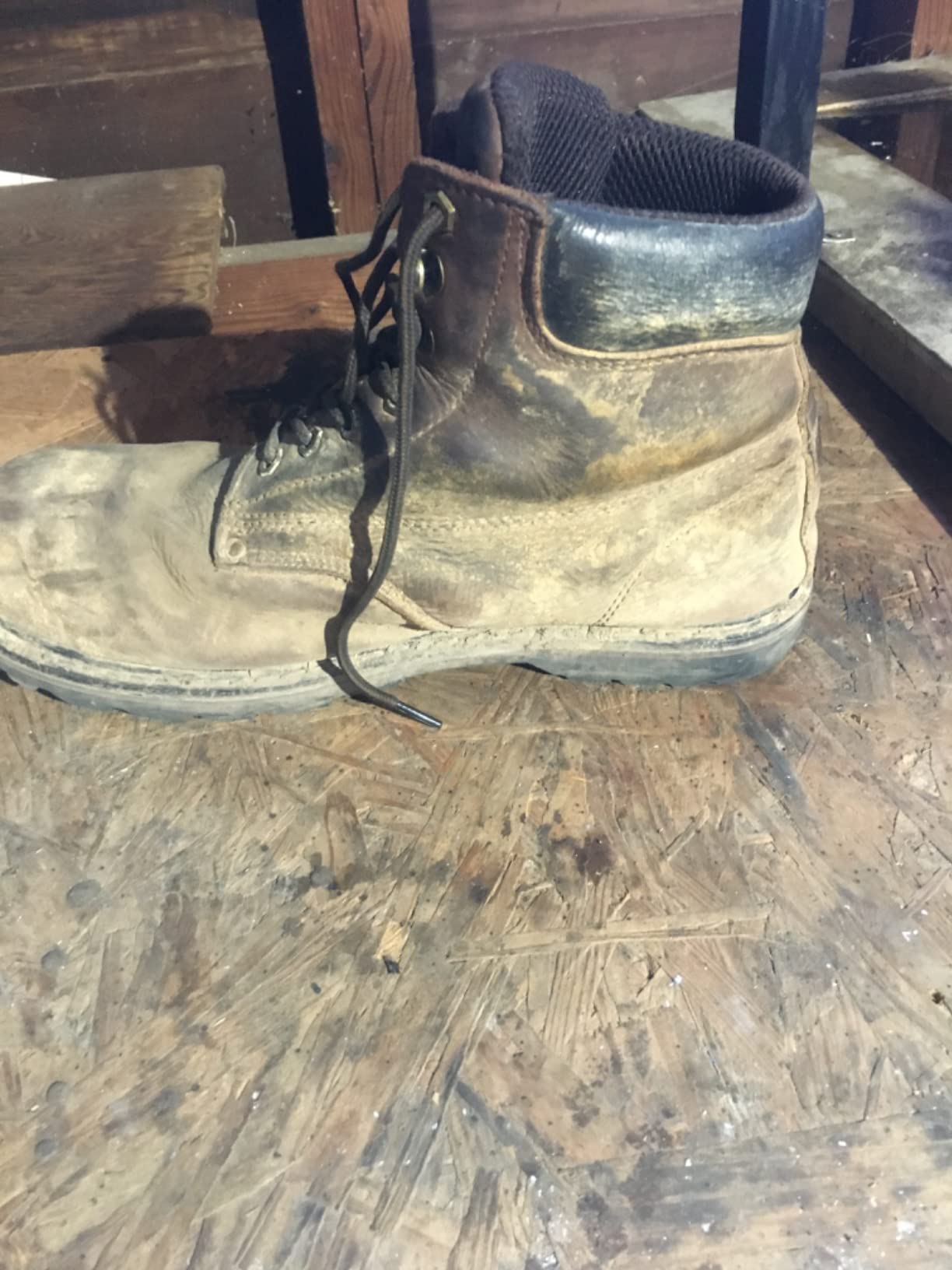
Protection is straightforward and correct: a steel toe cap meeting ASTM F2413-11 for impact and compression, and a thick outsole designed to resist sharp object penetration. The thick outsole is the other concrete-specific advantage here, because a deeper sole profile separates your foot from the slab more than a thin one does.
The backloop makes on and off easy without bending down, which is genuinely useful if you are getting in and out of a vehicle all day. A 90-day guarantee from the manufacturer backs the durability claim, which is worth noting on a boot that is not welted.
Who should put a steel shank first on their list
If you are flat-footed, if you already have plantar fasciitis, or if you have been on concrete long enough to develop shin splints, the shank is the feature that will help most. It reduces the demand on the plantar fascia and the shin, which are the two structures that break first under static load on a hard floor.
It also suits anyone moving between standing and climbing. Reviewers note the boot works well for stairs or ladders, and a shank that resists arch flex is exactly what you want when half your shift is vertical.
Where it falls short
The backloop has a real downside: it limits how snug you can lace the top of the boot, so on a wet floor or uneven slab you lose some lockdown. A few owners note this specifically. Check the fit with the boot fully laced before you commit.
The steel toe also adds weight compared to composite toe models, and on a boot that you carry up ladders all day, weight compounds. Our composite toe guide covers the lighter alternative if weight is your binding constraint.
Wedge Sole vs Lug Sole: Which Outsole Works on Concrete
Wedge soles are better for your feet when most of your shift is spent standing still, because the raised heel keeps your ankle at a natural angle and spreads load forward across the midfoot. Lug soles are better when you are walking on rough, wet, or outdoor ground, because the deep tread blocks grip into loose surfaces where a flat wedge floats.
The Thorogood MAXWear outsole is the reference wedge, and it meets ASTM F3445-21 for slip resistance, which is a more demanding test than the generic slip-resistant language most products use. The Carhartt wedge in this list follows the same principle, and the KEEN Utility Pittsburgh and the Wolverine Floorhand represent the lug approach with non-marking or deep tread patterns.
There is a third pattern worth knowing: the direct-attach TPU sole on the Timberland PRO MaxTRAX, which is neither a pure wedge nor a deep lug. Softer TPU compounds grip sealed indoor floors well and resist oil, which makes them a good middle choice for a shop or warehouse that is neither pure standing nor pure walking.
The failure mode nobody mentions
A wedge or lug outsole on abrasive concrete does not fail gradually. Once the tread smooths, you lose slip resistance and shock absorption at the same time, and the boot feels fine until the day you slip on a wet floor. This is the exact problem a garage journal poster described when their first wedge sole boots wore smooth in a matter of weeks on concrete.
So inspect the heel and forefoot every few months, and replace the sole before the tread goes flat rather than after. On a resolable boot this is a resole. On a cemented boot it means a new pair, which is exactly the argument for spending more on a welted or direct-attach construction.
Steel Toe vs Composite Toe for Concrete Floors
Steel toes are heavier, conduct cold, and are the standard on almost every construction and industrial site, while composite toes are lighter, cooler, and non-conductive. On concrete floors, weight matters more than most buyers expect, because a heavier boot means more cumulative load on your feet and knees over a ten-hour shift.
All twelve boots in this roundup use steel toes, and eleven of them are rated to current ASTM F2413 impact and compression standards at 75 foot-pounds, which is the common industrial rating. The practical rule is simple: if your employer or site specifies ASTM-rated safety footwear, a certified steel toe at I/75 C/75 is the safest assumption.
Choose composite only when you are working near live electrical circuits on a warm floor, or when you are on your feet all day and weight is the limiting factor. Our guide to the best composite toe boots covers the lighter end in detail.
Standing Still vs Walking All Shift: How to Choose
Nobody splits these two cases apart, and it is the biggest hidden variable in this whole category. If you stand in one place for hours, you need cushioning, arch support, and load distribution, because your calf muscles are idle and the pressure never clears. If you walk several miles across a slab every shift, you need a sole that flexes, grips, and does not fatigue your arch.
For stationary standing, favour a wedge sole or a boot with a thick compression-molded midsole, a removable footbed, and a roomy toe box. The Thorogood American Heritage, the Carhartt moc wedge, and the Timberland PRO Direct Attach MaxTRAX are the strongest fits for that description.
For walking-heavy work, favour a lug sole with a nylon or steel shank and a locking lacing system. The Wolverine Floorhand, the KEEN Utility Pittsburgh, and the EVER BOOTS Tank S all carry shank or torsional support, and each is built to keep your stride from loading the arch on every step.
How to Break In Steel Toe Boots Before a 12-Hour Shift
Wear them for two hours a day for the first week with thick socks, and walk rather than stand, so the upper flexes where it will flex on the job. A leather welted boot that flexes during a walk molds to your stride faster than one you stand in for two hours and then take off.
Replace the stock insole during week one. A thin factory liner is the first thing to fail on concrete, and every boot here except two has a removable footbed, so a shaped or high-cushion insert is a small change with an outsized effect on hour ten of the shift.
Use a leather conditioner on leather uppers before the first long shift, and again at month two. Conditioned leather stretches with your foot instead of resisting it, which is most of what people mean when they say a boot broke in well.
Lace up properly rather than loosely. Most heel slip on hard floors comes from an unlaced or loosely laced boot, and it adds friction that turns a blister into a problem. A boot you can pull and adjust quickly is worth more than a boot with a marginally better midsole.
Do your first full 12-hour shift at the end of week two, not the end of week one. Giving the sole and the upper a real day of loading before a marathon shift is the cheapest insurance available.
Insoles, Footbeds and Care on a Concrete Floor
Before you replace a decent pair of boots, replace the insole. A shock-absorbing or orthotic insert is a fraction of the cost of a new boot, and on a flat hard floor the insole is doing most of the shock absorption work that the midsole cannot. This is the single highest-value upgrade in this entire guide.
Second level is the stock liner replaced with a shaped arch insert if you have flat feet or plantar fasciitis, and third level is a custom orthotic if your pain is not resolving. If you have shin splints or knee pain that appears only on workdays, a foot problem is the most likely cause, and an insert addresses the cause rather than the symptom.
Concrete dust and grit are harder on boots than the concrete itself. Grit works into the welt and the seam lines and acts like sandpaper against the leather every time you flex the boot, so brush the welt line clean with a stiff brush after every shift and flush the outsole grooves before the grit turns to paste.
Dry boots at room temperature with the laces loosened. A boot dryer or a fan is fine; a heater is not. Leather and adhesives both suffer from concentrated heat, and a waterproof membrane that is dried aggressively will eventually fail at the flex point.
Keep the leather conditioned every couple of months and clean the toe and heel where abrasion shows first. If your floor work involves grinding or cutting concrete, the toe scuff pattern tells you when a boot is nearly finished, and that is the moment to resole rather than a month later.
Frequently Asked Questions
What are the best shoes to wear if you work on concrete floors?
The best shoes for concrete floors are steel toe work boots with a thick shock-absorbing midsole, a wedge or rockered outsole that spreads load across the whole foot, and a wide flat base for stability. On sealed indoor concrete, prioritize a slip-resistant outsole and a roomy toe box. If you stand still most of the shift, cushioning matters more than tread depth. If you walk miles across a slab, a shank and a flexible lug sole work better.
What kind of boots are best for concrete work?
Boots with a compression-molded EVA or polyurethane midsole, a wedge heel angle, and a certified ASTM F2413 safety toe are the best choice for concrete work. A shank inside the sole reduces arch fatigue, and a removable footbed lets you add a shock-absorbing insert. Avoid thin cemented soles with flat liners, because those are what wear smooth and stop absorbing impact within months.
Are wedge soles better for your feet?
Wedge soles are better than flat lug soles when you spend most of your shift standing still on a hard floor. The raised heel keeps your ankle at a natural angle and spreads load forward through the midfoot instead of concentrating it in the heel. Lug soles win on rough, wet, or outdoor ground where deep tread blocks grip into loose surfaces. The Thorogood MAXWear outsole meeting ASTM F3445-21 is the benchmark wedge.
What are the best boot soles for working on concrete?
A wedge sole is the best choice for indoor concrete because it distributes weight across the entire foot and flexes through the forefoot. A soft TPU lug sole rated for oil and slip resistance is the best choice for a warehouse or shop floor where you walk on sealed concrete. Deep rubber lugs are the best choice for outdoor, wet, or gravel surfaces. Avoid any outsole with a smooth heel, because a hard flat heel on sealed concrete is a slip hazard.
What features should I look for in work boots for concrete floors?
Look for six things: a thick shock-absorbing midsole, a wedge or rockered outsole, a roomy toe box, a removable footbed, an ASTM F2413 rated safety toe, and a slip-resistant outsole. Add a nylon or steel shank if you are flat-footed or already dealing with plantar fasciitis. Check the construction method too, since Goodyear welt and direct-attach boots can be resoled when the outsole wears smooth.
Is a steel toe boot good for concrete work, and how long does it take to break in?
A steel toe boot is good for concrete work and is the standard on most industrial sites, though the toe itself has little to do with comfort on a hard floor. Cushioning, shank support, and outsole geometry determine how the shift feels. Break-in depends on construction: a welted full-grain leather boot like the Thorogood American Heritage needs a couple of weeks, while a direct-attach or mesh-lined boot can be comfortable from the first wear.
Final Verdict for Concrete Floors in 2026
For most people on concrete, the Timberland PRO Pit Boss is the pick: the highest review volume in the group, a suspension system designed to cut foot fatigue, a roomy asymmetric steel toe, and a welted construction that can be resoled. If your floor is wet or you move in and out of the boot constantly, the CAT Threshold is the value answer, and if you are already in pain, the Timberland PRO Direct Attach MaxTRAX has the most durable cushioning of any pick here.
For pure standing, go wedge: the Thorogood American Heritage with its MAXWear outsole and Poron insole, or the Carhartt moc wedge if you also want waterproofing and a resolable sole. For walking-heavy and outdoor work, take the Wolverine Floorhand for its shank and tall shaft, or the KEEN Utility Pittsburgh if your toes need room. Whatever you choose, replace the insole before you replace the boot, and start your break-in two weeks before your first marathon shift.
Concrete will still be there tomorrow, and so will the shift. Pick the boot that fits the way you actually work, then give it a proper insole and two weeks of wear before you judge it.