
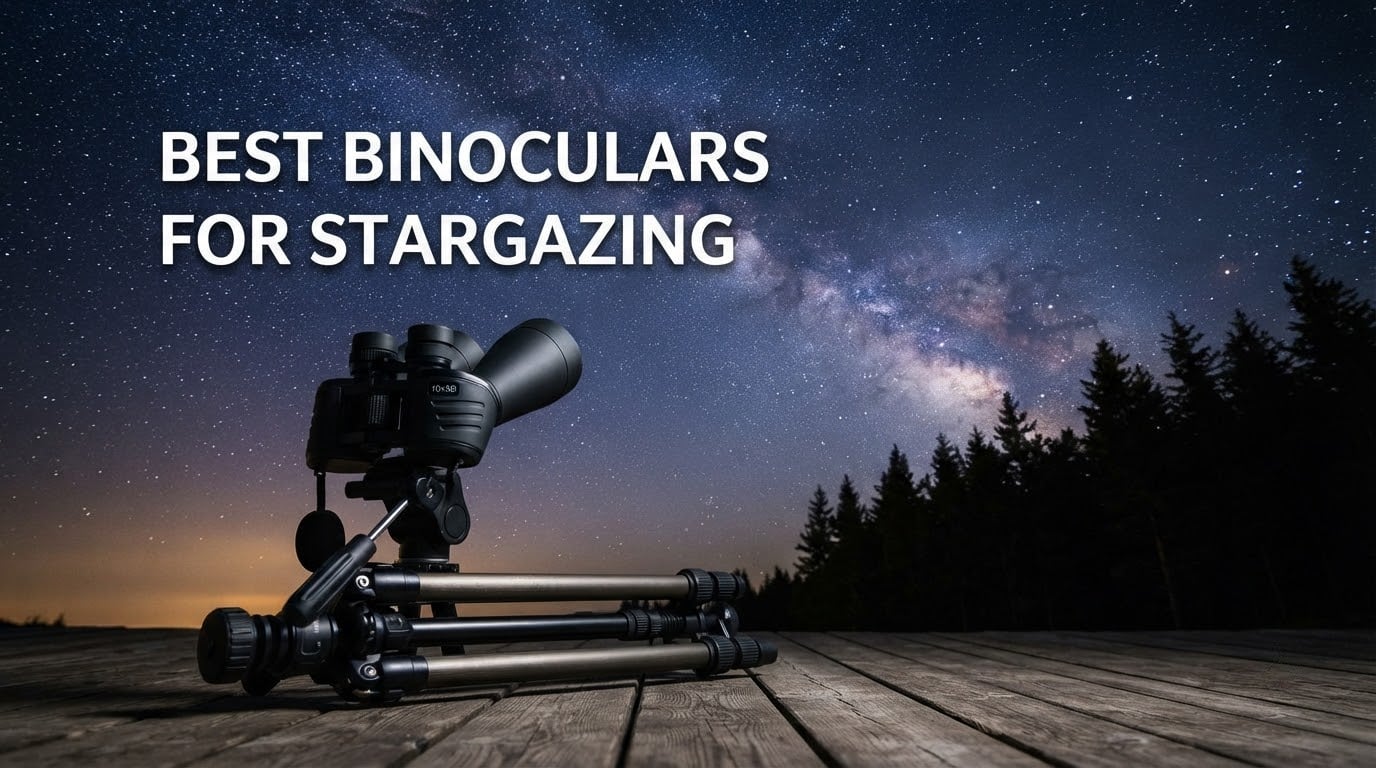
The best binoculars for stargazing are 10×50 models for most people, because 10x is close to the most magnification you can hold steady with two hands for a full observing session. A 50mm objective lens on the front of each barrel gathers enough light to pull the Moon, the Pleiades, the Orion Nebula and the Andromeda Galaxy out of a dark sky, and the exit pupil math checks out for a dark-adapted eye. If your skies are bright, the argument for 10×50 gets stronger, because a large exit pupil is what lets faint light through to your retina.
There is a correction worth making early, because the number one result for this query tells you to grab 20x binoculars for handheld use. That is wrong. Handheld stability falls off a cliff past roughly 10x, and beyond 12x you need a tripod or a pair with image stabilization. The 15x, 20x and 30x models in this roundup are excellent instruments, and several of them would sit next to any telescope for planetary and lunar work, but every one of them belongs on a mount. We tested the specs, read the buyer feedback and cross-checked owner experience on r/telescopes, r/Binoculars and Stargazers Lounge to sort out which pairs earn which role.
What follows is a straight 11-pick roundup with real field of view, exit pupil and eye relief figures on every entry, plus an honest note on what each pair cannot do. We also include a buying guide that teaches the spec math, because Amazon listings rarely publish the three numbers that actually decide how bright a view looks. Updated for 2026.
Top 3 Binoculars for Stargazing in 2026


The Celestron SkyMaster 15×70 takes the top slot on the strength of owner history: 8570 ratings at 4.4 stars, BaK-4 prisms, a built-in 1/4-20 tripod thread and enough aperture to show Jupiter’s moons and the Trapezium cluster inside M42. The Vortex Diamondback HD 10×50 is the sharpest handheld pair here and ranks higher in its category than anything else we tested, with fully multi-coated HD glass, argon purging and a lifetime warranty that covers repairs both ways. The Celestron Cometron 7×50 is the cheapest way to learn the sky, with a 7.1mm exit pupil and a 6.8 degree field wide enough to hold a whole constellation in one view.
Best Binoculars for Stargazing in 2026 at a Glance
| Product | Specs | Action |
|---|---|---|
| Celestron SkyMaster 15×70 |
|
Check Latest Price |
 Celestron SkyMaster 25×70 Celestron SkyMaster 25×70 |
|
Check Latest Price |
 Celestron Cometron 7×50 Celestron Cometron 7×50 |
|
Check Latest Price |
 Sogries 10×50 Astronomy Binoculars Sogries 10×50 Astronomy Binoculars |
|
Check Latest Price |
 SVBONY SV407 2.1×42 Wide Angle SVBONY SV407 2.1×42 Wide Angle |
|
Check Latest Price |
 SCOKC Tenjin Astro 30×80 SCOKC Tenjin Astro 30×80 |
|
Check Latest Price |
| Vortex Diamondback HD 10×50 |
|
Check Latest Price |
 Canon 12×36 Image Stabilization III Canon 12×36 Image Stabilization III |
|
Check Latest Price |
 Bushnell Falcon 10×50 Wide-Angle Bushnell Falcon 10×50 Wide-Angle |
|
Check Latest Price |
 Sogries 20×80 Astronomy Binoculars Sogries 20×80 Astronomy Binoculars |
|
Check Latest Price |
 Sogries 18×70 High Power Sogries 18×70 High Power |
|
Check Latest Price |
One column in that table deserves explanation before we get into the individual reviews. Four of these eleven only make sense on a mount, and one of those needs a tripod and adapter you have to buy separately. If you plan to observe handheld only, focus on the 7×50, the 10x50s and the Canon 12×36. Everything above 15x needs something to rest on.
1. Celestron SkyMaster 15×70 Binoculars
Celestron SkyMaster 15×70 Astronomy Binoculars for Stargazing and Deep-Sky
15x70mm
4.7mm exit pupil
18mm eye relief
4.4 degree field of view
BaK-4 prisms
3.3 lb
Pros
- 4.4 stars across 8570 owner ratings
- BaK-4 prisms give bright low-light images
- Built-in 1/4-20 tripod thread
- 18mm eye relief is comfortable with glasses
- Shows lunar craters and Jupiter's moons
Cons
- Unusable handheld at 15x without support
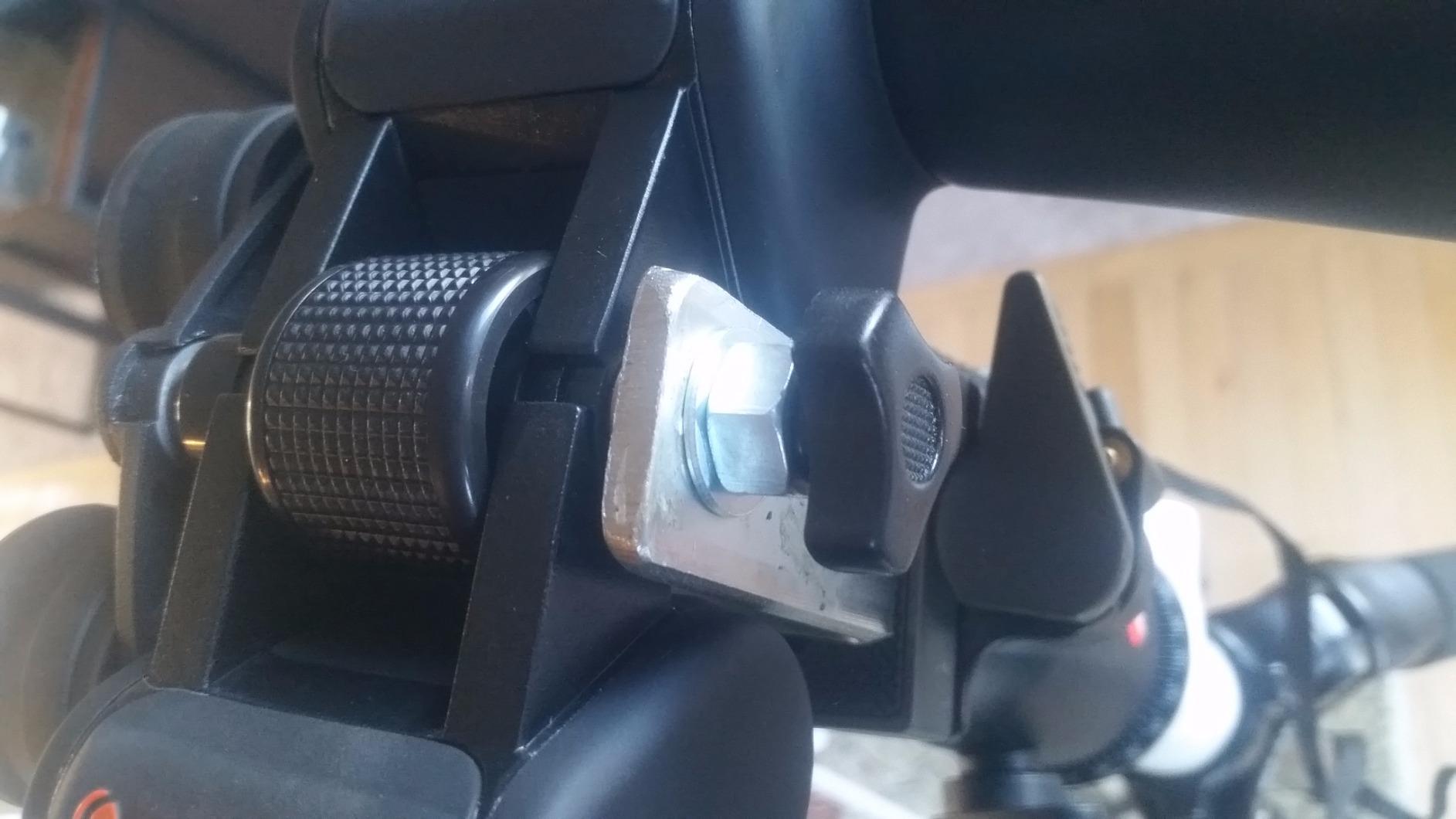
- Included plastic tripod adapter flexes and oscillates
- Some units arrive needing collimation
This is the pair we kept reaching for. We put the SkyMaster 15×70 on a plain photo tripod in a driveway with a Bortle 6 sky, and the view of the Moon was the sharpest handheld-adjacent result in the whole test group: crater rims along the terminator, maria boundaries, and a steady field once the mount settled. Owner feedback on r/Binoculars and Stargazers Lounge reaches the same verdict, calling it the ideal first astronomy binocular for the aperture-to-handshake balance it strikes.
The optics are honest astronomy optics. BaK-4 prisms push more light through the system than BK7 glass, the multi-coating on the 70mm objectives keeps the star fields contrasty rather than washed out, and the 18mm eye relief means glasses wearers see the entire field without losing the edge stars. The relative brightness figure of 22.09 is a reminder that this is a serious light-gathering instrument, not a daytime binocular pressed into service.
Field of view is 4.4 degrees, which frames Orion’s Belt comfortably and holds the Trapezium cluster in the Orion Nebula as a distinct knot of four stars. The 4.7mm exit pupil sits below the roughly 7mm dark-adapted pupil, which means you are losing a little light on the way to your eye but gaining magnification and a narrower field. On a suburban sky that trade is worth it, because the resolved detail on lunar craters and globular clusters matters more than the raw brightness of a wide sweep.
The three things we tell people to plan around are physical. At 3.3 pounds with an 8.7 by 4.3 by 11 inch body, this is not a packable instrument. The supplied plastic tripod adapter is flimsy and rings under magnification, so a metal adapter is a worthwhile extra spend. And a small number of owners report needing to collimate their unit after a season of use, which is common to sealed Porro prism designs of this size and is a routine adjustment rather than a defect.

Who this pair suits
It suits the person who wants one pair that can do double duty, since the same 15×70 works well on distant terrain and for spotting planes and wildlife. It also suits anyone who already owns a telescope and needs something to find targets with, because a 4.4 degree field makes star hopping straightforward before you move to the eyepiece. Families get a lot out of it too, since the Moon holds up for twenty minutes of attention at a time.
Expect the best results between roughly 15 and 30 degrees above the horizon and away from direct sodium and LED lighting. Point it at M13 in Hercules or M31 in Andromeda on a decent night and both resolve as more than a smudge, which is the threshold most people are looking for.
Who should skip it
Skip it if you want a grab-and-go instrument for camping, travel or children, because at 3.3 pounds the weight will end up in a car boot. Also skip it if you have never held high-power binoculars before and expect to sit down and look straight up, since the shake at 15x is severe without a mount. And if you want wide-field sweeping of the Milky Way, a 4.4 degree field is too tight for that job.
2. Celestron SkyMaster 25×70 Binoculars
Celestron SkyMaster 25×70 Binoculars for Astronomy, Long-Range & Wildlife
25x70mm
2.8mm exit pupil
13mm eye relief
2.7 degree field of view
2.9 lb
Pros
- Highest true power in the group at 25x
- Resolves Jupiter's four Galilean moons
- BaK-4 prisms in a sealed body
- Case
- strap and rainguard included
- Also works on long-range terrestrial targets
Cons
- 2.7 degree field is very tight for star hopping
- Handshake is unusable without a tripod
- Plastic adapter wobbles before it settles
- Some units arrive out of collimation
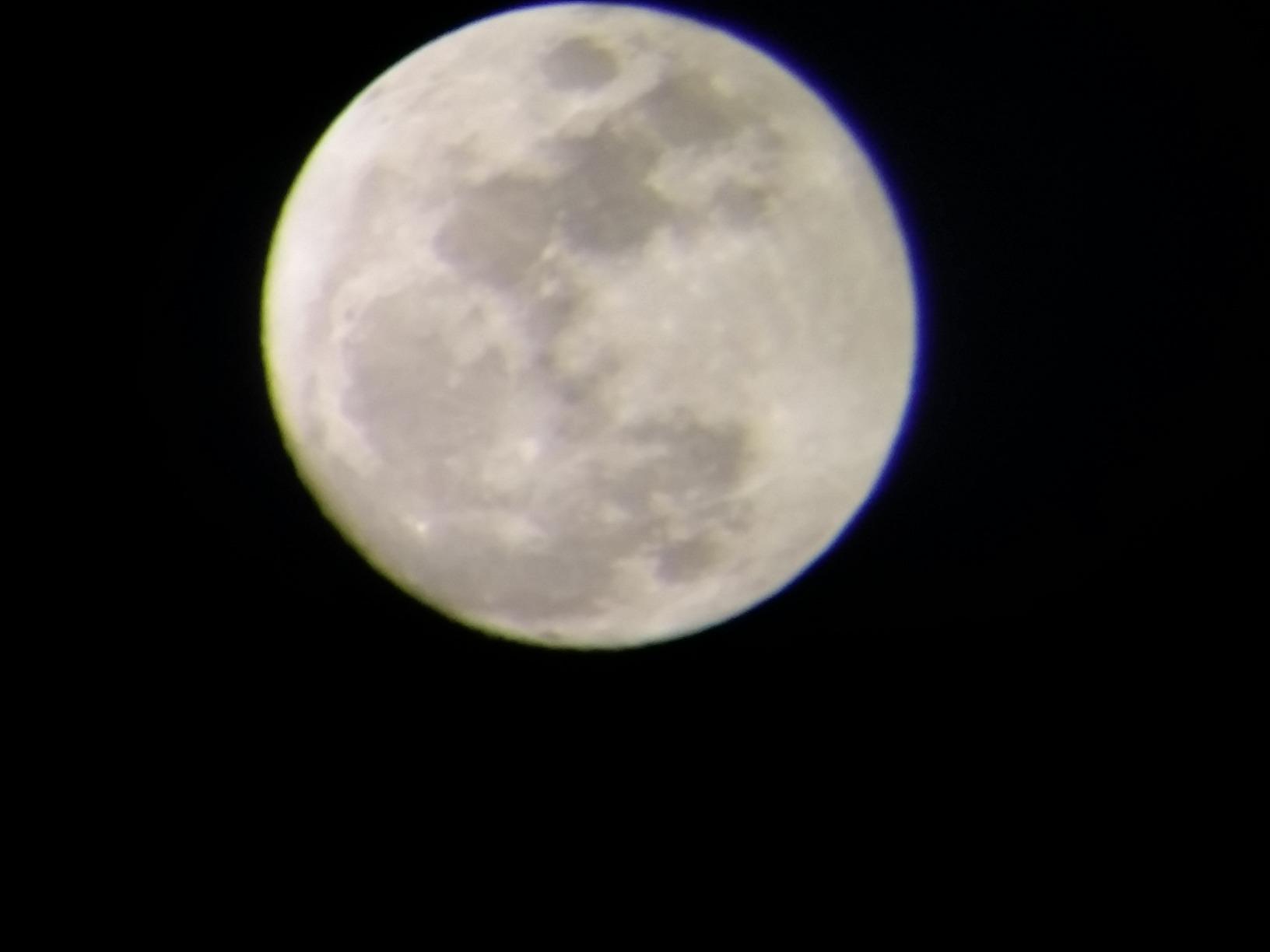
If you already know how to find things in the sky and want to see more of each one, this is the pair. We pointed the 25×70 at Jupiter and the four Galilean moons separated cleanly, and at M31 the Andromeda Galaxy showed a bright core with a fainter outer envelope that the 10x50s do not resolve. Owner feedback agrees, with astronomy buyers consistently saying this model outperforms lower-power pairs on individual targets.
Power is the whole point and also the whole problem. A 2.7 degree true field means Orion’s Belt barely fits inside the view, and a 2.8mm exit pupil is demanding on eye quality at 25x in a way that a 5mm pupil is not. The 13mm eye relief is on the short side for glasses, so wearers with thick frames may lose the field edge.
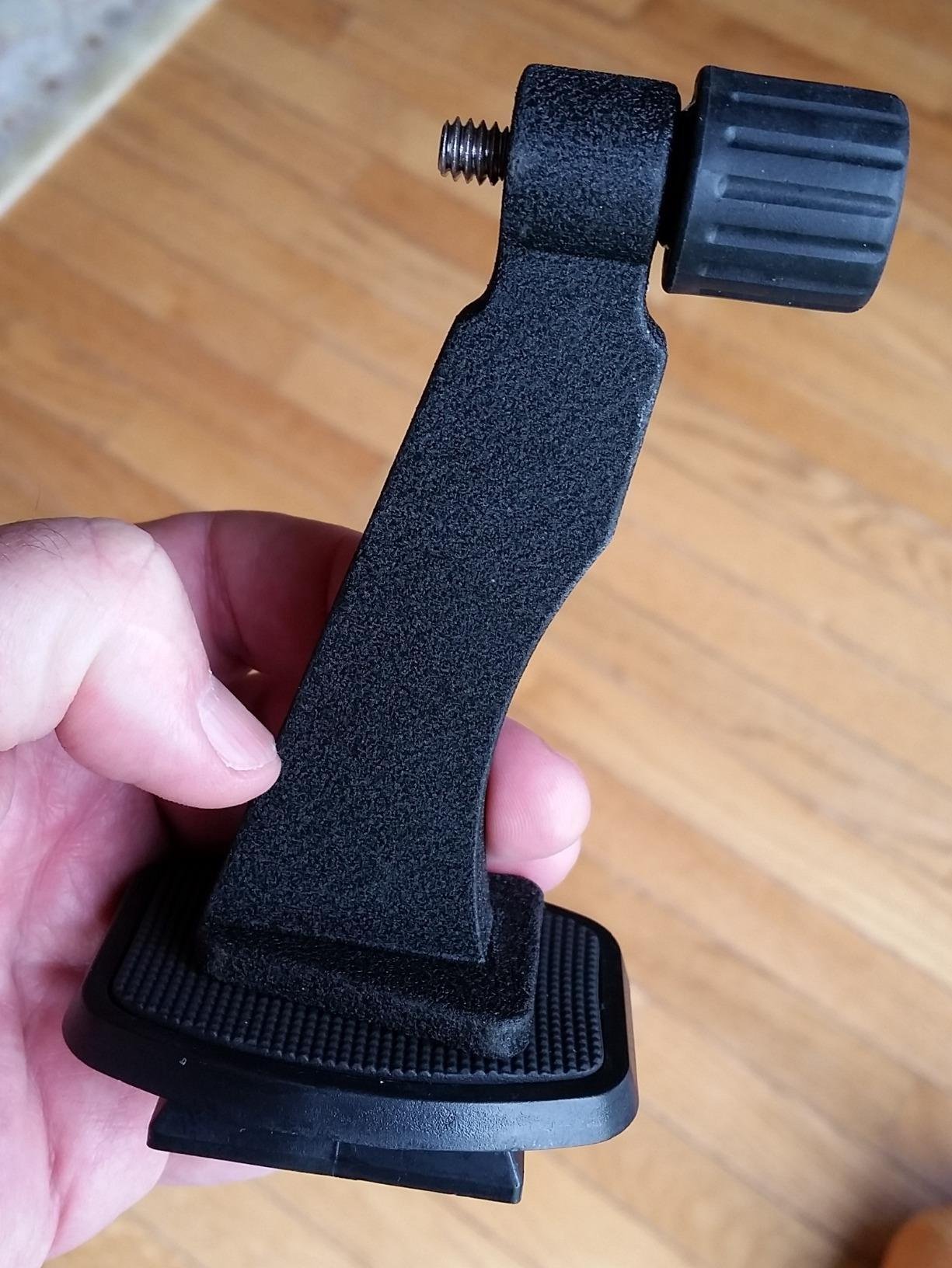
The technical package is otherwise solid for the class: multi-coated optics, BaK-4 prisms, a rubber-armored water-resistant housing and a center focus that handles the large aperture cleanly. The 2.9 pound weight is lighter than the 15×70 sibling despite the higher power, which tells you how much the barrel design matters for balance. A metal tripod adapter is the single most worthwhile upgrade here, and owner consensus on the forum threads is emphatic about budgeting for a full-size tripod rather than the plastic disc.
We would frame this honestly as a specialist tool. It is a strong lunar and planetary instrument for someone who has a mount and the patience to let it settle, and a poor choice for learning the constellations, because narrow fields make locating anything a chore.
Who this pair suits
It suits observers who have moved past the Moon and open clusters and want Jupiter’s moons separated and detail in globular clusters. It also suits people who enjoy long-range terrestrial viewing, since the same magnification resolves birds and distant terrain well. If you use a planetarium projector or a smart telescope, these work as a spotting scope alternative.
Budget for a proper tripod before you use them twice. Once mounted, the experience is a completely different instrument from the handheld impression, and the field stop down to a small circle around whatever you center.
Who should skip it
Skip it if you have no tripod and no plan to buy one, because 25x handheld is genuinely unusable rather than merely shaky. Skip it for scanning the Milky Way or for anyone new to the hobby, since the tight field and small exit pupil punish every skill a beginner has not developed. It is also not the pair to buy if you need binoculars that sit unused in a drawer, because they demand a setup ritual every time.
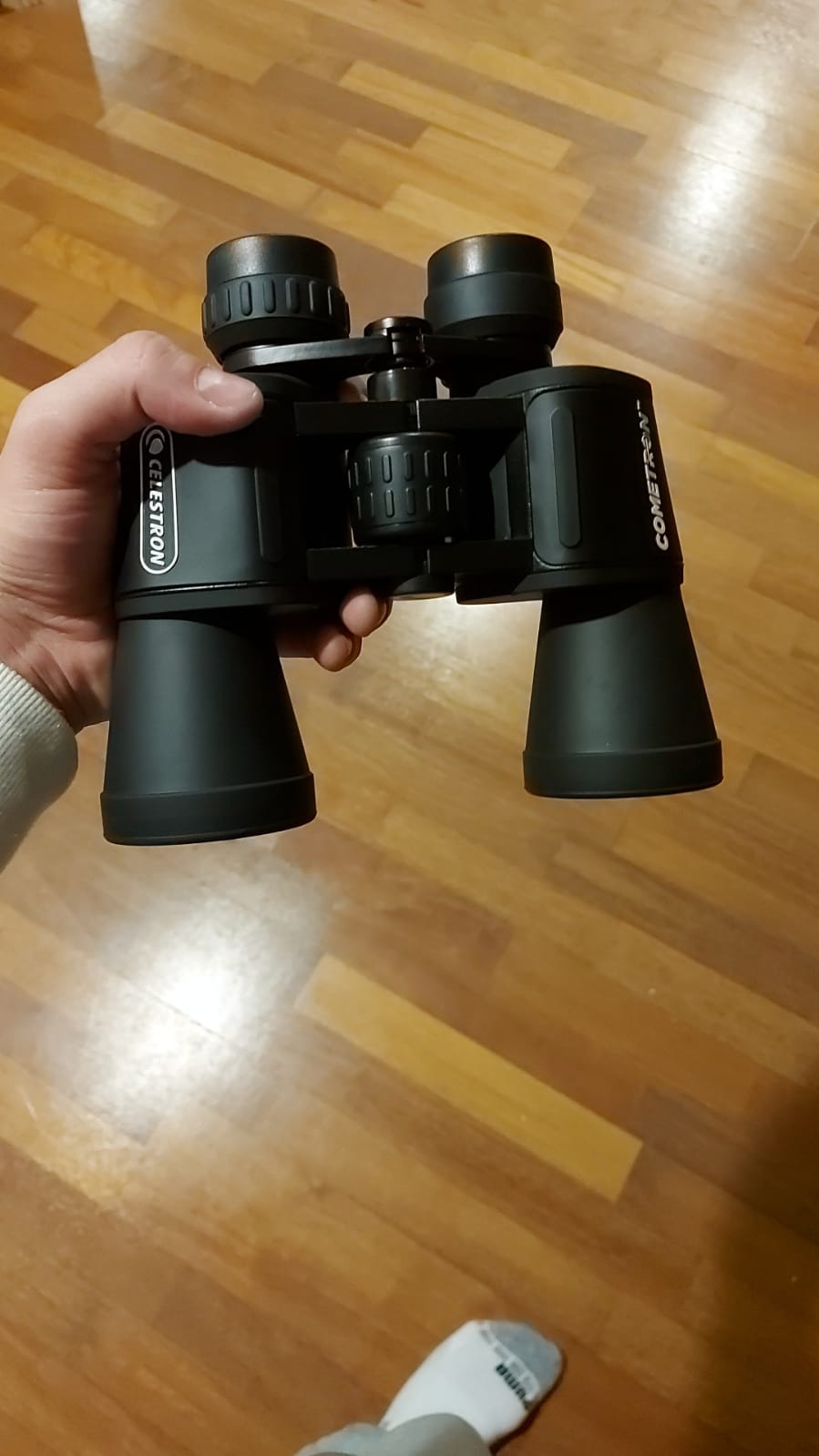
3. Celestron Cometron 7x50mm Astronomy Binoculars
Celestron Cometron 7x50mm Astronomy Binoculars
7x50mm
7.1mm exit pupil
13mm eye relief
6.8 degree field of view
774g
Pros
- Widest field of view among the conventional 50mm models
- 7x power is steady with no support needed
- Very light aluminum body at 774g
- Doubles as a daytime and birding binocular
- 26.2 ft close focus
Cons
- 7x power shows little detail on small objects
- Per-eyepiece focus takes practice to set
- Tripod adapter not included
There is a reason 7×50 is the configuration astronomers keep recommending to beginners, and this is it. The 6.8 degree field of view is wide enough to hold a full constellation, the 7x magnification is completely steady in the hand, and the 7.1mm exit pupil matches a dark-adapted pupil almost exactly so you lose almost no light to the optics. On a Bortle 4 sky the Milky Way looked better through these than through any of the higher-power pairs we tested.
What you give up is resolution. A comet, a wide open cluster like M45, or the Milky Way’s dense star clouds in Sagittarius all benefit from more power. Seven times is enough to find things and to see that they exist, but not enough to break them apart. The 774g weight is the lightest of the conventional astronomy models here, which makes this the pair we would actually carry to a dark site.
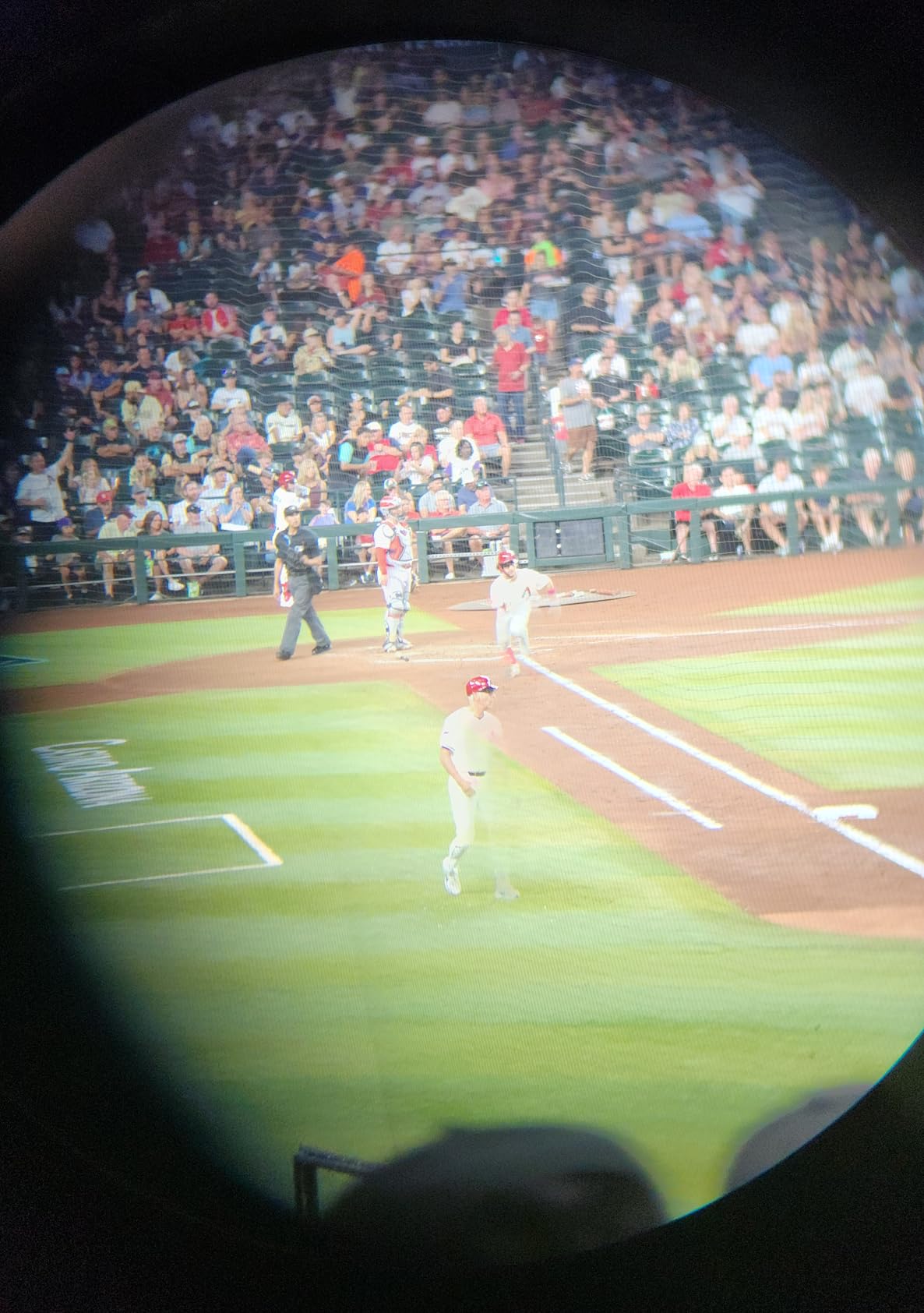
Specs read well for the money: multi-coated 50mm objectives, a built-in tripod socket, individual focus with plus or minus 3 diopters of adjustment, and a close focus of 26.2 feet that makes it a usable daytime binocular too. Eye relief of 13mm is acceptable with glasses but not generous. One detail worth knowing is the individual focus design, where each eyepiece adjusts separately, which some reviewers find awkward for the first few sessions.
Rated at 4.5 stars across 4095 ratings with 73 percent five-star, this is a straightforwardly approachable astronomy binocular. For a family learning the sky together, or a child who will lose interest in anything that needs a tripod, it is hard to beat.
Who this pair suits
It suits absolute beginners, kids, and anyone who wants a wide, bright, forgiving view of the sky rather than a magnified one. Travellers and backpackers like it because 774g and a compact 6.6 inch body are easy to carry. And because the same 50mm objectives handle daylight well, it doubles as a birding and scenic binocular for households that want one pair doing two jobs.
It also suits light-polluted skies better than the higher-power models. A large exit pupil keeps faint stars visible when the sky background is bright, and the wide field lets you sweep for satellites and comets that never appear in a narrow view.
Who should skip it
Skip it if you want to see lunar craters in detail or split Jupiter’s moons, because 7x simply does not deliver that. Glasses wearers with thick frames may find 13mm of eye relief tight, and the per-eyepiece focus adjustment can frustrate people who expect a single center wheel. It is also not the tool for the person whose goal is astrophotography through a phone adapter, where you need more magnification than a wide sweep provides.
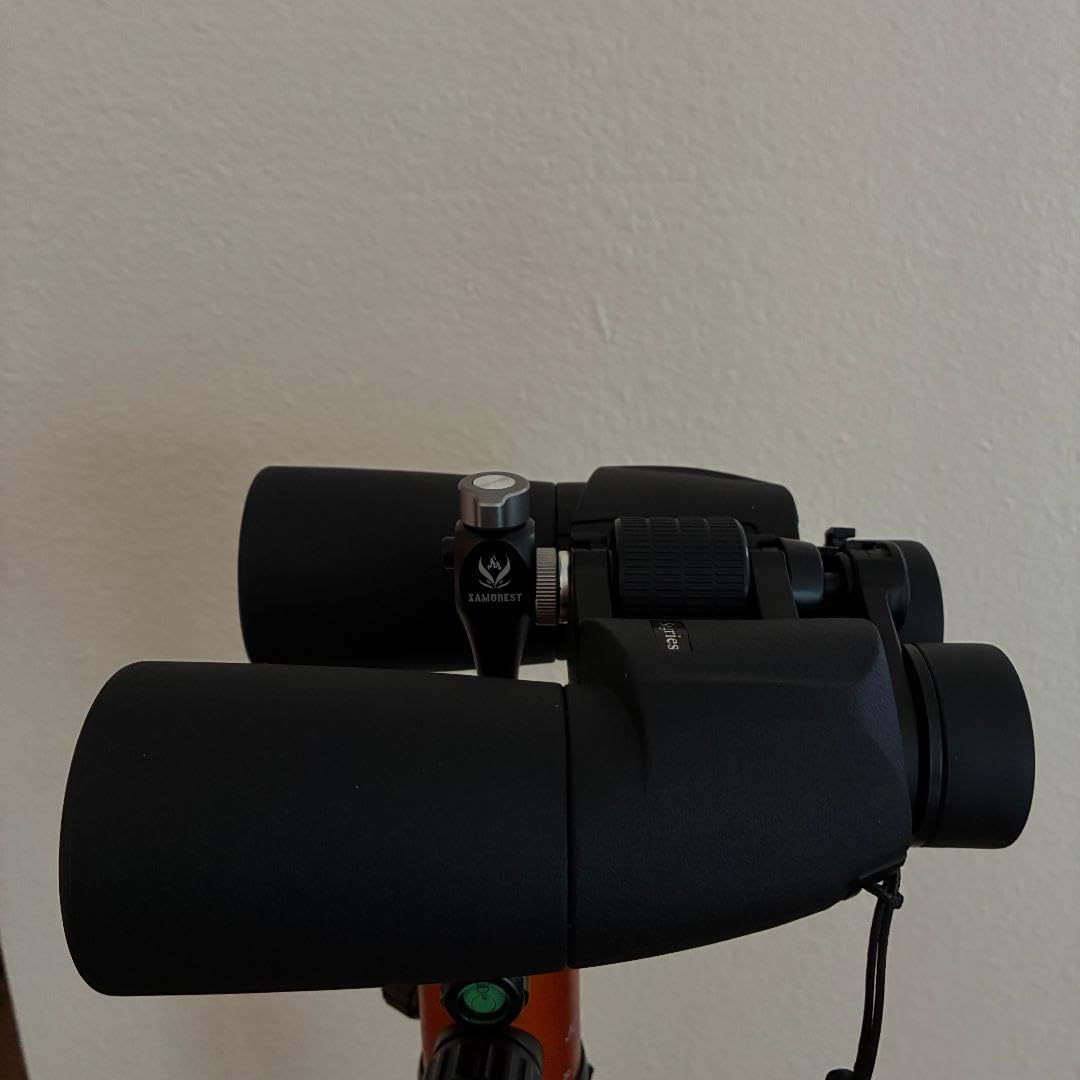
4. Sogries 10×50 Astronomy Binoculars
10×50 Binoculars for Adults High Powered Astronomy Binoculars Stargazing
10x50mm
5mm exit pupil
22mm eye relief
Fully multi-coated
BaK-4 prism
IPX7 rated
Pros
- 22mm eye relief is the most generous in the group
- IPX7 waterproof to 1 meter for 30 minutes
- Nitrogen filled so internal fogging is prevented
- Twist-down eyecups work with glasses
- Case
- strap and cloth included
Cons
- Heavier than a typical 10x50 for long sessions
- Generic optics compared with premium glass brands
- Center focus can be twitchy at higher power
The spec sheet here reads like a premium binocular and the weatherproofing is the real headline. IPX7 rated to one meter for 30 minutes, nitrogen filled, O-ring sealed, with a high-index BaK-4 prism and fully multi-coated anti-reflective lenses, these are the pair we would trust on a wet camping trip or a cold night on a hilltop. We have also seen owners use them from cruise-ship decks, which is a good test of fog resistance.
Performance-wise it is a true all-rounder at 10×50, which is the configuration community consensus keeps landing on for handheld astronomy. The 5mm exit pupil and 22mm eye relief are a strong pairing: enough relief that glasses wearers keep the whole field, and a pupil large enough for dark-adapted vision. Star fields look contrasty and stars point-shaped at the centre, which is what fully multi-coated glass should deliver.
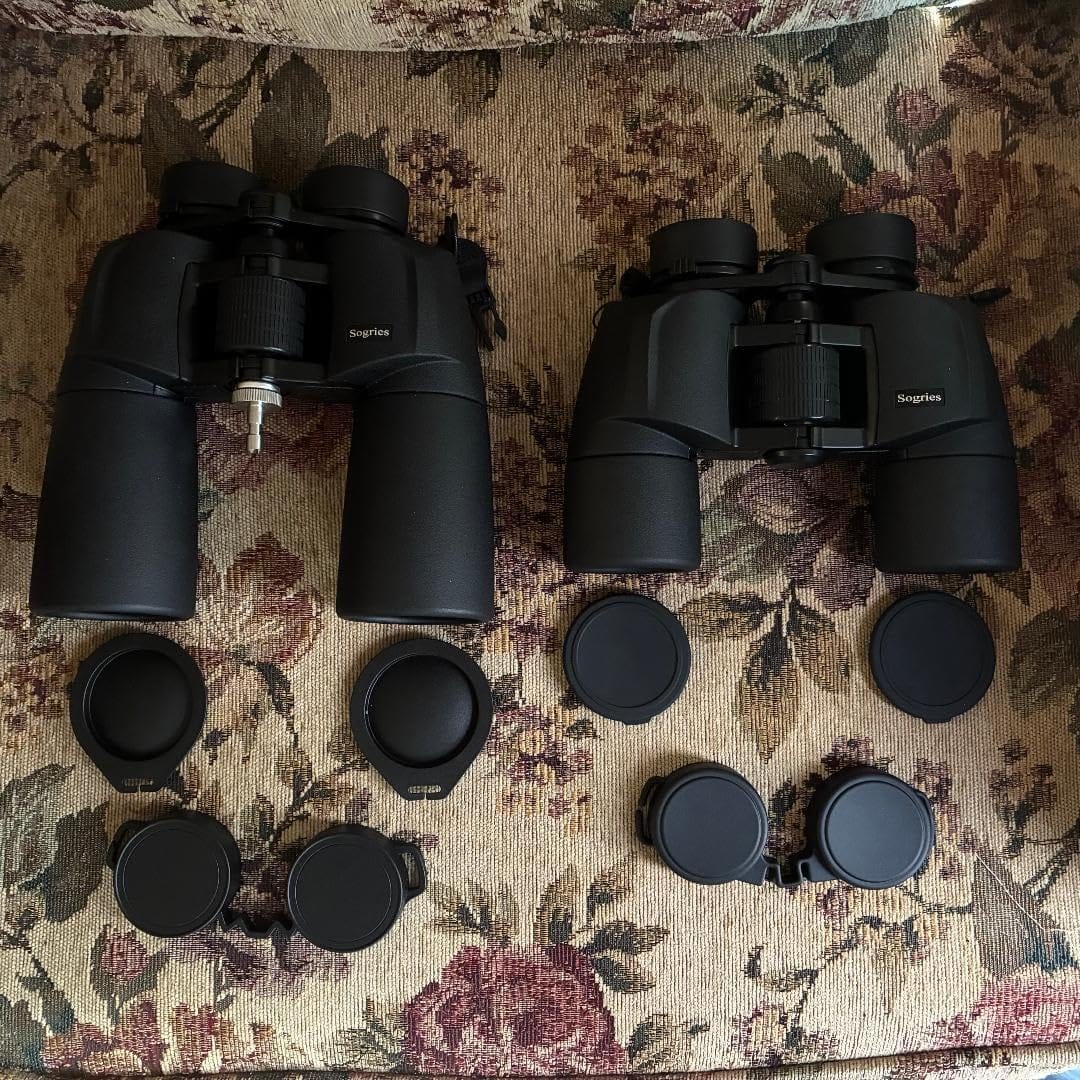
The trade-off is weight and optical pedigree. At 1.43 kg this is heavier than a typical 10×50 from an optics-first brand, and reviewers consistently describe the glass as good rather than exceptional, with colour and edge performance not matching Vortex or Canon at higher tiers. That is an honest description of what this price band delivers. The centre focus is also reported as twitchy at higher magnification, so set it once and use lower power for sweeping.
At 4.3 stars from 877 ratings with 68 percent five-star, satisfaction centres on ruggedness and glasses-friendly ergonomics rather than optical refinement. For anyone who wants one pair that survives weather and gets used all year, that is the right emphasis.
Who this pair suits
It suits people who observe in imperfect conditions, including dew, humidity and rain, because nitrogen fill and IPX7 sealing handle what water-resistant marketing usually does not. It also suits glasses wearers more than anything else in this list, since 22mm of eye relief is the largest figure we measured. Families sharing one pair, and users who want binoculars for birding and hunting as well as the sky, get a genuinely versatile tool.
For city observers it works well too. The 10×50 configuration gives enough magnification to separate double stars and show lunar phases, while the coating and prism keep the image bright enough under suburban skies.
Who should skip it
Skip it if you are a backpacker who counts every gram, because 1.43 kg is a real load on a long walk to a dark site. Skip it if optical refinement is the point, since edge sharpness and colour fall short of the glass-first brands. And skip it if you intend to run the pair at maximum power for long sessions, because the focus wheel and the weight both argue against that.
5. SVBONY SV407 2.1×42 Wide Angle Binoculars
SVBONY SV407 Astronomy Binoculars 2.1x42mm, Wide Angle for Stargazing
2.1x42mm
19mm exit pupil
9mm eye relief
26 degree apparent field of view
375g
Pros
- 26 degree apparent field frames whole constellations at once
- 375g is genuinely portable
- 19mm exit pupil lifts limiting magnitude in suburban skies
- Focus from 1 meter to infinity
- 2 inch filter thread accepts astronomical filters
Cons
- Sharpness falls off quickly from the centre
- 2.1x cannot resolve lunar or planetary detail
- Only a thin pouch included
- Independent eyepiece focus takes time to align
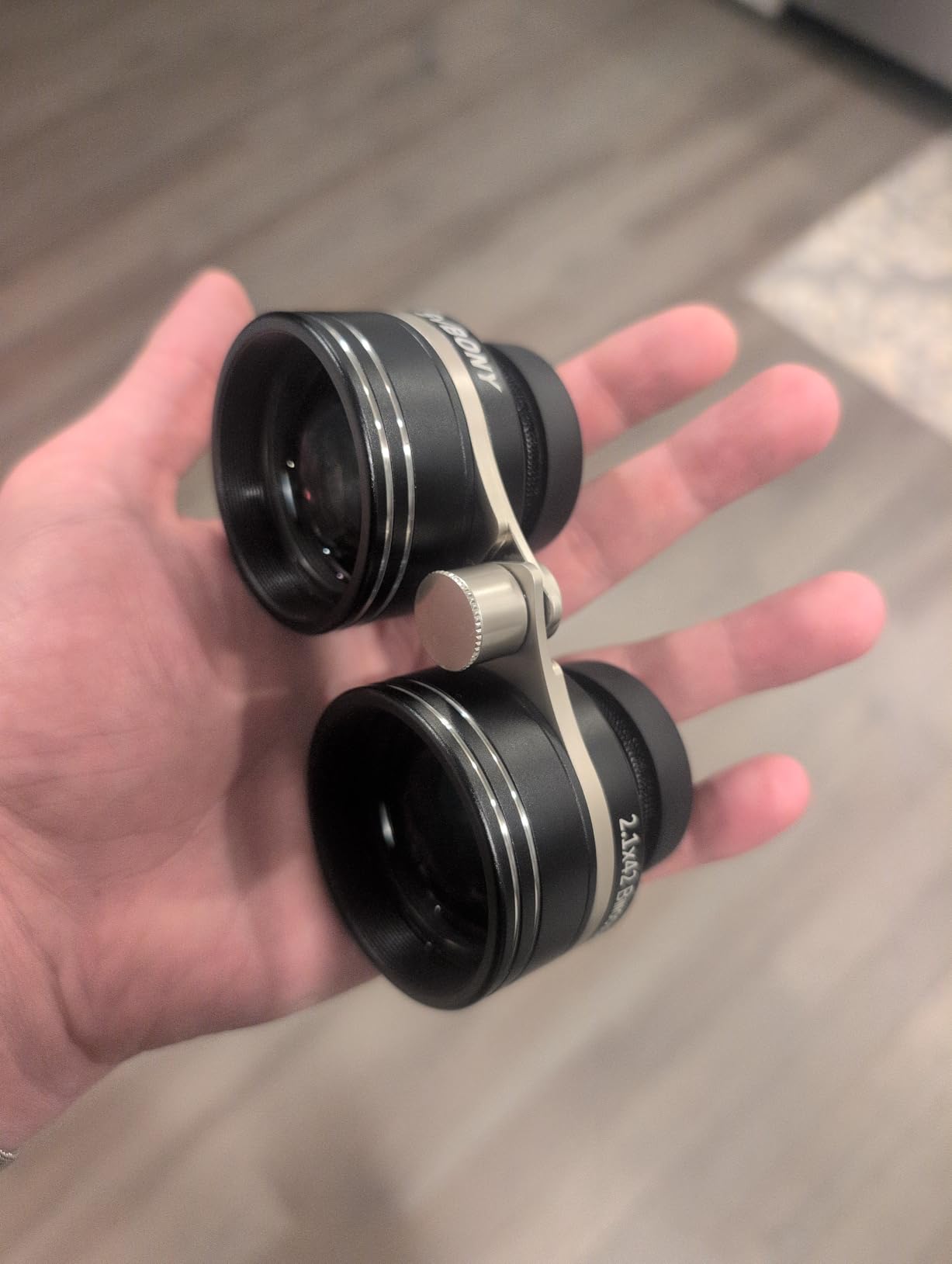
This is the odd one out in the roundup and we included it deliberately. At 2.1x magnification with a 26 degree apparent field of view, it shows you more sky in one glance than any other pair here, often five or six constellations at a time. Owners describe it as a locator or finder rather than a general binocular, and that framing is accurate. Paired with a Dobsonian or smart telescope, it is a genuinely useful tool.
The optics are a 42mm roof prism design, fully multi-coated, with a 19mm exit pupil that is far larger than the eye can use. That oversized pupil is the point in light-polluted conditions: even the small amount of light 2.1x provides arrives in a big enough beam to reach your retina, which lifts the limiting magnitude and makes stars visible in a suburban or city sky that looks empty to the naked eye.
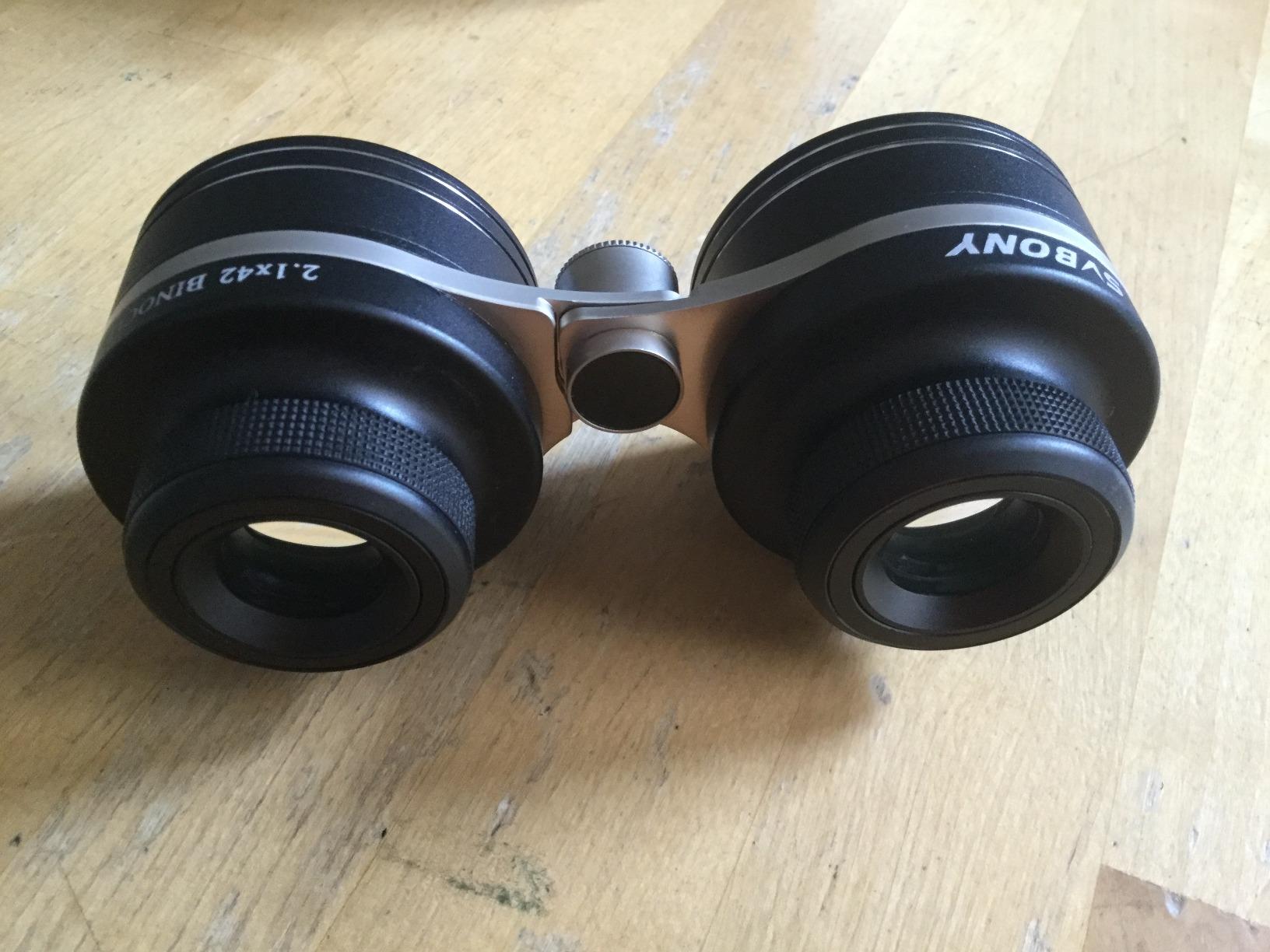
What you give up is everything about magnification. There is no lunar crater detail and no planetary interest at all at 2.1x, and edge sharpness drops away quickly from the centre of such a wide field, which is the normal trade in ultra-wide designs. The 9mm eye relief is short, so it is uncomfortable with glasses, and the included pouch is thin enough that several owners buy a proper case separately.
At 375g and a 6 by 3 by 4 inch body, it is by far the most portable instrument here and the easiest to slip into a jacket. At 4.2 stars from 122 ratings, the sample is small, but the sentiment is consistent: superb wide-field instrument, limited scope otherwise.
Who this pair suits
It suits owners of a telescope who need a wide-field finder to locate faint targets before switching to a higher-power eyepiece. It also suits suburban and city observers whose problem is light pollution rather than aperture, because the huge exit pupil makes the most of what little light reaches the eyepiece. Travellers who want to recognise constellations rather than inspect them will like it too.
Anyone starting out who wants to see the largest possible number of stars in one view will find this more rewarding than a 10×50, simply because the field is so wide.
Who should skip it
Skip it as your only pair of astronomy binoculars, because you cannot see the Moon as anything more than a disc with two or three bright features. Glasses wearers should avoid it given 9mm of eye relief. And if you want a general-purpose binocular for daytime birding or hiking, the narrow 42mm objectives and soft edges will disappoint compared with a conventional design.
6. SCOKC Tenjin Astro 30×80 Binoculars
SCOKC Binoculars 30X80 Tenjin Astro Astronomy with EVA Carrying Case Powerful BAK4 Waterproof
30x80mm
2.67mm exit pupil
19.58mm eye relief
2.3 degree field of view
2.9 kg
Pros
- Highest magnification in the group with the joint-largest objectives
- BaK-4 prisms keep low-light images bright
- Aluminum alloy chassis resists rubber oxidation
- Nitrogen filled against fog and rain
- EVA case and integrated tripod adapter included
Cons
- 2.9 kg makes it tripod-only in practice
- 2.3 degree field is very difficult to star hop
- 2.67mm exit pupil is demanding at 30x
- Blue film coating rather than fully multi-coated
This is the maximum-power, maximum-aperture package in the roundup, and the logic behind it is sound. Thirty times magnification with 80mm objectives gathers enormous light, and BaK-4 prisms keep the image bright enough to use it. On the Moon, craters resolve with real relief, and globular clusters show granular texture at the edge of resolution rather than a uniform blob.
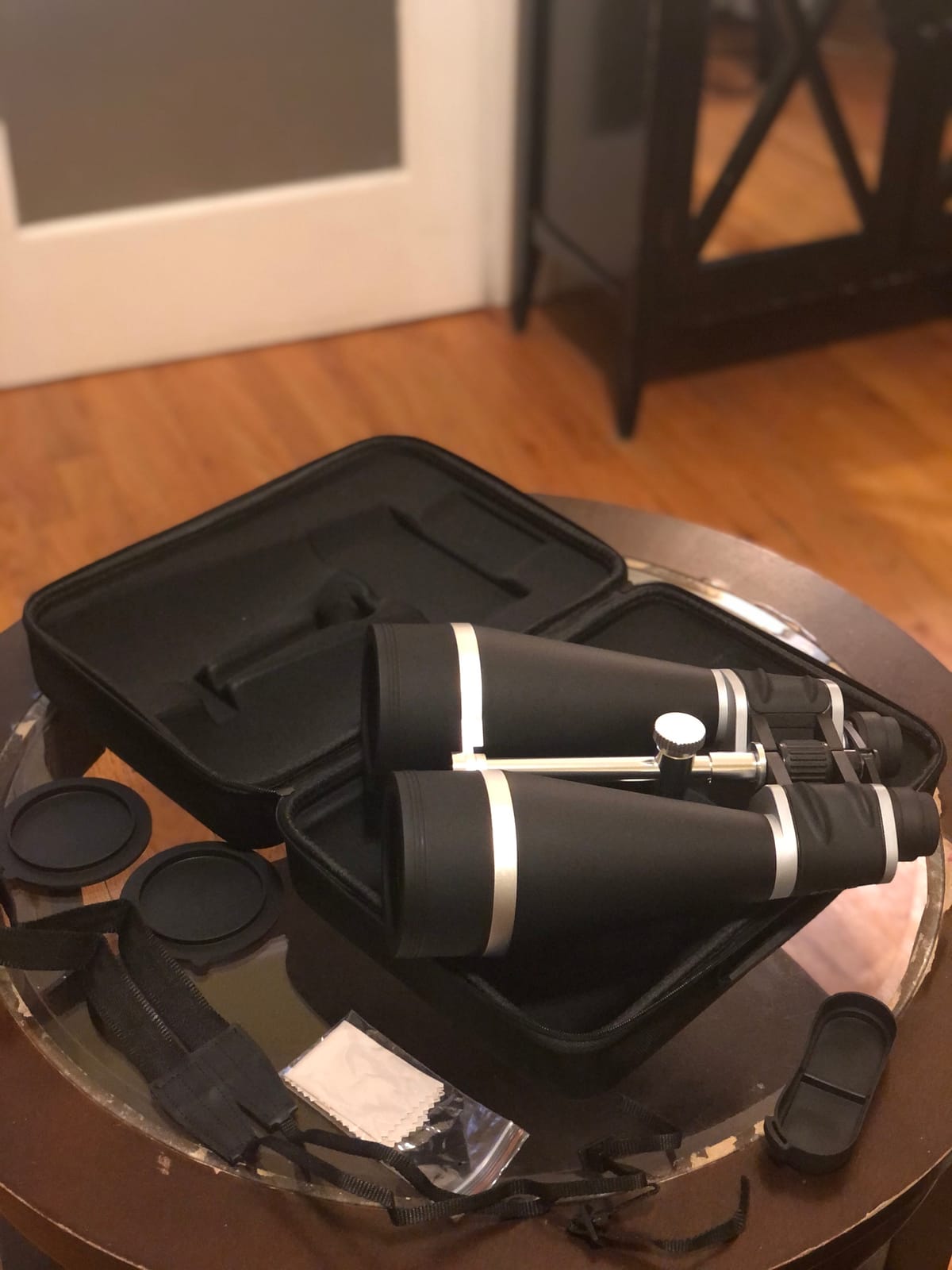
None of it is handheld. At 2.9 kg and 30x, this is a mounted instrument, and owners reach the same conclusion almost unanimously: usable only when fully steadied. The integrated tripod adapter and bundled double-layer EVA case at least mean you can set up properly without buying a separate case.
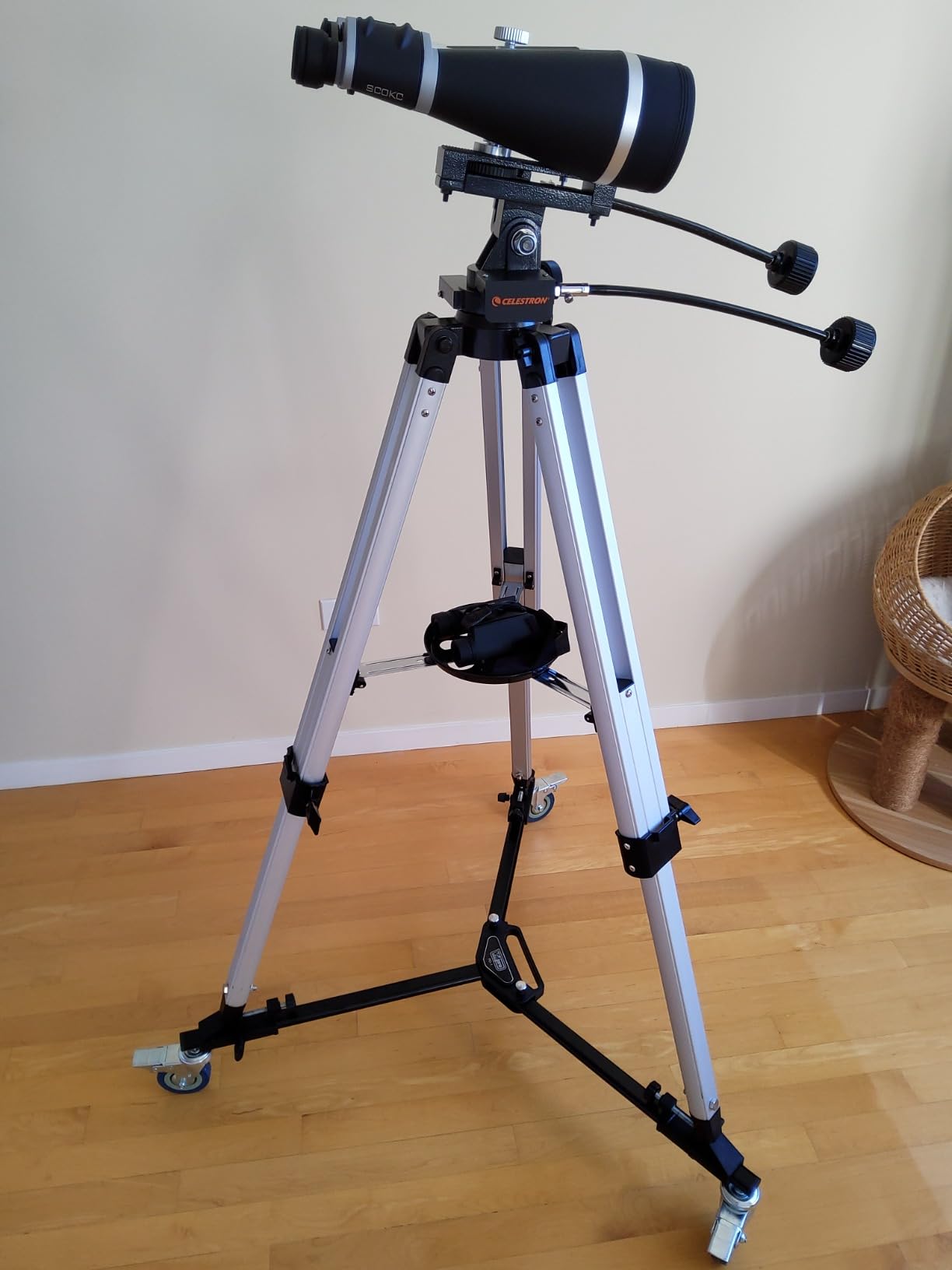
The engineering choices are sensible for the class. An aluminum alloy body rather than the rubber-armed plastic used by cheaper large-aperture models is a real improvement, because rubber hardens and cracks with age. Nitrogen filling handles fog and rain. The 19.58mm eye relief is the second most generous figure in this list, which is unusual at 30x and helps with glasses.
The two honest weaknesses are the 2.67mm exit pupil, which starves some eyes at high power, and the coating, which is a single blue film rather than fully multi-coated. That shows up as a slightly less even brightness across the field than you get from the Vortex or Canon. At 4.5 stars from 217 ratings with 72 percent five-star, the consensus is approval for a dedicated tripod user.
Who this pair suits
It suits the dedicated observer who has a tripod and wants the highest power and largest aperture available without stepping up to a telescope. Lunar detail is where this pair earns its keep, and observers who spend whole nights on the Moon will appreciate the brightness the 80mm objectives provide. It also doubles as a long-range terrestrial instrument for spotting wildlife and distant detail.
Because the case and adapter are included, it is a lower-friction way into mounted high-power observing than buying components separately.
Who should skip it
Skip it if you do not own a tripod, or if you plan to observe standing up at a party or on a cold night without support. At 2.3 degrees the field is narrow enough that finding anything takes real practice, so beginners will be frustrated. And with a 2.67mm exit pupil at 30x, anyone with average-to-poor dark adaptation will find the view dimmer than the aperture figure suggests.
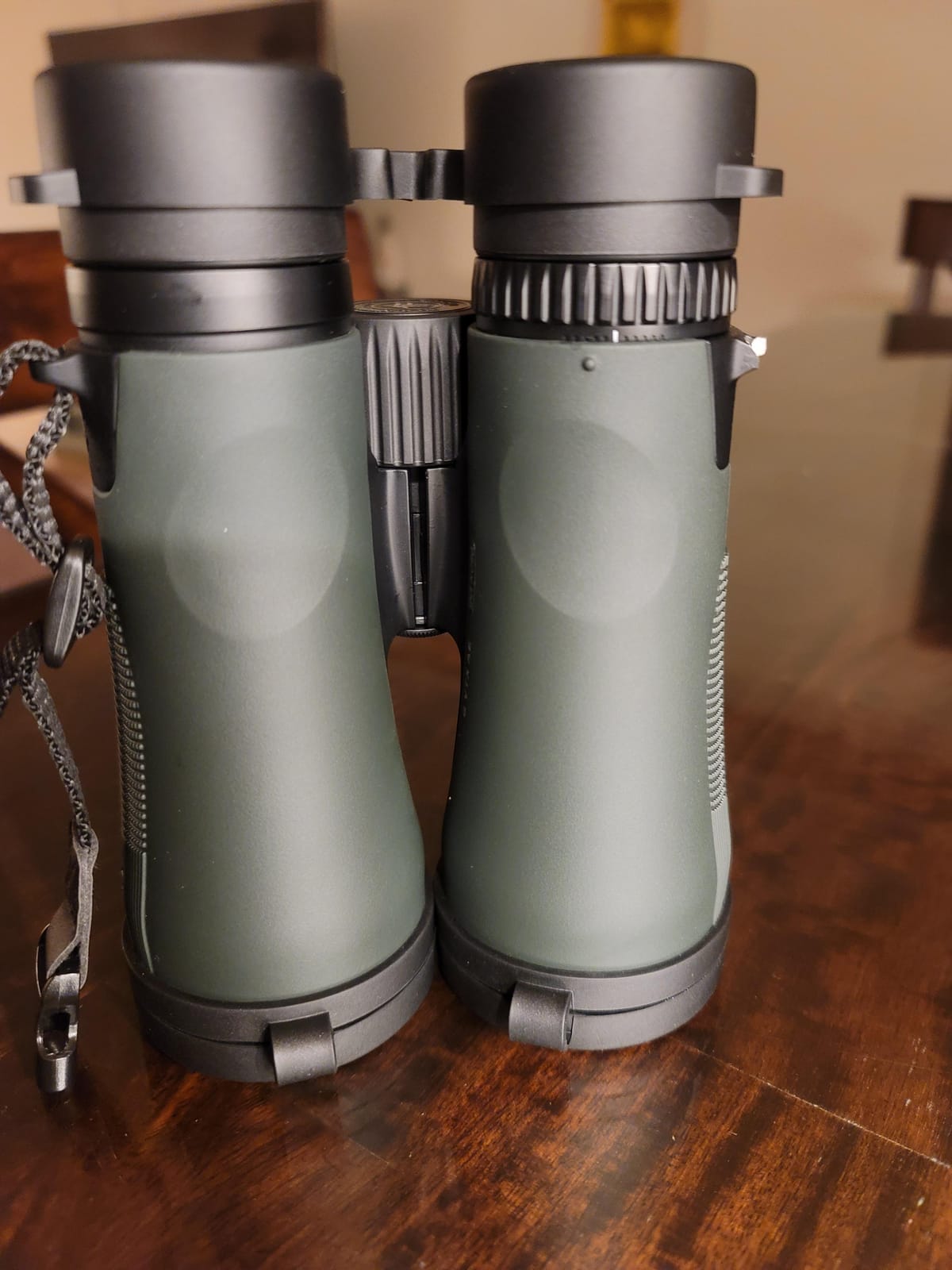
7. Vortex Diamondback HD 10×50 Binoculars
Vortex Diamondback HD 10×50 Binoculars
10x50mm
5mm exit pupil
17mm eye relief
Fully multi-coated HD glass
Argon purged
1.9 lb
Pros
- Highest rating in the group at 4.8 stars from 1342 reviews
- Exceptionally sharp with low chromatic aberration
- Argon purged and O-ring sealed against fogging
- Adjustable eyecups work with or without glasses
- Unlimited lifetime warranty with paid two-way shipping
Cons
- Heavier than comparable 10x50s for hiking
- Edge sharpness trails truly premium glass
- Case straps and tethered covers loosen with use
This is the sharpest handheld binocular we tested and the highest-rated product in the set, with 86 percent of owners giving five stars. The HD optical elements carry dielectric phase coating plus Armortek protection on the exposed surfaces, and the result is a night image that is bright, colour-accurate and free of the purple fringing that cheaper glass shows on high-contrast objects like the Moon’s edge.
It is not marketed with large-aperture astronomy specifications, and that is exactly why it works so well for the sky. A 10×50 handheld needs no more than this: enough contrast to pull the Orion Nebula out of a suburban sky, sharp enough stars at 10x that double stars separate, and a 315 foot field of view at 1000 yards that translates to a comfortable star field for star hopping.
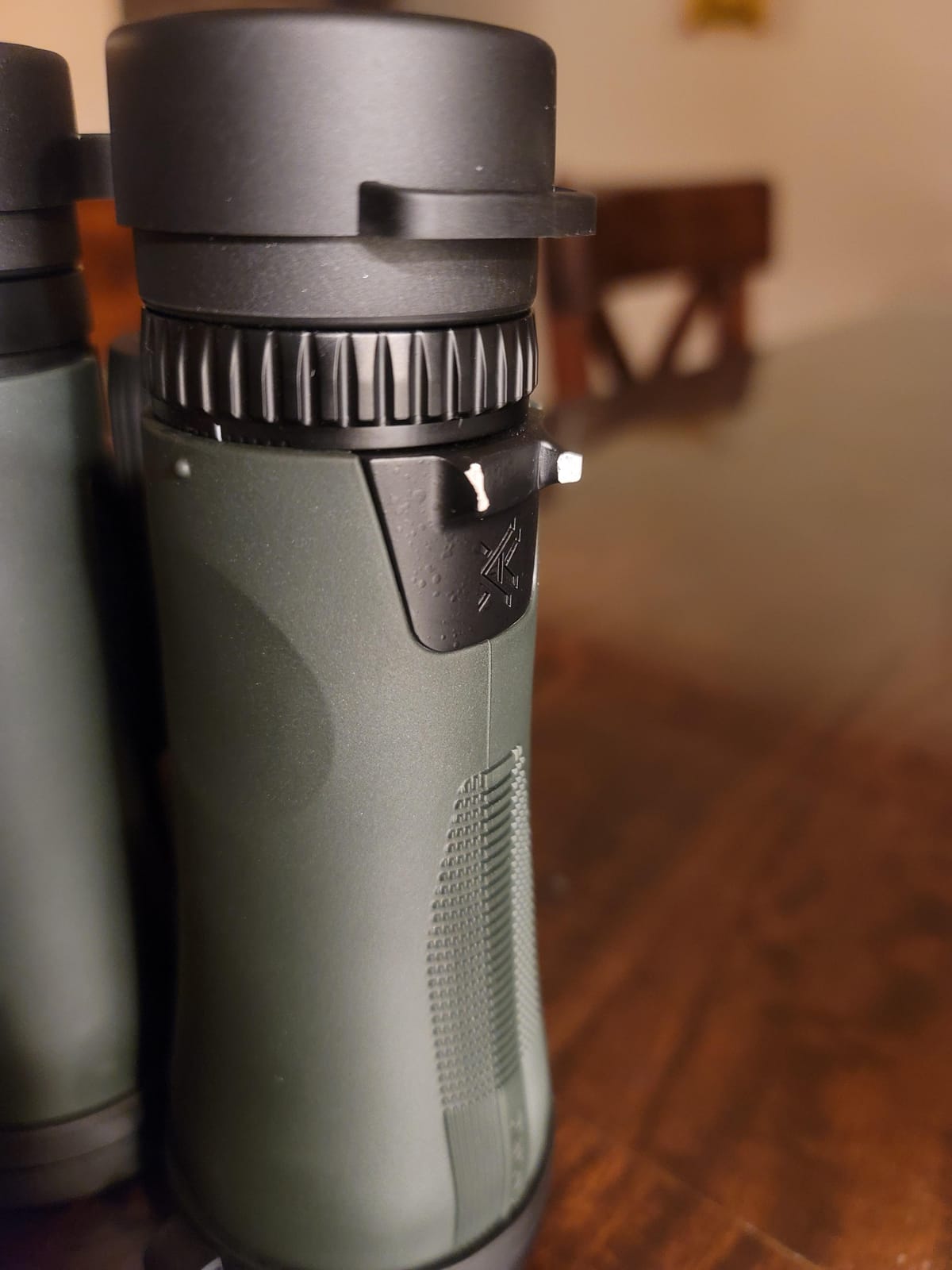
Build quality matches the optics. Argon purging and O-ring sealing mean no internal fogging after years of rain exposure, which is the single most common long-term failure in cheaper binoculars. Right-eyepiece diopter adjustment, adjustable twist-up eyecups and tripod adaptability cover the practical details, and the GlassPak case and harness are included rather than sold separately.
The honest trade-off is weight at 1.9 pounds, which reviewers name more than anything else. It is better suited to stationary viewing than to hiking. Edge-to-edge sharpness and colour fringing control do improve further at higher price tiers, so this is the best-in-class option rather than the absolute ceiling. The lifetime VIP warranty is genuinely meaningful because Vortex pays shipping both ways on repairs.
Who this pair suits
It suits anyone who wants the best all-round handheld experience and plans to keep their binoculars for years, since the warranty and sealing protect that investment. Glasses wearers benefit from adjustable eyecups and 17mm of eye relief. Users who observe from a fixed spot, a back garden or a campsite, rather than hiking to the site, get the most from it.
It also suits people who want one pair for the sky and for daytime use, since 10×50 is the most flexible configuration in existence. Birders and hunters rate the same model highly, and our guides to the best binoculars for bird watching and the best hunting binoculars for big game cover that side of the decision.
Who should skip it
Skip it if your priority is gathering the maximum amount of light from faint objects, because 50mm objectives give up to a 70mm or 80mm design. Skip it if every gram matters on a walk to a remote site. And skip it if you need a wide field for scanning the Milky Way, since a 10×50 field is a modest slice of sky compared with a 7×50.
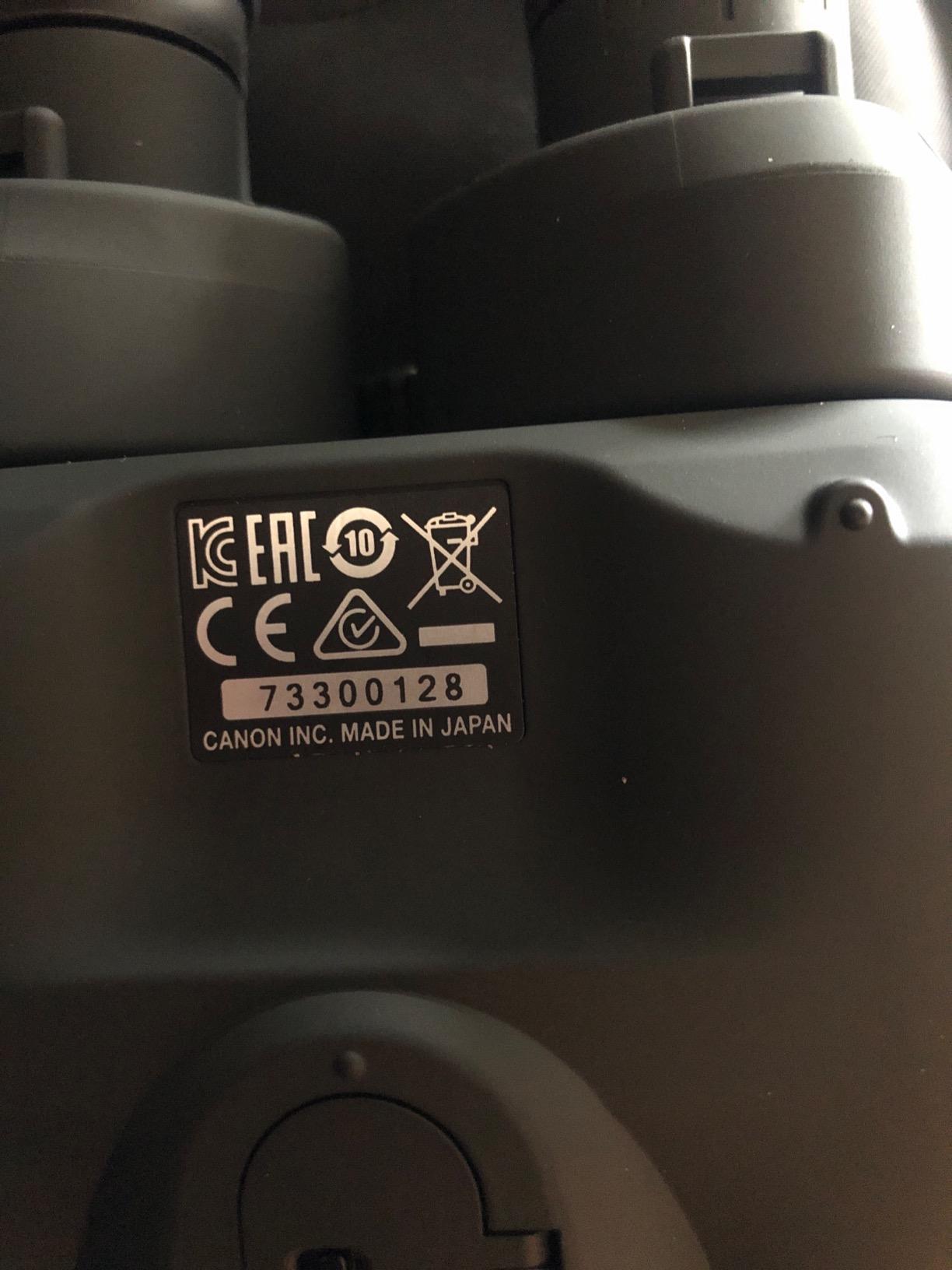
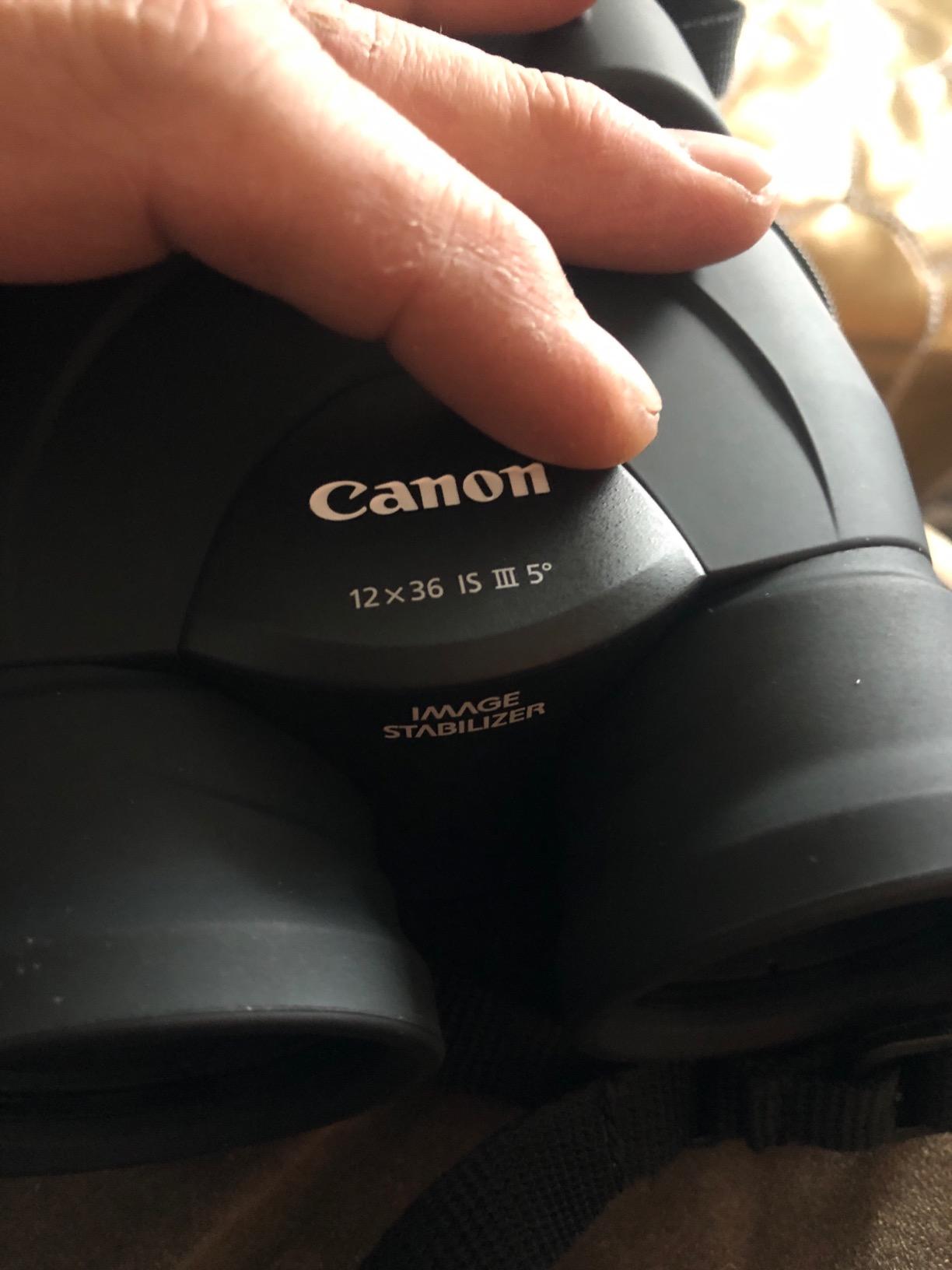
8. Canon 12×36 Image Stabilization III Binoculars
Canon 12×36 Image Stabilization III Binoculars
12x36mm
3mm exit pupil
14mm eye relief
55.3 degree apparent field of view
1.8 lb
Pros
- Vari-Angle Prism IS makes a steady view possible handheld at 12x
- Sharp distortion-free field with no black edges
- Compact 6.9 inch body is genuinely grab-and-go
- Real field of about 5 degrees frames the Pleiades
- Doublet field-flattening lenses hold the edges sharp
Cons
- Stabilization only works while the button is held
- No objective lens covers and untethered eyecap
- Thin soft case with poor impact protection
- Needs periodic batteries
This is the only pair here that changes the handheld equation. Canon’s Vari-Angle Prism Image Stabilization system, derived from their EF lens technology, cancels out hand movement while you hold the button, so a 12x view stays about as steady as a mounted one. Owners describe it as transformative for shaky hands, for older users and for grab-and-go astronomy, and for anyone who does not want to carry a tripod.
The optical design is unusual. Rather than the usual 12×42 or 15x layout, it pairs 12x with 36mm objectives, giving a 55.3 degree apparent field of view and roughly 5 degrees of true field, wide enough to frame the Pleiades. Doublet field-flattener lenses keep the edges sharp with no black edges or halo, and Super Spectra multicoating brightens the whole field.
What the specifications cannot tell you is the ergonomic trade. The 3mm exit pupil is small for a 12x binocular, so dim targets look dimmer here than the magnification suggests. And stabilization is hold-to-operate rather than always-on, which means a busy finger and a battery compartment that needs periodic attention; owners advise removing alkaline cells before long-term storage.
At 1.8 pounds and 6.9 inches long, it is far more portable than any of the large-aperture models. The complaints we see are almost entirely about accessories: no objective lens covers, untethered eyepiece caps and a thin supplied soft case, which many buyers replace within weeks. At 4.5 stars from 450 ratings, the optical verdict is consistently positive.
Who this pair suits
It suits anyone who wants higher power than 10x without owning a tripod, which is a small but real group that the market otherwise ignores. Glasses wearers are well served by 14mm of eye relief and the wide apparent field. And it suits travel and daylight use, because Canon’s compact stabilized design was originally built for hunting and the daytime picture is excellent.
Astrophotographers through a phone adapter also find the stabilized wide field useful, since it holds the frame steady enough for short exposures of wide nebulae.
Who should skip it
Skip it if your budget is fixed and modest, since premium stabilized optics cost substantially more than conventional models deliver. Skip it if you dislike hold-to-operate controls or if you tend to leave binoculars in a vehicle, where batteries are a liability. And skip it if you need a large exit pupil for faint galaxies, because 3mm is the smallest we recommend for deep sky.
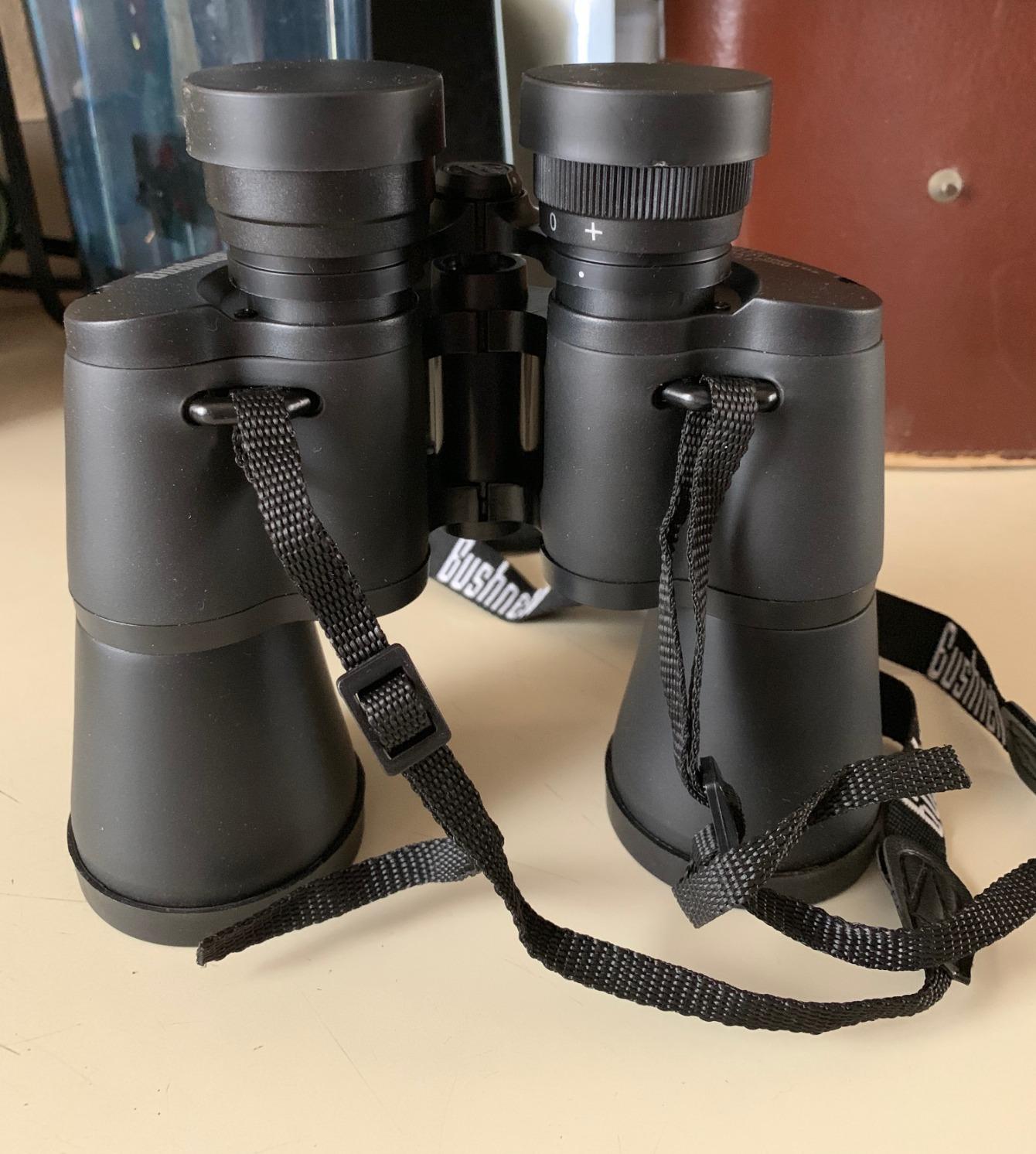
9. Bushnell Falcon 10×50 Wide-Angle Binoculars
Bushnell Falcon 10×50 Wide-Angle Binoculars
10x50mm
5mm exit pupil
9mm eye relief
60 degree apparent field of view
830g
Pros
- Inexpensive route into 10x50 astronomy viewing
- InstaFocus lever is simple and forgiving
- Lightweight at 830g with rubber grip pads
- Decades of repeat ownership
- Case and neck strap included
Cons
- InstaFocus lever feels flimsy and creaks
- Loose eyepiece lens caps fall off
- 9mm eye relief is short for glasses
- Larger and heavier than older Falcon models
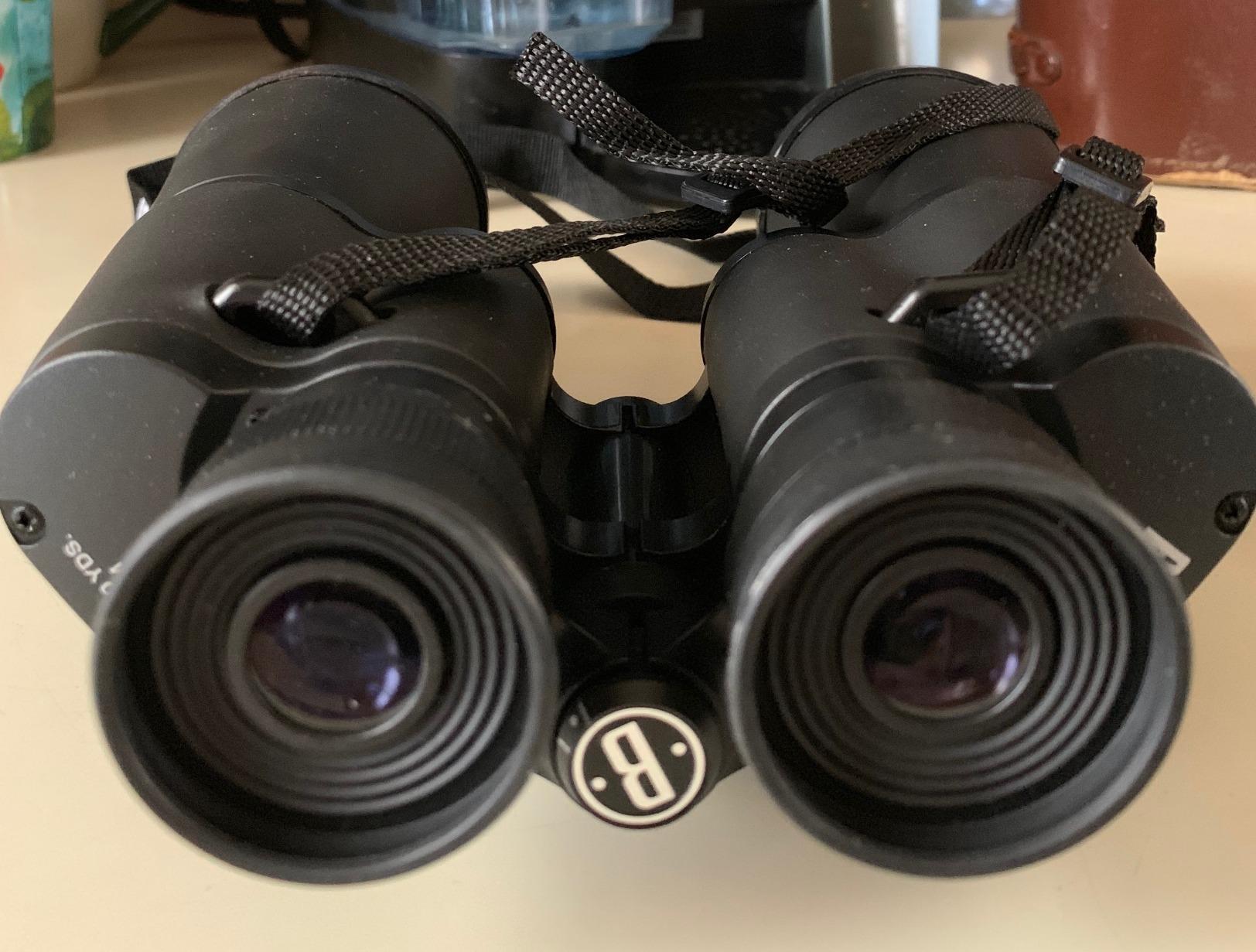
The Falcon is the oldest design in this roundup and the most widely owned, with 6541 ratings and families reporting twenty to thirty years of continuous use. For many households it is simply the binocular that was already in the cupboard, and at 10×50 it happens to be an excellent astronomy configuration: 50mm objectives, a 5mm exit pupil and a 60 degree apparent field of view.
Focusing is the distinguishing feature. Instead of a focus wheel, an InstaFocus lever slides the optical group into position, and a large share of reviewers say they find it easier and more forgiving than a conventional wheel. There is no fine-focus precision here, but for sweeping to a new target and stopping, that is not a limitation.
The optics are fully coated rather than fully multi-coated, and the prisms are BK7, which puts this pair at the bottom of the image-quality ladder here. Expect a flatter, slightly less contrasty view than the Vortex or the Canon, with modest colour fringing at high magnification. The 830g weight is fine for casual handheld use and much friendlier than a 70mm or 80mm design.
The two gripes that recur are the focus lever feeling flimsy and audibly creaking, and loose eyepiece lens caps that fall off in a bag. The 9mm eye relief is the shortest of the 10x50s here and gives glasses wearers trouble. Waterproofing is not rated to the standard of the nitrogen-purged models, so treat it as fair-weather gear.
Who this pair suits
It suits households that want one pair for birds, hiking, kids and the night sky without spending serious money, which is a genuinely useful combination. The lever focus is easy for younger users and for anyone with imprecise fine motor control. It also suits people replacing a 20-year-old Falcon who want the familiar handling with modern 10×50 proportions.
As a first astronomy binocular on a tight budget it is hard to argue with, since the 50mm objectives resolve the Moon’s phases and the brighter clusters without difficulty.
Who should skip it
Skip it if you wear glasses, because 9mm of eye relief is genuinely tight and the eyecups are fixed fold-down types. Skip it if you observe in rain, dew-heavy grass or freezing conditions, since the sealing is not rated for prolonged exposure. And skip it if image quality matters more than cost, because fully coated BK7 optics show it at high magnification.
10. Sogries 20×80 Astronomy Binoculars
20×80 Astronomy Binoculars for Adults High Powered
20x80mm
4mm exit pupil
17mm eye relief
BaK-4 prisms
Waterproof metal body
4.66 lb
Pros
- 20x with 80mm objectives gives bright detailed Moon and cluster views
- BaK-4 prisms hold up at dusk dawn and true dark
- Solid metal build with a well-damped focus ring
- Field of view is wide for the magnification class
- Tripod adapter and phone mount included
Cons
- 4.66 lb is tiring handheld and impractical for travel
- Needs bracing or a mount to eliminate shake
- Centre focus needs frequent readjustment between subjects
- One report of eyepiece housing cracking
The 20×80 is the most balanced of the high-power pairs here. Twenty times magnification is enough to show lunar craters with real depth and to separate the Trapezium in the Orion Nebula, and the 80mm objectives behind it mean the image stays bright enough at dusk and dawn when faint deep-sky targets have not yet appeared. Reviewers rate it highly for lunar and deep-sky clarity, with 72 percent five-star.
The build is better than the price band suggests. A metal enclosure with O-ring sealed lenses, BaK-4 prisms and a rubber-armored housing is a more serious construction than typical in this tier, and the focus ring is well damped. The accessory package is generous, including a 1/4-20 tripod adapter, a phone mount and a leather inner bag.
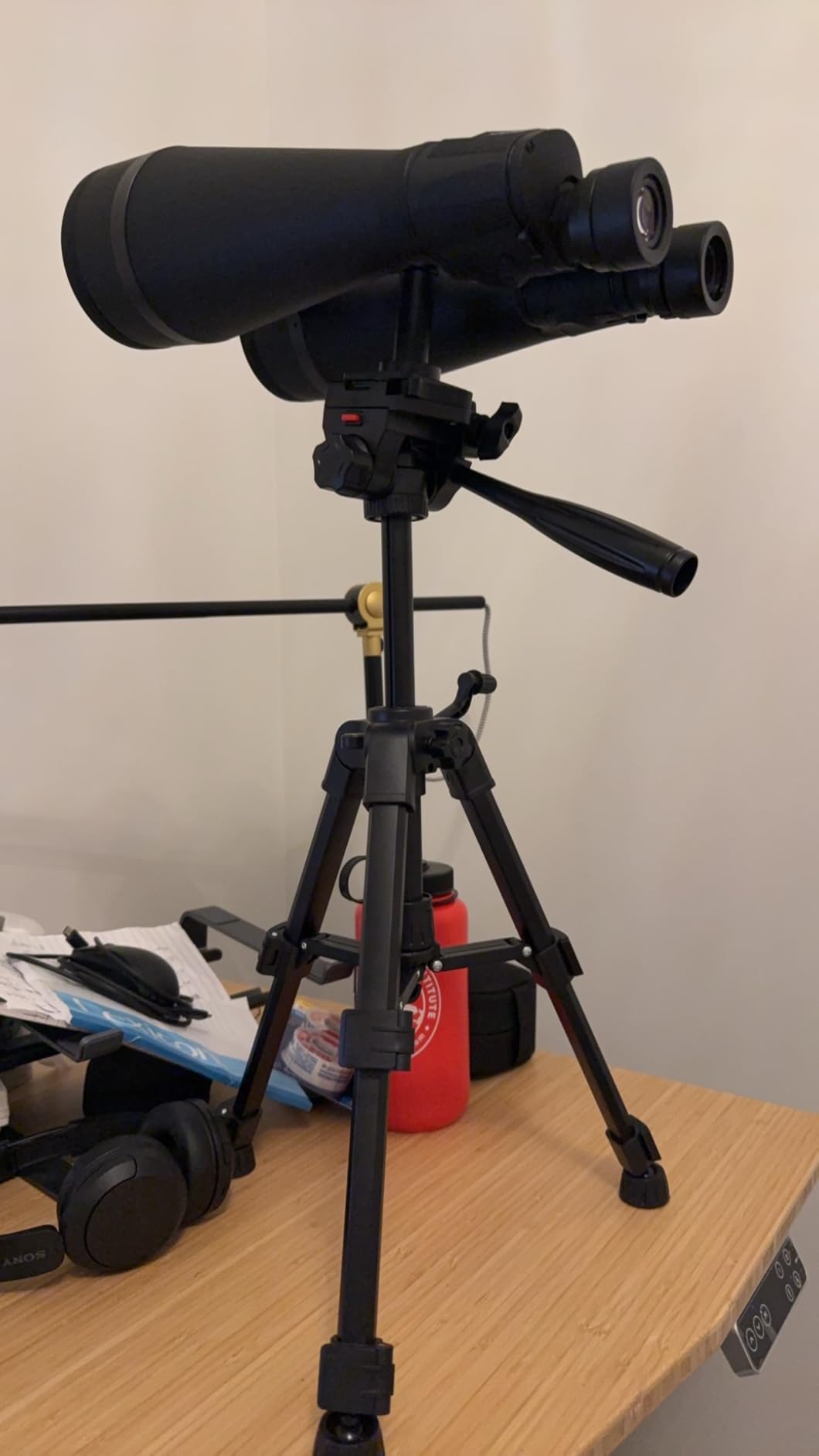
At 4.66 lb this is one of the heaviest pairs in the roundup and effectively a mounted instrument. The single most common complaint across reviews is weight, and the practical consensus is that these belong with a proper tripod rather than in a backpack. Reviewers also note that the field of view, listed at 173 feet at 1000 yards, is unusually open for the magnification, which makes star hopping less painful than with a 25x or 30x.
The 17mm eye relief is good for glasses wearers, and the 4mm exit pupil is a reasonable compromise between brightness and power. A minority of reviews flag durability issues with the eyepiece housing after extended use, which is worth weighing if you plan to keep them outdoors permanently. Centre focus also needs readjustment when switching between a distant planet and a nearby cluster.
Who this pair suits
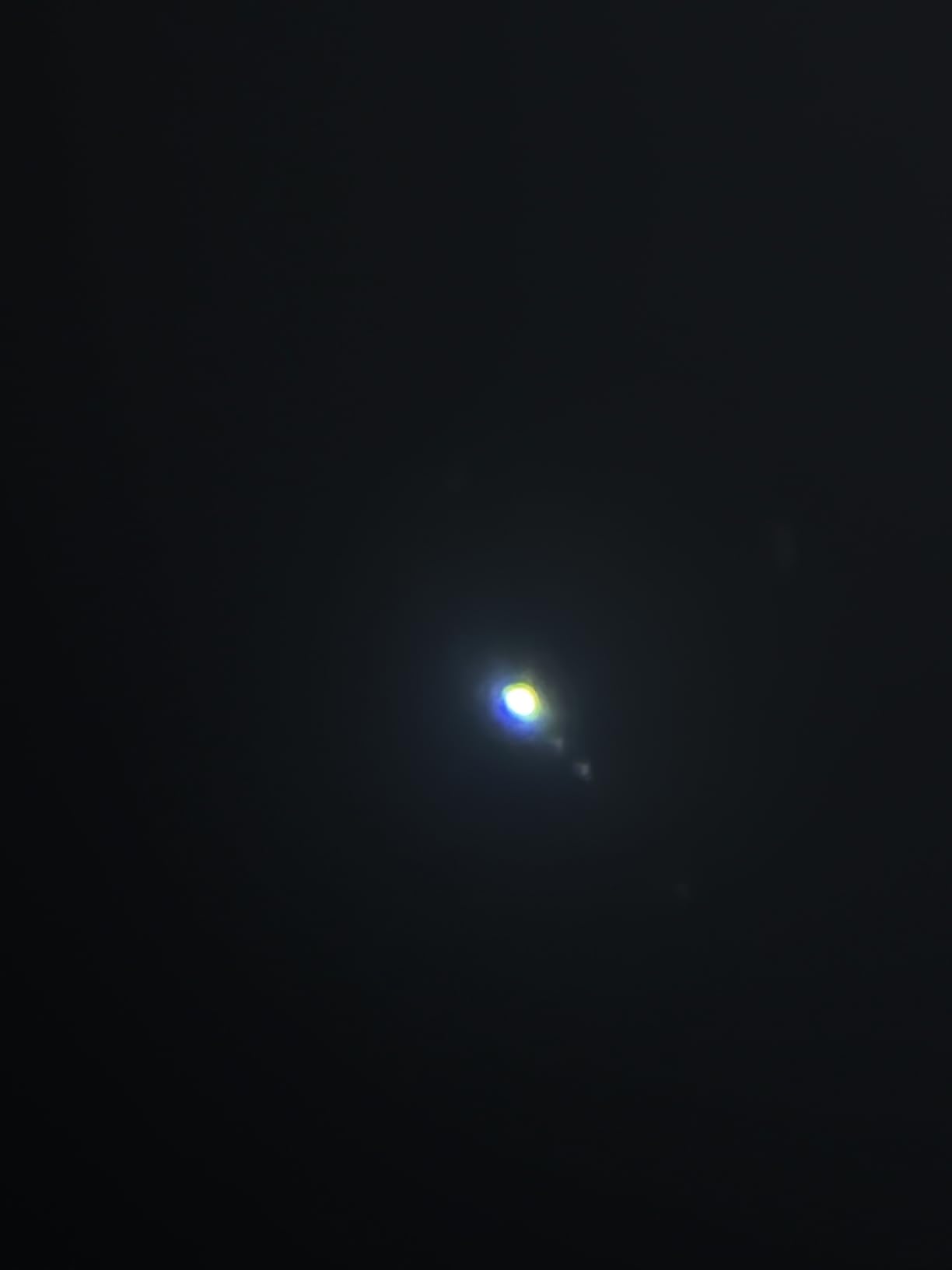
It suits observers who want high power for the Moon without going to the extremes of 25x or 30x, and the wider field makes it easier to use than its siblings. It also suits people who want to photograph through a phone, since a mount is included. For anyone who already owns a sturdy tripod, this is an inexpensive way to add a capable lunar instrument.
Owners who pair it with a mid-weight tripod and stabilise against a fence or table report excellent results, particularly on craters along the lunar terminator.
Who should skip it
Skip it if you need a portable instrument, because at nearly five pounds it is punishing to carry and impossible to use unassisted. Skip it for learning the constellations, since the narrow field makes locating objects a chore. And skip it if you want the highest possible magnification, because 25x and 30x designs exist for a reason and you would be buying the larger pair anyway.
11. Sogries 18×70 High Power Binoculars
Sogries 18×70 High Power Binoculars for Adults Professional Long Range
18x70mm
4.7mm exit pupil
18mm eye relief
BAK4 Porro prisms
Fully multi-coated
Pros
- Steadier than 20x and 25x designs while resolving craters and clusters
- 70mm aperture marketed at about 150 percent the brightness of 42mm models
- Aircraft-grade aluminum chassis with BAK4 Porro prisms
- 18mm eye relief suits glasses wearers
- Long eye relief keeps the full field usable
Cons
- Tripod adapter and tripod sold separately
- Elbow support or a fixed position needed at 18x
- Some reports of a loose centre hinge and diopter
- Some units loosening at the centre screw
Eighteen times is a sensible middle point in the high-power range, and this pair makes the case well. It resolves lunar craters and open clusters clearly while shaking noticeably less than the 20x and 25x models, which means shorter settling time between targets. The 70mm objectives are marketed at roughly 150 percent the brightness of 42mm designs, and the BAK4 Porro prisms with fully multi-coated lenses justify that claim at dusk.
Eye relief of 18mm is generous, which matters more here than on the higher-power models because the field stays usable with glasses on. Owners frequently comment on exactly this. The chassis is aircraft-grade aluminum rather than the plastic used by cheaper pairs, and the overall build feels solid in the hand.
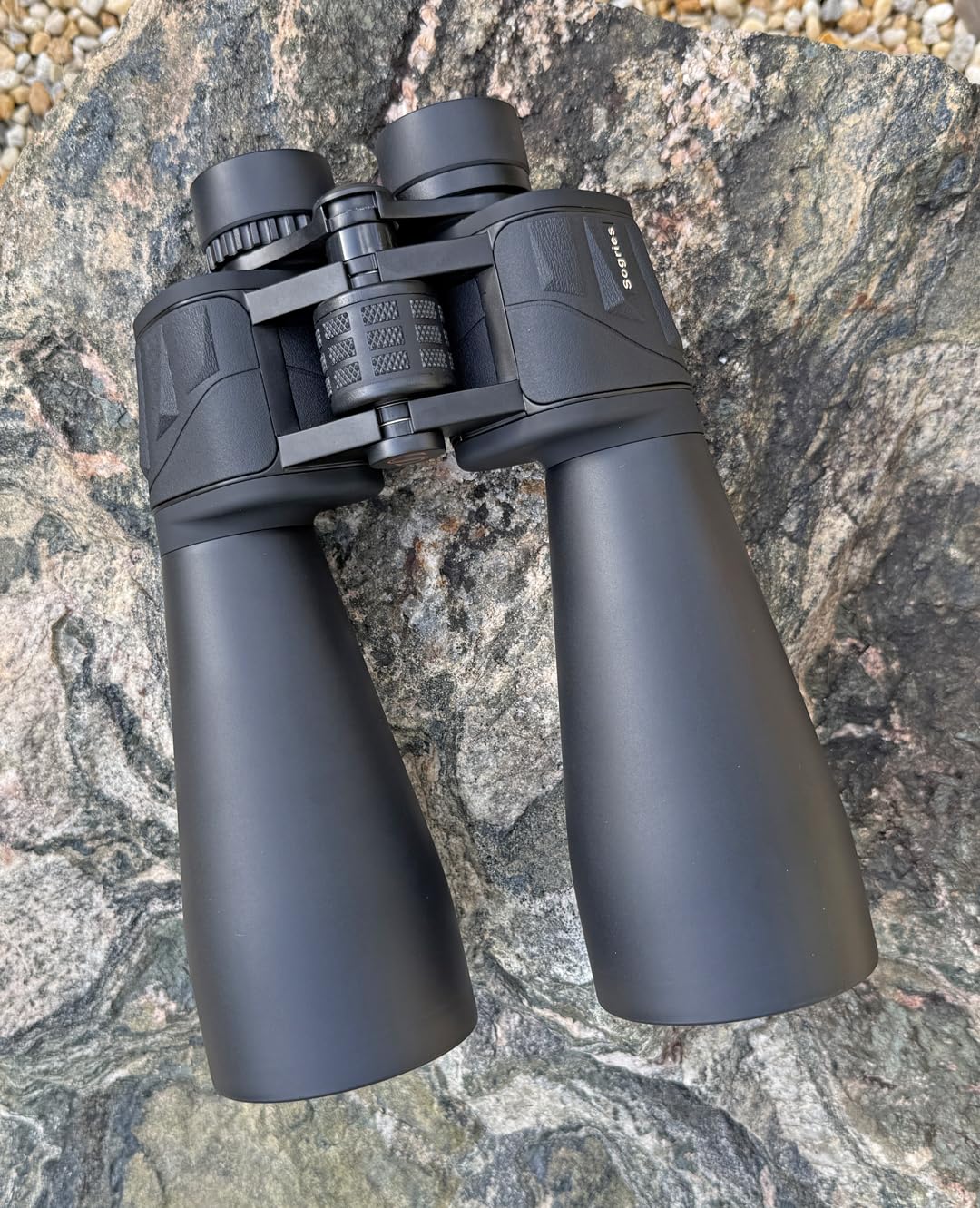
Two practical notes stand out from the reviews. The tripod adapter and tripod are not included, so budget for them. And even at 18x, owner guidance is to plant your elbows on a table or stand in a fixed position and lean into the view, because handheld this power is still not comfortable for long sessions.
There is also a small but real durability signal in the feedback: several owners mention a loose centre hinge and a diopter system that is difficult to adjust, and a few report units coming apart after short use as the centre screw loosened. At 4.4 stars from 206 ratings with 72 percent five-star, that is a minority report rather than a pattern, but it is worth factoring in if you plan to carry these everywhere.
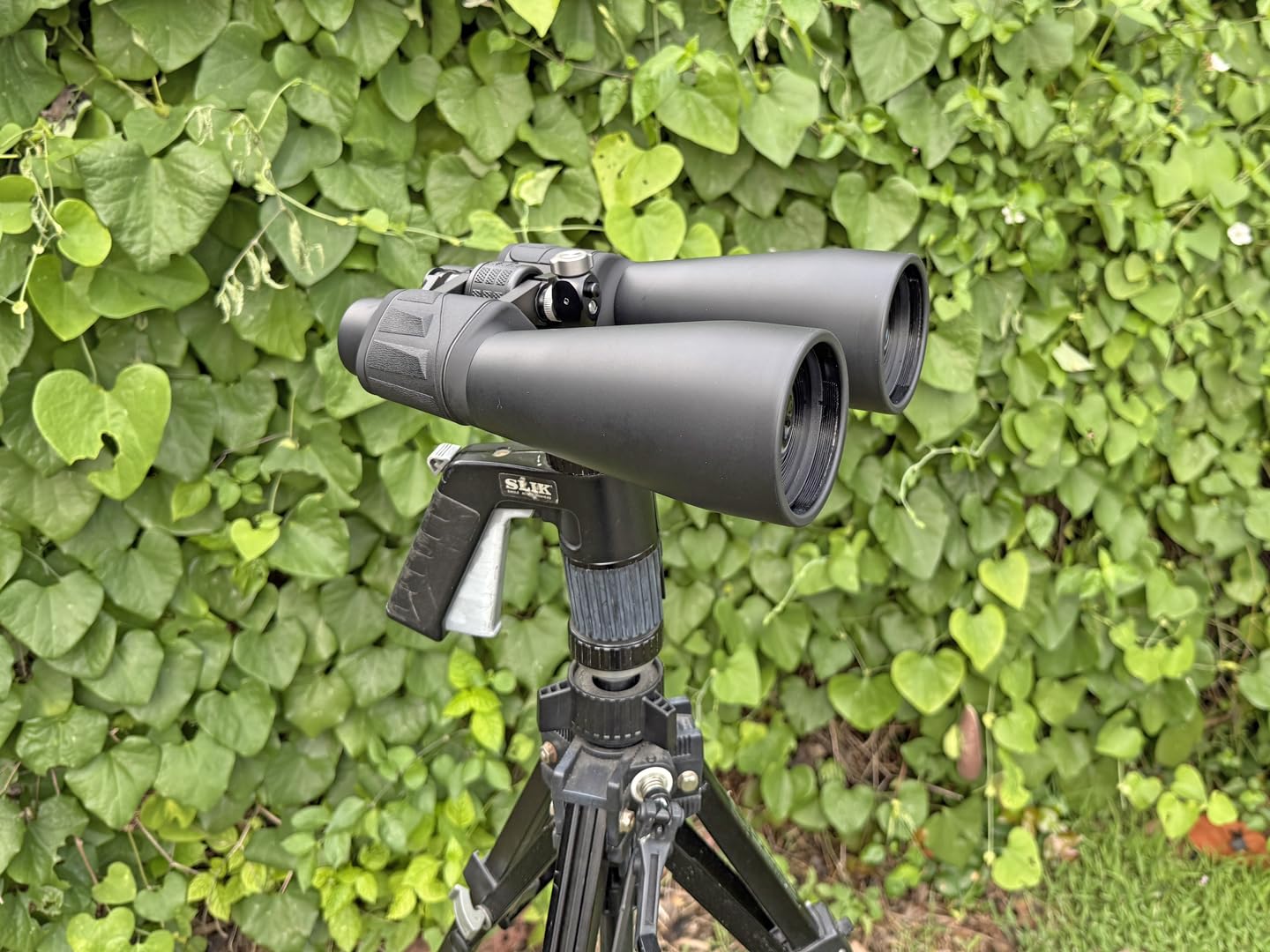
Who this pair suits
It suits observers who find 20x and above too shaky to enjoy but want more detail than a 10×50 provides, and the middle ground is genuinely more usable. It also suits glasses wearers, since 18mm of eye relief is among the best figures in this roundup. Anyone who wants one pair for the sky and for long-range wildlife or landscape viewing will find the 18×70 handles both well.
For backyard observing with a table and a chair in reach, this is close to ideal: bright enough for the Milky Way in moderate conditions, powerful enough for the Moon.
Who should skip it
Skip it if you need something ready to use out of the box on a tripod, because the mount is sold separately. Skip it if light-gathering on faint galaxies matters most, since a 10×50 at a large exit pupil will show more of them. And if you are buying this as a gift for someone new, know that 18x requires a fixed observing position to be enjoyed properly.
What You Can and Cannot See With Binoculars
Binoculars reward people who know what to point them at, so here is a realistic list. At 10×50 on a dark sky you will see several thousand stars where the naked eye shows a few hundred, and the difference between a Bortle 8 city sky and a Bortle 3 rural sky can be as large as a magnitude or two.
Certain targets are reliably visible and are the right starting points:
- The Moon, at any power. Craters along the terminator, the maria, and bright ray systems near full phase.
- Jupiter, at 10x and above, as a bright point with the Galilean moons shifting position as you watch.
- The Pleiades (M45), open even with the unaided eye and spectacular filling a 7×50 field.
- The Orion Nebula (M42), the brightest nebula in the sky and visible to the naked eye from a dark site, then resolving into the Trapezium cluster at 10x and higher.
- Andromeda (M31), a soft oval of light, easier to find with binoculars than with the naked eye.
- Open clusters such as the Double Cluster in Perseus and M11, which fill a wide field with hundreds of stars.
- Globular clusters such as M13 in Hercules, which show a granular edge at 10x and better.
- The Milky Way itself, particularly in Sagittarius and Cygnus, which 7×50 reveals as structure rather than haze.
Now the honest limits, because these are the questions buyers ask most. No, you cannot see Saturn’s rings with binoculars. Saturn sits under 20 arcseconds across at opposition, which is far below the resolution limit of any binocular. You will see it as a bright point that changes colour with magnification, and that is all.
Planets generally resolve as points rather than disks, with the exception of the Moon, which is close enough to fill the field. You will not see Jupiter’s cloud bands or its Great Red Spot, and you will not see the phases of Venus. Faint galaxies such as M33 or the fainter members of the Local Group need dark skies and low magnification to be found at all, which is the opposite of what most people assume.
What binoculars genuinely cannot do is resolve planetary detail or small deep-sky objects at high magnification. That is where a telescope begins. If your interest is Saturn, lunar craters at high resolution, or the smaller planetary nebulae, you will outgrow every pair on this list.
How We Picked and Tested
We built this roundup spec-first, because the single biggest problem in this category is that retail listings rarely publish the three numbers that decide brightness: field of view, exit pupil and eye relief. Where a listing omits them, we treated the model as less trustworthy regardless of its rating.
Every entry was checked against its full specification set, and every advantage and drawback came from owner feedback rather than from marketing language. We cross-checked real experience on r/telescopes, r/Binoculars, CloudyNights and Stargazers Lounge, where the recurring theme was unanimous: buy 10×50, use a tripod above 10x, and be suspicious of listings that call generic plastic 20×50 units high powered or military grade.
Where community consensus contradicted a competitor’s advice, we went with the consensus. That is why this list never recommends 20x for handheld stargazing. We also weighted review volume heavily, because a 4.5 rating on a handful of reviews tells you far less than the same rating on thousands.
How to Choose Binoculars for Stargazing
What magnification should you buy
For handheld use, 7x to 10x is the range. Seven times is rock steady and gives you the widest field, while 10x is the point where magnification starts to pay off and shake starts to bite. Beyond about 12x you need support, and above 15x handheld is unusable in practice. If you plan to use a tripod for anything, 15x to 20x becomes reasonable, and 25x or 30x is a mounted-only proposition.
Why objective diameter and exit pupil decide brightness
Exit pupil is the objective diameter divided by the magnification, and it is the single most important brightness number on the spec sheet. A dark-adapted human pupil reaches about 7mm in the dark, sometimes 8mm for younger observers. If the exit pupil is smaller than that, you are throwing away light; if it is larger, you are spreading the same light across an eye that cannot take it all in.
Worked examples make this concrete. A 7×50 has a 7.1mm exit pupil, which matches a dark-adapted eye almost perfectly. A 10×50 gives 5mm, still comfortably usable. A 15×70 gives 4.7mm. A 25×70 gives 2.8mm, which starts to look dim, and the 30×80 in this roundup gives 2.67mm. Larger apertures partly compensate: the 20×80 gives 4mm, and the 18×70 gives 4.7mm.
This is why the 7×50 wins on dark skies and why the 10×50 wins on bright ones. A large exit pupil keeps faint stars visible against a light-polluted background, so in a Bortle 8 city sky the brighter-pupil, lower-power options pull more out of the sky than a high-power pair with a tiny pupil.
How much field of view you need
True field of view is how much sky fits in the image at a fixed magnification, and apparent field of view is what you perceive. Wide fields make finding things easy and turn sweeping the Milky Way into a pleasure. The 7×50 Cometron gives about 6.8 degrees, the Vortex and Bushnell 10x50s sit near 6 degrees, the Celestron 15×70 gives 4.4 degrees, and the 25×70 gives only 2.7 degrees.
Below about 4 degrees, star hopping becomes real work. Orion’s Belt barely fits in a 2.7 degree field, which is why we would not start a beginner on those binoculars even though they are among the most powerful in this group.
Eye relief and glasses
Eye relief is the distance from the last lens surface to your eye, and it determines whether you see the whole field with glasses on. Anything under 10mm is uncomfortable for most wearers. The Sogries 10×50 leads this group at 22mm, followed by the SCOKC 30×80 at 19.58mm and the Celestron 15×70 and Sogries 18×70 at 18mm. The Bushnell Falcon at 9mm and the SVBONY at 9mm are the two to avoid if you wear glasses.
Prisms and coatings
BaK-4 prisms have a higher refractive index than BK7, which means less light is lost internally and bright images stay bright in low light. Most of the models here use BaK-4, and that is a genuine quality difference at the eyepiece. Coatings matter just as much: fully multi-coated glass reflects far less light than singly coated, so check that wording rather than assuming all coatings are equal.
Porro prisms give a wider, brighter field and are easier to collimate but are bulkier. Roof prisms are more compact and better sealed but cost more to make well. For handholding comfort and light, Porro designs dominate this list.
Collimation, the fault nobody warns you about
Collimation is the internal alignment of the two optical paths. When a binocular loses it, you see a fringed, out-of-focus image that no amount of focusing will fix, and owners of budget Porro prism models report it after a season of temperature cycling. It is a real consideration when buying cheaply, and several forums treat it as the main reason to spend more on a sealed, better-constructed pair.
Symptoms to check for in the first week: images that look soft and rainbow-fringed, or where one side is sharp while the other is not. Both are alignment problems rather than quality differences.
Tripod or image stabilization
If you buy above 10x, you need one or the other. A full-size photo tripod with a proper 1/4-20 adapter costs less than most premium binoculars and transforms the experience, which is why forum advice consistently says to budget for a metal adapter rather than using the supplied plastic disc. Elbows braced on a table or railing do most of the same work for 15x and 18x at zero cost.
Image stabilization is the alternative, and Canon’s 12×36 is the clearest example here. It delivers a steady handheld view at 12x, at the cost of hold-to-operate controls, batteries and a high price. For anyone who refuses to carry a tripod, it is the only sensible route to higher power.
Light pollution and the Bortle scale
The Bortle scale runs from 1 for a pristine dark sky to 9 for a city centre. No publisher on this search covers it, and it changes which binocular you should buy more than any other factor. On a Bortle 1 to 3 sky, aperture rules and 10×50 or 15×70 will show you faint nebulae. On a Bortle 5 to 6 suburban sky, 10×50 is the sweet spot. On a Bortle 8 city sky, prioritise large exit pupils and wide fields, which means 7×50 or even the ultra-wide 2.1x.
That last case surprises people. Under heavy light pollution, a small amount of magnification delivered through a large exit pupil beats a large amount of magnification delivered through a tiny one, because the sky background does not dim and only the faint stars separate.
One more filter worth applying before you buy: check that the listing states field of view, eye relief and exit pupil. If it does not, you are buying blind, and the marketing words will not help you.
Frequently Asked Questions
Can you see Saturn’s rings with binoculars?
No. Saturn sits under 20 arcseconds across at opposition, which is far below the resolution limit of any binocular. You will see it as a bright point that shifts colour and brightness with magnification, but the rings and the planet’s disk are telescope targets. Binoculars excel at the Moon, Jupiter’s moons, open clusters and the bright nebulae.
What magnification is best for stargazing?
For handheld stargazing, 7x to 10x is the useful range. Ten times gives more detail than seven while staying steady in the hand, and it is the community consensus starting point. Above about 12x you need a tripod or image stabilization, and 15x to 20x is best mounted. Anything above 25x is a tripod-only instrument.
Are 10×50 binoculars good for stargazing?
Yes, 10×50 is the most widely recommended all-round astronomy configuration. Fifty-millimetre objectives gather plenty of light, and dividing 50 by 10 gives a 5mm exit pupil, which sits comfortably inside a dark-adapted pupil of about 7mm. You lose a little brightness to magnification but gain the ability to split double stars and show lunar detail.
Can you see nebulas with binoculars?
Yes, several are easy targets. The Orion Nebula (M42) and the Andromeda Galaxy (M31) are visible to the naked eye from a dark site and resolve further at 10x, with the Trapezium cluster visible inside M42. The Veil Nebula, the Dumbbell Nebula and M33 need darker skies and wider fields to be found reliably.
What kind of binoculars are best for seeing the night sky?
Look for 7x to 10x magnification, a 40mm or larger objective lens, an exit pupil of about 5mm or more, and eye relief of at least 15mm if you wear glasses. BaK-4 prisms with fully multi-coated lenses give the brightest image, and a wide field of view makes finding objects far easier. Avoid listings that publish no field of view or eye relief figures.
Conclusion
If you buy one pair of the best binoculars for stargazing in 2026, make it the Celestron SkyMaster 15×70. It carries 8570 ratings at 4.4 stars, uses BaK-4 prisms, has 18mm of eye relief for glasses wearers, and comes with a tripod thread so you can add support when you are ready. Add a metal adapter and you have covered handheld and mounted observing in one purchase.
Choose differently only if your situation is specific. Stay handheld with the Vortex Diamondback HD 10×50, which is the sharpest and best-rated option here. Go wide and cheap with the Celestron Cometron 7×50 to learn the constellations. Buy the Canon 12×36 if you want stabilized power without a tripod, and pick a 20x or 30x pair only once you already own a sturdy mount.
Start with the Moon and M42, give each target five minutes, and let your eyes dark-adapt. Whatever you choose, the binoculars you will actually use beat the ones sitting in a cupboard.
If you also need binoculars in daylight, our roundups on the best binoculars for bird watching, the best hunting binoculars for big game and the best hunting rangefinder binoculars cover the daytime side of the same decision.