
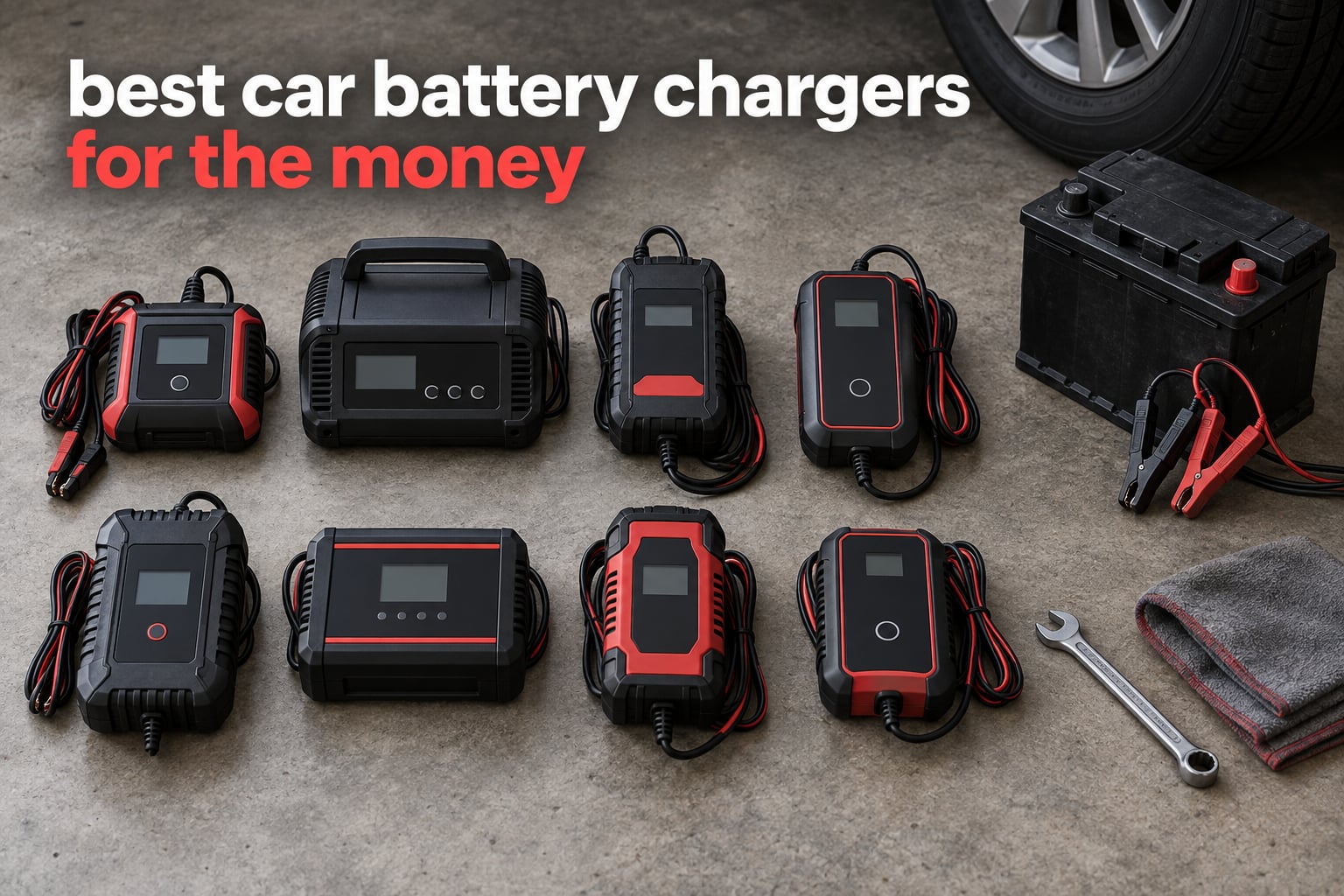
A dead battery at 6:40 on a freezing morning is the most reliably miserable way to start a car. The fix used to mean one of two things: pay a shop to put a trickle charger on it, or gamble on a jump pack that will probably work tomorrow. Smart chargers changed that equation, and the honest answer to the question of the best car battery chargers for the money is no longer the biggest brand name on the box. It is the unit whose charge curve matches your actual battery, with a protection circuit that stops before you do something expensive.
We put eight chargers through their paces, from a 1.5 amp maintainer that costs less than a tank of fuel to a 25 amp unit with a 100A engine-start boost. Some of them belong in a garage wall mount. One of them belongs in a saddlebag. Two of them do something the rest cannot, and the fastest one has a floor voltage that decides whether it can save your battery or refuses to try.
Here is the short answer before the details:
Best overall smart charger: the CTEK MXS 5.0 runs a fully automatic 8-step program at 4.3 amps, with a dedicated AGM mode, a Recondition mode for weak batteries, and an IP65 shell that shrugs off dust and rain. It is the unit owners keep for years.
Best value charger and maintainer: the Schumacher SC1280 delivers 15 amps of real recovery output and steps down to a 3A trickle once the battery is full, with automatic 6V/12V detection so you never flip a mode switch.
Best for storage: the NOCO GENIUS2D mounts permanently under a hood or in a truck bed, weighs under 12 ounces, and will push current into a battery sitting at nearly zero volts.
The rest of this guide walks through each unit in that order, then explains the two things that actually decide whether a charger is worth its money: minimum chargeable voltage and whether you actually need a charger at all. If your battery problem is really an alternator problem, no charger on this list fixes it. We cover how to tell the difference further down.
If you also want the wider context, our guide to car battery chargers and maintainers breaks down the categories before the models, which is worth reading first if you are new to this.
Top 3 Picks for Car Battery Chargers in 2026


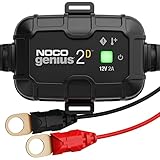
NOCO GENIUS2D
- Onboard direct-mount design
- Recovers from near zero volts
- Pulse charging for sulfation
At a Glance: Every Charger in This Roundup (2026)
| Product | Specs | Action |
|---|---|---|
| CTEK MXS 5.0 |
|
Check Latest Price |
| NOCO GENIUS2D |
|
Check Latest Price |
| Schumacher SC1280 |
|
Check Latest Price |
 TowerTop TP108MB TowerTop TP108MB |
|
Check Latest Price |
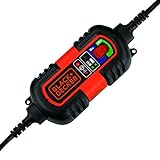 BLACK+DECKER BM3B BLACK+DECKER BM3B |
|
Check Latest Price |
 GOOLOO S4 GOOLOO S4 |
|
Check Latest Price |
 CRAFTSMAN CMXCESM258 CRAFTSMAN CMXCESM258 |
|
Check Latest Price |
 NEXPEAK NC215 NEXPEAK NC215 |
|
Check Latest Price |
1. CTEK MXS 5.0 – the Most Complete Charger and Maintainer
CTEK – 40-206 MXS 5.0 Fully Automatic 4.3 amp Battery Charger and Maintainer 12V
4.3A at 12V
Fully automatic 8-step program
AGM and Recondition modes
IP65 rated,1.3 lb
Pros
- Every charging step shown on a labeled status light
- Dedicated AGM mode for modern vehicles
- Recondition mode has saved owners from battery replacement
- IP65 splash and dust proof with reverse polarity protection
- 5-year warranty
Cons
- No automatic battery-type detection so you set AGM yourself
- Eyelet lead is short
- Clamp shells can crack or rust outdoors
The MXS 5.0 is the one we kept reaching for. Its 4.3 amp output is unremarkable on paper, but the eight-step program behind it is the reason it earns its place. The unit shows you which step it is running, so you are never guessing whether it has finished or stalled.
Owners on automotive forums treat this as the default. One poster on a Whirlpool automotive thread runs a pair of MXS 5.0 units for normal car batteries and steps up to an MXS 10 for a larger truck battery, which is a sensible two-tier setup if you own more than one vehicle.
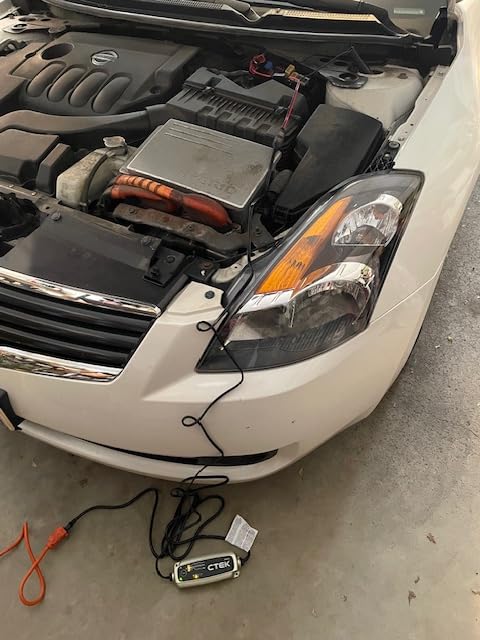
The Recondition mode is the feature that gets the most airtime from long-term owners. It steps the voltage up to try to recover a battery that has been sitting sulfated, and several reviewers describe replacing batteries they had already written off. Reconditioning is not a miracle and it will not bring back a genuinely ruined cell, but it is a real second chance.
On the technical side it is a 12V unit weighing 1.3 lb, rated for lead-acid and AGM batteries, with reverse polarity and short-circuit protection and an IP65 rating for dust and water. The full charging program is described as taking about 50 hours from empty at full output.

What the status lights actually tell you
Each of the eight steps has its own light, and the manual maps them one to one. That transparency is the difference between this and a charger with three mystery LEDs. If a battery refuses to move past bulk, you know it immediately instead of assuming the charger is broken.
It also resumes correctly after a power outage without being reset, which matters if you are using it as a long-term maintainer on a car in storage. Owners report multi-year continuous use, with the oldest units in these reviews running eight to ten years.
Where it falls short for your money
There is no automatic battery-type detection. If your car has an AGM battery and you leave it in the default lead-acid setting, you are undercharging it, so this is the one unit here where reading the manual is genuinely required.
The included eyelet lead is short, and a longer lead is sold separately, which can be annoying on a vehicle with a rear-mounted battery. The clamp shells are also the first thing to weather, with owners reporting cracked plastic and surface rust on clamps left in the rain.
2. NOCO GENIUS2D – Best for Permanent Storage and Winter
NOCO GENIUS2D 2A 12V Onboard Battery Charger, Trickle Charger & Maintainer
2A 12V onboard charger
Recovers from 1V and below
Pulse charging reverses sulfation
11.68 oz
Pros
- Direct-mount bracket with screws and strap for a permanent install
- Under 12 ounces so it hides in a wheel well or under a seat
- Integrated thermal sensor adapts to ambient temperature
- Force Mode revives batteries down to zero volts
- 3-year warranty with CEC FCC and UL certification
Cons
- A full car battery charge can take 40 hours or more
- AC and DC cables are relatively short
- Plastic mounting bracket has been reported to crack
The GENIUS2D is built to be installed and forgotten. It comes with a snap-fit bracket, truss-head self-tapping screws and a strap, and it weighs 11.68 ounces, so bolting it into a wheel well costs you nothing in fuel economy or battery drain. That is the entire pitch: this is a maintainer, not a rescue unit.
What makes it more than a slow trickle box is the bottom end of its voltage range. NOCO specifies charging from as low as 1 volt, with a Force Mode that goes after batteries closer to zero. Almost every budget charger refuses to push current into a battery that far down.
The thermal sensor is the other quiet winner. It reads ambient temperature and adjusts the charge target, so a battery in a freezing Montana garage in January is not being undercharged while a car parked in Arizona is not being cooked. Owners in cold climates specifically credit this with avoiding dead batteries over long storage.
Pulse charging is what the marketing calls desulfation, and it is the feature enthusiasts argue about most. One owner reported that a previously sulfated battery went from a few minutes of radio runtime to about 30 minutes. Treat that as a real but modest effect, not a rebuild.
Whether it will mount where you need it
Bracket, screws and strap are all in the box, which is rare at this size. It fits in a wheel well, behind a trim panel in a truck bed, or under a seat on a small car, and the eyelet terminals give you a semi-permanent connection rather than a clamped-on cable in a hot engine bay.
It is compatible with AGM, gel, SLA, flooded, marine and deep-cycle batteries, so it is not a one-trick unit. Just be aware that the leads are short, which is tight on vehicles with the battery far from the nearest outlet.
Why this is not the fast option
Two amps is a maintenance rate, and NOCO lists the full charge time at about 40 hours. If your battery is dead and you need the car tomorrow morning, this unit will not get you there and no amount of leaving it overnight in a cold garage changes that.
Forum owners of the larger NOCO units note the opposite problem, that they are big and hot-running. The GENIUS2D solves the size half of that tradeoff and gives up speed in exchange, which is the right call for storage duty and the wrong call for a dead battery on a Tuesday.
3. Schumacher SC1280 – Best Value for Real Recovery Work
Schumacher Electric 15A Car Battery Charger & Maintainer, 6V/12V – SC1280
15A at 12V
6V and 12V auto detection
3A trickle when full
2.7 lb
Pros
- 15 amps recovers a dead battery in roughly 10 hours
- Microprocessor controlled with no manual mode selection
- Built-in desulfation mode
- Handles standard AGM gel and deep-cycle batteries
- UL 1236 FCC DOE and Prop 65 certified
Cons
- 1-year warranty is shorter than most competitors here
- Too large for a permanent under-hood mount
- No LCD status display
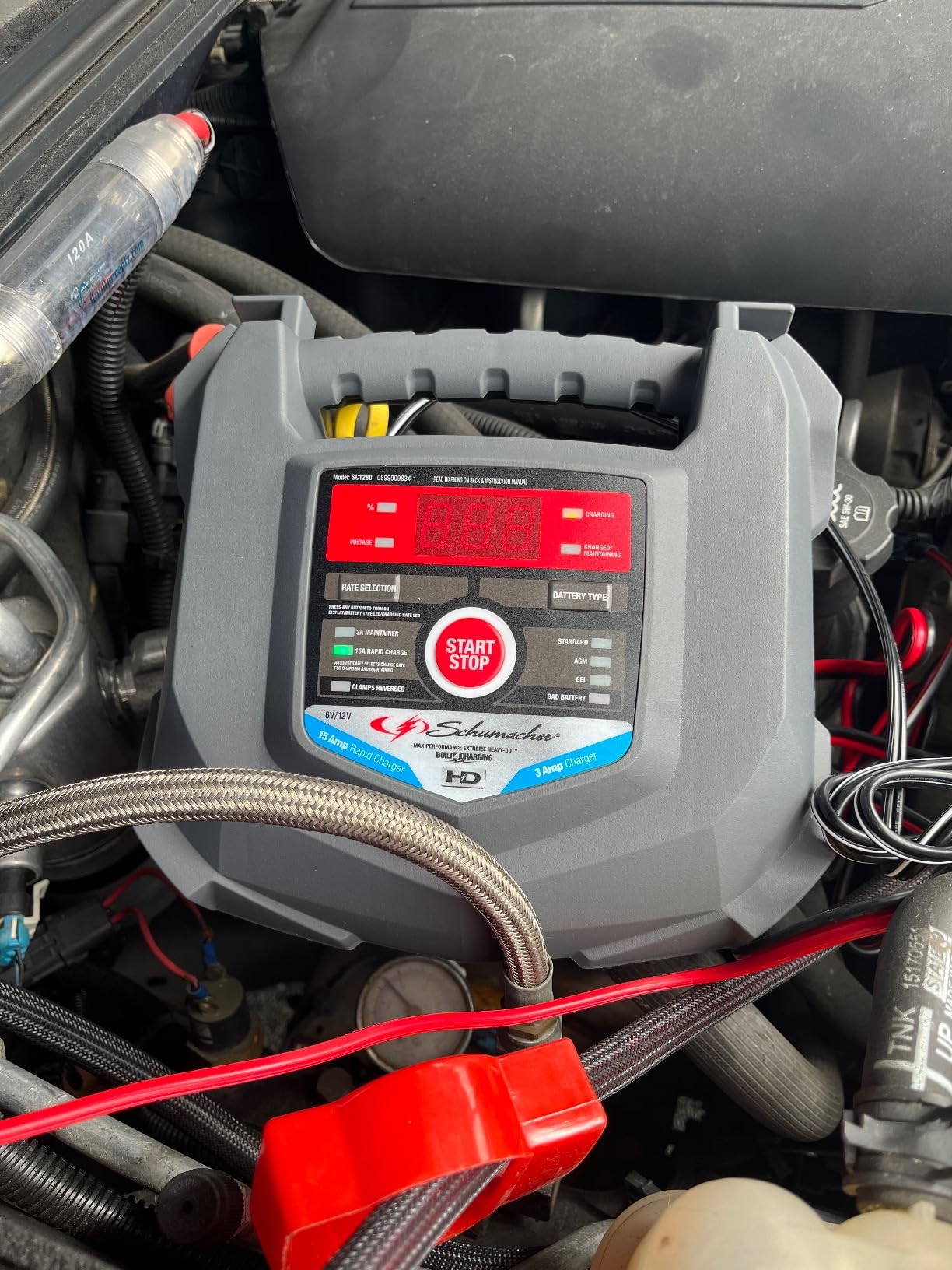
The SC1280 is the middle ground we keep coming back to. It is a 15 amp charger that also maintains, tests and restores batteries, which is the entire feature list most people actually need. The extra output is the difference between recovering a battery in one evening and watching a trickle charger grind at it for two days.
It detects 6V and 12V on its own, so there is no mode switch to get wrong. That matters more than it sounds, because the single most common misuse of any smart charger is leaving an AGM battery on the flooded setting. Schumacher has made automotive power products since 1947, and that institutional knowledge shows in how little the unit asks of you.
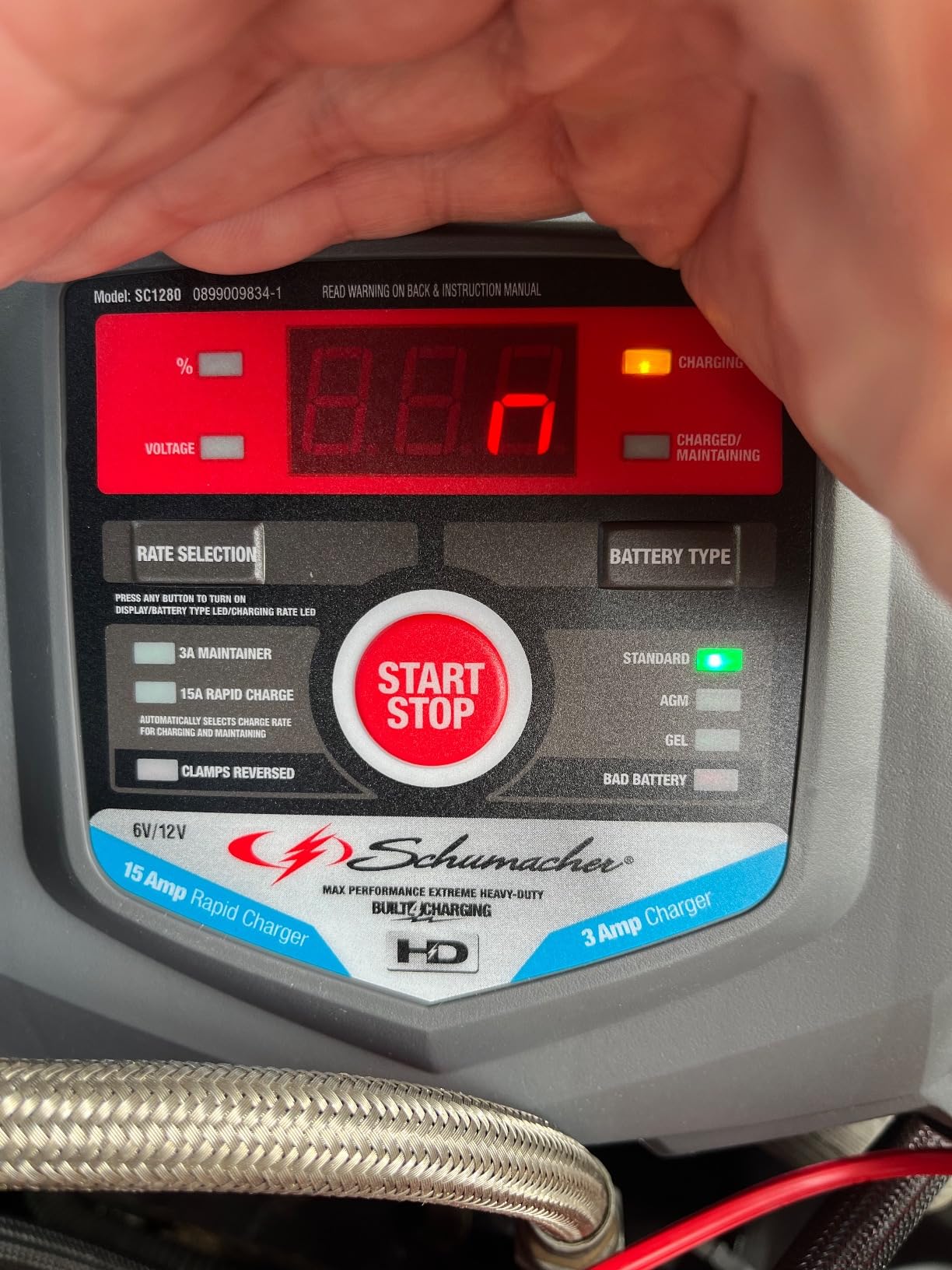
Once the battery is topped off, the SC1280 drops to a 3A trickle and holds it there, which is why it doubles as a maintainer. The desulfation mode runs multi-stage charging algorithms aimed at a sulfated battery, and reviewers consistently credit it with extending battery life rather than just topping it up.
Long-term owners on Mopar forums report rolling Schumacher units still working after forty years, while noting plainly that those older machines had zero automatic features. The SC1280 is the modern answer to that durability, with microprocessor control doing the monitoring a person used to have to do by hand.
What 15 amps feels like in practice
Schumacher lists a roughly 10 hour charge time at full output, which is realistic for a battery that has been sitting discharged rather than one that merely went flat overnight. That is a Saturday morning job, not a crisis, and it is the reason this unit is our value pick rather than our speed pick.
The 2.7 lb weight and roughly 9 inch by 9 inch footprint make it a shelf unit, not an install. If you wanted something bolted into the engine bay permanently, this is not it. For a garage, a trunk, or the back of a truck bed it is the right shape.
Where the cost savings show up
The 1-year warranty is the shortest in this group and noticeably shorter than the 3-year NOCO and 5-year CTEK cover. Buyers replacing batteries every few years will outlive that warranty comfortably; buyers keeping one charger for a decade are better served elsewhere.
There is also no LCD status display, so progress is inferred from the indicator lights rather than read off a screen. For most people that is a non-issue. It becomes one if you want to know the exact state of charge on a battery you are trying to save.
4. TowerTop TP108MB – Most Power and the Only Engine-Start Boost
TowerTop 2/10/25 Amp 12V Smart Car Battery Charger, Fully Automatic Battery Maintainer with Engine Start, Auto Desulfator, Battery Repair, Winter Mode, for AGM, STD, Gel, Deep Cycle Batteries
25A max with 2A 10A and AUTO
100A engine start for 100 seconds
8-stage with LCD
Winter mode
Pros
- Four selectable output settings cover maintaining through fast recovery
- HD LCD shows live charging stage and parameters
- Automatic battery detection starts charging in about 30 seconds
- Recondition mode has revived stored ATV marine and powersports batteries
- Winter mode adds 0.2V in cold conditions
Cons
- Needs about 3 volts before it will begin charging
- Plastic clamp covers detach from the metal clamps
- Manual and auto-detect behaviour are confusing at first
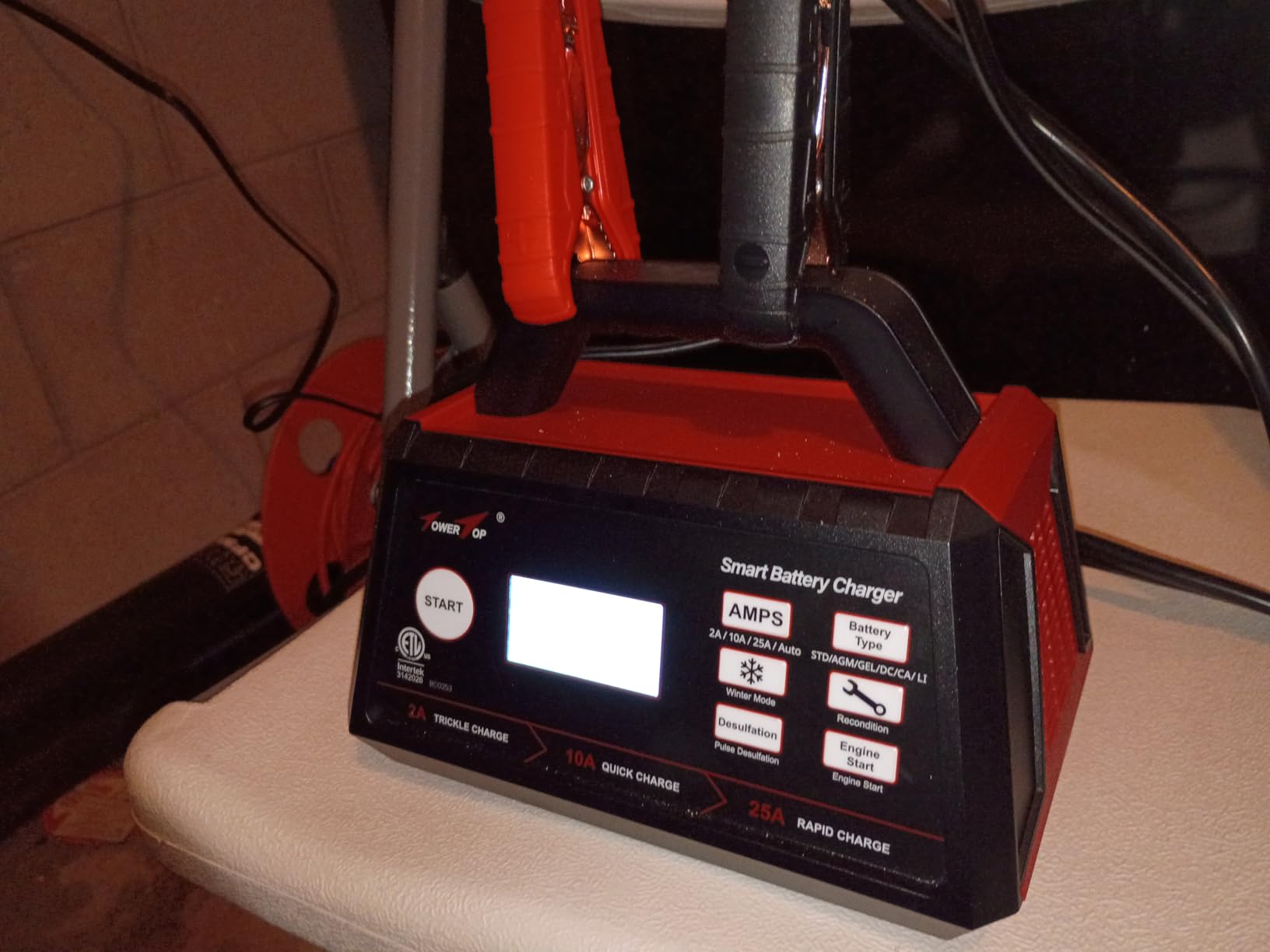
The TP108MB is the most capable unit here and the only one with an engine-start function. Its engine start mode delivers 100 amps for up to 100 seconds, which is enough to turn over an engine with a weak battery without calling anyone for a jump. If you have ever sat in a driveway at dawn waiting on a stranger with cables, that feature alone justifies the unit.
Underneath the boost, output is selectable at 2A, 10A, 25A or AUTO, so the same box can trickle-maintain a motorcycle battery overnight and recover a truck battery on a Saturday. The eight-stage program covers desulfurization, soft start, bulk, absorption, analysis, repair, float and pulse maintenance, and an HD LCD shows which stage is running.
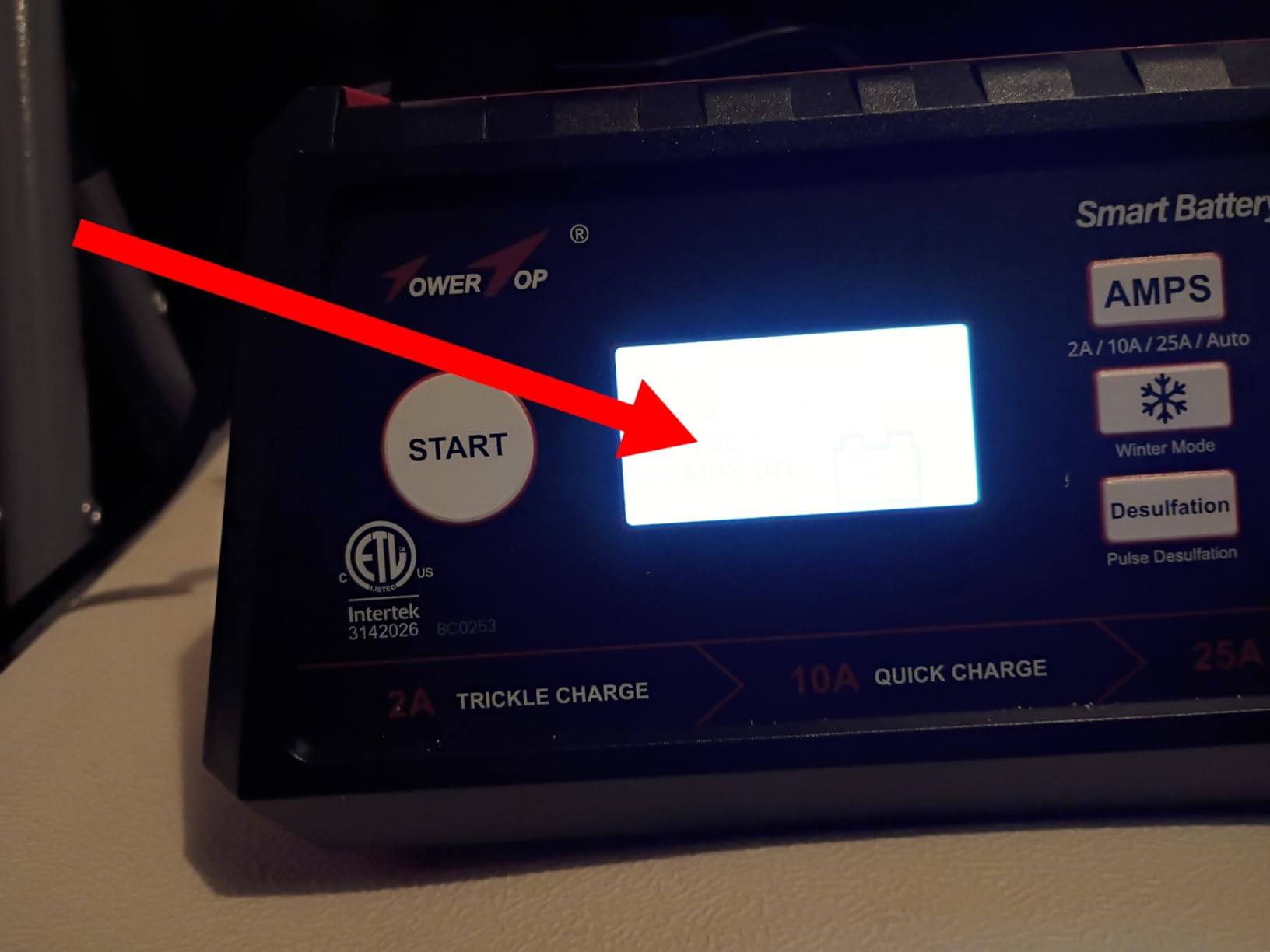
Owners running repair shops lean on this unit heavily. One ATV and powersports owner calls it his go-to charger and credits it with reviving batteries headed for the scrap pile. Winter mode adds 0.2V to the charging target in cold conditions, which is the sort of small detail that matters more in Minnesota than in the research.
The screen is genuinely useful rather than decorative. It shows charging stage and parameters, so you can tell the difference between a battery that is filling slowly because it is huge and one that is filling slowly because it is refusing to accept charge.
Check your battery voltage before you rely on it
The 3 volt floor is the most important caveat in this review. Owners report the unit will not begin charging a battery below roughly 3 volts, which means a truly dead cell needs another charger first. One owner nevertheless reported bringing a 1.7V AGM battery to a full charge overnight, so treat the floor as a warning rather than a wall.
If your battery routinely drops that far, pair this with something that reaches lower, or accept that you will be attaching jumper cables before you attach the charger. Also note this base model is not rated for LiFePO4 packs.
The build quality questions
The plastic clamp covers clip loosely onto the metal clamps and come off easily, which is the most common complaint. Owners doing daily work replace the covers or the clamps entirely.
A number of reviewers also found the interface unintuitive on first contact, particularly around auto-detection, and one unit was water-damaged after being left out in the rain. The 18-month warranty is mid-pack, shorter than NOCO and CTEK.
5. BLACK+DECKER BM3B – Best Budget Maintainer for Small Batteries
BLACK+DECKER BM3B Fully Automatic 6V/12V Battery Charger/Maintainer with Cable Clamps and O-Ring Terminals, Multi, 1.5 Amp
1.5A 6V and 12V
AGM gel and wet cell
Automatic float when full
1.2 lb
Pros
- Most reviewed charger in this roundup with 13254 ratings
- Weighs 1.2 lb and stores in a glovebox
- Handles 6V and 12V AGM gel and wet batteries
- Includes both clamps and O-ring terminals
- ETL certified with overcharge reverse polarity and short circuit protection
Cons
- 1.5 amps is slow for reviving a discharged battery
- Basic single-stage design without battery-type selection
- No display for charge state or battery health
The BM3B has the largest review base of anything we tested, at more than 13000 ratings, and the reason is simple: it does one job correctly and cheaply. It charges and maintains 6V and 12V AGM, gel and wet cell batteries, stops automatically when the battery is full, and switches to float monitoring.
At 1.2 lb and roughly 5 by 1.6 by 2.6 inches it disappears into a glovebox, a saddlebag or a boat console. The box includes both battery clips and O-ring terminals, so you can make it semi-permanent on a motorcycle, a lawn mower or a classic car without buying anything else.

The protection circuit is the underrated part. It guards against overcharging, reverse polarity and short circuits, and the unit is ETL certified for performance and safety. Those are the three ways a cheap charger ruins a battery, and having all three covered is worth more than a faster charge rate at this size.
There is a built-in mounting bracket too, which is odd on a charger this small but handy if you fix it to a wall or under a bench. The warranty is a limited one year.

Which batteries it suits
This is a maintainer first and a charger second. It handles 6V cells as well as 12V, which makes it one of the few options here that suits golf carts, small motorcycles, ride-on mowers and other 6V packs, and it covers the three common lead-acid chemistries without a selector switch.
For a daily driver that starts every morning and drives regularly, topping off once a month with this unit is genuinely all you need. It is also the sensible pick for a seasonal vehicle sitting in a garage through the winter.
When you should buy something else
At 1.5 amps, recovering a genuinely discharged car battery is a multi-day proposition. If your goal is to bring a dead battery back in one evening, this is the wrong tool and the SC1280 or the TowerTop will do it far faster.
There is no display, so you cannot see state of charge or battery health, and the design is single-stage with no battery-type selection or repair mode. Buyers who want diagnostics should look at the units with a screen.
6. GOOLOO S4 – Best for Lithium and Low-Voltage Recovery
GOOLOO S4 4A Car Battery Charger, 6V/12V Smart Trickle Charger Maintainer
4A 6V and 12V
Supports 12V LiFePO4
Fixed 12VDC supply mode
10-stage program
Pros
- Rare fixed 12VDC supply mode revives deeply discharged batteries
- 10-stage program with pulse desulfation and auto repair
- Compact and light enough for a saddlebag or glovebox
- Runs cool and switches itself to maintenance mode
- Works with 6V 12V lead-acid and 12V LiFePO4
Cons
- Display can read 000 on a low-voltage battery even when it is fine
- 4 amps is slow for full car battery recovery
- Some reviews appear to cover a different GOOLOO booster
The S4 stands out for two reasons. The first is the fixed 12VDC supply mode, which is a genuine low-voltage recovery tool rather than a marketing label, and reviewers specifically credit it with saving batteries other chargers would not touch. Several buyers bought a second unit after seeing it work.
The second is chemistry coverage. Alongside 6V and 12V lead-acid, gel, SLA and flooded batteries, it handles 12V LiFePO4 packs, which matters if you are charging a lithium auxiliary or camping battery rather than a starter battery. Check your pack manufacturer supports charging before you connect it.
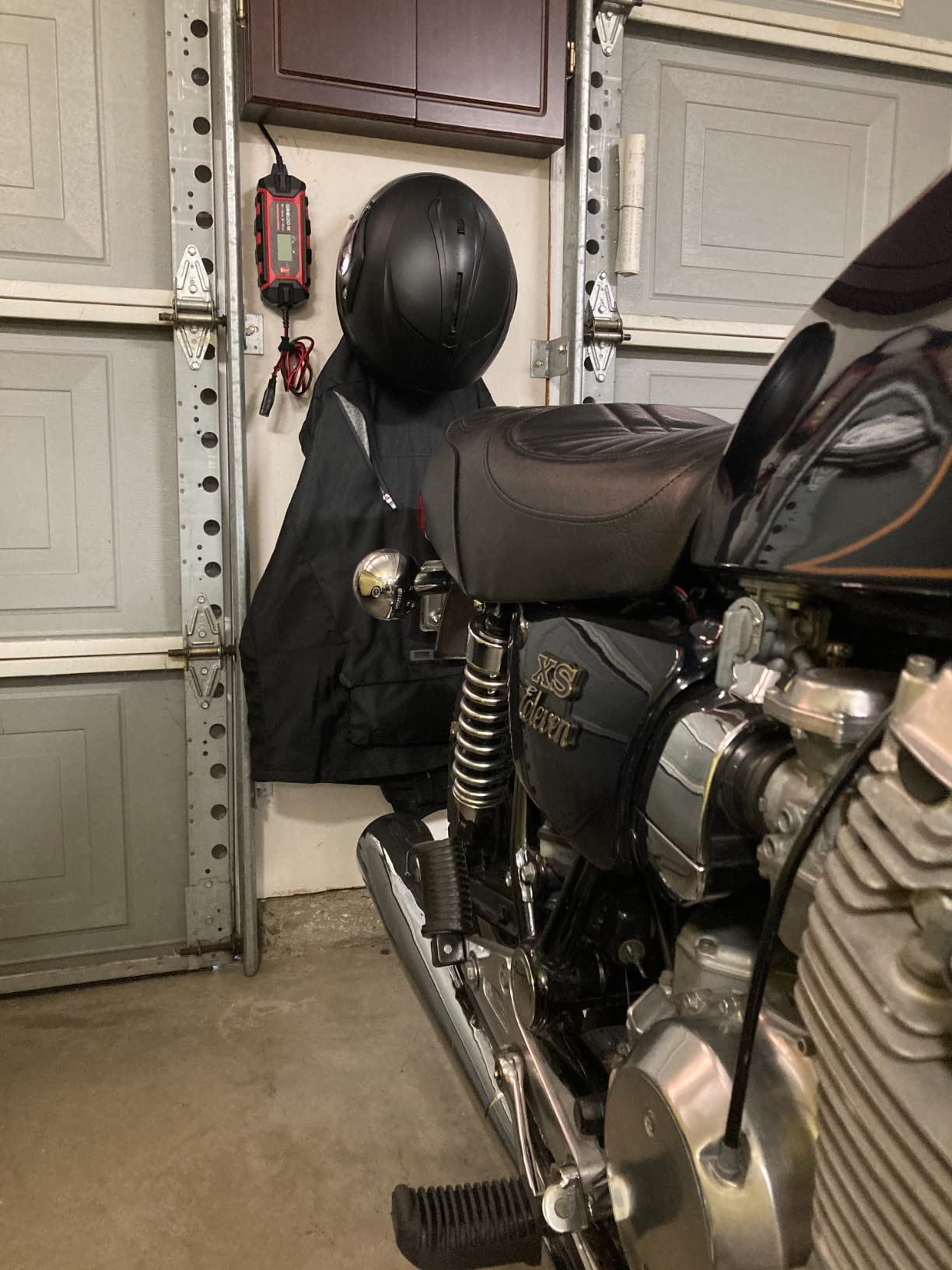
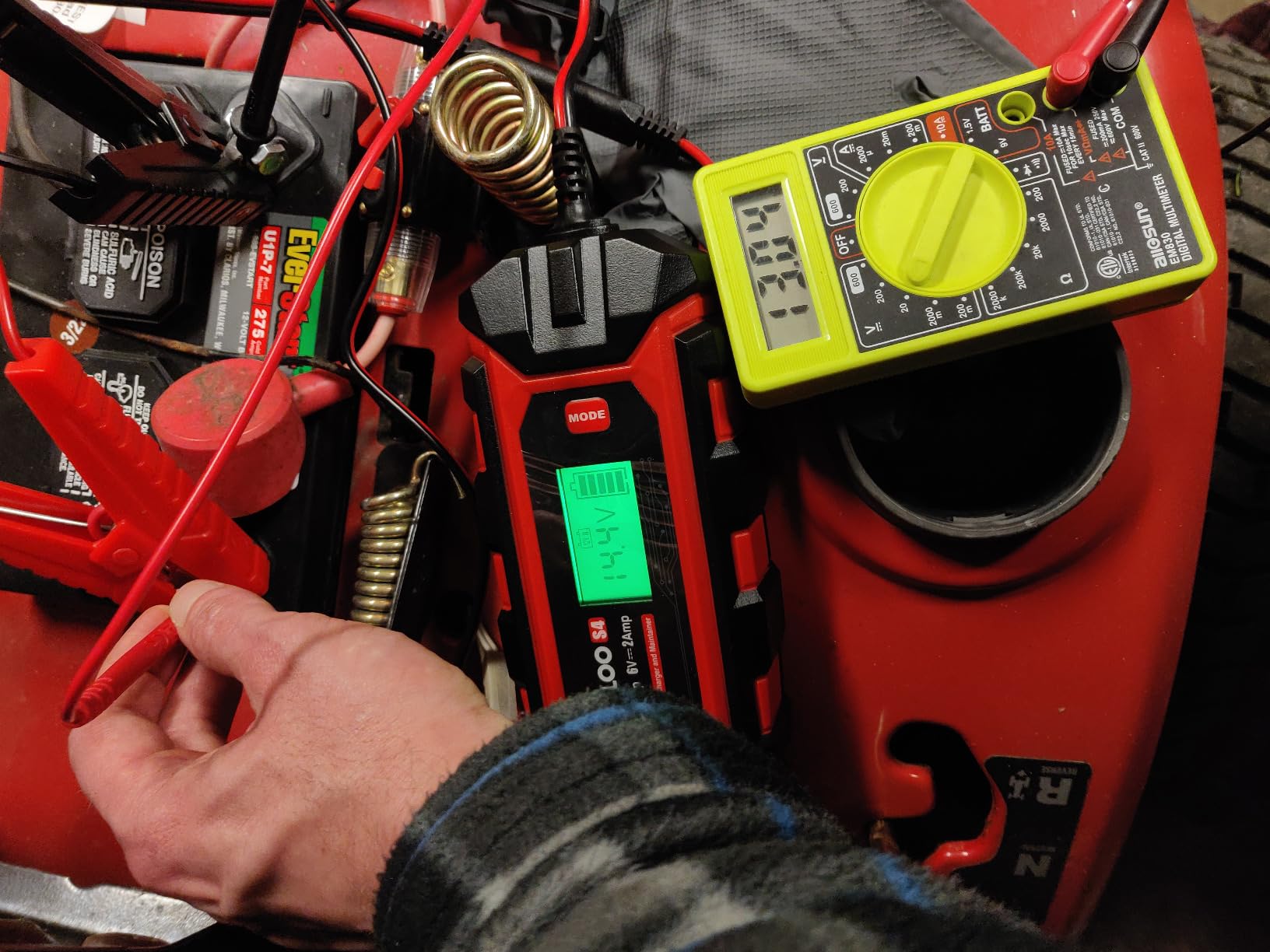
The 10-stage program uses pulse current desulfation and an auto repair step, and the unit is temperature-adaptive so it does not overcharge in heat or undercharge in cold. It runs cool during long sessions and transitions itself to maintenance mode when the battery is full.
It weighs about 0.74 kg and measures roughly 9 by 3.35 by 2 inches, which makes it easy to move between vehicles. Connection is by clamp or cigarette lighter plug, and the LCD shows voltage, mode and battery level. The warranty is 18 months.
Working around the 000 readout
The most-cited flaw is the display reading 000 on a low-voltage battery that is actually fine. It is a measurement quirk rather than a charging failure, and owners work around it by briefly jumpering to a charged battery so the unit registers and starts.
It charges down to 3 volts, and the fixed supply mode extends recovery below that. If your battery is comfortably above 3 volts you will never notice the quirk; if it is not, the workaround is worth knowing before you panic.
Reading the reviews honestly
Several reviews in this set appear to describe a different GOOLOO booster product rather than this charger, which is worth factoring in when you read the rating. General sentiment across motorcycles, boats, generators and car batteries is favorable.
Four amps is the real limitation for car work. It is a maintainer and recovery charger, not a fast charger, and at that size the price reflects the compromise.
7. CRAFTSMAN CMXCESM258 – Best Digital Display in a Home Garage
CRAFTSMAN 12A Car Battery Charger & Maintainer, 6V/12V – CMXCESM258
12A 6V and 12V
Digital progress display
Auto voltage detection
LiFePO4 support
Pros
- 12 amps brought a fully dead battery back to a crank in roughly 3.5 hours
- Digital progress meter is unusual at this tier
- Auto voltage detection removes the 6V or 12V guesswork
- Reverse hook-up protection
- Supports LiFePO4 plus standard AGM and deep-cycle
Cons
- One owner reported the housing split open in the hand during use
- Home-use grade rather than commercial shop grade
- Only a 1-year warranty
The CMXCESM258 is the unit to buy if you want to see what is happening. Its digital progress meter shows charge state as the battery fills, and at 12 amps it has enough output to be genuinely useful rather than decorative. One owner brought a fully dead car battery back to a crank in roughly 3.5 hours.
It is a 4-in-1 device, charging, maintaining, testing and restoring, with auto voltage detection for 6V and 12V plus reverse hook-up protection so a misconnected clamp does the wrong thing quietly. The chemistry list covers standard, AGM, deep-cycle and LiFePO4 lithium batteries.

Cord reach is the quietly useful spec. A 6-foot AC cord plus 6-foot battery cables gives 12 feet of total reach, which makes hooking up a battery at the back of a pickup or in a boat far less of a contortion than a short-lead unit allows.
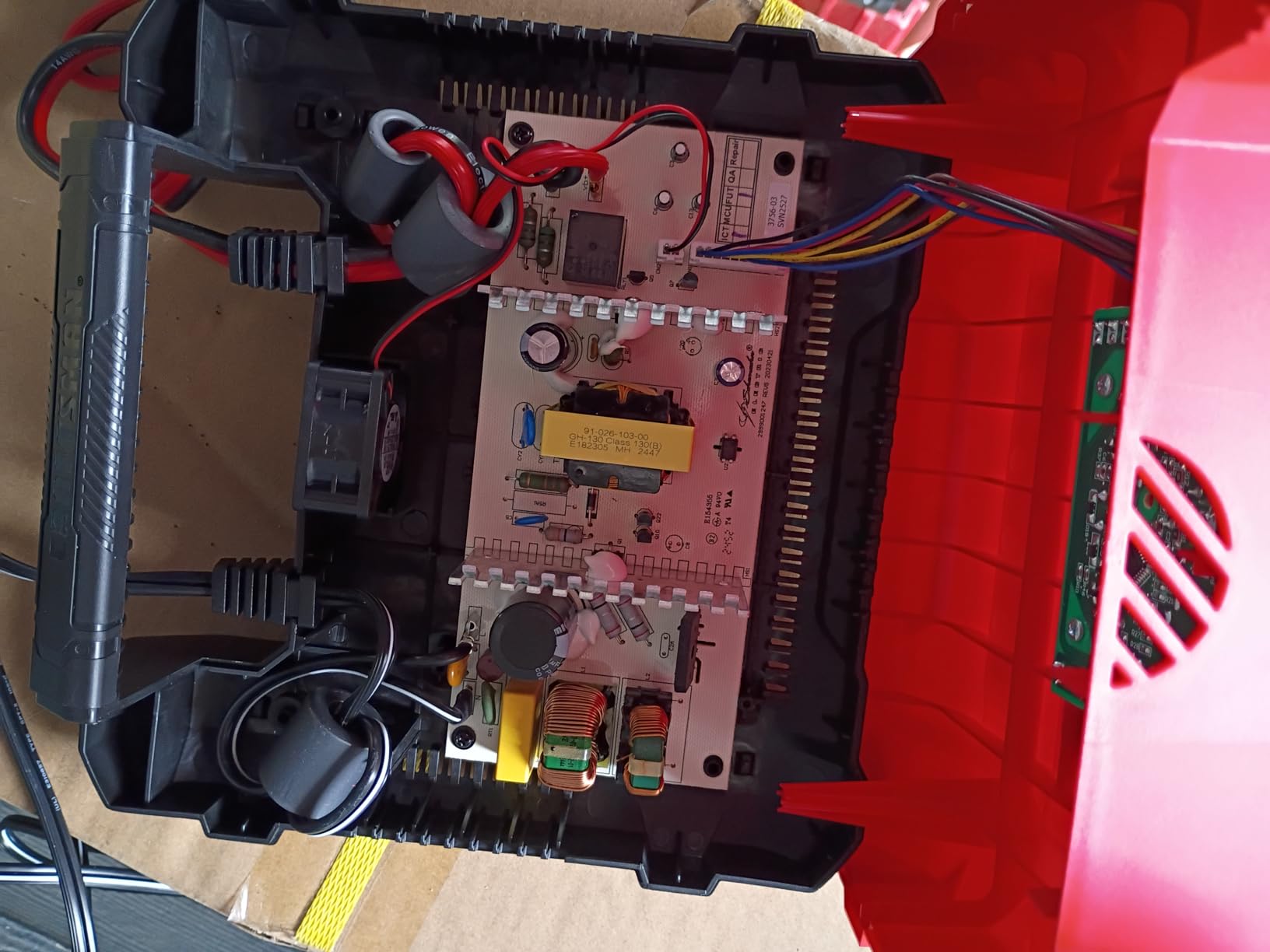
It is certified to UL and FCC standards, weighs 3.4 lb, and measures about 12 by 16 by 5 inches. That is a shelf-sized box, so plan on bench space rather than a permanent mount.
What a digital meter buys you
The progress display tells you the difference between a battery taking charge and a charger that has stopped working. With an indicator light you infer; with a meter you read. On a battery you are trying to save, that is worth something.
It also lets you spot a failing battery early. If the meter stalls well short of full repeatedly, the battery is the problem, not the charger, which is the single most useful diagnostic on any of these units.
The build quality question mark
One owner reported the plastic housing splitting open in the hand while in use, apparently because assembly screws were missing. It is an isolated account in a review set that otherwise averages close to five stars, but it is worth inspecting the case and screws before first use.
This is home-use grade rather than commercial shop grade, and the warranty is one year. For a full-time shop our guide to battery chargers built for the shop covers heavier hardware.
8. NEXPEAK NC215 – Best Bang for Buck on 12V and 24V
NEXPEAK 15-Amp Battery Charger, 12V 24V LiFePO4 Lead Acid Portable Car Battery Charger 9-Stage Trickle Charger Smart Battery Maintainer w/Temp Compensation for Car Truck Lawn Mower Boat Marine NC215
15A at 12V and 8A at 24V
9-stage with trickle float mode
Lead-acid and LiFePO4
2-year warranty
Pros
- 15 amps of 12V output at a price usually seen on 8 to 10 amp chargers
- One of the few units here that also handles 24V systems
- Large color screen readable in sunlight showing temperature and percentage
- 6.7-foot cord reaches a truck or boat battery easily
- Two-year warranty is longer than most in this class
Cons
- Cannot activate or charge a totally dead 0V battery
- AC plug uses flat contacts rather than a two-round-pin style
- Draws meaningful standby power
- Charger itself is not weather resistant
The NC215 delivers 15 amps at 12V and 8 amps at 24V, and that dual-voltage capability is unusual at this money. If you run a 24V system on a boat, a truck or a camper, this is one of the few units in this roundup that handles both without a second charger.
The 9-stage process includes a dedicated trickle and float maintenance mode, so it does not stop being useful once the battery is full. Buyers frame it as exceptional value and some run five or six units across their vehicles, with repeat purchases still going out after two years.
What the screen and modes give you
The extra-large color LED screen shows voltage, current, internal temperature, charge percentage and the summer or winter mode setting, and it stays readable in direct sunlight. Temperature compensation adjusts for hot and cold climates, and a pulse repair function detects sulfation and acid stratification.
It works with LiFePO4, AGM, gel, SLA and flooded lead-acid chemistries. At about 1.5 lb with a 6.7-foot cord, it is easy to move between vehicles, and the two-year warranty is longer than most in this class.
Three things to check before you buy
There is a 0V floor, so a completely dead battery will not be activated or charged. For anything deeper than a flat battery you need the NOCO GENIUS2D or a unit with a fixed supply mode.
European buyers should note the supplied AC plug uses flat contacts rather than the standard two-round-pin pattern, so it is not directly usable in every European outlet. One owner also noted meaningful standby draw, which matters only if you run an inverter off a battery the charger is attached to, and the case is not weather resistant.
If you need something you can carry to the car rather than plug in at home, our picks for portable car battery chargers cover that side of the market.
How to Shop for Value Instead of Just Price
Value in this category is not the lowest number on the label. It is the cheapest charger that does the job your battery actually needs, because a unit that undercharges an AGM battery shortens the battery’s life and quietly costs you more. Grouping the eight picks by behaviour makes that clearer than a flat ranking does.
Budget behaviour: the BLACK+DECKER BM3B and the NEXPEAK NC215 sit here. The BM3B is a maintainer for small and seasonal batteries with the largest review base in the group. The NC215 surprises by offering 15 amps and 24V support, which normally costs far more. Neither will bring a truly dead battery back from nothing.
Mid-range behaviour: the Schumacher SC1280, the GOOLOO S4, the TowerTop TP108MB and the CRAFTSMAN CMXCESM258. These are the recovery units. They have real output, protection circuits and enough stage control to be left connected, and the TowerTop adds an engine-start function nobody else here has.
Premium behaviour: the CTEK MXS 5.0, which earns its place with an eight-step program, per-step status lights, a dedicated AGM mode, Recondition mode, an IP65 shell and the longest warranty in the group at five years.
The pattern is worth stating plainly. Paying more buys you transparency and protection rather than raw speed, and raw speed is the cheap thing. Our home battery charger picks make the same argument from a different angle if your vehicles live in a garage rather than on a driveway.
How Many Amps Do You Actually Need?
For most cars, 2 to 5 amps is enough to recover a battery and keep it healthy. The confusing part is that a 10A charger does not push 10 amps for the whole cycle. It runs a bulk phase at full output, then tapers through absorption as the battery fills, and finally floats at roughly 1 amp. The headline number describes the first phase only.
There is also a size guide hidden in the number. A charger delivering more current than roughly a tenth of a battery’s amp-hour rating generates heat and stress inside the cells, so matching output to battery size matters more than chasing a bigger number.
On this list the spread is genuine. The BM3B gives 1.5 amps, the GENIUS2D 2 amps, the MXS 5.0 4.3 amps, the S4 4 amps, the CMXCESM258 12 amps, the SC1280 and the NC215 15 amps, and the TowerTop 25 amps with selectable lower settings. Listed charge times range from about 10 hours on the SC1280 to about 120 minutes on the TowerTop at maximum output, with 40 to 50 hours quoted for the two-amp-class units.
Match the amp figure to the job. Maintenance and storage, low amps. Recovering a battery you need for tomorrow, 12 amps and up. Starting a vehicle where you are stuck, engine-start boost.
Charger, Maintainer, or Trickle Charger: Which One Do You Need?
A charger pushes current into a depleted battery until it is full, then stops or drops to float. A maintainer does the same thing automatically and indefinitely, holding a stored battery topped up without your attention. A trickle charger is the older name for a simple constant-current unit that never really stops pushing.
That last category is where the forum arguments live. Enthusiasts on an arboristsite thread titled against smart chargers report better results from a plain two-amp slow-and-low charger than from feature-packed units, and that is not a fringe position. A constant-current trickle charger left on a partly charged battery will cycle it shallowly forever, which is exactly the pattern that builds sulfation.
The honest summary is this. If you drive the car regularly, you probably do not need anything beyond a smart maintainer for occasional top-ups. If the car sits for weeks, you need a maintainer permanently installed. If the battery is already down, you need a charger with real output. Jumping a battery and driving it is a third tool entirely, and not a substitute for any of these.
For classic cars, RVs, boats and stored projects, the choice narrows further because those vehicles sit for months. Our guide to chargers for older cars covers the storage and vintage use case in more depth.
Battery Chemistry Match: What Each Charger Handles
Every charger in this roundup handles lead-acid, which covers flooded, wet cell, AGM and gel batteries. That covers essentially every starter battery sold in the last thirty years. The differences are at the edges: lithium support and how low a charger will go before it gives up.
6V and 12V flexibility: the BM3B, the SC1280, the GOOLOO S4 and the CMXCESM258 all handle 6V cells, which matters for golf carts, small motorcycles and ride-on mowers. The MXS 5.0, the GENIUS2D and the NC215 are 12V units.
Lithium support: the GOOLOO S4, the CRAFTSMAN CMXCESM258 and the NEXPEAK NC215 handle 12V LiFePO4. The TowerTop base model does not; its Pro version is required. LiFePO4 packs need a charger that recognises their lower and flatter charge curve, and a lead-acid charger left connected to one can keep it in a partial state indefinitely or push it into a fault condition.
Deep-cycle and marine: the SC1280, the GENIUS2D, the TowerTop and the NC215 all state deep-cycle compatibility, which is what you need for boat banks, RV house batteries and anything that is not a starter battery.
NOCO vs Schumacher: The Head to Head
NOCO and Schumacher are the two names people argue about most, and the honest answer is that they optimise for different jobs. NOCO builds small, smart, permanently mountable units with aggressive recovery features. Schumacher builds larger, faster, more mechanical-feeling units with strong desulfation and the longest nameplate pedigree of the two.
Recovery from a dead battery: Schumacher wins on raw output. The SC1280 puts 15 amps into a battery and quotes roughly a 10 hour charge. The NOCO GENIUS2D is a 2 amp unit that quotes about 40 hours, though its Force Mode reaches far lower voltages than most, so it can save batteries that never accept a high current.
Storage and maintenance: NOCO wins on form factor. At under 12 ounces with a bracket, screws and a strap, the GENIUS2D is built to be installed and forgotten. The SC1280 at 2.7 lb is a shelf unit.
Diagnostics: it is close. Both test and analyse, and both auto-detect voltage. The TowerTop and CRAFTSMAN units in this roundup go further with an LCD that shows live stage and percentage, which neither NOCO nor Schumacher entry here offers.
Warranty and protection: NOCO offers 3 years on the GENIUS2D against Schumacher’s 1 year on the SC1280. Both are certified to UL and FCC standards, and both have reverse polarity protection. Enthusiasts on Mopar forums point out that Schumacher hardware has a genuine multi-decade durability record, while owners on other boards report NOCO units resetting on minor power interruptions.
Buy NOCO if you want it installed permanently. Buy Schumacher if you want the battery back tonight. If you want both traits in one tool, the CTEK MXS 5.0 is the compromise most enthusiasts land on.
Charging Safety: Overnight Use, Reverse Polarity, and Engine Starts
Leaving a modern smart charger connected overnight is safe, because the entire design is that it stops. Every unit in this roundup switches to float or maintenance mode when the battery reaches full, and the GENIUS2D, the MXS 5.0 and the GOOLOO S4 resume correctly after a power interruption without being reset.
The old fear is not unfounded, it just applies to a different category. Non-automatic chargers with a fixed voltage setpoint can gas a sealed battery and, over time, damage or rupture it. That is why built-in overcharge protection and ETL or UL certification are worth paying attention to on a cheap unit.
On reverse polarity, do not test it. Every charger here has some form of reverse polarity protection, but the correct habit is to confirm positive and negative before you connect the clamps. Spark-proof or anti-arc connection technology matters most on flooded batteries in a garage, where a hydrogen gas ignition is a real possibility rather than a theoretical one.
Starting the car with the charger attached is the question people are least sure about. It depends entirely on the unit. The TowerTop has a dedicated engine-start mode that delivers 100 amps for up to 100 seconds, which is the intended way to use that feature. On any other charger, follow the manufacturer’s instructions, because the current surge from a starter motor can overwhelm a unit that is mid-charge.
Diagnose Before You Buy: Battery Problem or Alternator Problem?
If your battery dies repeatedly and a charger brings it back every time, you have an alternator problem, not a battery problem. The most common signs are a battery that charges fine the moment it is disconnected, a dashboard battery or charging warning light, headlights that dim noticeably at idle, or a car whose battery dies within days of a long drive.
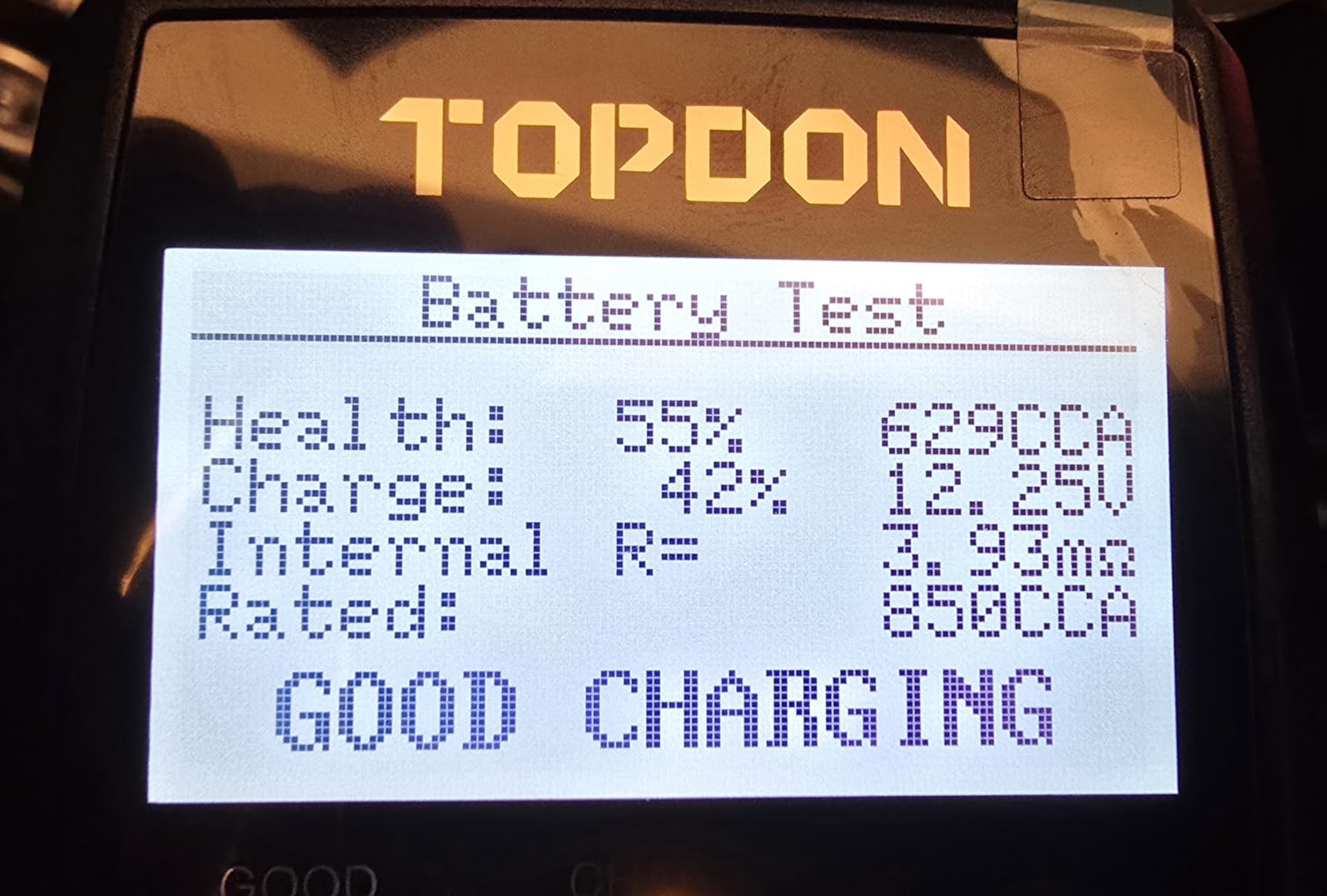
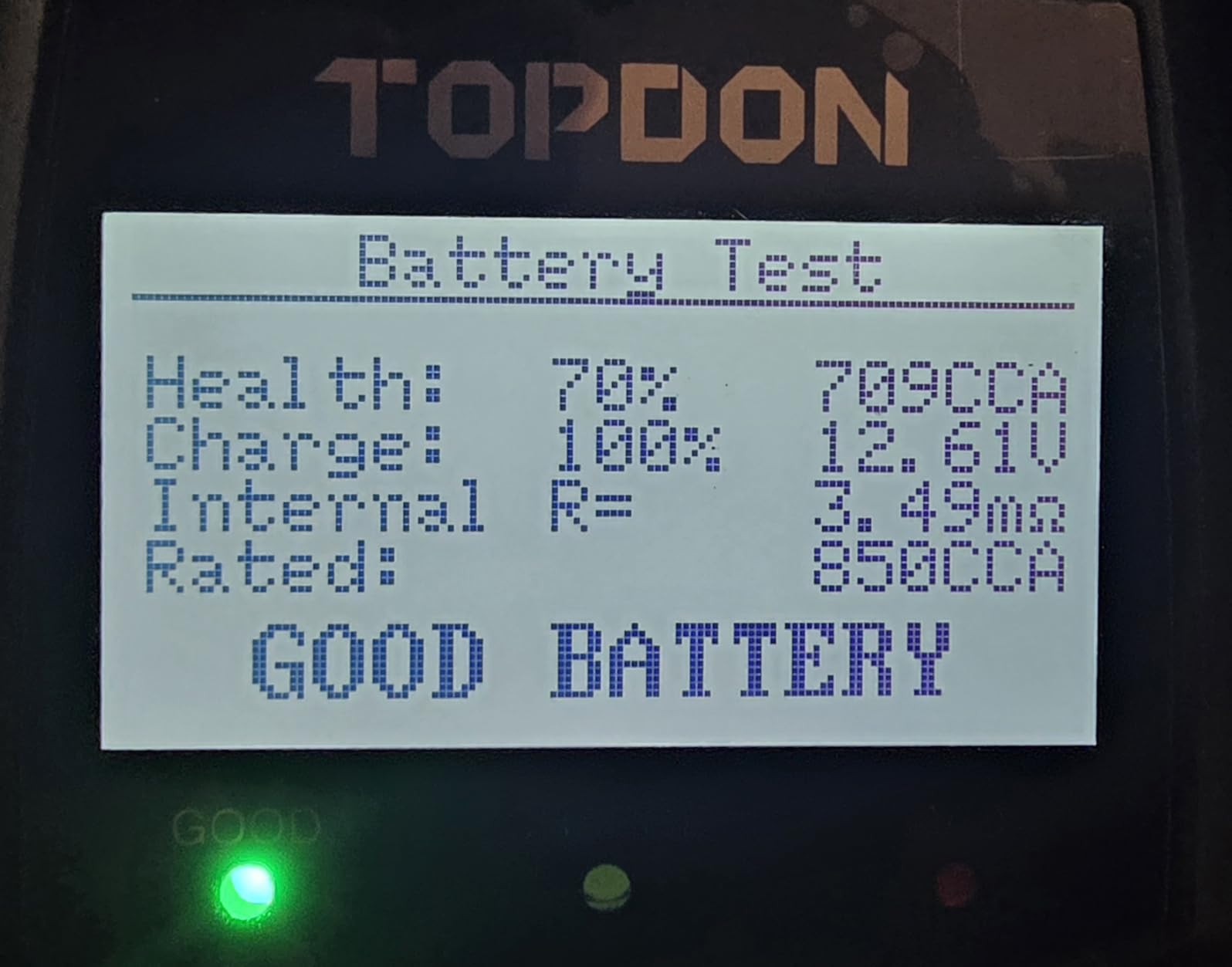
A resting voltage reading of about 12.6V or higher means a fully charged lead-acid battery. Anything below roughly 12.2V suggests it is not holding a charge, and the next step is a load test rather than another charger.
An inexpensive OBD2 scanner turns the alternator question into a number. Read the charging system voltage with the engine running; a healthy alternator should show roughly 13.7V to 14.2V. If it reads close to 12V while the engine is running, the alternator is not charging and a new battery will fail the same way.
This check takes five minutes and prevents the most expensive mistake in this whole category, which is buying a better charger to solve a problem the charger cannot reach.
Frequently Asked Questions
Is NOCO or Schumacher better?
It depends on the job. NOCO builds small, mountable units with deep recovery features, and the GENIUS2D weighs under 12 ounces and can be installed permanently. Schumacher builds faster units with strong desulfation, and the SC1280 puts 15 amps into a battery and quotes a roughly 10 hour charge. Buy NOCO for storage duty and Schumacher for recovery work.
How many amps is the best car battery charger?
For most cars, 2 to 5 amps is enough to recover a battery and keep it healthy, because a smart charger tapers its output through absorption and float rather than running at full current the whole time. Choose 12 amps or more when you need a dead battery usable again within a few hours, and match output to roughly a tenth of the battery’s amp-hour rating.
What battery charger will charge a completely dead battery?
Look at minimum chargeable voltage, because that decides the answer. The NOCO GENIUS2D charges from 1 volt and has a Force Mode that goes lower, and the GOOLOO S4 has a fixed 12VDC supply mode for deeply discharged packs. The TowerTop needs about 3 volts, the CRAFTSMAN and NEXPEAK will not activate a battery at 0V, and the 1.5 amp and 2 amp units are far too slow to matter in an emergency.
How long can you leave a trickle charger on a car battery?
Indefinitely, if it is a modern smart charger or maintainer with overcharge protection. Every unit in this roundup stops charging and switches to float or maintenance mode when the battery is full, so leaving one connected through a whole winter is exactly what they are designed for. Do not do it with an old fixed-voltage charger, which can overheat or gas a sealed battery.
What should I look for when buying a car battery charger?
Check six things: battery chemistry support including AGM and ideally LiFePO4, minimum chargeable voltage, whether it auto-detects 6V and 12V, reverse polarity and spark-proof protection, certification to UL or ETL standards, and the warranty length. Match the amp rating to roughly a tenth of your battery’s amp-hour capacity, and decide whether you need a charger or only a maintainer before you spend anything.
Conclusion: The Best Car Battery Chargers for the Money in 2026
The CTEK MXS 5.0 is the best car battery charger for the money for most people, because transparency is the feature you keep. Eight labeled steps, a dedicated AGM mode, a Recondition mode that has saved owners real money, and a five-year warranty make it the unit that ages with you rather than against you.
Pick the Schumacher SC1280 if you need a dead battery back tonight, the NOCO GENIUS2D if your car sits for months and you want it mounted under the hood, and the TowerTop TP108MB if your mornings currently involve waiting on a stranger with jumper cables. Check your battery voltage before you buy anything, and check your alternator first if the battery keeps dying.
Whichever one you pick, the outcome you are actually buying is more seasons of starting the car on the first turn of the key. That is the whole value argument, and it holds in 2026 as much as it ever did.