

Yes, put one in your basement. A carbon monoxide detector belongs on any level where a fuel-burning appliance lives, and in most American homes that means the basement, where the furnace, boiler and water heater sit. Carbon monoxide is a colorless, odorless, tasteless gas produced by incomplete combustion. It binds to hemoglobin and blocks oxygen delivery, so people can be poisoned without ever realizing what is happening. A basement alarm gives you the earliest reliable warning the whole house gets, and this roundup covers the best carbon monoxide detectors for basements we could justify, based on published specifications, warranty terms and the volume of real owner feedback behind each unit.
Basement alarms create one practical problem that living-space alarms do not: a horn in a finished basement is often buried under a stairwell and a closed door. Families have told us the unit sounded perfectly while nobody upstairs heard a thing. That is a placement and notification question rather than a purchase question, so we cover both in this guide, along with the humidity-driven false alarms that make people rip out perfectly good detectors.
We went through eight residential CO alarms and compared sensor type, power source, alarm feedback, warranty length, operating humidity range and the size of the review history behind each one. Two brands, Kidde and First Alert, dominate the category so heavily that most of the field is variants of the same idea. We kept the variants that earn a place for a specific basement job, from a furnace-room digital unit to a sealed-battery model for a wall with no receptacle.
If you want a broader look at alarms for the rest of the house, our general carbon monoxide detector roundup covers upstairs placement and whole-home counts. This page stays underground, where the problem actually is.
Top 3 Picks for CO Detectors for Basements in 2026
Our three strongest basement picks are below. The first is the default for most homes, the second wins on readable CO feedback in a mechanical room, and the third is the straightforward low-cost coverage unit.
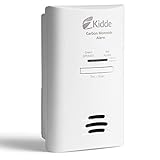
Kidde Plug-In CO Detector…
- Plug-in AC with 2-AA battery backup
- 85 dB alarm
- Peak Level Memory
- 10-year limited warranty
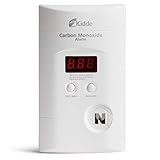
Kidde KN-COPP-3 Digital CO…
- Digital CO level display
- Removable power cord for wall mounting
- 9V battery backup

First Alert CO605 Plug-In…
- Electrochemical sensor
- Plug-in with battery backup
- 7-year warranty and end-of-life chirp
8 Best Carbon Monoxide Detectors for Basements (October 2026)
| Product | Specs | Action |
|---|---|---|
| Kidde Plug-In CO Detector with AA Backup |
|
Check Latest Price |
| Kidde KN-COPP-3 Digital CO Alarm |
|
Check Latest Price |
| First Alert CO605 Plug-In CO Detector |
|
Check Latest Price |
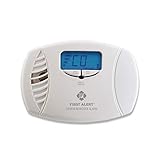 First Alert CO615 Digital Plug-In Alarm First Alert CO615 Digital Plug-In Alarm |
|
Check Latest Price |
 First Alert CO710 10-Year Battery CO Alarm First Alert CO710 10-Year Battery CO Alarm |
|
Check Latest Price |
 Siterlink Plug-In CO Detector Siterlink Plug-In CO Detector |
|
Check Latest Price |
 Heiman C1-S UL 2034 CO Detector Heiman C1-S UL 2034 CO Detector |
|
Check Latest Price |
 Kidde CO and Gas Combination Alarm Kidde CO and Gas Combination Alarm |
|
Check Latest Price |
1. Kidde Plug-In CO Detector with AA Backup – Best Overall for a Basement
Kidde Carbon Monoxide Detector, Plug-in Wall with AA Battery Backup, Test-Hush Button
Plug-in AC power
2-AA battery backup
85 dB alarm
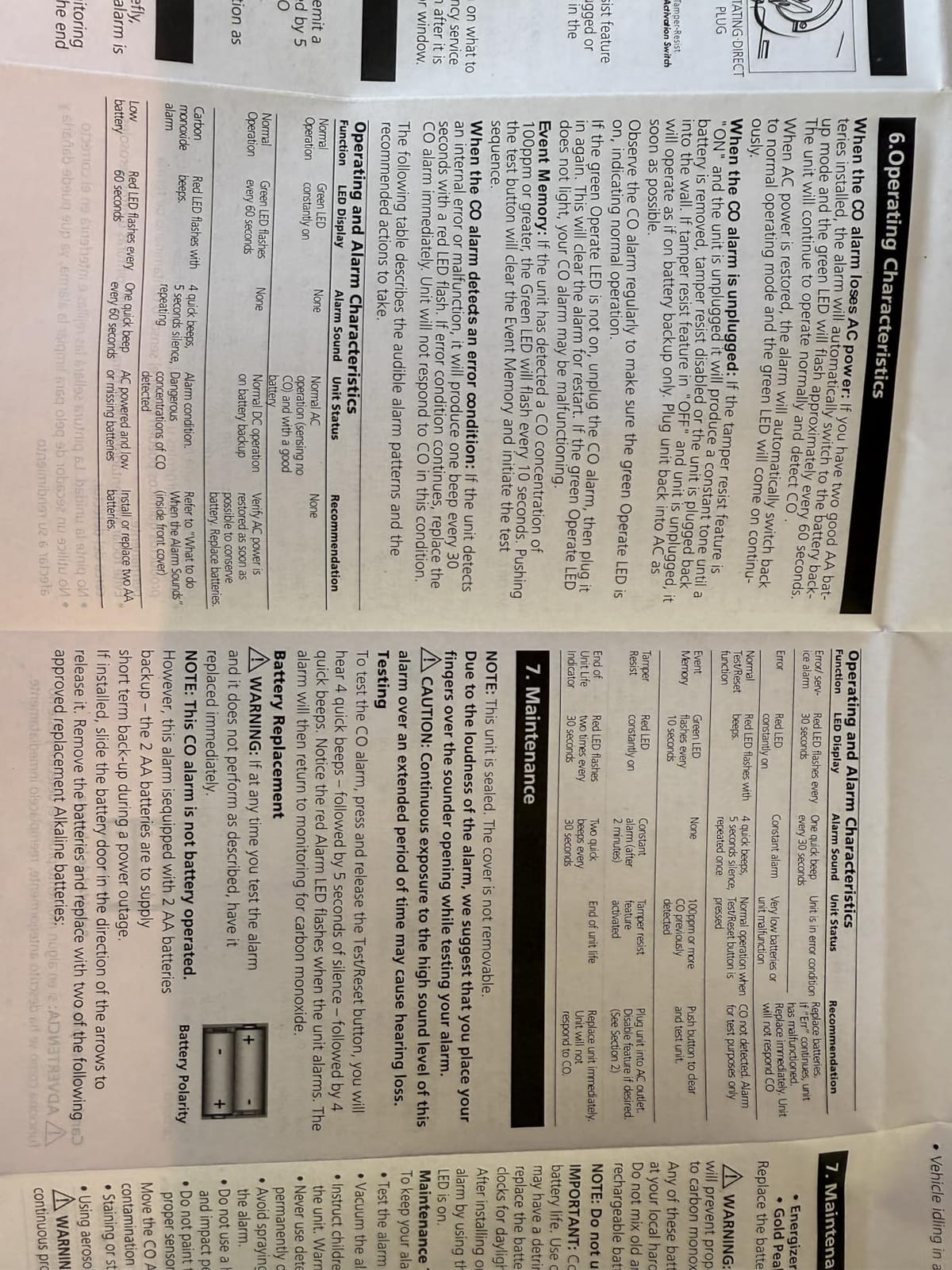
Peak Level Memory
10-year warranty
Pros
- Tool-free plug-in installation
- Two AA batteries keep it live through an outage
- 85 dB horn carries to an adjacent room
- Slim body does not block the second receptacle
- Peak Level Memory records the last detection or test
Cons
- No digital display
- LED indicator only
- CO only with no smoke or gas sensing
- Low-battery chirp is easy to mistake for a smoke alarm
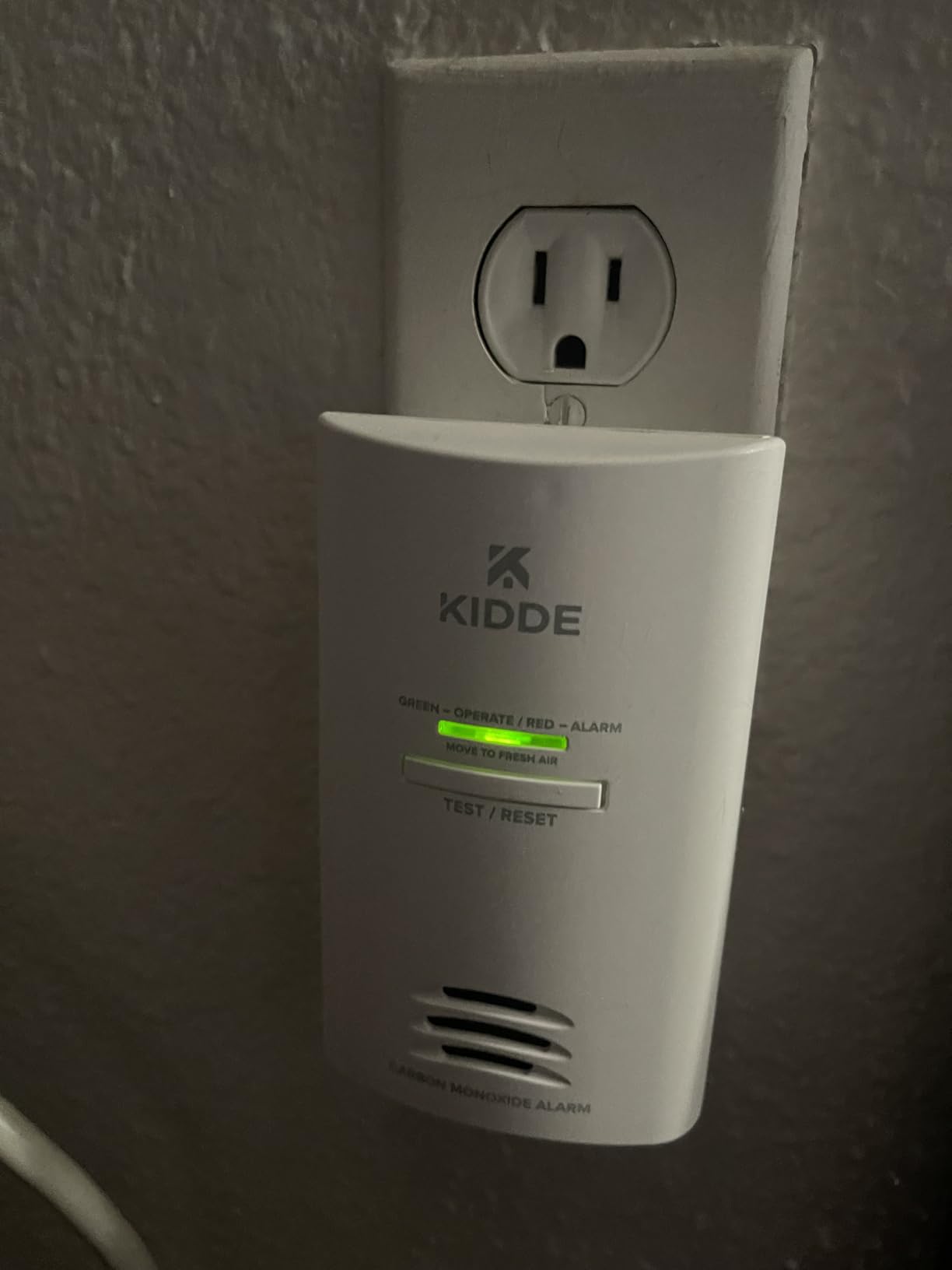
The plainest way to cover a basement is also the least dramatic one, and that is what this unit does. It plugs into a standard 120V receptacle, carries two AA batteries as backup power, and sounds an 85-decibel horn when its electrochemical sensor detects carbon monoxide. There is no pairing step, no app and no wiring to run, which is why it is the alarm we recommend first for a mechanical room or a storage basement.
Owners consistently describe the same thing after years of use. Reviewers praise the plug-and-play setup and the loud alarm, and several report the same unit running a full decade before the end-of-life signal. Multiple reviews describe the alarm actually alerting them to a real leak from a gas appliance, which is the outcome that matters.
The physical design deserves attention in a basement specifically. The unit measures 1.5 inch deep by 2.75 inch wide by 4.05 inch tall and weighs 18 g, so it does not block the second socket on a wall receptacle the way a bulkier alarm can. Operating humidity is rated from 10% to 95% relative humidity non-condensing, which covers the range most finished basements see. The manufacturer warranty runs 10 years, the model number is KN-COB-DP2, and two AA batteries plus a manual ship in the box.
Peak Level Memory is the feature most overlooked. When the unit detects CO or when you press the test button, it records that event, so you can walk into the basement months later and confirm whether anything was ever picked up. What you give up is any numeric readout. There is a single LED status light, no ppm display, and the low-battery chirp is similar to a smoke alarm chirp, so first-time owners sometimes mistake one for the other.
Where this unit fits best in a basement
This is the pick for a finished mechanical room, a utility closet and a rental unit where you want the lowest-effort possible protection. Plug it into an outlet on a wall outside the mechanical room, not inside it, and you have coverage without drilling or running cable. It is also the sensible second and third unit for a home that already has one alarm downstairs, because the price of over-coverage is a single outlet.
For a basement with a sleeping area below grade, pair it with one of the digital units below rather than relying on a single indicator-light alarm. You cannot tell a healthy 0 ppm reading from a low-level drift on a unit with no screen, and that is exactly the information you want when a furnace is ten years old.
Where this unit falls short
The obvious gap is feedback. If you want to confirm that the sensor is alive and reading a number rather than a green light, this is the wrong tool. There is also no app-based alerting, so a Basement alarm still depends on someone hearing an 85 dB horn through the stairwell.
For most basements that is an acceptable trade, and the review volume behind this model, 35782 ratings, makes it the safest default in the group. If your furnace room has no convenient outlet or you need upstairs notification, jump to picks 2, 5 or 8 instead.
2. Kidde KN-COPP-3 Digital Plug-In CO Alarm – Best for a Furnace Room
Kidde Carbon Monoxide Detector, Plug-In with 9V Battery Backup, Digital Display, 85 dB Alarm, LED Status Light Indicators, 3rd Edition
Digital LED CO display
Plug-in with 9V backup
Removable power cord
10-year warranty
Pros
- Digital display shows the CO level sensed
- Removable power cord allows wall mounting away from the outlet
- 9V battery backup for outages
- Peak Level Memory recalls the highest reading
Cons
- Larger body than most plug-in rivals
- Does not alarm below roughly 35 ppm
- 9V backup needs periodic manual replacement
- A few buyers report units failing with a hot plug and flat backup
The reason to spend a little more here is the screen. This model displays the carbon monoxide level it is sensing continuously, so you can confirm the detector is alive and see whether a reading is creeping up. Owners treat that as proof of function rather than a luxury, and several describe it catching a slow leak from an aging gas boiler before the alarm threshold was ever crossed.
The other feature that matters in a basement is the removable power cord. A plug-in alarm has an awkward constraint: the detection point is the receptacle. This unit lets you wall-mount the body a few feet away from the outlet on its cord, which is how you keep it out of the draft from a furnace door without giving up the power connection.
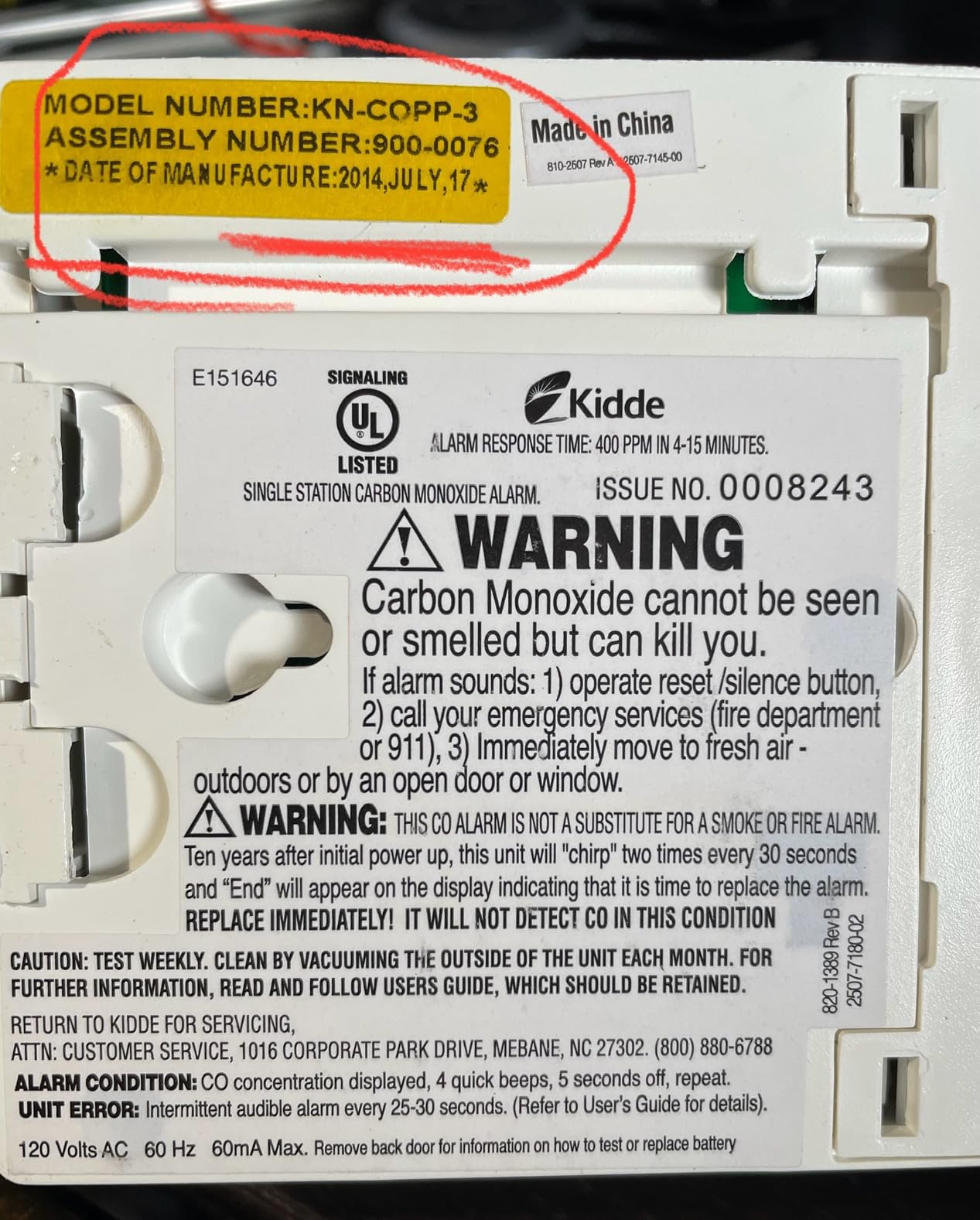
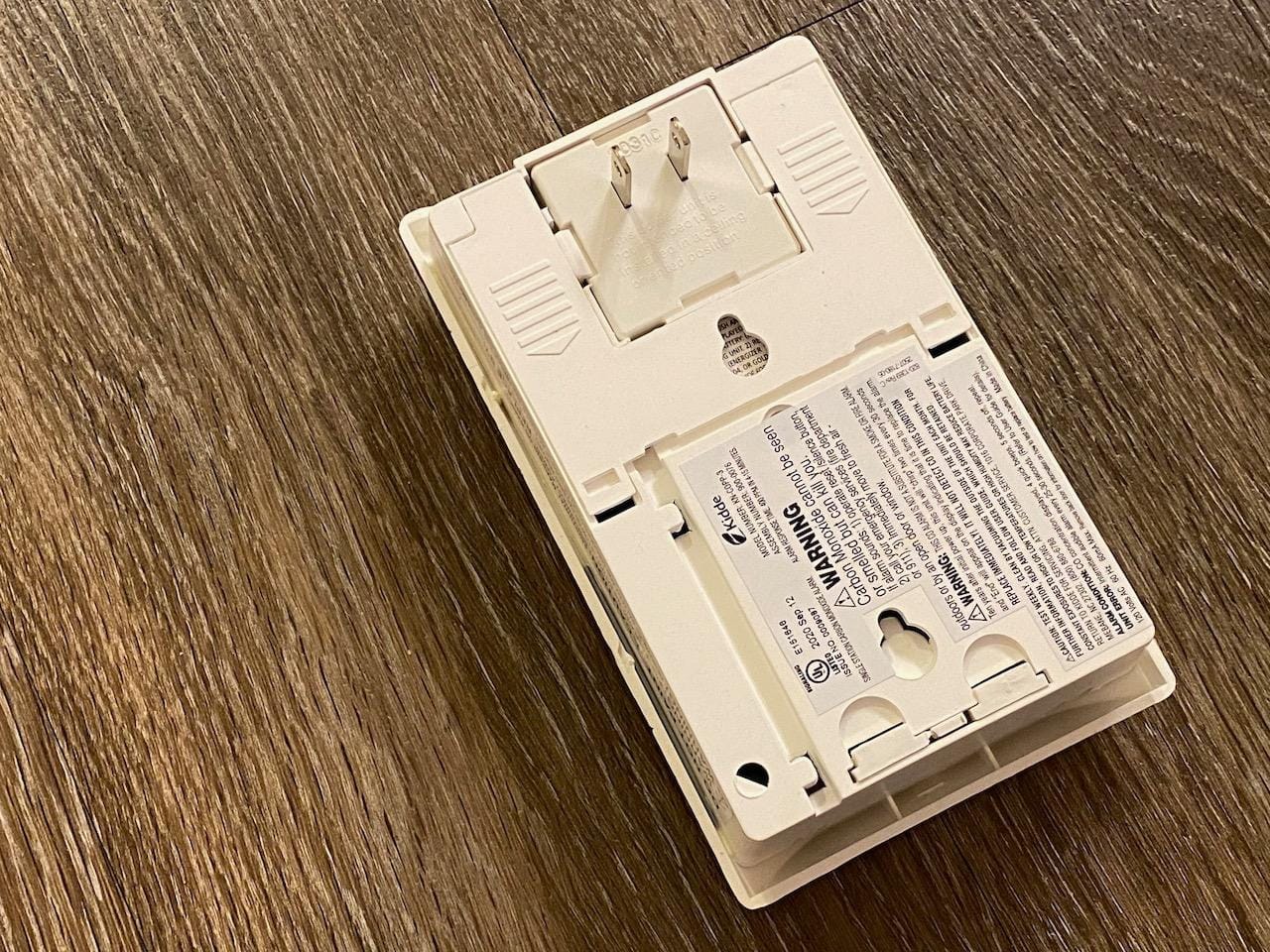
Specification-wise it is a solid piece of hardware. The body measures 1.75 inch deep by 3.75 inch wide by 6.06 inch tall, the enclosure is ABS, and operating humidity runs from 5% to 95% relative humidity non-condensing. The alarm is rated at 85 dB, the model number is KN-COPP-3, and a 9V battery, mounting hardware and a manual are included. The limited warranty is 10 years.
Know what the display does not do. The horn does not sound below roughly 35 ppm, so lower concentrations appear on the screen as a number without triggering the alarm. That is a feature rather than a flaw in a furnace room, because it is exactly the early-warning range you want to watch. The 9V backup also needs manual replacement, which is the one recurring chore in an otherwise hands-off design.
What to look at before buying this one
Check the mounting distance from your furnace. A detector sitting right beside a furnace or water heater can pick up startup transients and nuisance-alarm you. The fix is usually straightforward: move the unit 5 feet away from the appliance, or use the cord to put the body on the far side of the room while keeping it on mains power.
Also decide whether you want the reading to be visible from the doorway. Owners like being able to glance at the display from the furnace room entrance, which means mounting it at about shoulder height rather than down near the floor where CO settles first.
What could disappoint you
This is the largest plug-in body in the group, and on a two-socket receptacle it can block the second outlet. The alarm does not sound below roughly 35 ppm, so if you want a horn at the low end you need a different standard. A small number of buyers report units failing when the plug and the backup battery were both compromised at the same time.
None of that changes our read for a furnace room. This is the most informative alarm in the roundup for a space where combustion equipment is the whole point, and the 27259 ratings behind it make it a low-risk purchase.
3. First Alert CO605 Plug-In CO Detector – Budget Pick
FIRST ALERT CO605 Plug-in Carbon Monoxide Detector with Battery Backup, White
Electrochemical sensor
Plug-in with battery backup
85 dB alarm
7-year warranty
End-of-life chirp
Pros
- No wiring or mounting required
- Battery backup maintains monitoring through a power failure
- Single test and silence button
- Low-battery mute lasts up to 8 hours
- End-of-life chirp signals replacement time
Cons
- No digital display of CO concentration
- Shorter 7-year service life than 10-year models
- CO only with no smoke or gas sensing
This is the unit we recommend when the goal is coverage in several places rather than a detailed readout in one. It plugs into a standard outlet, keeps working on battery backup through a power failure, and uses an electrochemical sensor that detects carbon monoxide regardless of where in the room the unit sits. The alarm sounds at 85 dB, and one button handles both test and silence.
Two small conveniences stand out in owner feedback. The low-battery signal can be muted for up to 8 hours, which prevents a 3 a.m. chirp without silencing the unit permanently, and the end-of-life chirp tells you when the sensor itself has aged out instead of leaving you to guess. Buyers describe installation as effectively instant, with no wiring and no mounting hardware.
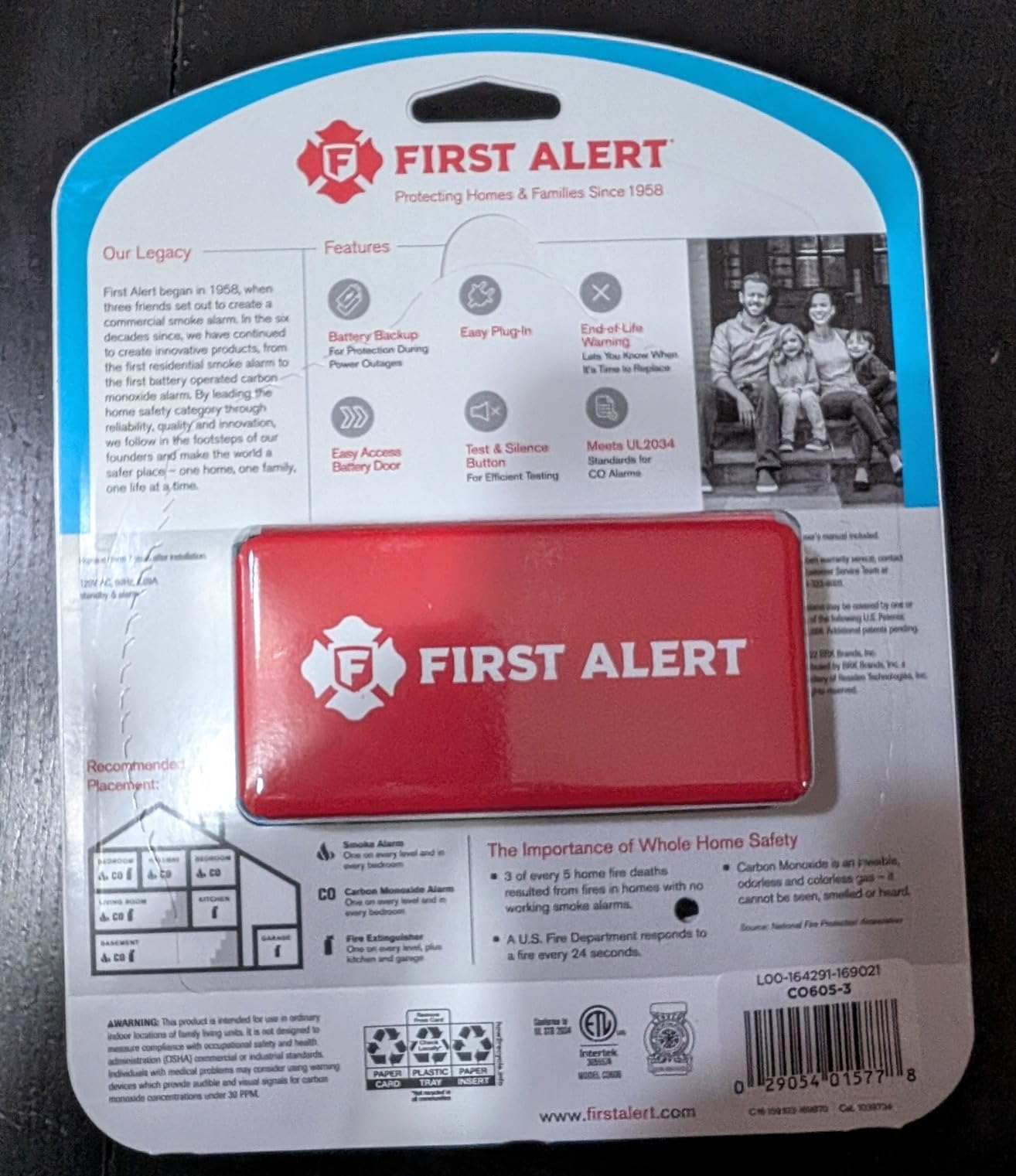
Physical specs are unremarkable in the best way. The unit measures 1.38 inch deep by 5 inch wide by 3.4 inch tall, weighs 4.2 ounces, and is a plastic enclosure. Operating humidity is rated 10% to 95% relative humidity, the upper temperature rating is 105 degrees F, and the model number is CO606. The alarm and a battery ship in the box.
The 7-year limited warranty is the main compromise. A 10-year unit covers roughly a third more of the life of the sensor, and you have to replace this one on a schedule. For a basement you plan to own long term, that difference compounds, which is why our budget pick is a budget pick and not the default.
Where this unit makes sense
Buy this to cover the basement, the garage and a hallway with three identical units. That pattern shows up constantly in homeowner discussions, where people run multiple alarms and accept manual coordination rather than chasing interconnected or connected models. It also suits a basement bedroom that needs its own alarm away from the furnace room.
It is a good rental-unit choice too, because the end-of-life chirp removes the guesswork about when a previous tenant handed the alarm over still working or already dead.
Where it leaves you short
No display means you can never confirm a numeric reading, which is the main thing people miss once they have used a digital unit. The 7-year cycle also means more unit replacements over a decade than picks 1, 2 or 5. And it senses carbon monoxide only, so a mechanical room with a gas line still needs separate coverage for explosive gas, which pick 8 provides.
With 23251 ratings averaging 4.6, this is one of the most proven residential CO alarms available. Treat it as reliable baseline coverage rather than a diagnostic instrument.
4. First Alert CO615 Digital Plug-In Alarm – Best for Peak-Level Memory
First Alert Plug in Carbon Monoxide Alarm with Digital Display
Digital CO display
Peak level memory
Plug-in with 2-AA backup
85 dB alarm
7-year warranty
Pros
- Digital display shows current CO level
- Peak level records the highest reading measured
- Dual power with 2-AA battery backup
- 85 dB alarm with end-of-life chirp
- UL tested to meet home safety standards
Cons
- 7-year service life
- No temperature readout on the display
- AA backup batteries need periodic replacement
The upgrade path from an indicator-light alarm is a screen, and this is the cheapest way to get one from First Alert. It shows the CO level currently sensed and adds a peak level feature that displays the highest concentration the unit has measured since it was installed. In a basement, that peak reading is the record you actually want after a winter of furnace cycling.
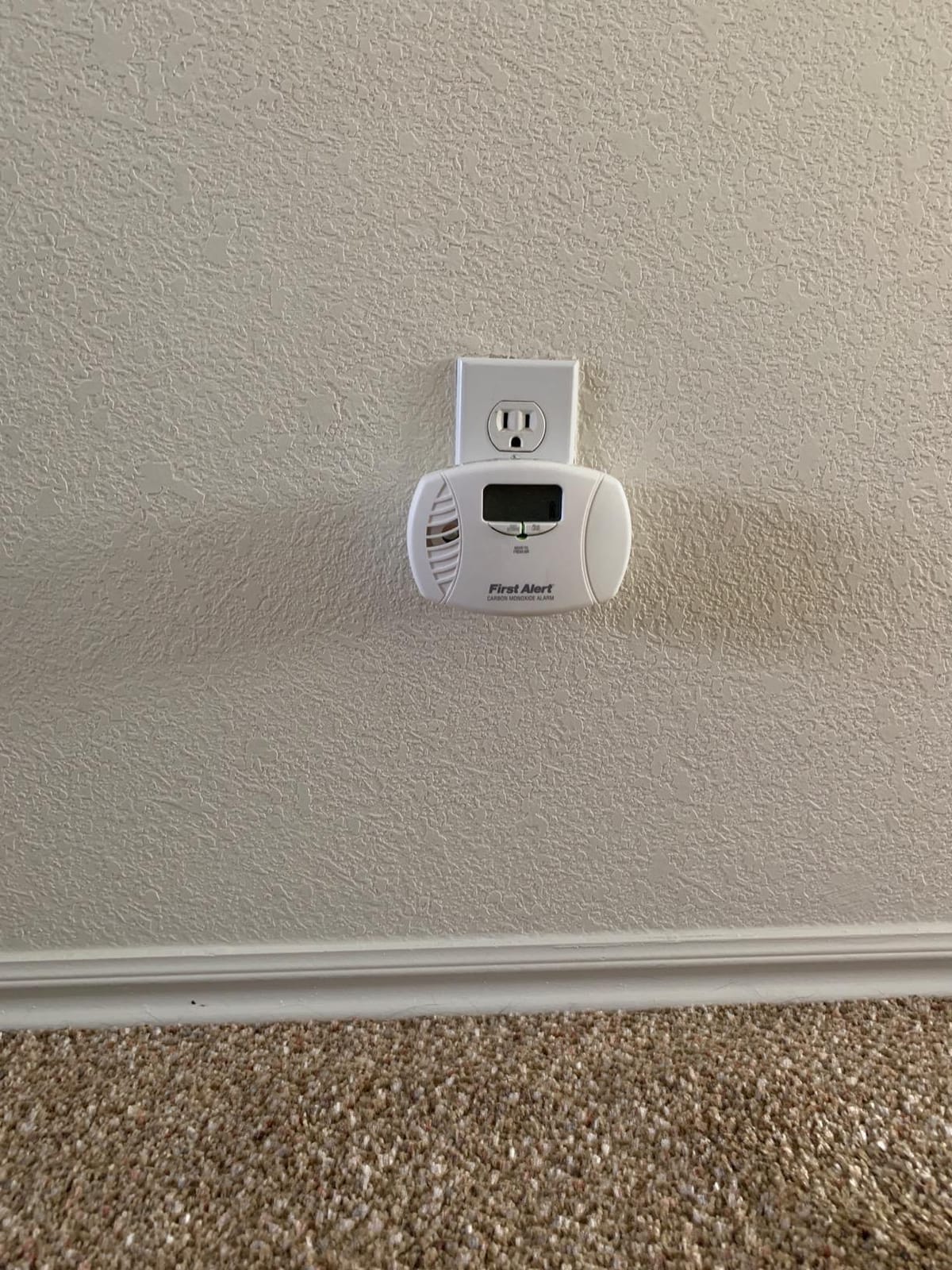
Power is dual: the alarm runs on plug-in AC and falls back to two AA batteries during an outage. Setup is plug-and-play into any standard outlet, the horn sounds at 85 dB, and an end-of-life chirp signals when the sensor has aged out. Reviewers point to the readout and the peak memory as the deciding factors over indicator-only models.
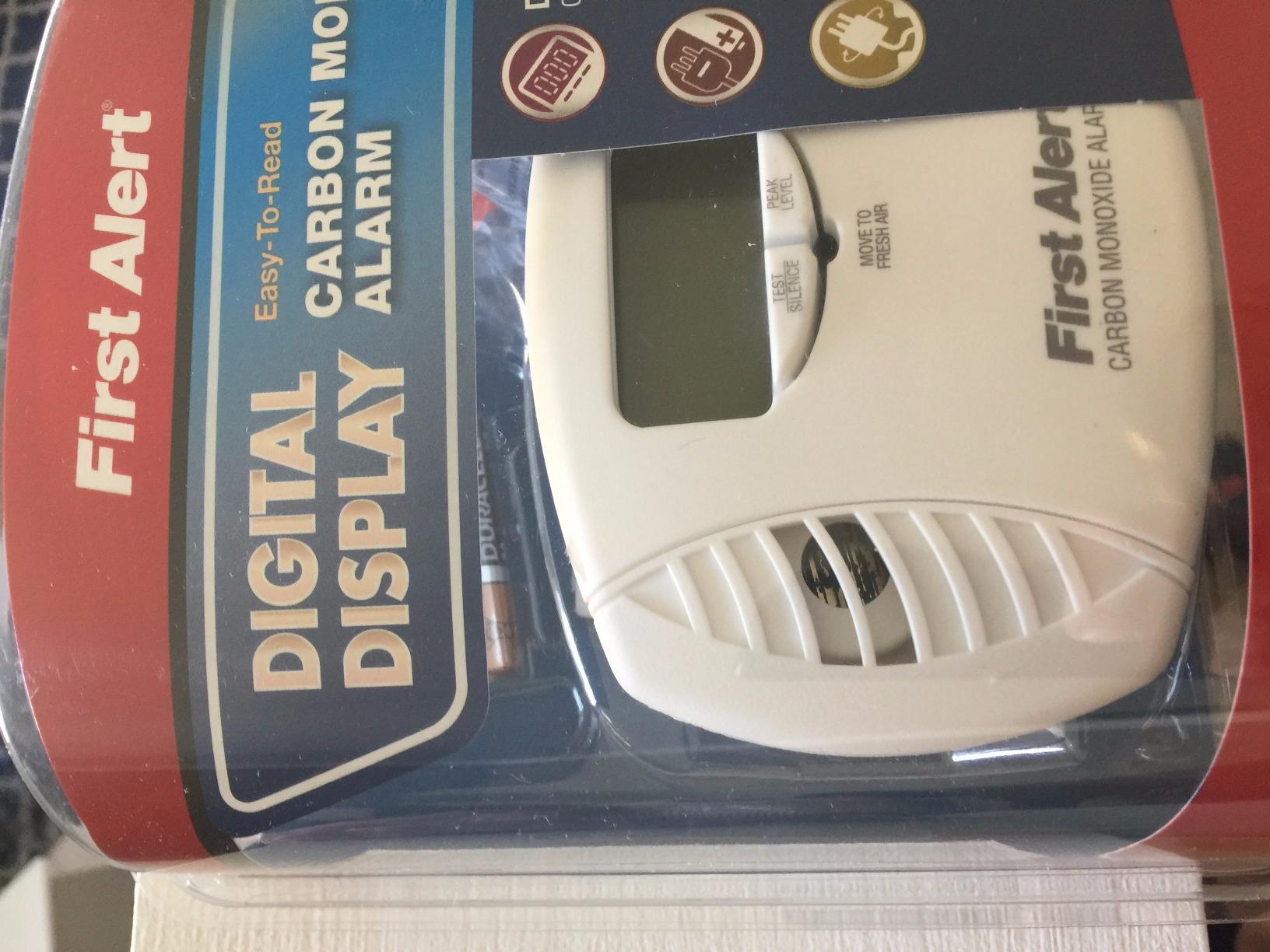
It is not a small unit. The body measures 1.7 inch deep by 5 inch wide by 3.4 inch tall and weighs 10.4 ounces, the heaviest item in this roundup, so plan the outlet accordingly. Operating humidity is rated 10% to 95% relative humidity, the model number is CO615, and two AA batteries plus a manual are included. The warranty is 7 years limited.
There is no temperature readout on the display, which separates it from pick 5. First Alert’s own guidance for this model is to place one on each level of the home and in each bedroom, which is a reasonable template for a two-story house with a basement.
What to check before buying
Decide whether the peak reading matters enough to justify a 7-year cycle instead of a 10-year one. If your basement has an older furnace and you plan to track readings across seasons, the peak memory is the reason to choose this. If you simply want to know whether the alarm is alive, the digital display alone already does that job.
Weight and depth are worth a glance if you are mounting on a low basement outlet near a finished wall. At 10.4 ounces it feels substantial in the hand and pulls slightly out of a loose receptacle.
What could disappoint you
The 7-year warranty and service life is the main gap against the 10-year units in this roundup. Two AA batteries need periodic replacement, which adds a small recurring task. And because it is a plug-in unit, the detection point is fixed to the outlet unless you accept a power-safety compromise we do not recommend.
At 8825 ratings and a 4.6 average, the feedback is consistent and favorable. This is our pick when you want numbers on a wall in a basement utility room without stepping up to a unit with a temperature display.
5. First Alert CO710 10-Year Battery CO Alarm – Best for No-Outlet Installs
First Alert 10-Year Battery Carbon Monoxide Alarm with Digital Display
Sealed 10-year lithium battery
Backlit CO and temperature display
Peak Level memory
85 dB alarm
Pros
- Sealed 10-year lithium battery with no changes required
- No outlet needed so it mounts anywhere
- Backlit display shows temperature and CO level
- Peak Level memory stores the highest reading
- Compact 6.4 ounce body mounts on a shelf or wall
Cons
- No AC plug-in option
- Display does not show a continuous zero baseline
- One buyer reported shorter than advertised battery life
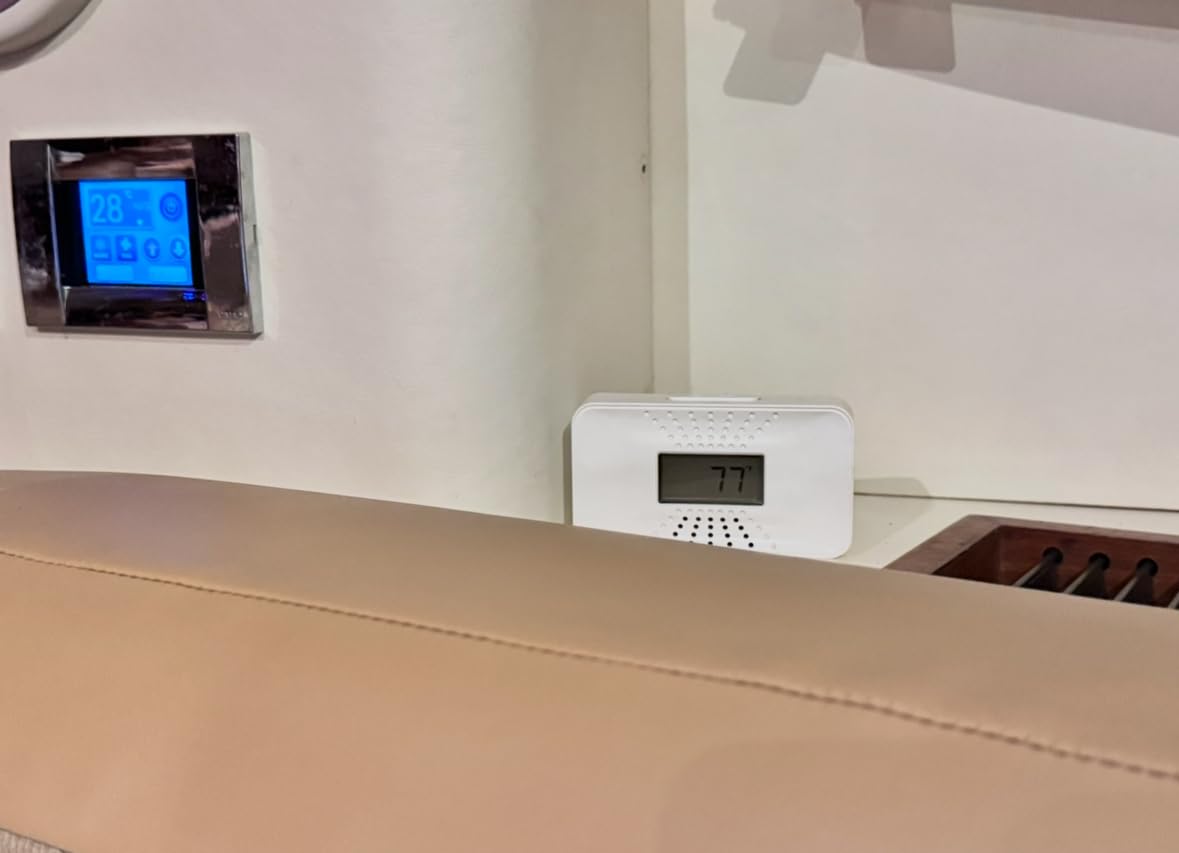
Basements are full of places with no convenient receptacle: the top of a finished stair landing, an exterior foundation wall, a storage alcove near a water heater. This model is battery powered, so placement is limited only by how you mount it. The built-in lithium cell is sealed for 10 years, which removes both the battery-change task and the risk of a dead alarm discovered in the morning after an outage.
The backlit digital display shows both temperature and the carbon monoxide level currently sensed, and the peak level feature recalls the highest reading measured. Temperature in a basement is genuinely useful diagnostic information: an unusually cold reading often shows up in the same period as a failing or short-cycling furnace. Long-term reviewers report the original sealed battery still performing years after purchase.

Spec sheet details: the unit measures 0.9 inch deep by 4.8 inch wide by 2.6 inch tall, weighs 6.4 ounces, and is a plastic enclosure rated for 10% to 95% relative humidity. The alarm sounds at 85 dB, an end-of-life chirp marks the end of the sensor life, and the limited warranty is 10 years. The model number is CO710. The manufacturer is First Alert / BRK Brands, Inc.
The complaint that comes up most is the missing zero baseline. The display shows a reading when CO is present but does not hold a visible 0, so you cannot glance at it to confirm the sensor is live the way you can with the plug-in digital models. One buyer also reported battery life falling well short of the stated 10 years, which is the single biggest risk of any sealed-battery design.
When to pick this over a plug-in alarm
Choose it when the correct location has no outlet. Code guidance generally points to having alarms outside sleeping areas and on each level, and a finished basement bedroom often sits far from any receptacle. A sealed 10-year unit is also the right call for a rental or a storage space you do not want to run a cord to.
It is a good second unit for a home already covered by a plug-in alarm downstairs, because a battery alarm on an upper floor keeps working when a basement power failure kills your mains-powered units until someone recharges or replaces backup cells.
When to skip it
Skip it if you want a live reading you can confirm at a glance, because the absent zero baseline makes self-verification indirect. Press the test button and watch the response rather than assuming. It is also the wrong choice in a spot where a sealed battery failure would go unnoticed for months.
With 4103 ratings at 4.6 the unit is well proven, though it sits below the midpoint of this roundup’s review volume, so we rank it fifth. The maintenance-free battery is still the reason it earns a place for finished basements.
6. Siterlink Plug-In CO Detector – Best for Compact and Travel Use
Siterlink Carbon Monoxide Detectors Plug in,10 Year Replaceable Battery
AC plug-in with 10-year backup
Foldable plug design
Sleep-friendly status light
Electrochemical sensor
Pros
- AC plug-in with 10-year battery backup
- Foldable plug folds flat for travel
- New-generation electrochemical sensor tuned to cut false alarms
- Soft breathing green status light suits sleeping rooms
- No complicated setup
Cons
- No digital display or peak level readout
- Small review base and limited long-term record
- Backup battery is described as replaceable rather than sealed
The reason to consider this one is the foldable plug. The unit folds down small enough to pack in luggage, so the same alarm that sits in a basement outlet on weekdays can travel with you. It runs on plug-in AC with a 10-year replaceable battery backup, so it keeps monitoring through an outage even when the wall power is gone.
The status light is designed for a sleeping space. Instead of a hard LED, it uses a soft breathing-style green glow that is not disruptive in a basement bedroom or a hall outside a room where someone sleeps. The sensor is a newer-generation electrochemical cell engineered to improve responsiveness and reduce false alarms, which is exactly the complaint basement owners have with older indicator-light units.
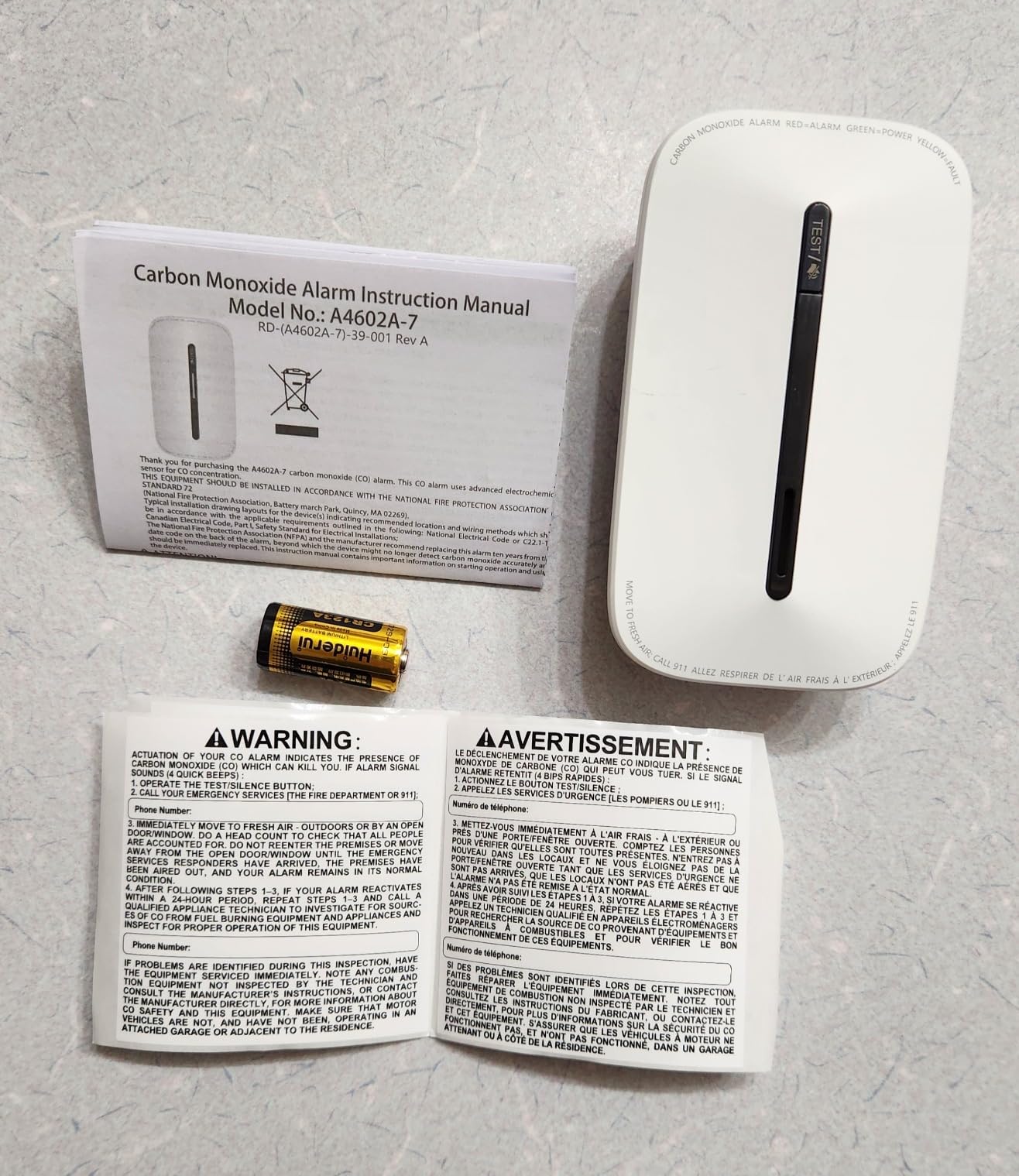
It is a compact ABS unit with a simple setup: unfold the plug and push it into any standard outlet. The model number is A4602A-7, and the listing positions it as both a home alarm and a portable CO detector for travel and hotels. That dual positioning is what separates it from the seven other units here, all of which are fixed installations.
The limitations are straightforward. There is no digital display and no peak level memory, so this is coverage rather than measurement. The 322 ratings behind it are a much smaller base than the established brands, which means less long-term evidence. And the 10-year backup is described as replaceable rather than a sealed cell, so plan on a swap near the end of that period.
What this unit is good for
It suits a finished basement bedroom where an outlet is at hand and light discipline matters, and it makes sense as a secondary unit in a workshop or a rental where you want a spare alarm that also travels. The soft status light is a real differentiator in any space where someone is trying to sleep on the other side of a wall.
It is also a sensible companion for anyone who rents in winter. The foldable form factor means the alarm never sits unplugged in a drawer where it cannot sound.
What to watch out for
With 322 ratings, the long-term record is thin compared with the Kidde and First Alert units in this roundup, and that matters for a life-safety device you intend to trust for a decade. There is no readout, so a nuisance alarm cannot be diagnosed from a number, and a replaceable backup cell is one more thing on the maintenance list.
If you want this compact approach with stronger documentation behind it, pick 1 offers a similar plug-in form with a far larger review history. We keep this one on the list for the travel design and the light, not as a whole-home recommendation.
7. Heiman C1-S UL 2034 CO Detector – Best for Rentals and Multi-Family
Heiman Carbon Monoxide Detectors, 10-Year Product Life CO Detector, C1-S
UL 2034 5th Edition listed
CSFM approved
Figaro electrochemical sensor
Sealed long-life battery
Pros
- UL 2034 5th Edition certified and CSFM approved
- Japan-made Figaro electrochemical sensor
- Sealed long-life lithium battery
- 70 mm body mounts on a wall or ceiling
- 85 dB audio plus LED visual alarm
- No outlet required
Cons
- No digital display of CO level
- Small and largely untested review base
- Conflicting 10-year versus 7-year warranty terms
- One buyer reported a failure to respond to a heavy CO exposure test
This is the unit to look at when code compliance is the deciding factor. It is certified to UL 2034 5th Edition and CSFM approved, which is the documentation a landlord, a property manager or a local authority having jurisdiction will ask for. Verification of that listing matters more than any feature on this list, because an unlisted alarm is not a safety device in the eyes of most codes.
The sensing element is a Japan-made Figaro electrochemical cell, specified to track low-level CO threats faster than standard alarms. The unit is battery powered with a sealed long-life lithium cell, so it needs no hardwiring and no outlet, and the 85 dB horn is backed by an LED visual alarm and a one-touch test and silence button. The housing is UL94 V-0 rated flame-retardant ABS and PC, which is a sensible material choice near a furnace.
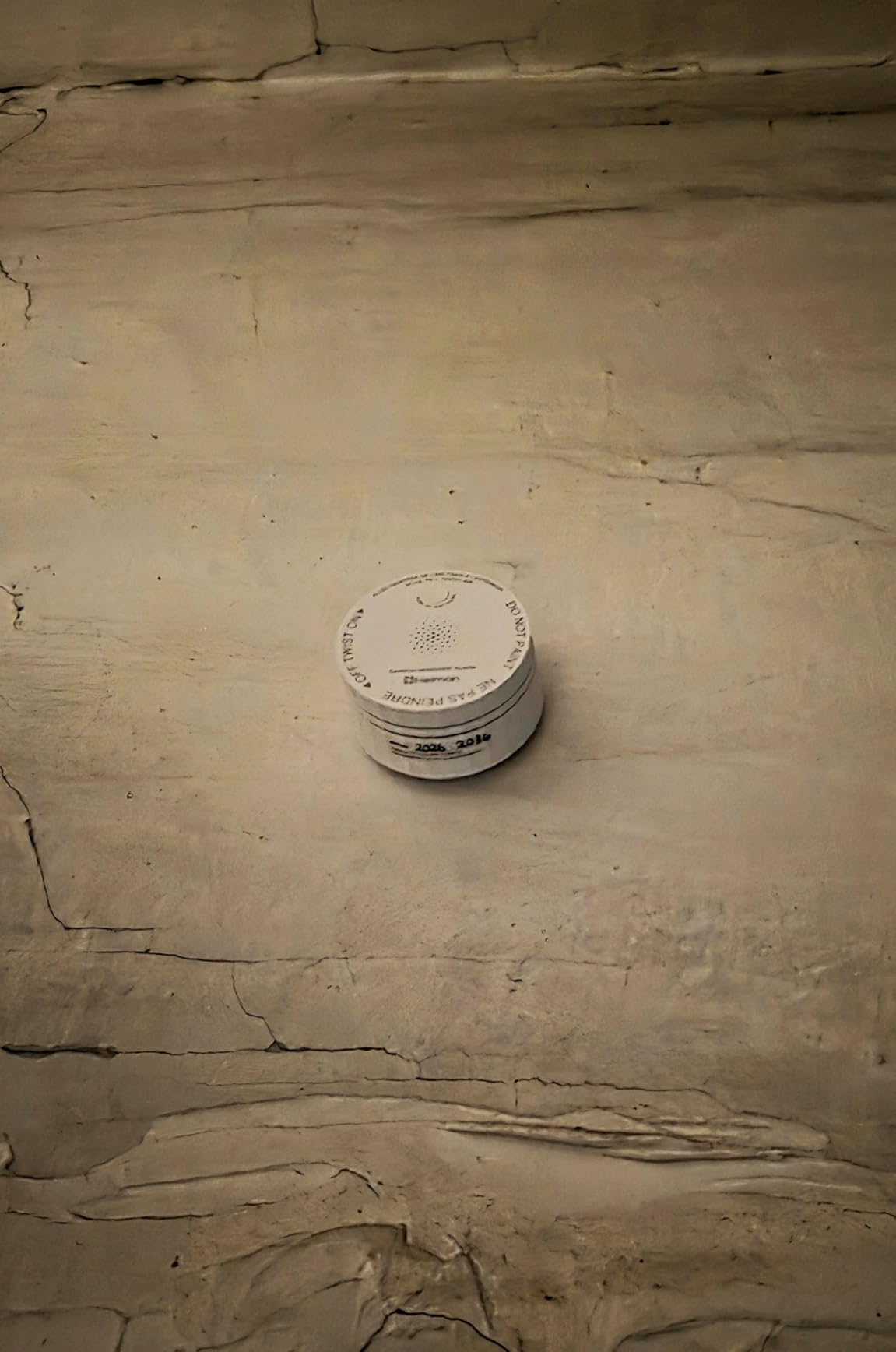
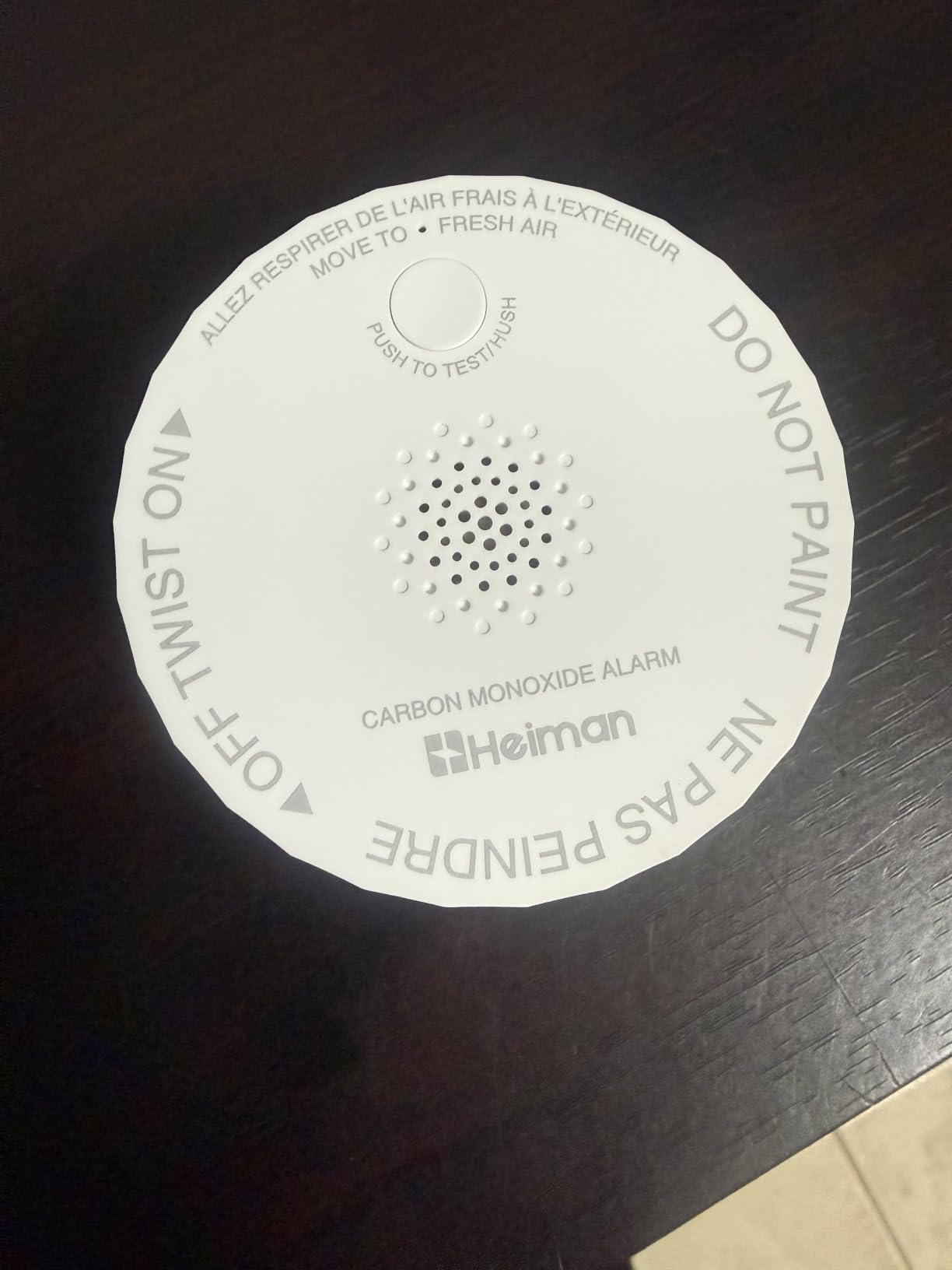
The footprint is the smallest here: approximately 70 mm in diameter, 2.75 inch by 1.45 inch by 2.75 inch, weighing 3.52 ounces. It mounts on a wall or ceiling with included hardware, or sits on a table. Operating humidity is rated 5% to 95% relative humidity, and the model is the Heiman C1-S, part number HM-C1-S. The listed application set explicitly includes basements, utility rooms, garages, offices and rental apartments.
Be aware of the documentation gap. The features describe a 10-year product life while the specifications list a 7-year warranty with free replacement for non-human-induced damage, and you should confirm which applies before you rely on it for a replacement schedule. There is also no digital display, so no ppm confirmation, and one buyer reported the unit not responding to a heavy CO exposure test.
When this is the right pick
Choose it for a rental property, a basement apartment or a mechanical room where you can point at a listing standard and a separate approval. The Figaro sensor and the UL 2034 5th Edition certification are the reasons it exists on this list, and neither is something a buyer should have to take on trust.
It is also a good fit where no wiring is permitted or wanted. Sealed battery power means an installer can mount it on a ceiling in an unfinished basement and walk away, which keeps installation cost down for a landlord covering several units.
What gives us pause
The 4.4 rating across 112 reviews is the lowest in this roundup, and the review base is far smaller than the established brands. Ratings on a life-safety product are not the only criterion, but a thin record means fewer documented long-term failures and fewer people publicly confirming a decade of service.
Combined with the conflicting warranty terms and the single report of a failed exposure test, that is why this sits at seven rather than higher. If your priority is a proven service record over a specific listing, picks 1 and 3 have thousands of ratings behind them.
8. Kidde CO and Explosive Gas Combination Alarm – Best for a Mechanical Room
Kidde Carbon Monoxide + Explosive Gas, Natural Gas & Propane Alarm, Plug-in with 9V Battery Backup, Digital Display, 85 dB Alarm, LED Status Indicators, 3rd Edition
CO and explosive gas sensing
Digital display with GAS alert
9V battery backup
85 dB alarm
Pros
- One alarm covers carbon monoxide and explosive natural gas or propane
- Digital display shows the CO level or states GAS
- 9V battery backup for power outages
- Peak Level Memory records the last event
- 85 dB horn for both hazard types
Cons
- Single point of failure for two hazard types
- Display gives a GAS alert rather than a numeric gas concentration
- Bulky plug-in form factor
- Weakest rating spread in the group with reported failures
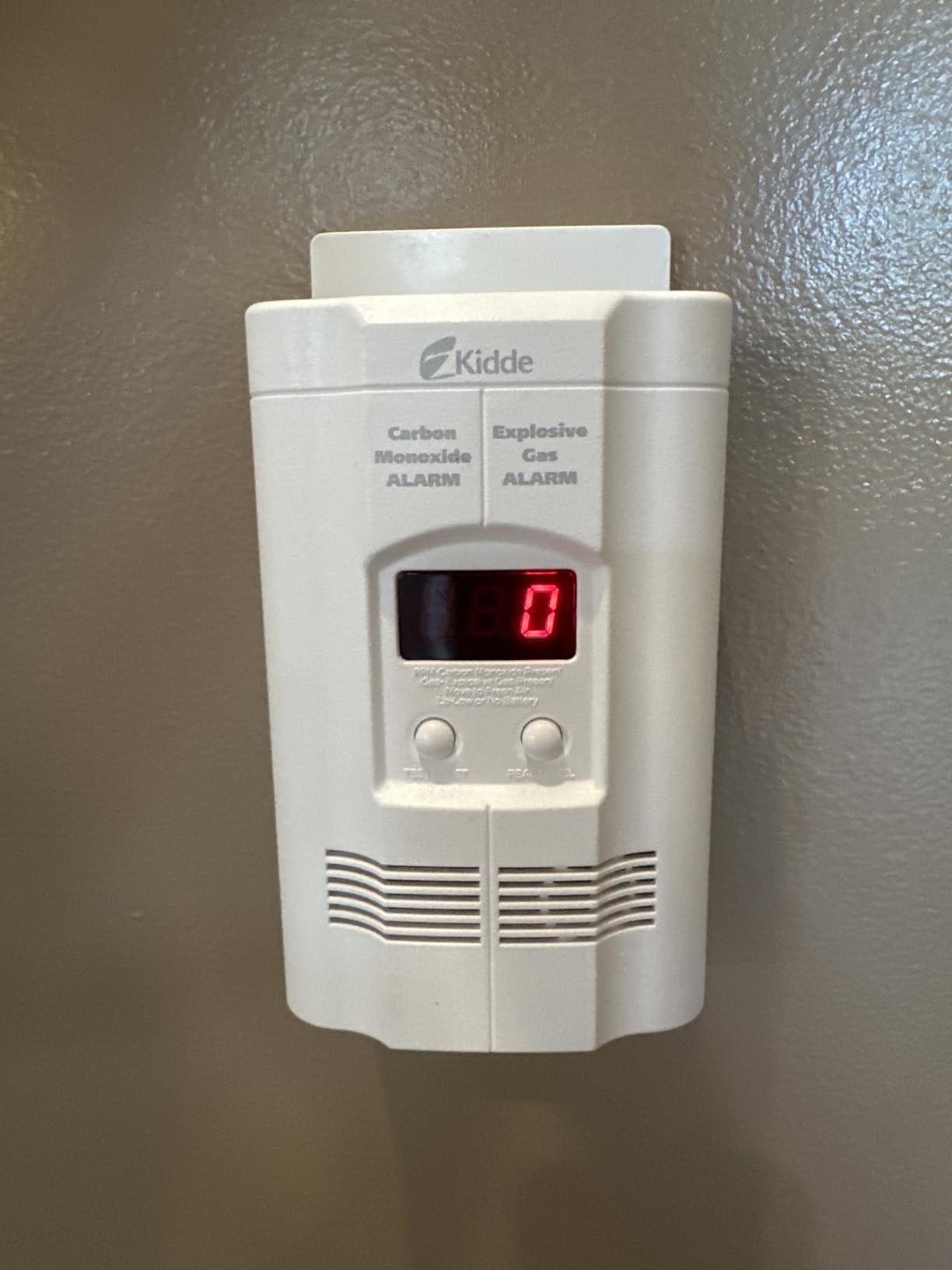
A basement mechanical room with a gas line has two hazards, not one. This unit covers both: carbon monoxide and explosive natural gas or propane. The digital LED display shows the CO level it is sensing, or states GAS when an explosive gas condition is present, so you get one screen that tells you which hazard triggered the alarm. Peak Level Memory records the last detection or the last test.
Power is plug-in AC with a 9V battery backup, the horn sounds at 85 dB for both hazard types, and installation is the same unfold-and-plug routine as any other outlet alarm. For a mechanical room that is the efficient choice, because you are not hunting for a second wall location for a separate combustible-gas detector.
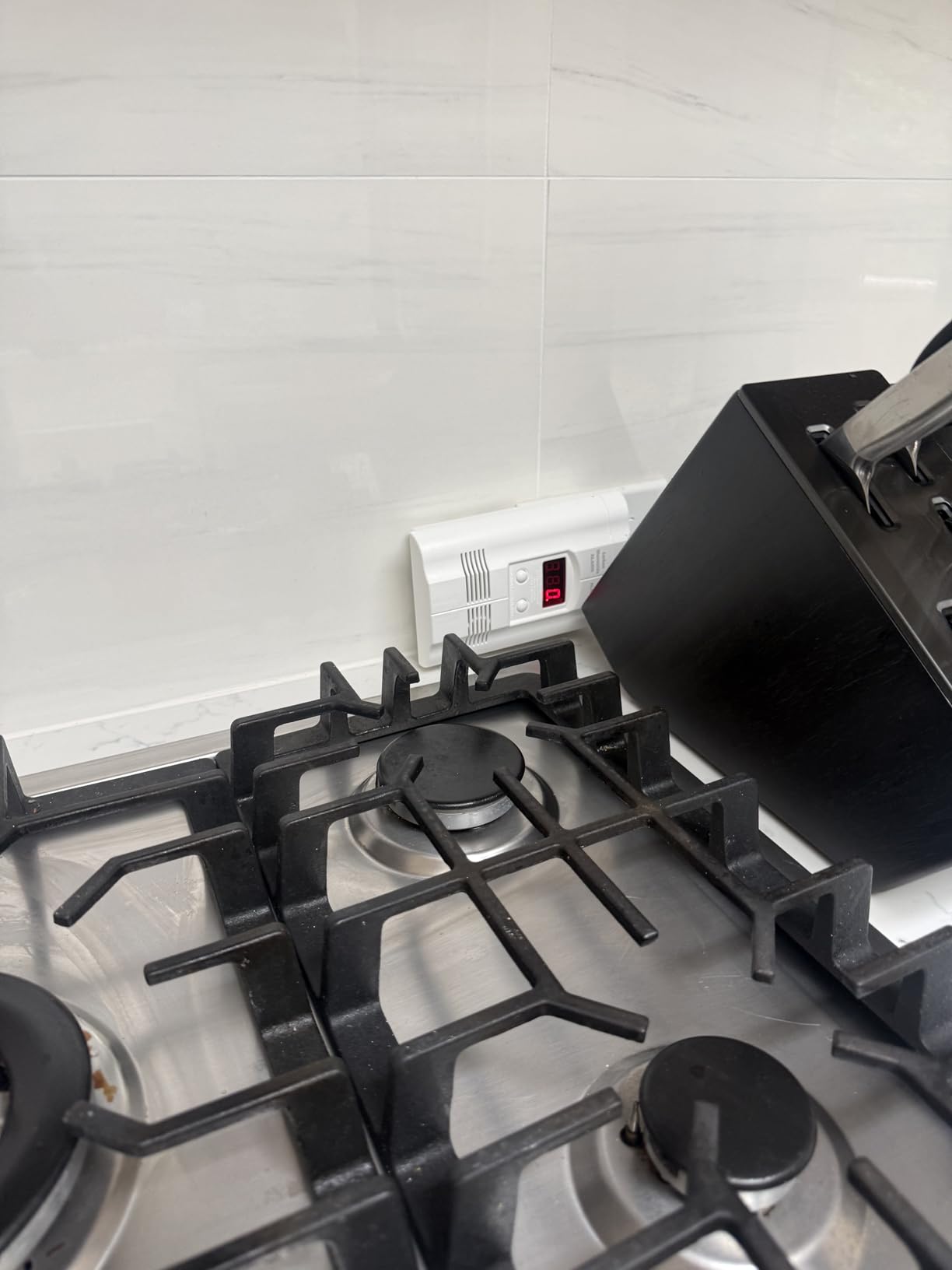
The unit is bulky for a plug-in alarm, measuring 2.48 inch deep by 3.82 inch wide by 6.1 inch tall, and the model number is KN-COEG-3. Operating humidity is rated 5% to 95% relative humidity non-condensing, and a 9V backup battery is included. This is the only combination CO and gas alarm in the roundup, and the manufacturer positions it for exactly the appliance-dense mechanical rooms basements tend to have.
The tradeoffs are real. Combining two sensors makes the unit a single point of failure for two separate hazards, so a failed unit removes both. The display tells you GAS without quantifying a concentration, so you cannot see how close to a threshold you are. And the 738 ratings averaging 4.5 come with the widest spread in the group, including 7 percent one-star reviews and a few reported unit failures.
Why the combination logic works in a mechanical room
A gas-fired furnace and a gas water heater in the same room give you the two failure modes a basement can produce: incomplete combustion making CO, and a gas leak building toward an explosive concentration. One alarm covers both and tells you which one it is, which matters when you are deciding whether to call the gas utility or the fire department.
It is also the only pick here that makes sense in a basement workshop where a propane cylinder is stored, since explosive gas sensing is otherwise absent from the rest of the list.
What to weigh against it
Buy two separate units instead if you want independent coverage of both hazards, because a combination alarm fails as one. The numeric gas reading is missing, so you will not see a rising trend before the GAS alert. The bulk matters too, and the review spread is the weakest here, so verify the unit with a test button press after installation and once a month.
For a mechanical room with a gas line, we still recommend this one, and for most other basements we do not, because dedicated CO-only units have much larger review histories. The rating spread is the reason this sits at eight despite being the most specialized pick on the list.
Why Basements Are Higher-Risk Than the Rest of the House
Carbon monoxide is a product of incomplete combustion, which means it comes from fuel-burning equipment, and fuel-burning equipment is concentrated below grade in most American houses. A furnace, a boiler and a water heater in a mechanical room produce more potential CO in one square foot than the entire rest of the home combined. That is why fire service organizations recommend a carbon monoxide alarm on every level, including the basement, rather than only near bedrooms.
Basements also change the physics. Carbon monoxide is slightly lighter than air, so it mixes readily and drifts, but it collects in the low spaces and alcoves created by finished walls, duct runs and dropped ceilings. It also migrates through stairwells, through door openings under pressure from a depressurized house, and from an attached garage. A fault in a basement furnace can therefore produce a reading on an upper floor with no fault upstairs at all.
The basement is often unoccupied, which is the quiet risk. Nobody is there to notice a smellless gas, notice a headache, or notice that the furnace is short-cycling. A detector does what an absent person cannot. If your basement holds a fuel-burning appliance and you have never installed an alarm down there, that is the gap to close first.
Owners on home improvement forums describe the practical pattern clearly: several alarms, one in the basement, one in the garage, one in a hallway, coordinated manually. Nobody is running an integrated monitoring system, they are just covering the rooms. Other owners report calling their HVAC company first to rule out a real problem before touching the detector, which is a reasonable instinct.
Basement humidity is a separate subject and it causes its own headaches, covered further down. If the basement is also prone to damp, our basement sump pump guide covers the water side of that problem, which is worth reading alongside this one because persistent moisture affects where you can safely mount electronics.
Where to Place a CO Detector in a Basement
Mount the alarm on a wall, at breathing height, outside any room that contains a fuel-burning appliance. In practice that means roughly 5 feet from the floor, on a wall rather than the ceiling, and not tucked inside a closet or behind stored equipment where air cannot reach the sensor. The recommendation is one alarm on each level of the home and one outside every sleeping area, which for a two-story house with a basement means at least three.
Keep the unit away from the appliance itself. A detector mounted directly beside a furnace or water heater can pick up brief CO spikes during startup and nuisance-alarm you, which is the most common reason people conclude their alarm is faulty. Stay at least 5 feet clear of a fuel-burning appliance, and keep it out of a draft from a furnace door, a dryer vent or a stairwell that carries garage exhaust.
Do not put it above or immediately adjacent to a flue, a chimney, or a vent where stray combustion gases could trigger it directly. Avoid humid mechanical spaces where condensation forms on surfaces, and keep the mounting surface clear of any direct water source. Basement relative humidity should be managed; keeping a finished basement below roughly 50% relative humidity in summer is a reasonable target and reduces both nuisance alarms and long-term damage to finishes.
If the basement is used as living space, add a second alarm near the sleeping area rather than relying on the one in the mechanical room. For an unfinished basement with egress windows, mount the main unit where you can reach it for a monthly test without moving stored items. Our basement freezer guide covers another common basement appliance that shares the same airflow and clearance considerations.
Whatever you choose, write down the install date and the model number. Detectors have a service life, most commonly 7 or 10 years, and knowing when yours was made is the difference between replacing a live unit and finding out later that it has been ineffective for two winters.
Basement False Alarms: Causes and Fixes
Carbon monoxide detectors do give false alarms, and in basements the pattern is consistent enough to diagnose. A unit chirping intermittently in a damp basement is far more often humidity, a startup transient or a chemical exposure than an actual leak. That said, never assume a nuisance alarm without confirming it, because a real furnace fault presents the same way.
High relative humidity. Condensation and sustained dampness affect electrochemical sensing cells and can push a unit into alert. Basements that swing past roughly 60% relative humidity are the most common case. Run a dehumidifier, get the space below about 50% in summer, and see whether the chirping stops.
Temperature swings. A cold mechanical room warming quickly in winter stresses the sensor and the battery. Keep the unit within its rated temperature range and away from a supply register or a dryer exhaust blowing directly on it.
Aerosols, solvents and paint fumes. A basement workshop is a common source. Solvents, spray paint, some automotive products and heavy cleaning products can trigger an alarm. Do not store open containers of those products near the detector.
Furnace or water heater startup. A brief CO spike during burner ignition will alert a detector mounted too close. Move the unit at least 5 feet away, or use a model with a removable power cord to move the detection point while keeping mains power.
Garage exhaust migration. A vehicle idling in an attached garage sends exhaust through the stairwell into the basement. Stop idling indoors and confirm the garage-to-house separation is sealed, which is a ventilation fix rather than an alarm fix.
Dust and construction residue. A basement under renovation or after a carpet install can be dirty enough to affect a sensing cell. Clean the vents and the surrounding surface, then retest.
An aging sensor. End-of-life chirps and drift both look like nuisance alarms. Replace the unit rather than muting it, and note the purchase date so the next one is scheduled rather than forgotten.
When an alarm sounds, work through this list only after you have done the safe thing. Get people and pets out, call 911 from outside, and treat the alarm as real until a professional clears it. Nobody has ever regretted evacuating first and investigating second.
A monthly test tells you which category you are in. Press the test button on a unit you believe is false-alarming. If it sounds correctly and clears, the unit is functioning and the cause is environmental. If it fails to sound, the unit itself is the problem. Either way you have an answer, which is more than most people ever get.
How to Choose a CO Detector for a Basement
Start with the listing, then the power, then the feedback. Verify that the alarm is certified to UL 2034, the residential standard for CO alarms, and treat an unverified listing as no listing at all. Only one pick in this roundup has its certification called out in the product data, which tells you how much you have to check for yourself on everything else.
Next, match the power source to the location. Plug-in units with battery backup are the simplest and the most common, and they are right for any spot with a reachable outlet. Sealed 10-year battery units are right for finished walls, ceilings and any place you would rather not run a cord. A replaceable backup battery is a middle ground that costs you a recurring task. Hardwired interconnection exists in the wider market, but it needs a wiring run and a relay module, which is a job for an electrician in most finished basements.
Then decide how much feedback you need. An indicator-light alarm tells you that the unit is powered. A digital display tells you the level currently sensed. Peak level memory tells you the highest reading the unit has ever recorded, which is the most useful of the three in a basement with an aging furnace. A low-level alert below 30 ppm is a different feature again, and it is what catches a slow developing leak before the horn ever sounds.
Consider the notification path next, because this is the basement-specific gap. An 85 dB horn in a mechanical room may not wake anyone on an upper floor. A connected alarm that sends a phone notification solves that, and so does a relay module that drives a sounder or strobe in the hallway. None of the eight units in this roundup ships with app-based alerting, which is worth knowing before you buy, and it is the single most common complaint in basement discussions.
Finally, weigh the service life. A 7-year unit means roughly three replacements across a three-decade ownership period; a 10-year unit means two. Warranty length usually tracks service life, so a 10-year warranty is a reasonable proxy for a sensor expected to last 10 years. Match that to how long you plan to stay and how much attention you want to give a battery you cannot test.
One more practical factor: the number of units. Best practice is one per level plus one outside each sleeping area, and a basement with a finished bedroom needs its own. Two or three units in a house is normal and not overkill, and most of the picks here are priced to make that easy.
What to Do If Your Basement CO Alarm Sounds
In the first sixty seconds, do these things in this order.
Get every person and pet out of the building immediately. Do not open windows, do not look for the source, do not gather belongings.
Once outside and at a safe distance, call 911 or your local emergency number. Give the address and say carbon monoxide alarm.
Call the gas utility or emergency services from outside. Do not re-enter until a responder clears the home.
Once the fire department or utility has cleared the home, ventilate by opening doors and windows, and find the source before resetting anything.
Call your HVAC contractor or plumber to inspect the furnace, boiler or water heater. A furnace that has been short-cycling, a vent that has disconnected, or a water heater with a failed flue is the usual root cause. Most homeowners who go through this end up replacing a faulty vent or a failing heat exchanger, not the alarm.
Replace the detector if it reached end of life, and note the date if the alarm was false. Either way, keep the unit you have until the new one is mounted. Gaps in coverage are how people end up with an unprotected basement for a season.
Frequently Asked Questions
Should I put a carbon monoxide detector in my basement?
Yes, if your basement contains a fuel-burning appliance such as a furnace, boiler or water heater, and even if it does not, an alarm on that level is reasonable protection. Basements concentrate combustion equipment, carbon monoxide can migrate upstairs through stairwells, and nobody is usually there to notice symptoms. Place the unit on a wall at breathing height, at least 5 feet from any fuel-burning appliance, and add a second unit near any finished basement bedroom.
Which carbon monoxide detector is the most accurate?
Accuracy comes down to the electrochemical sensing cell and the certification, not the brand badge. All eight units in this roundup use electrochemical sensors, and only the Heiman C1-S states a UL 2034 5th Edition listing in its product data. For real-world confidence we lean on review volume: the Kidde plug-in unit and the First Alert CO605 carry over 23000 ratings each. A digital display adds verification, since you can confirm a live reading instead of trusting an indicator light.
What carbon monoxide detector do firemen recommend?
Fire service organizations generally recommend a carbon monoxide alarm on every level of the home, including the basement, plus one outside every sleeping area. They also recommend verifying the alarm each month with the test button and replacing it on schedule, since sensors have a service life of 7 or 10 years. The practical basement rule is to mount the unit on a wall at breathing height and at least 5 feet from a furnace or water heater so startup transients do not cause nuisance alarms.
What is the best carbon monoxide detector according to Consumer Reports?
Independent testing outlets generally favor units that are UL 2034 listed, have a sealed 10-year battery, and include a digital display showing both carbon monoxide and peak readings. In this roundup the First Alert CO710 matches that profile most closely with a sealed 10-year battery and a backlit display showing temperature and CO, though it carries a smaller review base than the plug-in models. Always confirm the UL 2034 listing on the specific unit rather than trusting a brand name alone.
Can humidity trigger a carbon monoxide false alarm?
Yes. Sustained high relative humidity and condensation can affect an electrochemical sensing cell and cause intermittent alerts, and basements are where this shows up most often. Keep the space below roughly 50% relative humidity in summer with a dehumidifier, keep the unit clear of direct water sources, and avoid mounting it in an unventilated mechanical closet where moisture collects. If the alarm chirps only in wet weather, humidity is the most likely cause, but confirm the furnace before assuming.
Why is my carbon monoxide detector going off in my basement?
Work through these in order. Check humidity and condensation first, then look for temperature swings from a cold mechanical room. Rule out aerosols, solvents or paint fumes from a workshop, and check whether a furnace or water heater startup is triggering a unit mounted too close, which needs a move of at least 5 feet. Also consider exhaust migrating in from an attached garage, dust from recent construction, and an aging sensor. Press the test button: if it sounds and clears, the unit works and the cause is environmental.
Bottom Line: The Verdict for 2026
For most basements, the Kidde plug-in alarm with AA battery backup is the right starting point in 2026. It installs in seconds, keeps working through an outage, records peak events and carries the deepest review record in the group at 4.7 stars across more than 35000 ratings.
Add the Kidde KN-COPP-3 digital unit if you want to see a live CO reading from a furnace room, and use the First Alert CO710 where there is no outlet to be had. Pick the Kidde combination alarm only for a mechanical room with a gas line, and treat the Heiman C1-S as the choice when a documented UL 2034 listing matters more than a long public service history.
None of these solve the two basement problems that trip people up: an alarm nobody upstairs hears, and an alarm that chirps in a humid room. Mount on a wall at breathing height, keep it 5 feet clear of combustion equipment, get the basement under control for humidity, and add a second unit near any finished basement bedroom. For the wider home, our general carbon monoxide detector roundup covers the upper floors.