
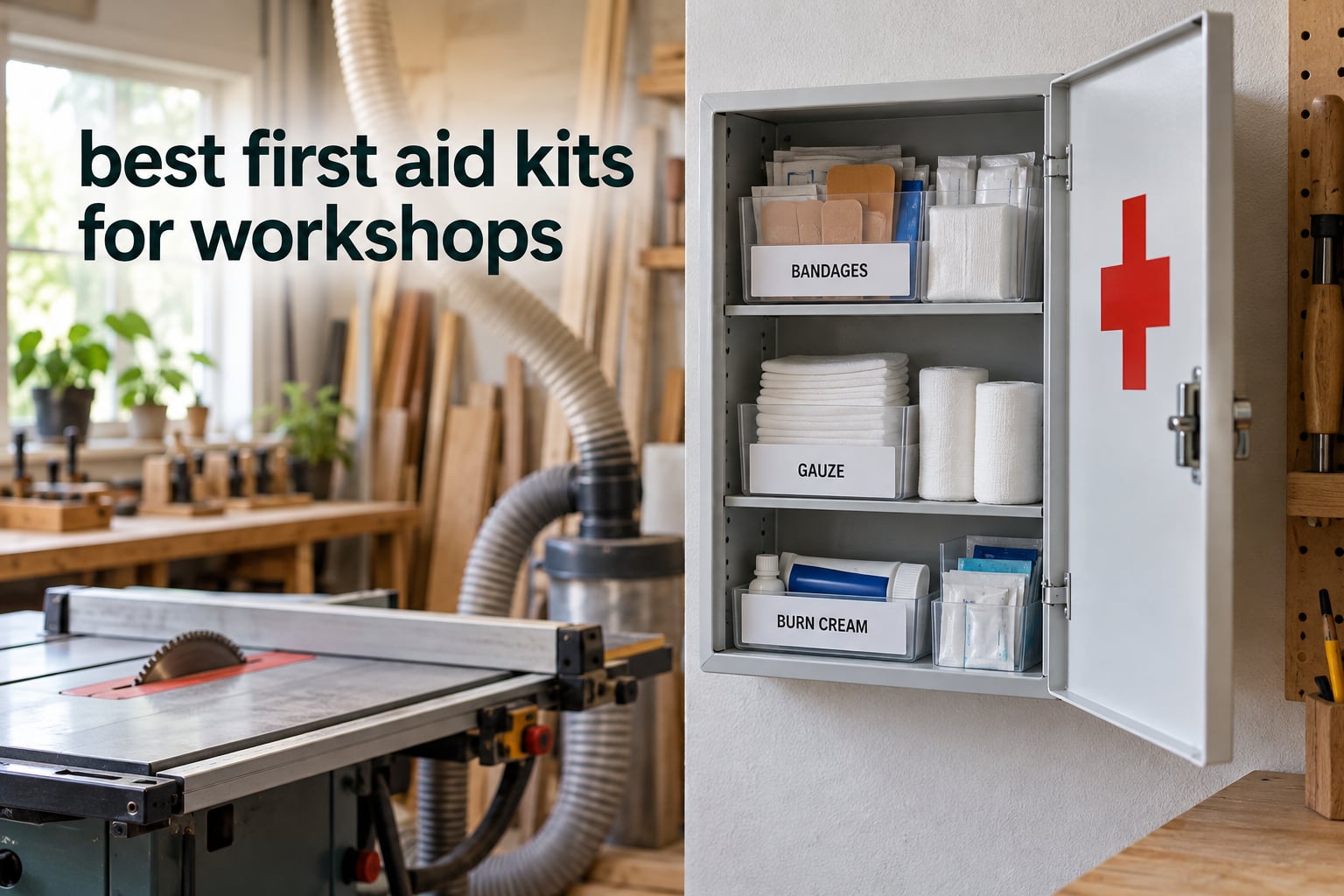
A workshop first aid kit is a first aid kit built for the hazards of a garage, shop or maker space. Unlike a household kit, it is stocked for cuts, splinters, burns, sawdust in the eyes, sprains and the heavy bleeding that power tools can cause, and it is usually tougher, dust-resistant and mounted where anyone on the floor can reach it in seconds.
That matters because the injury profile of a shop is nothing like the injury profile of a kitchen. A table saw produces crush and amputation injuries, a kickback sends a workpiece into a thigh, and a shop full of sawdust means eyes get irritated several times a week. A bag of small adhesive bandages simply does not cover any of that.
We compared twelve of the best first aid kits for workshops over six weeks, opening every case, counting compartments, checking what was actually inside rather than what the box claimed, and reading thousands of buyer reviews. We also read what woodworkers say on r/woodworking and SawmillCreek, where the same complaints come up again and again: kits full of tiny plasters, cases that collect sawdust, and supplies that get used and never replaced.
If you are outfitting a shop rather than a car, start with our general first aid kit round-up and then work through the workshop-specific picks below. We update this list for 2026, and every kit here is judged on the same three things: what is in the case, whether the case survives a shop floor, and whether the right person can find the right item in under ten seconds.
OSHA 1910.151(b) requires that adequate first aid supplies be readily available where no infirmary exists, and the standard it points employers to, ANSI Z308.1, sets out what that means in practical terms: a kit matched to the risk level of the workplace, mounted or carried so it is reachable, and kept in a condition where it has been inspected and replenished. Note that those rules apply to workplaces with employees. A solo maker in a home garage is not covered by the OSHA requirement, but the injury profile argument still holds.
Top 3 Workshop First Aid Kits for 2026
These three cover the widest range of shop types. The M2 BASICS 300 Piece is the strongest all-rounder, the Be Smart Get Prepared 326 Piece is the best balance of fill level and organization, and the First Aid Only 9302-25M is the metal case that survives a rough shop floor.

M2 BASICS 300 Piece Kit
- 300 pieces across 40 item types
- Durable fabric case with internal compartments
- Compact 9 x 3.5 x 6.5 inch footprint

Be Smart 326 Piece OSHA Kit
- 326 pieces rated for 100 people
- Hard plastic case with tilting shelves
- Wall mountable with slide latches
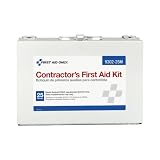
First Aid Only 9302-25M
- 178 pieces rated for 25 people
- Durable wall-mountable metal case
- Easy-release latch for fast access
12 Best First Aid Kits for Workshops (October 2026)
| Product | Specs | Action |
|---|---|---|
| M2 BASICS 300 Piece Kit |
|
Check Latest Price |
| Be Smart Get Prepared 326 Piece Kit |
|
Check Latest Price |
| First Aid Only 9302-25M |
|
Check Latest Price |
 M2 BASICS 350 Piece Wall-Mount Kit M2 BASICS 350 Piece Wall-Mount Kit |
|
Check Latest Price |
 VRIEXSD 400 Piece Kit VRIEXSD 400 Piece Kit |
|
Check Latest Price |
 24/7 First Aid 336 Piece OSHA Kit 24/7 First Aid 336 Piece OSHA Kit |
|
Check Latest Price |
 Be Smart Get Prepared 10 Person Kit Be Smart Get Prepared 10 Person Kit |
|
Check Latest Price |
 First Aid Only SmartCompliance 50 Person Kit First Aid Only SmartCompliance 50 Person Kit |
|
Check Latest Price |
 Gevoke 500 Piece Emergency Kit Gevoke 500 Piece Emergency Kit |
|
Check Latest Price |
 Besst Survivor 265 Piece Trauma Kit Besst Survivor 265 Piece Trauma Kit |
|
Check Latest Price |
 ProHeal 111 Piece Class A Kit ProHeal 111 Piece Class A Kit |
|
Check Latest Price |
 First Aid Only 746000 SmartCompliance Kit First Aid Only 746000 SmartCompliance Kit |
|
Check Latest Price |
1. M2 BASICS 300 Piece First Aid Kit: Best Overall for Workshops
M2 BASICS 300 Piece First Aid Kit w/Durable Bag for Home, Business, Office
300 pieces, 40 item types
Durable fabric case
9 x 3.5 x 6.5 inches, 1.5 pounds
Pros
- 300 pieces spanning 40 item types
- Durable fabric case with internal compartments
- Compact and light enough to carry to a job site
- Includes gauze pads and antiseptic wipes and medical tape and gloves and tweezers and scissors and a cold pack
Cons
- Included bandage adhesive is the weakest part of the kit
- Compartments get tight when you repack after a real injury
This is the kit we ended up recommending most often, and it is not close. It holds 300 pieces across 40 item types in a fabric case that weighs 1.5 pounds and measures 9 by 3.5 by 6.5 inches. In a working shop that combination matters more than the piece count alone, because you can actually get it off the bench and carry it to whoever is bleeding.
The internal compartments are the reason it works. Gauze, adhesive bandages, antiseptic wipes, medical tape, nitrile gloves, tweezers, scissors, elastic wraps and an instant cold pack each have a defined slot, so the person treating the injury is not dumping the whole case onto a bench to find a bandage. It has been on the market since September 2016, which means the supply chain and the refill pattern behind it are well established.
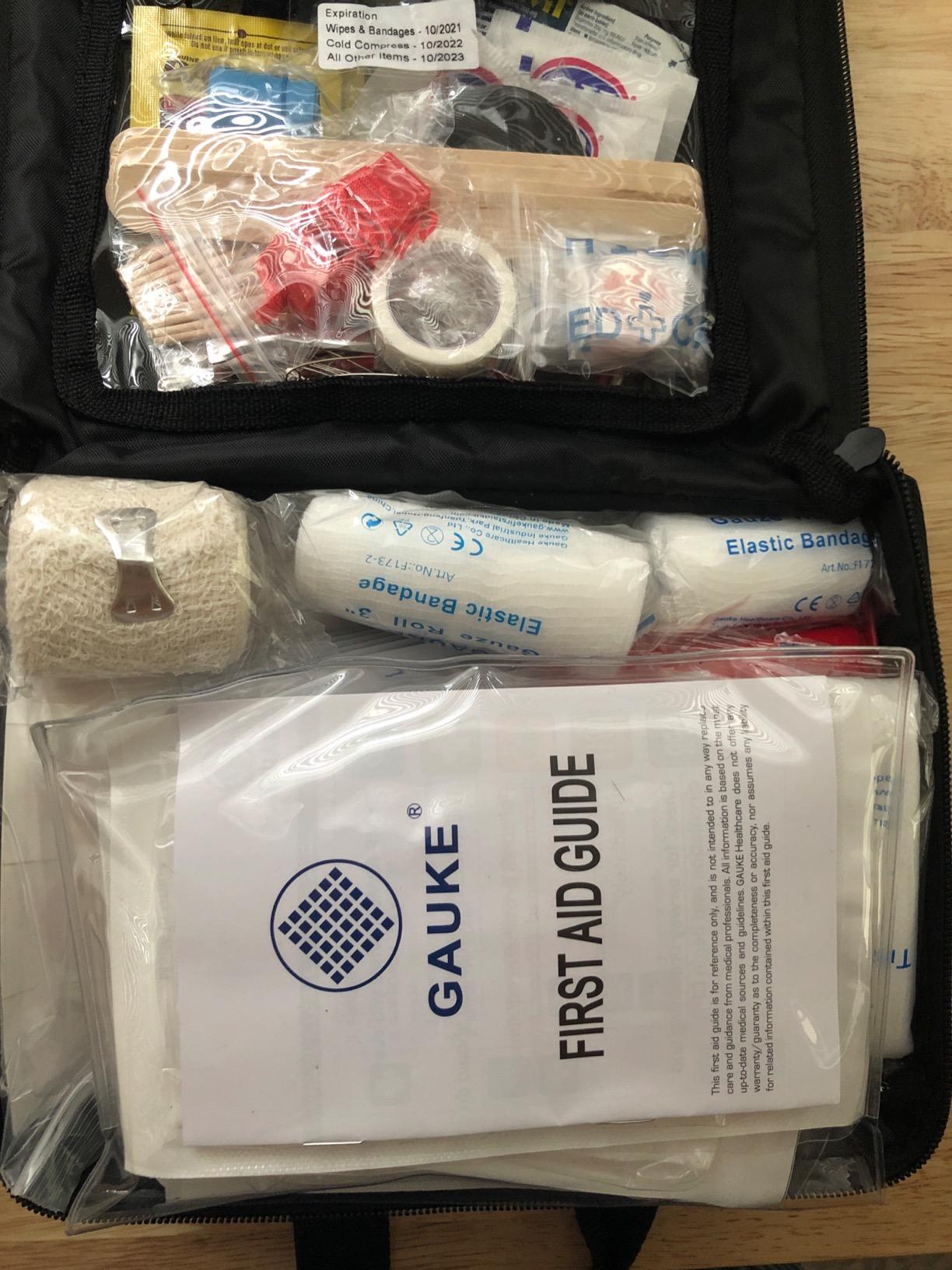
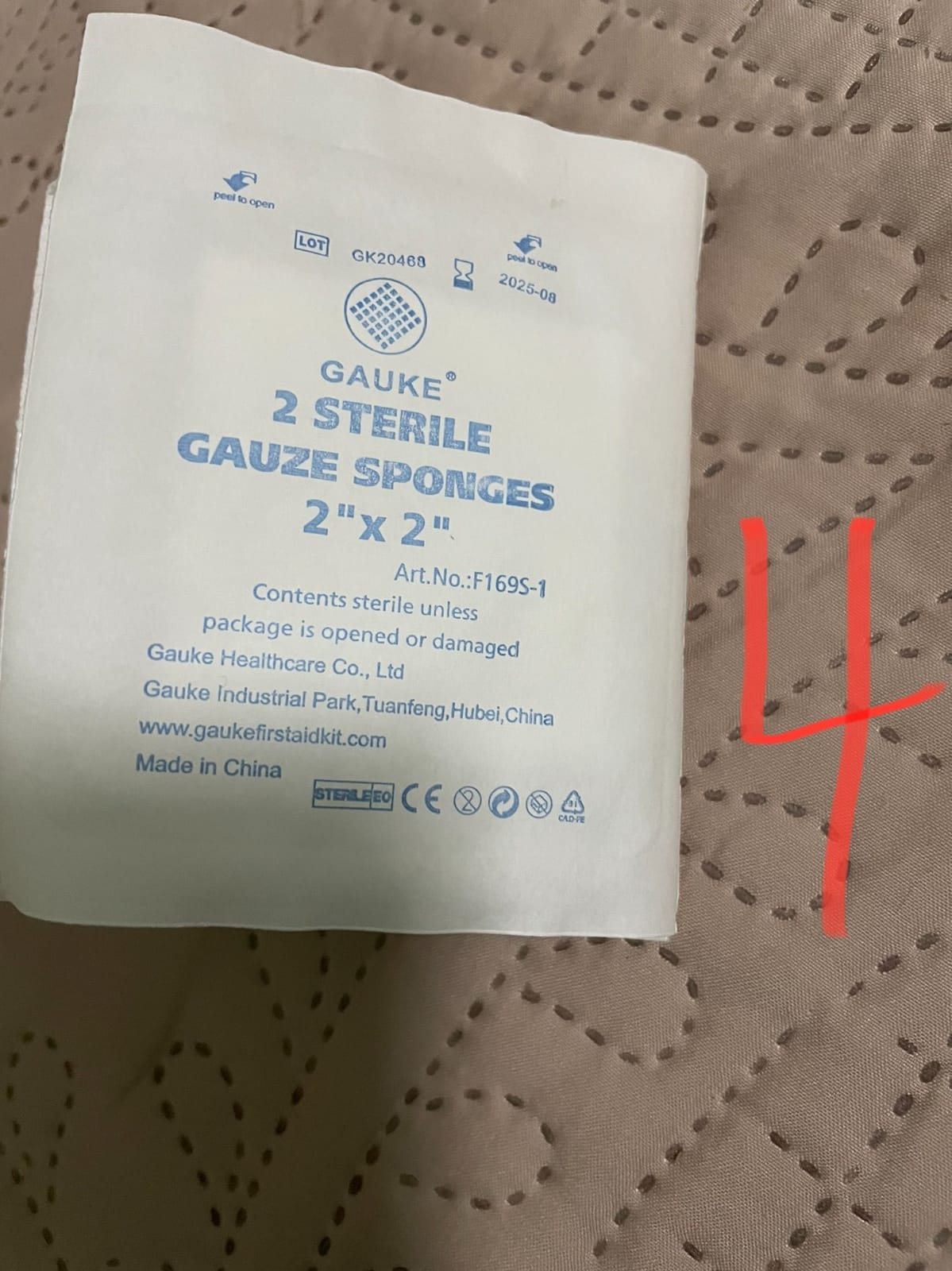
What surprised us most is how much genuine shop use it absorbs. The adhesive on the included bandages is the item reviewers criticize most often, and it is a fair criticism. The cheap strips shed and lose grip in a dusty shop, so we would add a bulk pack of name-brand adhesive bandages and finger cots to the refill drawer within a month of use.
The case itself is fabric rather than hard shell, so it will not survive being dropped off a bench or kicked by a shop vac. It is more likely to sit on a shelf, travel in a truck bed, or ride in a backpack, and in those roles the fabric build is the right trade for the low weight.
One more thing worth knowing: the compartments that make this kit so good when full become frustrating when you are restocking it. Expect to repack it on a bench rather than in the case, then push everything back into the right slot.
Who this kit works for
This suits a one-person shop, a garage maker, or a small two-person studio where the kit lives on a shelf and gets carried to the machine. The piece count covers ordinary shop injuries, and the 40 item types mean you are not adding a separate burn care or splinter kit on day one.
Who should skip it
Skip it if you need a bleed-control item, since a standard 40-item fill has no tourniquet or hemostatic gauze. If your shop is a shared community space with heavy table saw and lathe traffic, pair it with one of the bleeding-control kits further down rather than relying on it alone.
2. Be Smart Get Prepared 326 Piece OSHA Kit: Best Value for Busy Shops
Be Smart Get Prepared 326 Pc OSHA ANSI First Aid Kit Hard Case 100 People
326 pieces, rated for 100 people
Hard plastic case
Two layers with tilting shelves
Pros
- Rated OSHA and ANSI compliant for 100 people
- Hard impact-resistant plastic case
- Two layers with tilting shelves for fast access
- Wall mountable with secure slide latches
- Includes a refill order form
Cons
- Bulky at 3.2 pounds for mobile use
- Plastic latches can feel fragile compared with the case
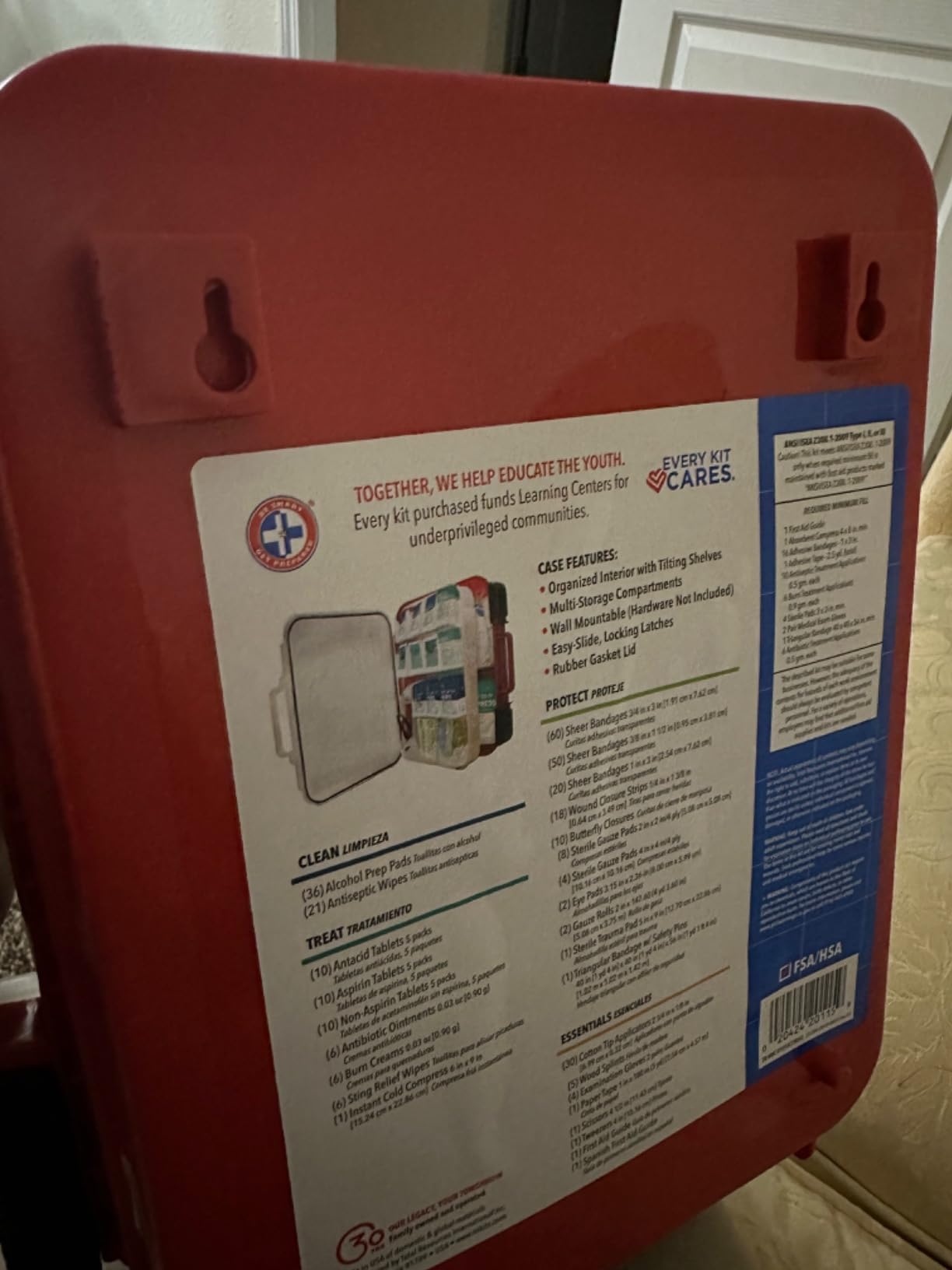
This is the kit we would put on the wall of a shop with several people in it. It carries 326 pieces and is rated for 100 people, it lives in a high-density plastic case that shrugs off a drop, and the interior is split into two layers with shelves that tilt toward you when you open the lid.
That tilting shelf design is the single most useful feature in this whole roundup for a shop. Everything on the opened shelf is visible at once, which means a person who is not sure where the sterile gauze pads are will still find them. It solves the specific complaint that comes up constantly in shop forums, where people open a kit and cannot locate the item they need while someone is bleeding.
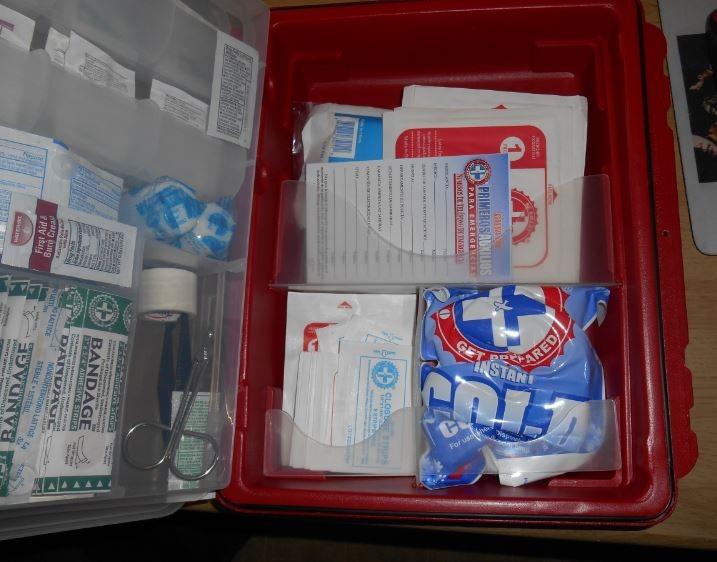
At 13 by 12 by 4 inches and 3.2 pounds, this is a stationary kit. It folds compactly enough to sit on a shelf or mount flat on a wall, but you would not carry it across a shop floor every day. The slide latches lock securely and reviewers are broadly happy with them, though a few note the plastic latches feel less durable than the case body itself.
The refill order form included with the kit is a small detail that saves real friction. Rather than matching a colour code and a model number under pressure, you have the reference in front of you, which is exactly the kind of thing that makes monthly refills actually happen instead of being deferred for months.
No bleeding-control item is included here either, so a shop running a table saw should treat this as the compliance baseline and add a tourniquet and hemostatic gauze from a bleeding-control kit.
Who this kit works for
It is built for a small commercial shop, a maker space, or a garage business with multiple people working in it. The 100-person rating and the case that can be mounted near the door or the main machine both fit a space where more than one person might be injured in a shift.
Who should skip it
Skip it for a mobile installer who needs to carry supplies in a vehicle every day, and skip it if your only concern is severe bleeding. It is a general treatment kit with a wide fill, not a trauma kit, and the weight rules it out for go-bag use.
3. First Aid Only 9302-25M Contractor Kit: Best Premium Metal Case
First Aid Only 25-Person Contractor First Aid Kit for Jobsites
178 pieces, rated for 25 people
Wall-mountable metal case
6.5 x 19.51 x 27.71 inches, 1.38 pounds
Pros
- Durable wall-mountable metal case
- Easy-release latch for fast access
- Includes burn cream and BZK antiseptic wipes and gauze and antibiotic ointments
- Compact and well stocked for 25 people
- HSA and FSA eligible
Cons
- Metal case can dent if dropped
- 178 pieces runs short for a larger crew
- Interior organization is not modular
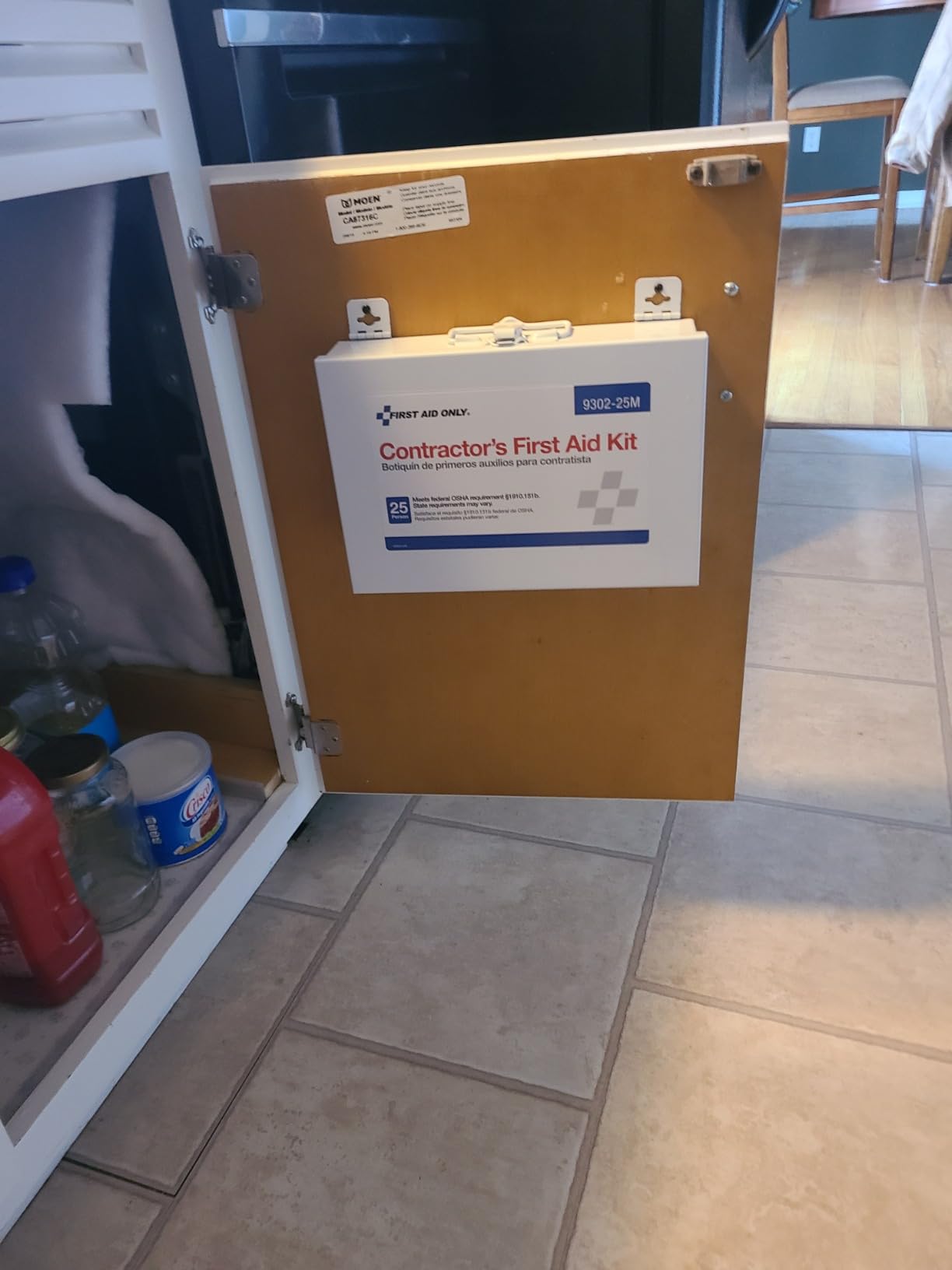
Every other hard case in this round-up is plastic, which makes this one notable. The 9302-25M is a metal cabinet, it is wall mountable, and it carries 178 pieces rated for 25 people. In a shop with a concrete floor, a metal cabinet is the one type of container that will still be hanging on the wall a few years from now.
It measures 6.5 by 19.51 by 27.71 inches, so it hangs vertically and uses little floor space, and the easy-carry handle lets an appointed first aider grab the whole cabinet and take it to where the injury happened instead of trying to carry loose supplies. The latch is an easy-release design, which reviewers consistently single out as the feature that matters most in a real emergency.
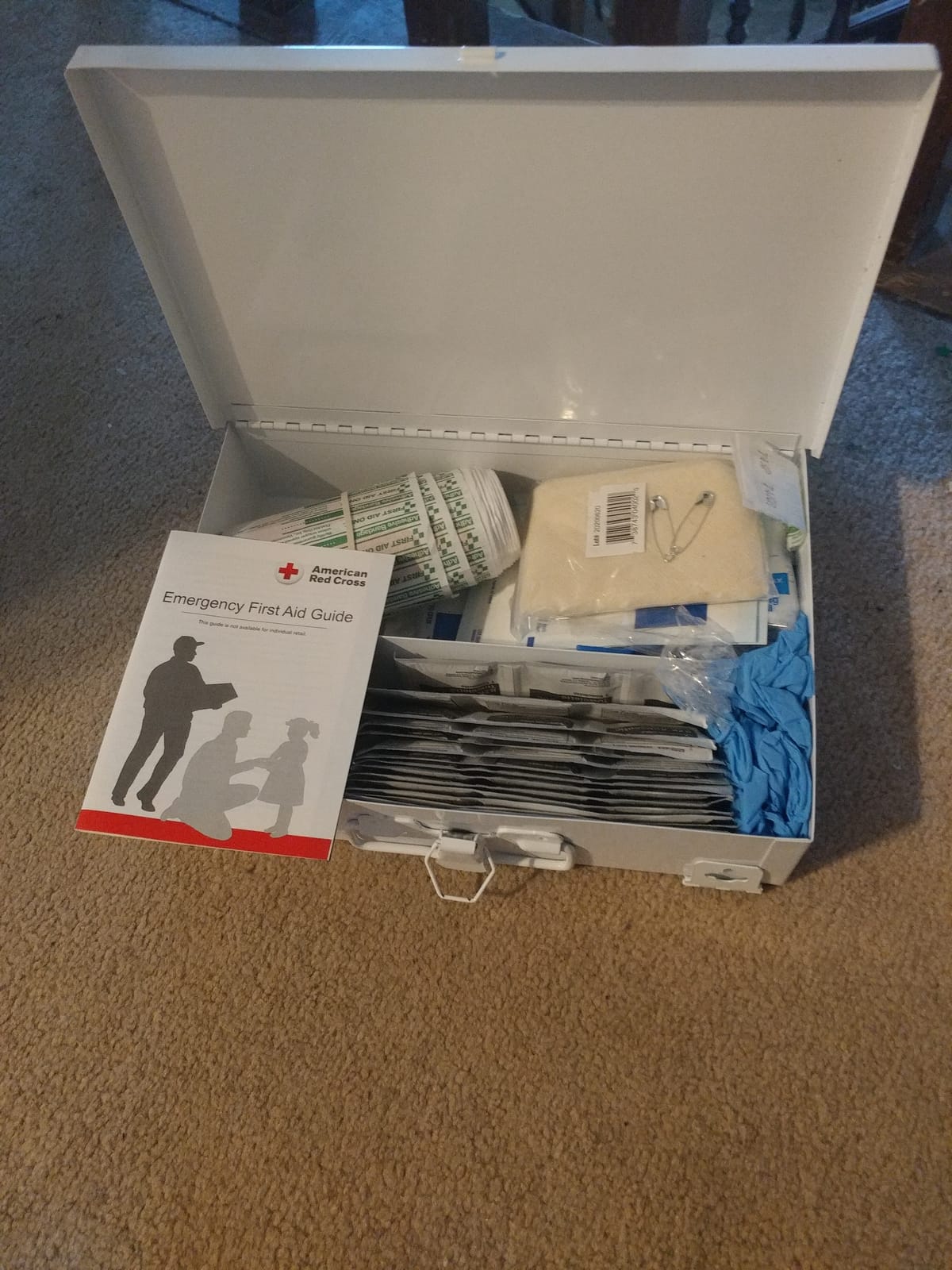
The fill is a sensible contractor assortment: adhesive fabric and plastic bandages, antibiotic ointments, BZK antiseptic towelettes, burn cream packets, a gauze roll and gauze pads, gloves, scissors and tweezers. BZK wipes are the antiseptic wash that woodworkers on the forums call out as the item they use most, and it is present here.
The trade-off is scale. 178 pieces covering 25 people is a smaller fill than several kits in this list, so a shop with a larger crew would be replenishing more often. The interior is fixed rather than modular, meaning you cannot reconfigure it for a specific role such as burn care or wound care.
It is also HSA and FSA eligible, which matters if you are buying for a business through a benefits account. The metal body can dent if it is knocked off a wall by a workbench, and reviewers mention that as the main durability caveat.
Who this kit works for
This suits a small crew, a contractor, a shop with a concrete or oil-stained floor, or anyone who wants a permanently mounted metal cabinet. The vertical footprint is the reason it works in a tight garage, and the carry handle makes it usable for jobsite work as well as shop work.
Who should skip it
Skip it if you need a portable kit you can move daily, since a metal cabinet is not something you carry around. It is also the wrong choice for a shop wanting refill modules, because the fixed interior means you refill it by hand rather than dropping in a pre-sorted insert.
4. M2 BASICS 350 Piece Wall-Mount Kit: Best for Woodworking Shops
M2 BASICS 350 Piece Professional Wall-Mount First Aid Kit, Business, Home
350 pieces, workplace fill
Wall-mount hard case
Dual swing-out layers
Pros
- Largest piece count from a hard wall-mount case
- Dual swing-out layers keep supplies visible
- Well organized for quick access
- Sturdy case suited to shops and warehouses
Cons
- Interior plastic dividers feel flimsy
- Latch mechanism could be more robust
- Swing-out layers can be stiff at first
This is the woodworking shop pick. It carries 350 pieces in a wall-mount hard case with two swing-out layers, and it is explicitly designed for high-traffic environments such as shops, warehouses, facilities and construction sites. For a room where four people are running a table saw, a jointer and a dust collector, that is the right shape of kit.
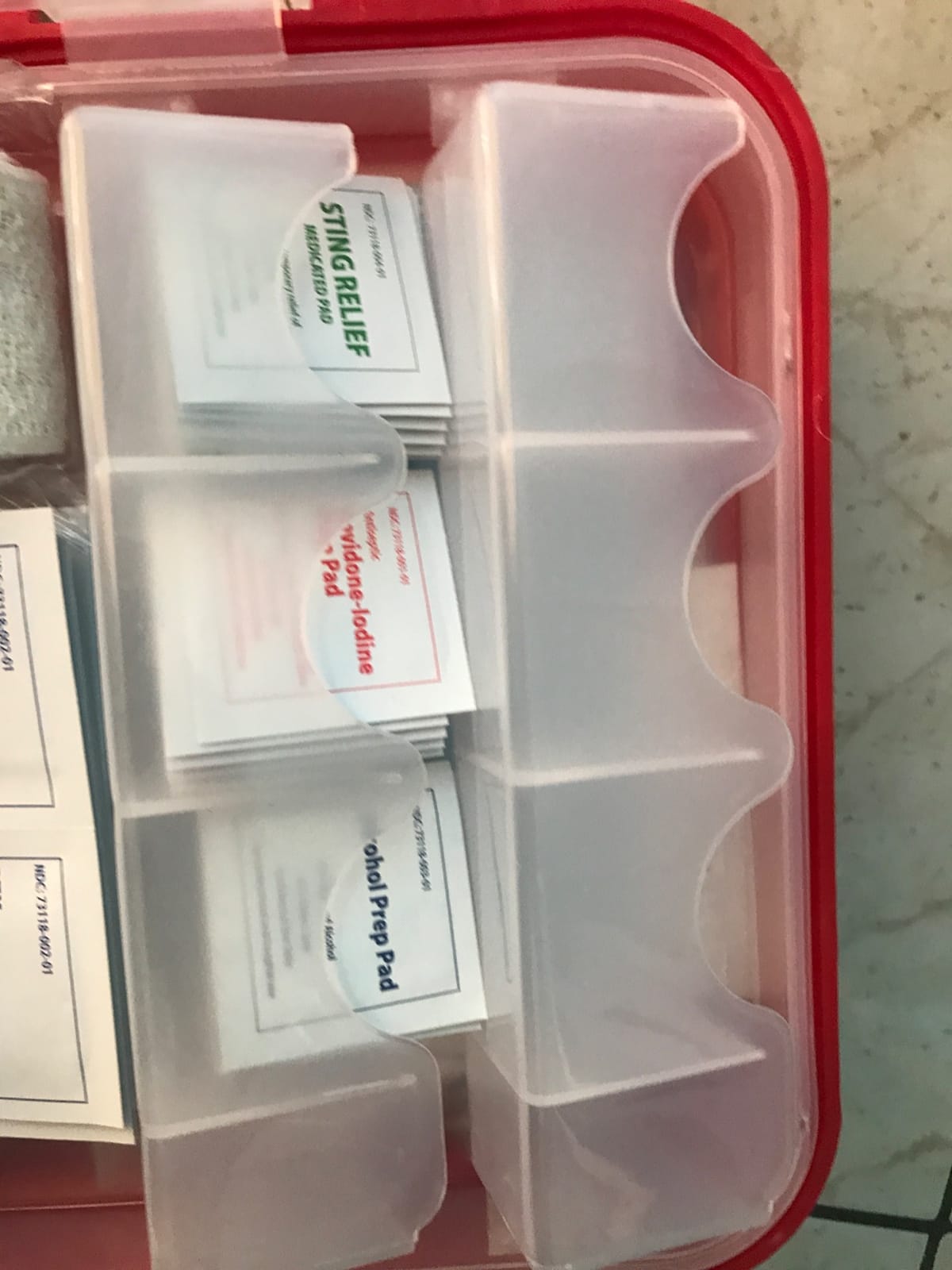
The swing-out layers are what make it useful in a dusty shop. When you pull a layer out, the supplies on it stay in their slots instead of sliding to the bottom, and you can see the whole layer at once. Compare that with a soft bag where everything migrates to the bottom and you end up digging through bandages to reach the gauze.
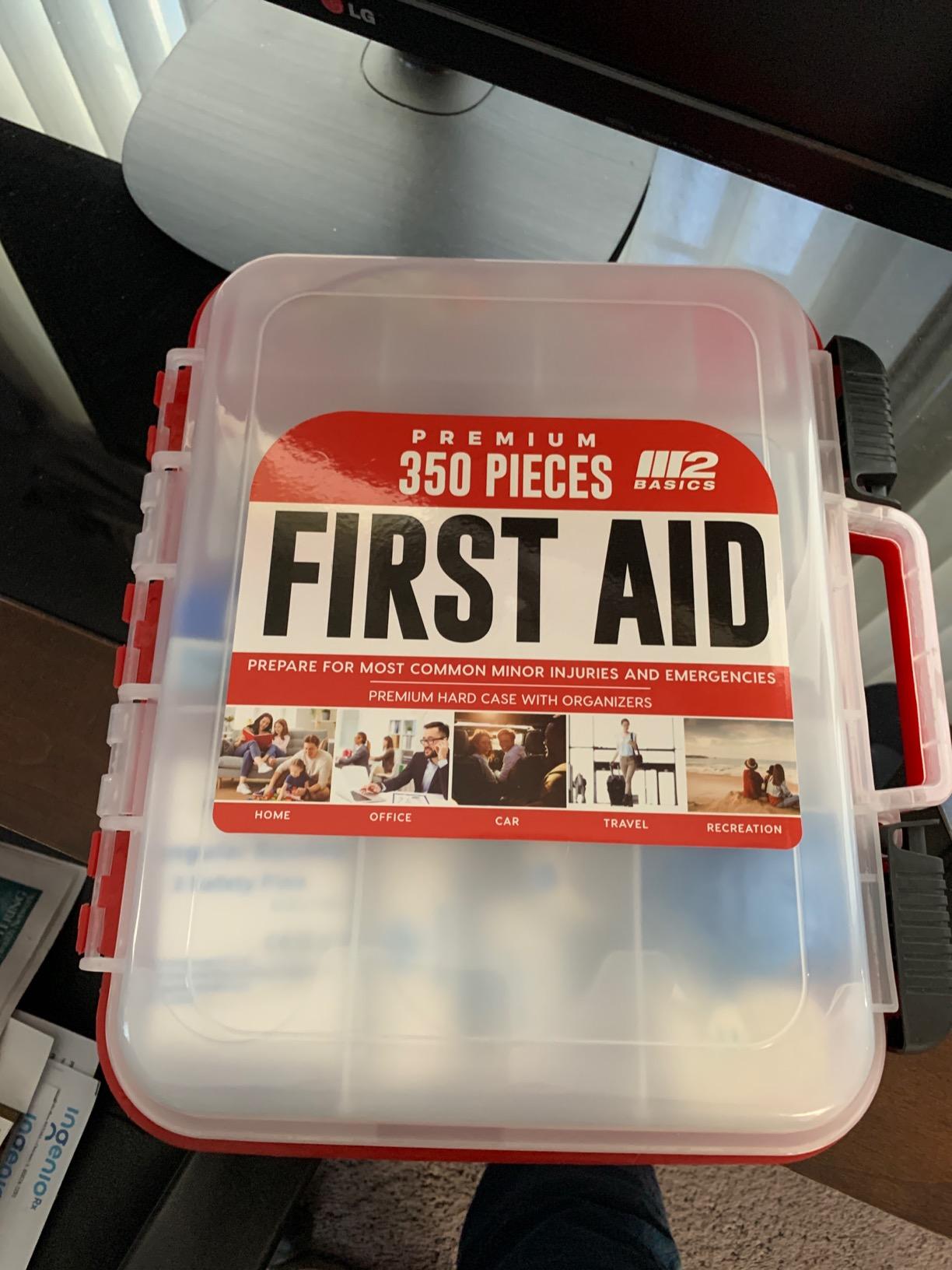
At 13 by 11 by 4 inches and 3 pounds, it mounts high on a wall where a person working at a bench can reach it without walking away from the machine. The outer case is solid, and the fill covers cuts, scrapes, burns, wounds and sprains, which matches the common woodworking injury list closely.
The honest weakness is the inside. Reviewers say the internal plastic dividers feel less durable than the outer case, and the latch mechanism is described as less robust than the shell. If you are mounting it in a shop where people back into the wall with a dust collector hose, the case will outlast the internals.
One practical note: the swing-out layers are stiff when the kit is new. Work them back and forth a few times after mounting so the first real emergency is not the first time anyone moves them.
Who this kit works for
It fits a shared woodshop, a carpentry or cabinetry business, and any shop where you want a fixed, visible station for first aid supplies. The hard case tolerates dust and knocks far better than a soft bag, which is the single most common complaint about consumer kits in woodworking forums.
Who should skip it
Skip it for a solo garage where a mounted cabinet eats wall space you need for tool storage, and skip it if you need a bleeding-control item. The fill is broad and general, so a shop with heavy table saw traffic still wants a separate tourniquet kit.
5. VRIEXSD 400 Piece Kit with Tourniquet: Best Bleeding Control
VRIEXSD 400 Piece Large First Aid Kit for Home, Car, Travel, Camping,Sports
400 pieces including a tourniquet
Labeled divided compartments
Water-resistant 1680D polyester
Pros
- Includes a tourniquet and an emergency blanket
- Labeled compartments show contents at a glance
- Water-resistant 1680D polyester bag
- Reflective strips help in low light
- MOLLE system for vehicle or pack mounting
Cons
- Soft bag gives less crush protection than a hard case
- Zippers may not tolerate heavy daily use
- Bulky for minimal carry
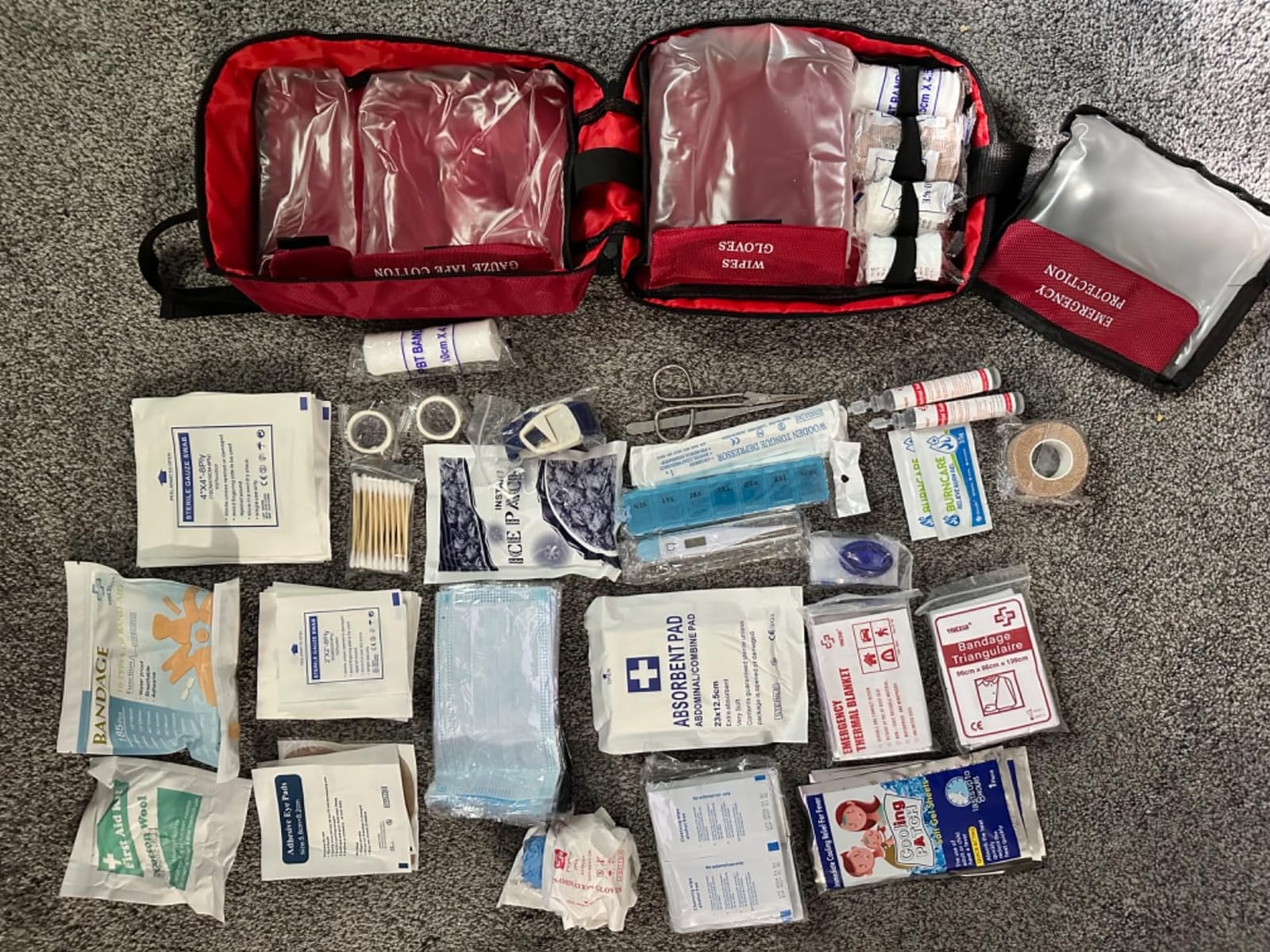
Every forum thread about workshop first aid eventually gets to the same question, which is whether a shop needs a tourniquet. This kit answers it by including one, alongside 400 pieces total and an emergency blanket. For a shop running a table saw, a router table or a chainsaw, that inclusion is the whole point of the kit.
Kickback injuries, table saw contact and impalement are the shop hazards that a consumer kit cannot address, because they produce arterial-level bleeding rather than a cut you can dress with a plaster. Military-background makers bring trauma-oriented kits into workshops as standard practice, and this is the affordable version of that idea.
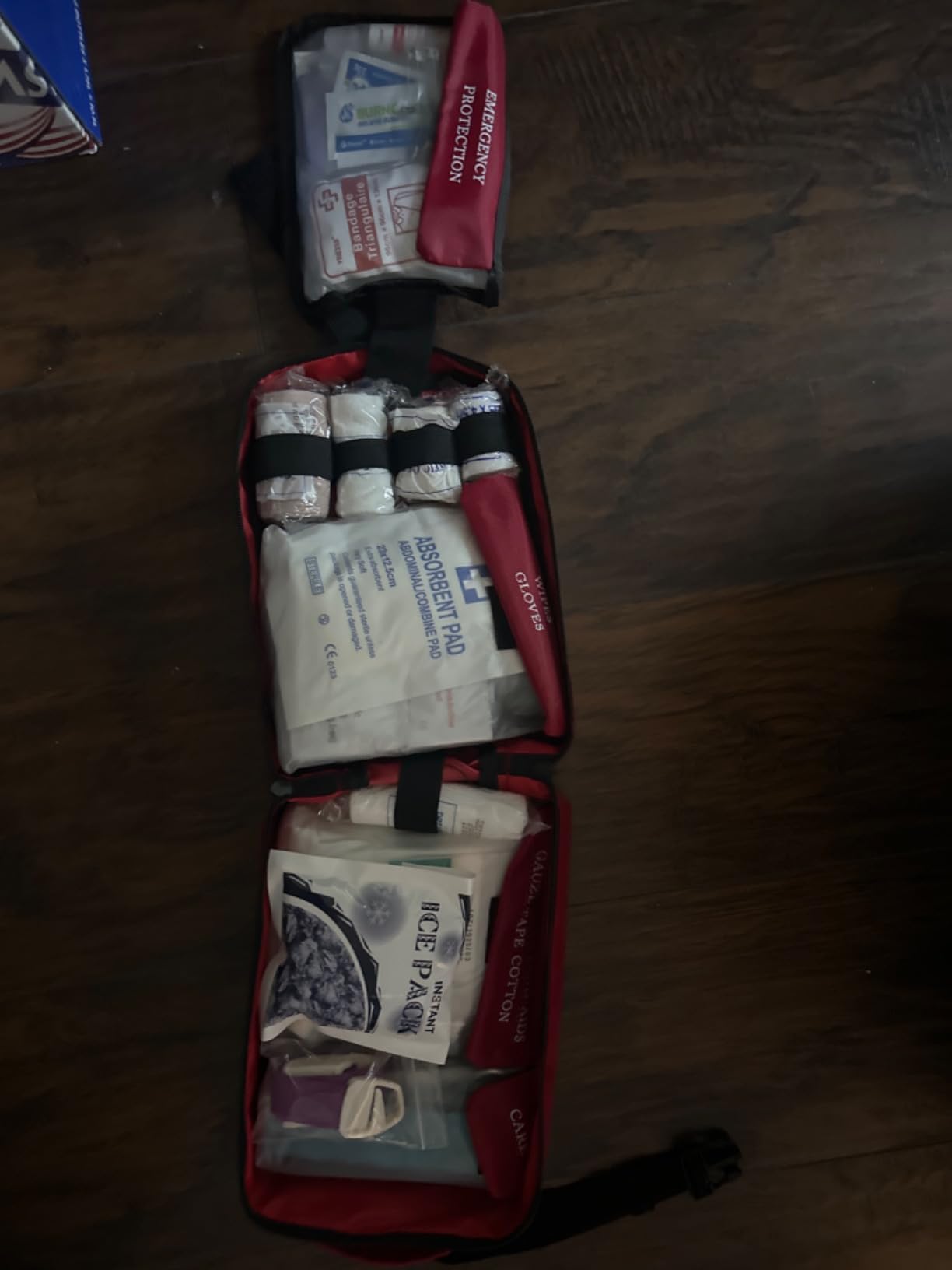
The organization is the other strength. Divided compartments carry labels, so instead of remembering what is in the kit you can read what is in the kit, which matters when the person treating the injury is someone who has never opened this case before. The 1680D polyester has a waterproof ability rating, and reflective strips make the bag easier to find in a dim shop.
It is MOLLE compatible, so it can hang on a backpack or sit in a vehicle, and it weighs 2.5 pounds. That makes it genuinely dual-purpose: a wall kit in the shop and a bag in the truck for service calls.
The compromise is that it is a soft bag. It will not protect contents from crushing if something heavy lands on it, and reviewers report some zipper durability concerns. If your shop is tidy, a soft bag is fine. If tools and stock are stacked on top of the shelf, use a shelf that will not be loaded.
Who this kit works for
It suits woodworkers, metal fabricators and anyone whose machines can cause severe bleeding, plus mobile trades who want one kit for the vehicle and the shop. It is also the easiest recommendation to justify to someone who thinks first aid is only about plasters.
Who should skip it
Skip it if you need a mounted, always-visible station, because a labelled soft bag will be used up faster than a wall cabinet. Anyone untrained in tourniquet application should pair this with a course rather than relying on written instructions alone.
6. 24/7 First Aid 336 Piece OSHA Kit: Best for Visual Inventory Checks
24/7 First Aid OSHA Compliant First aid Kit, All-Purpose 100-Person Emergency First Aid Kit for Business, Home, and Car in Plastic Case with Easy-Slide Latches, 336 Pieces
336 pieces, rated for 100 people
Clear cover
3.25 x 11.5 x 13 inches, 3.02 pounds
Pros
- Clear cover makes inventory visible without opening the case
- Easy-slide latches open quickly
- Individual compartments stay organised
- Wall-mountable with a compact footprint
Cons
- Plastic case can crack under heavy impact
- Slide latches can be stiff at first
- Case colour is not consistent
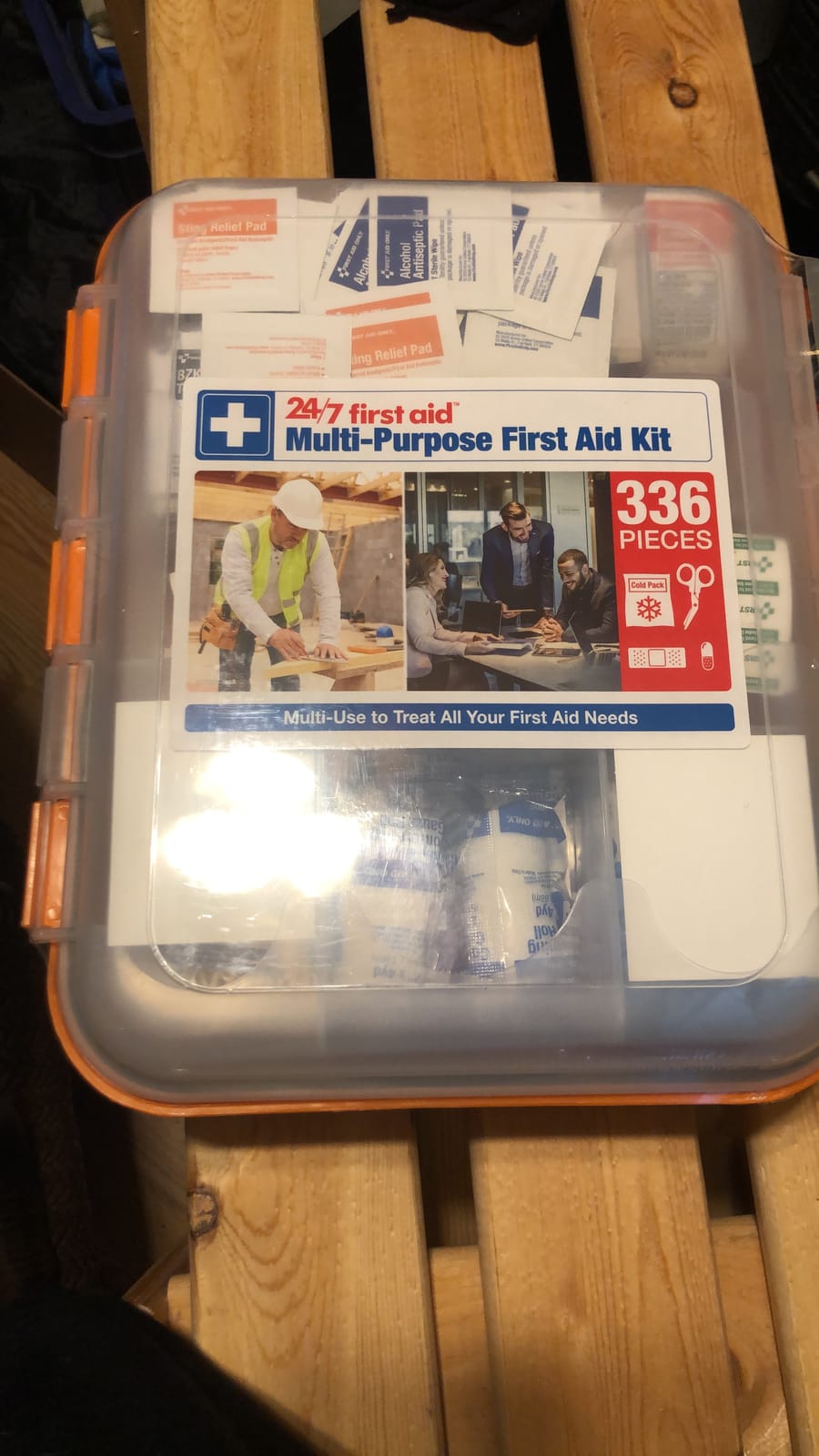
Most first aid compliance problems come down to one thing: nobody notices a kit is empty until someone needs it. This kit is the fix. The clear cover means you can see whether gauze, gloves and burn cream are still there without opening anything, so a monthly inspection takes ten seconds instead of unpacking the whole case.
It holds 336 pieces and is rated OSHA compliant for 100 people, in a wall-mountable plastic case measuring 3.25 by 11.5 by 13 inches. The individual compartments keep supplies separated, and the fill covers bandages, antibiotic ointments, antiseptic towelettes, burn cream, gauze, gloves, scissors and tweezers.
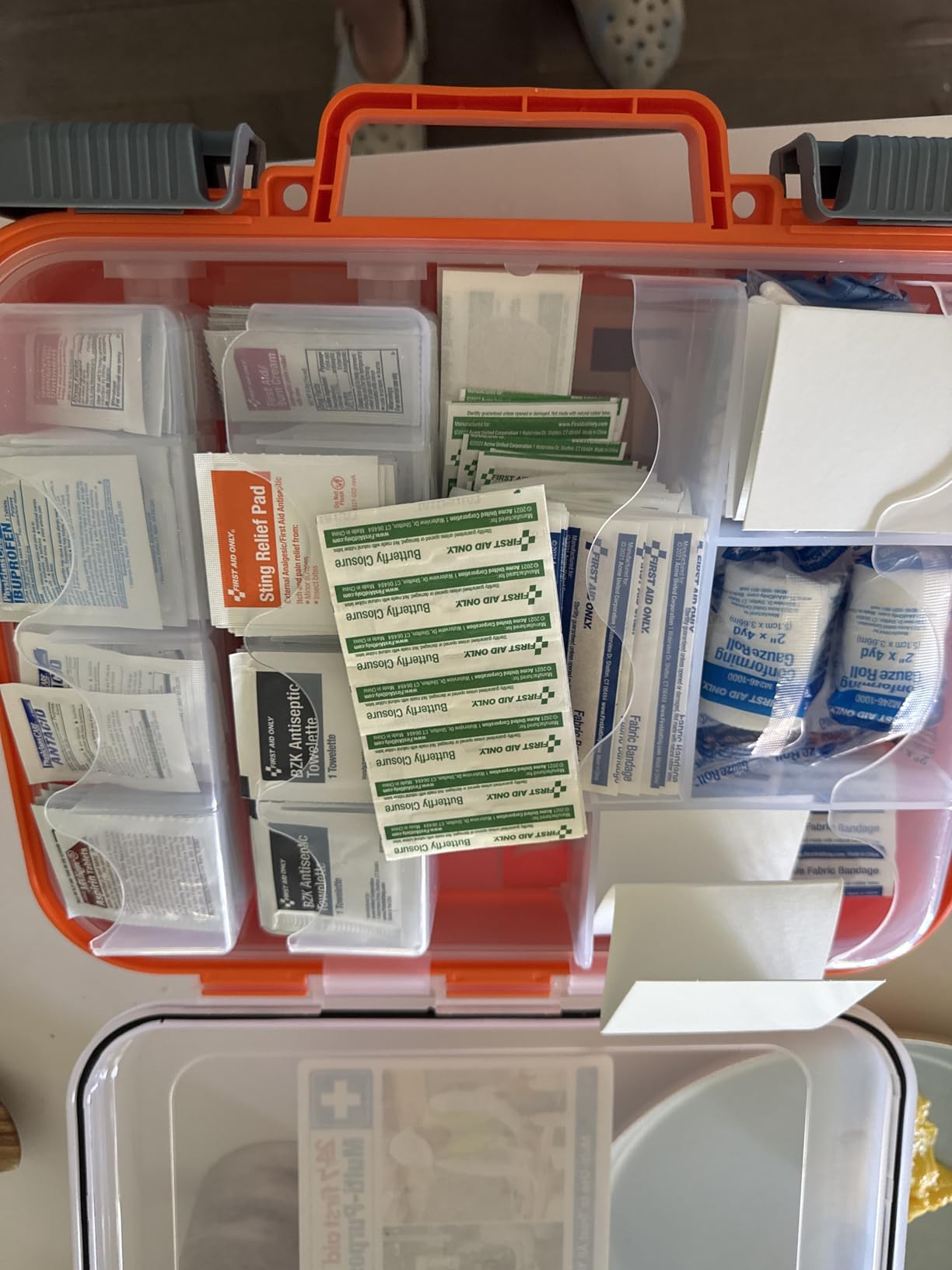
The easy-slide latches are the other practical win. They release quickly one-handed, which is exactly what you want when you are supporting someone with an injured hand, and reviewers praise them for quick visual checks and access.
Limitations are honest ones. The case is plastic, and plastic cases can crack if they take a hard impact from a tool or a cast-iron part. The slide latches are stiff when new. Case colour varies between production runs, which matters if you are matching it to a colour-coded signage scheme.
Like most Class A style fills, it has no bleeding-control item. That is normal for a general treatment kit, but it is the reason we keep recommending a separate trauma kit alongside any mounted wall kit.
Who this kit works for
This is a strong pick for a shared maker space, a small fabrication shop or a studio with regular foot traffic, particularly if one person is responsible for monthly checks. The visible inventory removes the excuse for a kit to quietly run down.
Who should skip it
Skip it if your shop floor is rough enough to take heavy impacts, since a plastic cabinet is not a metal one. It is also not the right choice for a one-person shop where a 100-person fill is far more than the shop will use up before items expire.
7. Be Smart Get Prepared 10-Person OSHA Kit: Budget Pick for Small Workshops
Be Smart Get Prepared OSHA/ANSI First Aid Kit – 10 Person
100 pieces, rated for 10 people
Compact hard case
Wall mounts included
Pros
- Meets the basic OSHA and ANSI requirement for 10 people
- Very compact at 7.5 x 2.5 x 6.75 inches
- Wall mounts are included in the box
- Meets FDA regulatory standards as a medical device
Cons
- Only 100 pieces for a 10 person rating
- Limited to minor injuries
- Hard to reorganise after opening
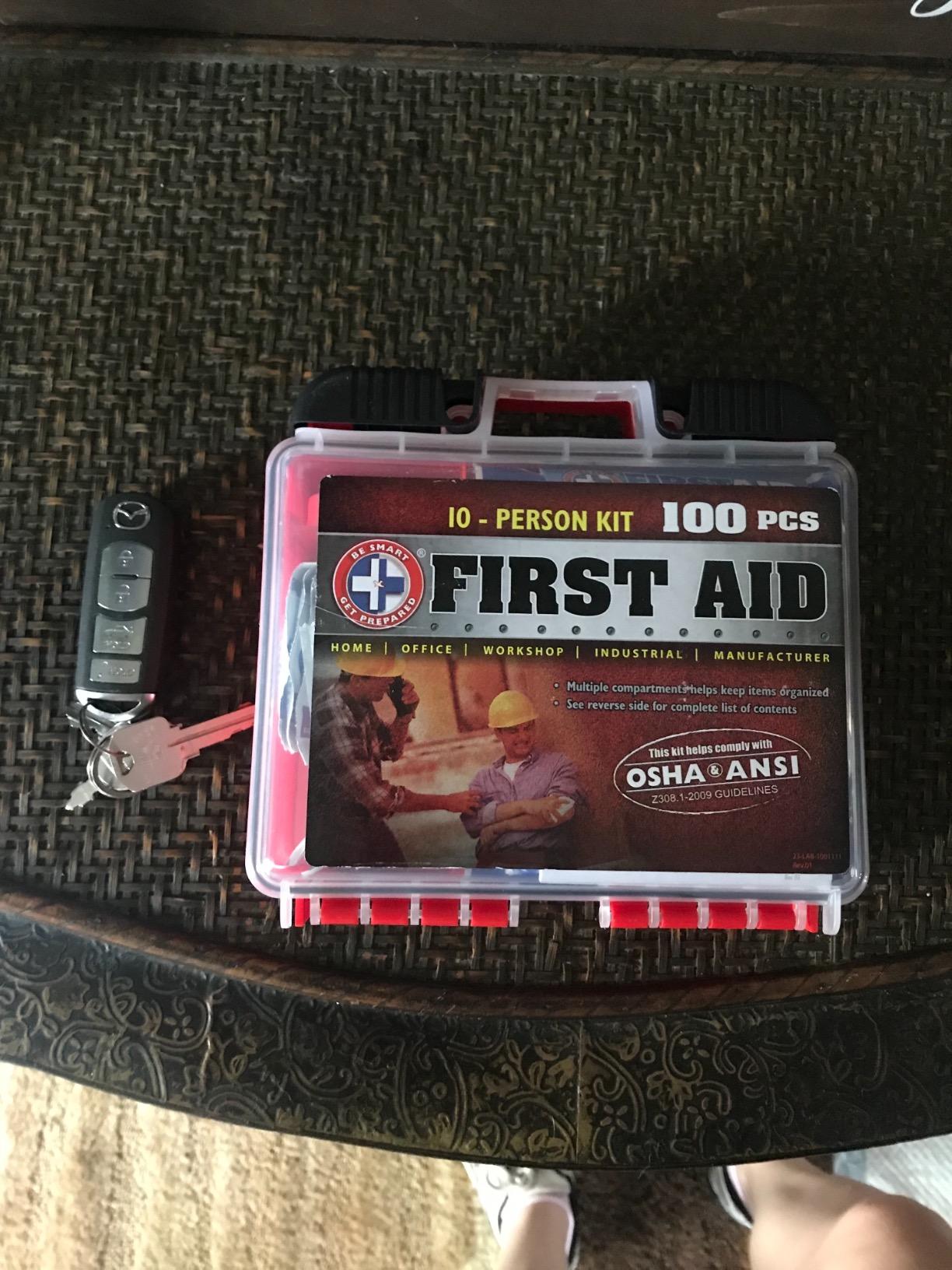
For a one-person garage or a shared hobby room, this covers the baseline without a large commitment. It is rated OSHA and ANSI compliant for 10 people, holds 100 pieces, and comes in a compact hard case measuring 7.5 by 2.5 by 6.75 inches and weighing under a pound. Wall mounts are included in the box.
The fill is the standard small-shop assortment: alcohol prep pads, antiseptic wipes, antibiotic ointments, burn creams, an instant cold compress, bandages, gauze pads, a triangular bandage, a trauma pad, gloves, paper tape and a first aid guide. That is a genuinely useful list for the injuries you are most likely to see in a home shop.
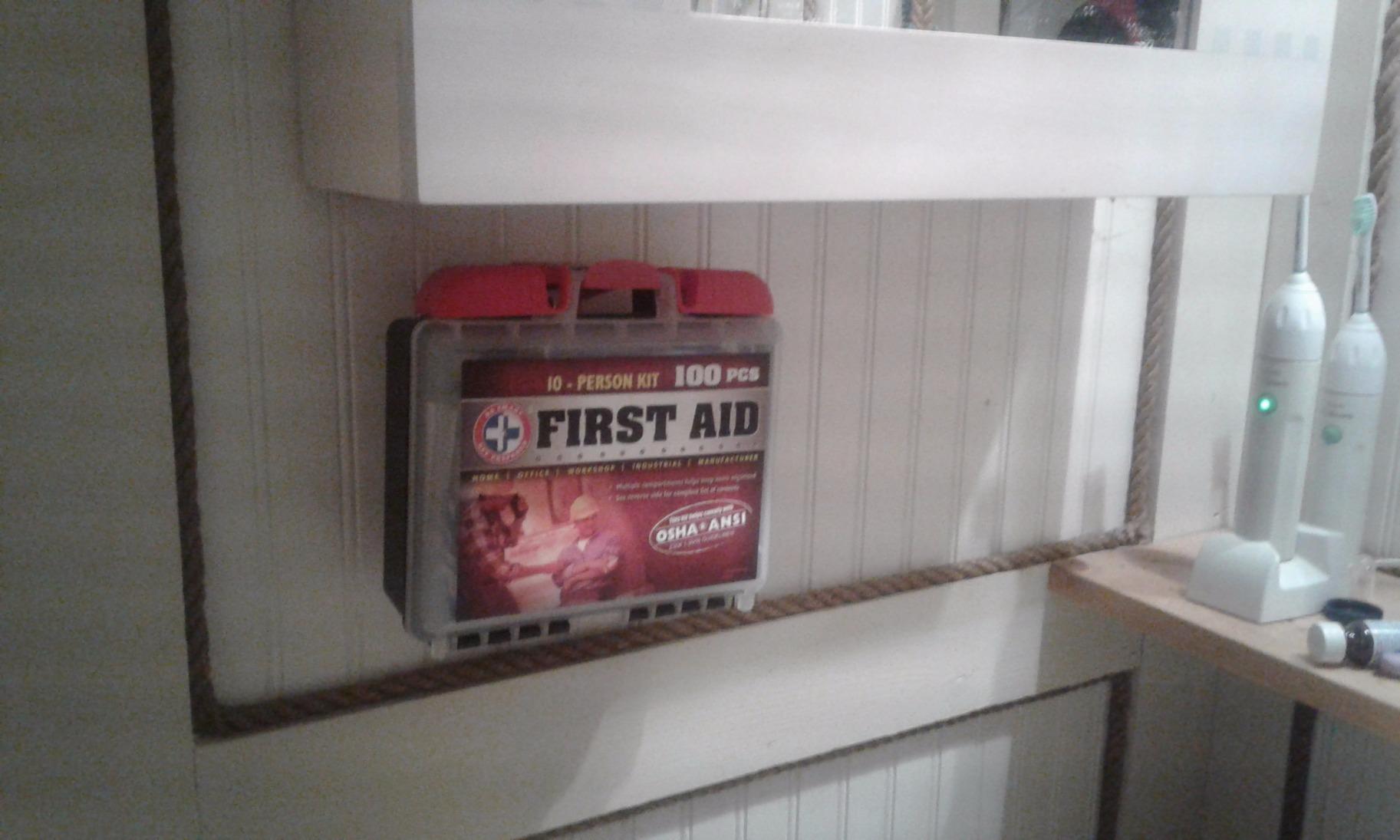
Where the compromise shows is capacity. One hundred pieces across ten people is a thin margin, so you will be refilling more often than with any of the larger kits here. The single most common complaint is that the case is difficult to close once opened and hard to reorganise, which matters if you are restocking it at the end of a busy day.
It is also a general treatment kit with no bleeding-control item, so a solo maker working alone at a table saw should still keep a separate tourniquet within reach rather than relying on the trauma pad in this kit.
The upside is that it is the smallest commitment here and it is genuinely compliant, which is more than most consumer kits claim. For a hobby room or a small club room, that combination is hard to argue with.
Who this kit works for
It fits a home garage, a small studio, a classroom or a club room where one or two people work at a time. If your priority is meeting a basic requirement with something you can mount and forget, this does the job at a fraction of the size of the larger kits.
Who should skip it
Skip it for a commercial shop, a shared maker space with more than a handful of members, or anyone working alone on a table saw. The fill level is too low for sustained use and the case is awkward to restock.
8. First Aid Only SmartCompliance 50-Person Kit: Best for Fast Replenishing
SmartCompliance 50-Person OSHA First Aid Cabinet with Medications
245 pieces, rated for 50 people
SmartTab ezRefill system
Wall-mountable plastic cabinet
Pros
- SmartTab ezRefill system makes restocking straightforward
- ANSI colour-coded packaging
- Wall-mountable cabinet with a built-in handle
- Reliable brand with a long refill catalogue
Cons
- 245 pieces is thin for a 50 person rating
- Refill system relies on proprietary refills
- Plastic cabinet can crack if impacted
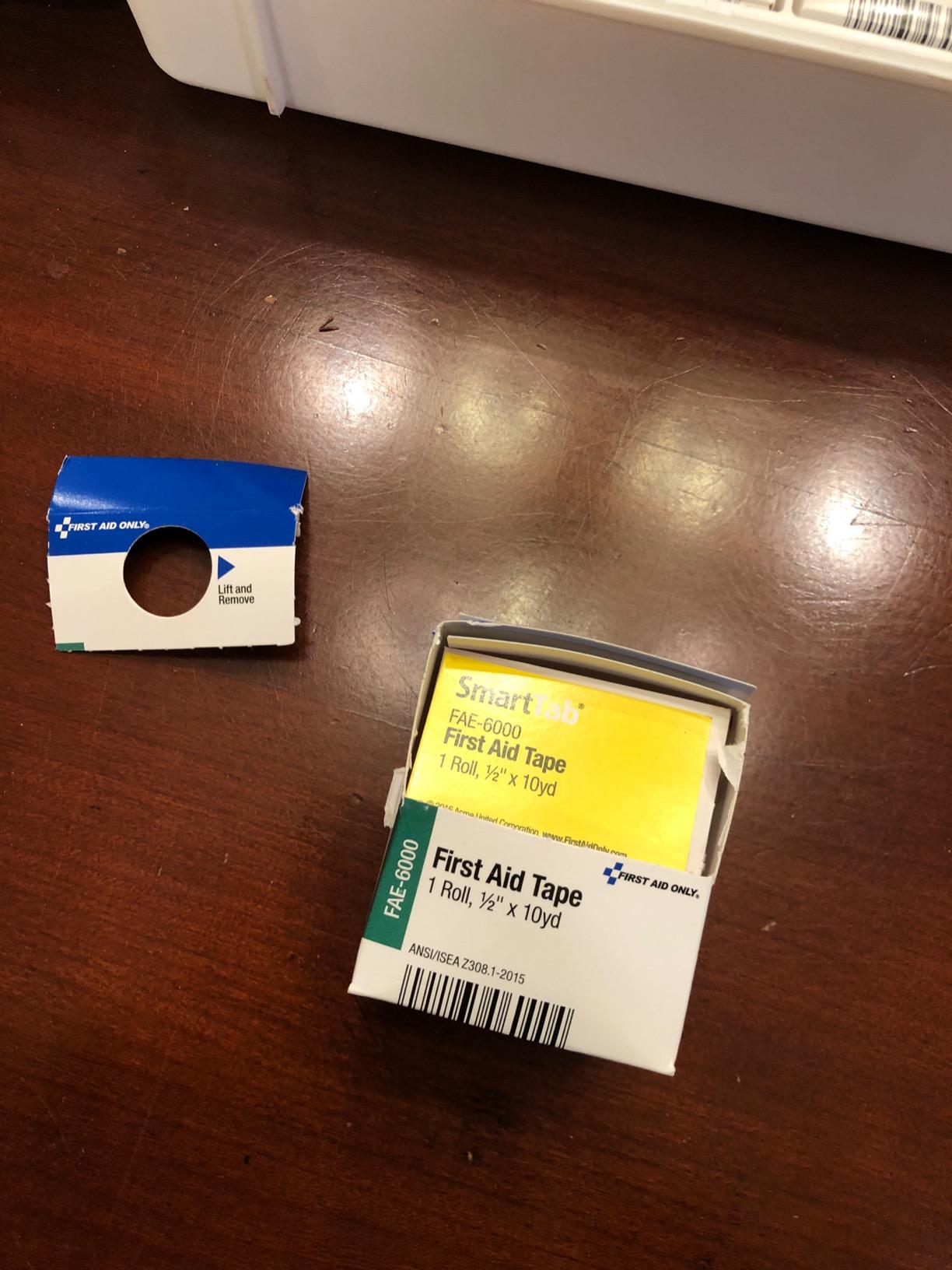
Refilling is the boring task that keeps kits compliant, and this is the kit built around making it painless. The SmartTab ezRefill system uses pre-sorted refill modules that drop into place, and the colour-coded packaging follows ANSI recommendations, so you can see at a glance which category of supply is running low.
It holds 245 pieces and is rated OSHA compliant for 50 or more people, in a wall-mountable plastic cabinet with a built-in handle and dimensions of 4.5 by 13.25 by 14.25 inches. For a shop with a moderate number of people and a rotating cast of supplies, that refill infrastructure is the most valuable part of the package.
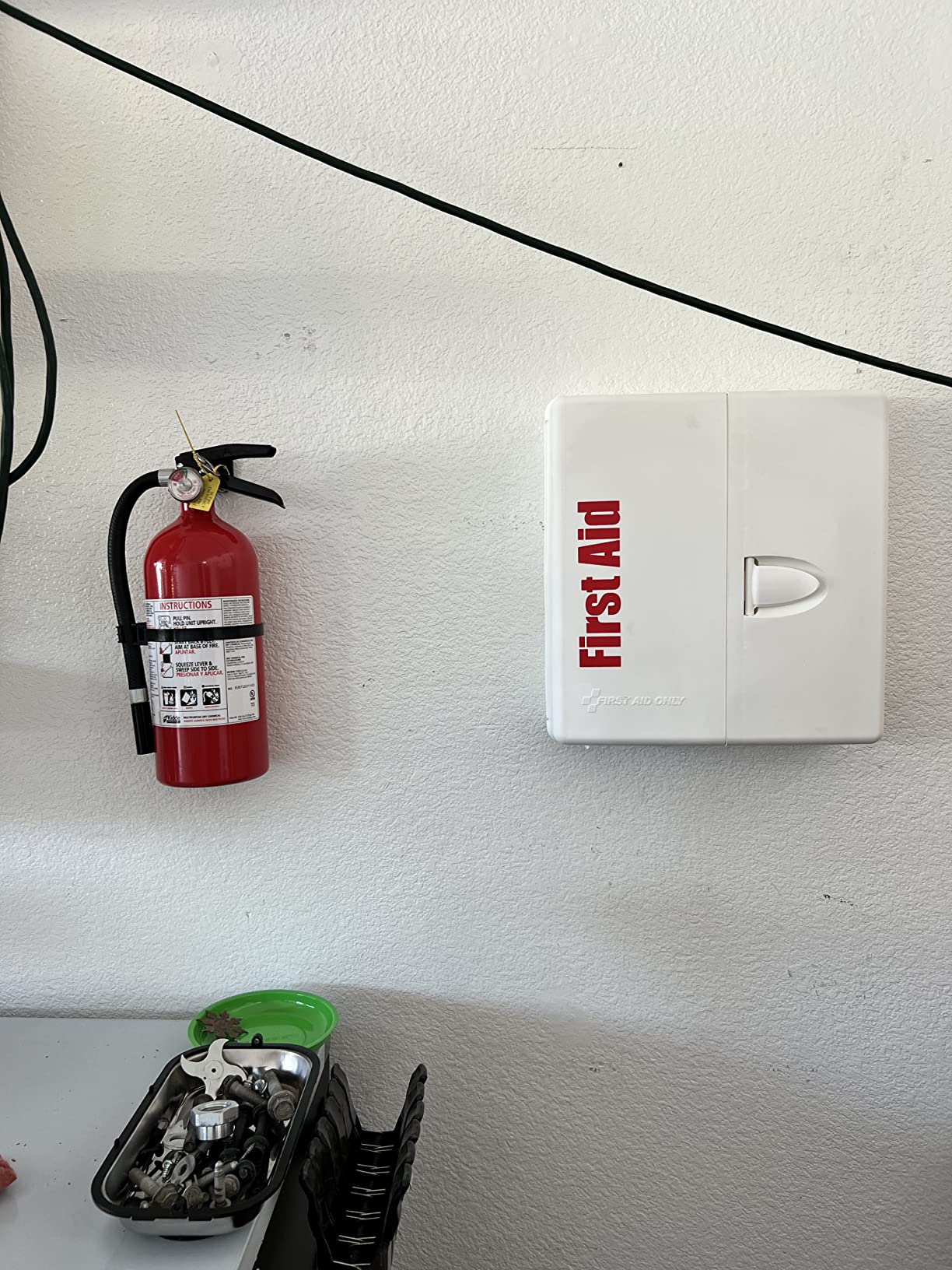
We noticed the fill is worth checking carefully. At 245 pieces for a 50-plus person rating, several reviewers point out the count is low for the stated coverage, which usually means the heavy-use items, adhesive bandages and gauze, get used faster than the case size suggests.
The other caveat is the proprietary refill requirement. That is the upside for a shop that plans to keep this cabinet for years, since refills are easy to identify and order. It is a downside for anyone who prefers to buy bulk supplies in their own preferred brands, which is a common approach among woodworkers who are particular about bandage adhesive.
The plastic cabinet can crack if impacted, and it is a wall-mounted unit, so place it where a swinging tool or hose will not hit it.
Who this kit works for
This suits a shop with several staff, a facility manager, or a business that wants documentation-friendly restocking. The colour-coded modules also make a monthly check genuinely quick, since a missing colour tells you which category needs attention.
Who should skip it
Skip it if you prefer to refill from your own bulk supplies, because the module system is tied to proprietary refills. It is also more than a solo maker needs, given the cabinet size and the 50-person rating.
9. Gevoke 500 Piece Emergency Kit: Best for Large or Busy Shops
Gevoke Professional 500 Piece Emergency First Aid Kit for Home, Car
500 pieces with labeled compartments
1680D water-resistant polyester
MOLLE compatible
Pros
- Highest piece count in this round-up
- Intelligent labeled compartments
- Water-resistant 1680D polyester bag
- Extra space for your own added supplies
Cons
- No adhesive bandages included
- Soft bag offers no crush protection
- Smaller than expected for 500 pieces
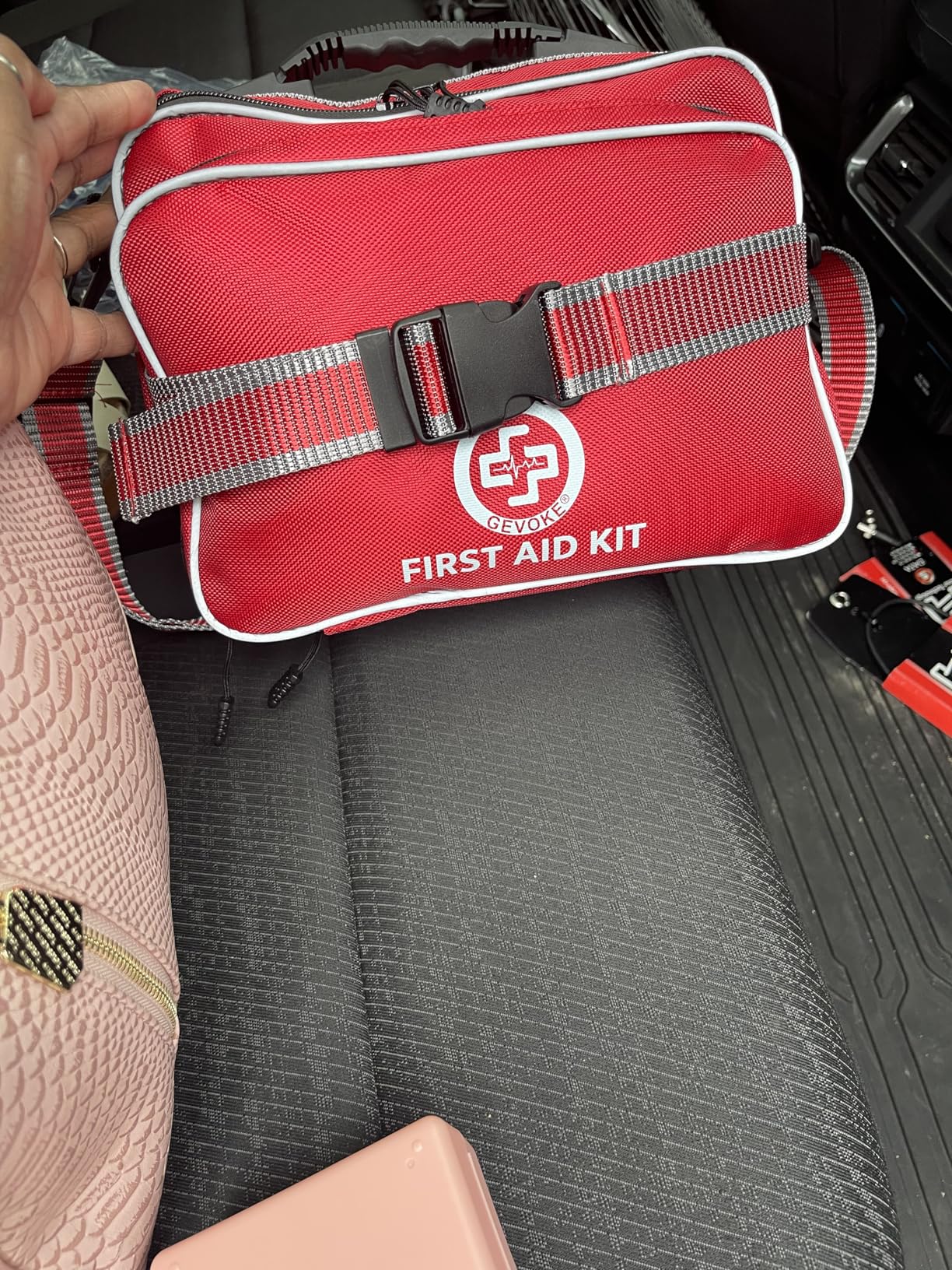
At 500 pieces this is the largest fill in the round-up, and it is aimed at a shop that treats first aid as a standing supply rather than an occasional need. The case is 1680D polyester with a waterproof ability rating, with intelligent labeled compartments, reflective strips and multiple carry handles on the top and sides.
It is MOLLE system compatible with shoulder straps and snap buckles, and the double zippered compartments include extra space for customisation. That spare room is the detail most people overlook and most shop owners appreciate, because it lets you add the shop-specific items the factory fill misses.
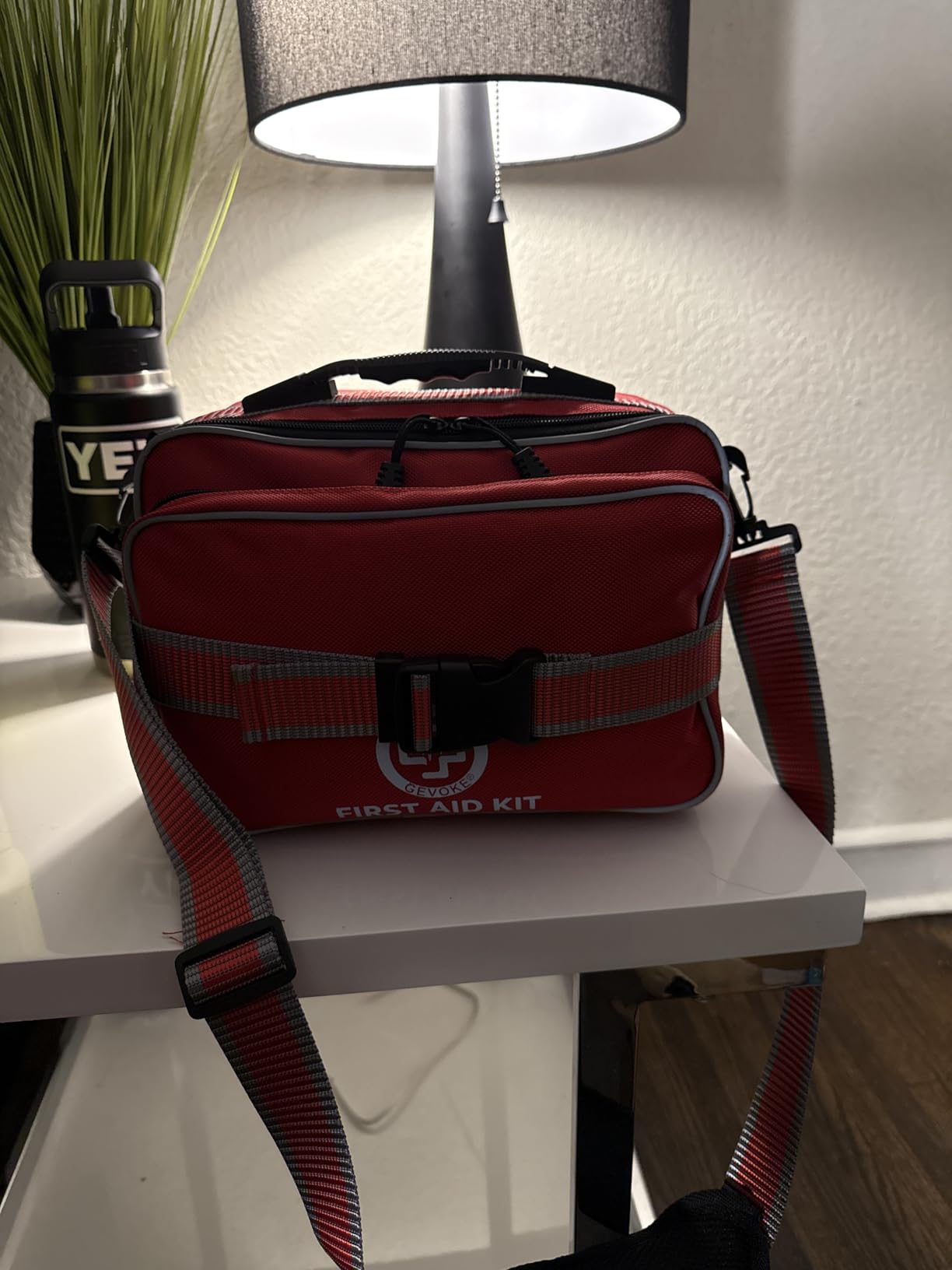
The critical issue with this kit is simple, and reviewers raise it more than any other: it does not include adhesive bandages. A 500-piece kit with no plasters is a strange gap, and you will be adding a bulk box of them before the kit goes on the shelf. Plan on buying those separately, and treat the piece count as counting many small items such as cotton applicators and tip covers.
It is also smaller than most people expect for 500 pieces, and it is a soft bag, so it needs a shelf that will not be loaded with heavy stock above it. The labelled compartments still make it one of the better kits to find things in quickly.
At 3.92 pounds it is a substantial bag to carry, so this works best as a wall or shelf kit with a mobile option rather than a daily carry.
Who this kit works for
It fits a busy shop, a fabrication space, or a community workshop that wants a deep supply base and room to add their own burn care or splinter treatment items. The expansion space and labels make it a good fit for someone who likes customising a kit rather than running it exactly as supplied.
Who should skip it
Skip it if you want a turnkey kit with nothing to buy, since you will need to add adhesive bandages yourself. It is also not the right case for a shop that stacks heavy material on its shelving, because the bag will not protect its contents.
10. Besst Survivor 265 Piece Trauma Kit: Best for Trauma Response
Professional Trauma First Aid Kit – Military-Grade Labelled Compartments & MOLLE System for Workplace, Outdoor, Car, Boat, Hurricane Emergencies 265 Piece Emergency Necessities Kits
265 pieces, trauma focused
Labeled compartments with use notes
Rip-resistant 600D polyester
Pros
- Labelled compartments include how each item is typically used
- Trauma fill covers severe wounds and fractures and burns and hypothermia
- Removable MOLLE system for packs and vehicles
- Extra space for custom items
Cons
- Focused on trauma rather than general first aid
- 600D polyester is less water-resistant than 1680D
- Can be more than a typical shop needs
This is the kit for someone who wants to be ready for the worst day, not the most likely day. It holds 265 pieces aimed at severe wounds, sprains, fractures, burns, fever and hypothermia, and the compartments are labelled with typical use explanations, so the item is identified along with the reason you would reach for it.
The removable MOLLE system lets the kit clip to a tactical backpack, a vest or a vehicle, which is why it turns up in shops belonging to people with military or field backgrounds. Those makers tend to carry trauma-oriented supplies as standard practice rather than as an exception, and this is a civilian version of that approach.
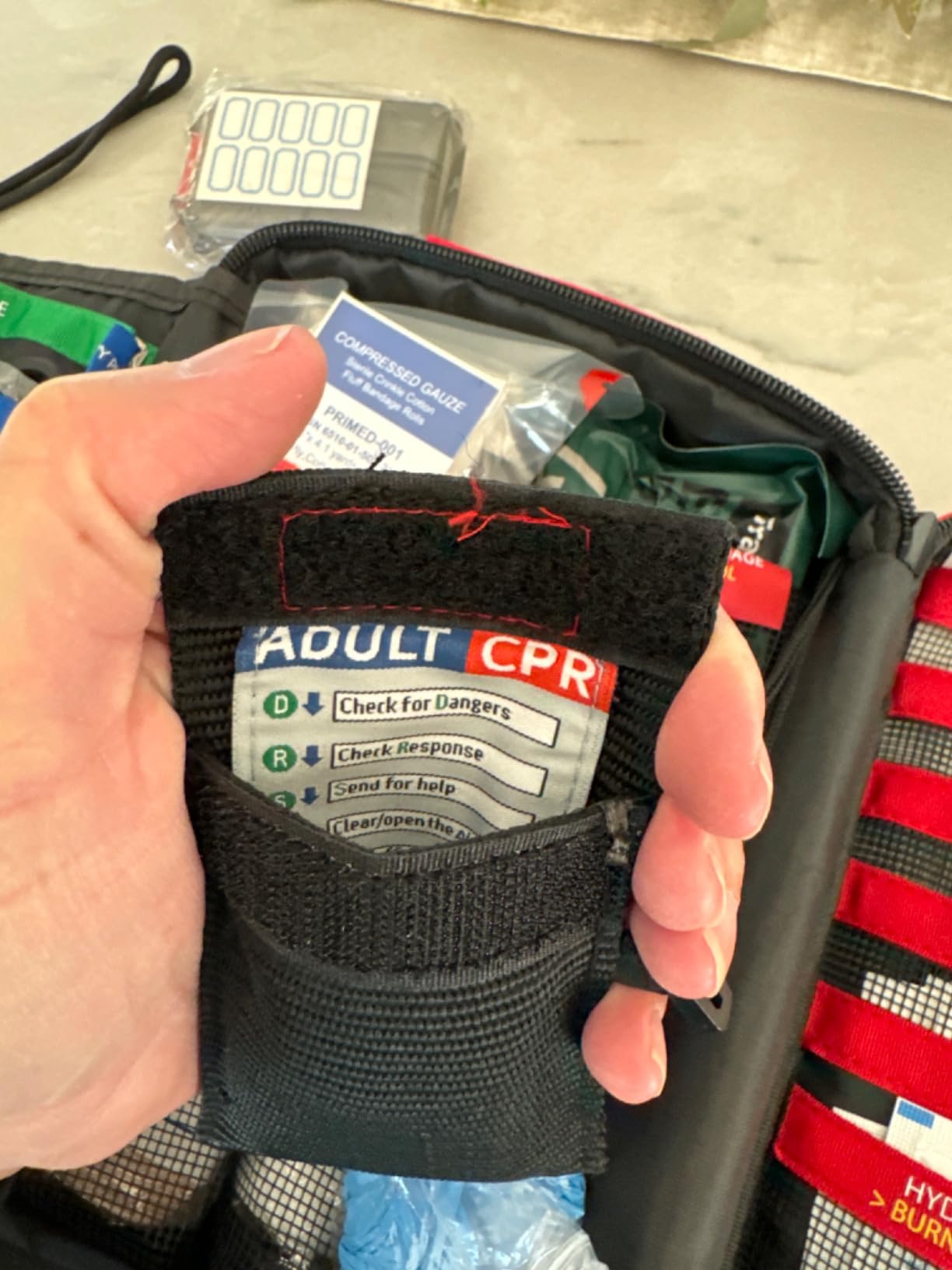
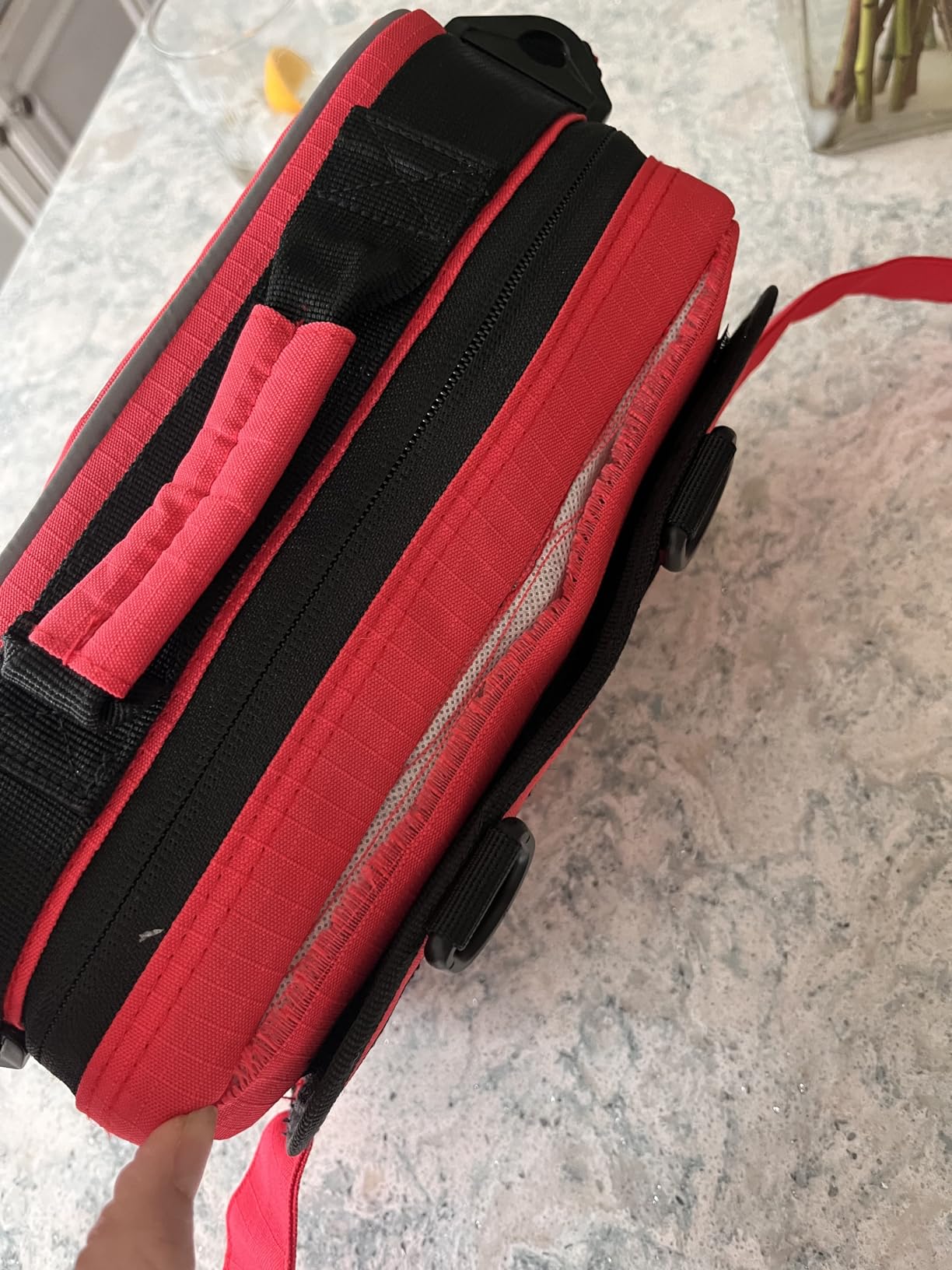
At 7.2 by 4.2 by 10 inches and 2.8 pounds, it is a genuinely portable trauma kit rather than a wall cabinet. The rip-resistant 600D polyester is durable but less water-resistant than the 1680D fabric used by the larger soft kits here, so we would keep it inside a vehicle or on a hook rather than leaving it outside.
The honest trade-off is focus. This is not a general first aid fill, so it is thinner on the small everyday items, blisters, minor cuts and paper tape, that make up most of the actual incidents in a working shop. For a shop with a single maker and a table saw, it is more than you need most days.
It makes most sense as a second kit rather than a first one, paired with a general fill mounted on the wall.
Who this kit works for
It fits makers with field or service backgrounds, outdoor or mobile workshops, and anyone running machinery where crush injuries or severe bleeding are realistic outcomes. The labelled use notes also make it a good teaching kit for a shop that runs first aid training.
Who should skip it
Skip it as your only kit, because a trauma-focused fill is a poor substitute for plasters, tape and antiseptic. It is also the wrong choice for an outdoor or wet environment where the 600D fabric would not hold up.
11. ProHeal 111 Piece ANSI Class A Type III Kit: Best Compact Portable
OSHA Compliant First Aid Kit for Car, Home & Business – 10 Person, Type III, ANSI Class A, 111 Pieces Emergency Kit for Office, Truck & Construction Site – Latex Free, Wall Mountable | ProHeal
111 pieces, ANSI Class A Type III for 10 people
Latex-free
2.76 x 5.12 x 7.87 inches, 14.39 ounces
Pros
- States ANSI Class A and Type III compliance on the spec
- Includes eye wash and burn cream with lidocaine
- Latex-free
- Compact enough for a vehicle or tool bag
- Wall mounting tabs work horizontal or vertical
Cons
- Only 111 pieces in the fill
- Plastic case is less durable
- Newer product with a shorter review history
Two details put this kit ahead of most compact options for workshop use. First, the spec sheet names ANSI Class A and Type III compliance for 10 people directly, so you are not guessing at the class from a marketing description. Second, it includes eye wash and burn cream with lidocaine, both of which are missing from plenty of the larger kits in this round-up.
Eye wash matters more in a shop than most people expect, because sawdust, grinding swarf and coating overspray all end up in eyes. At 2.76 by 5.12 by 7.87 inches and 14.39 ounces, this kit is small enough to live in a vehicle, a tool bag or a drawer, and the wall mounting tabs work in either orientation.
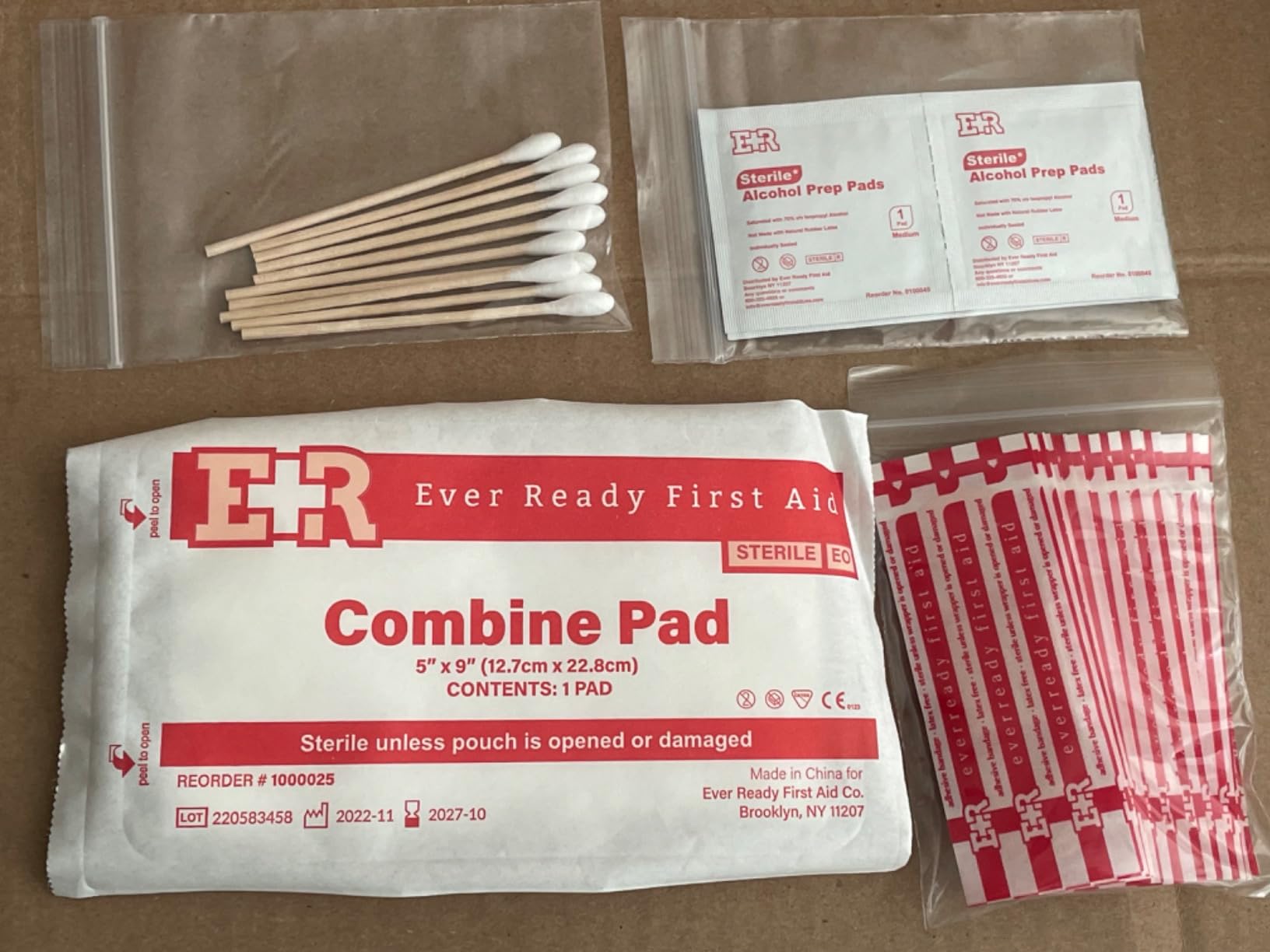
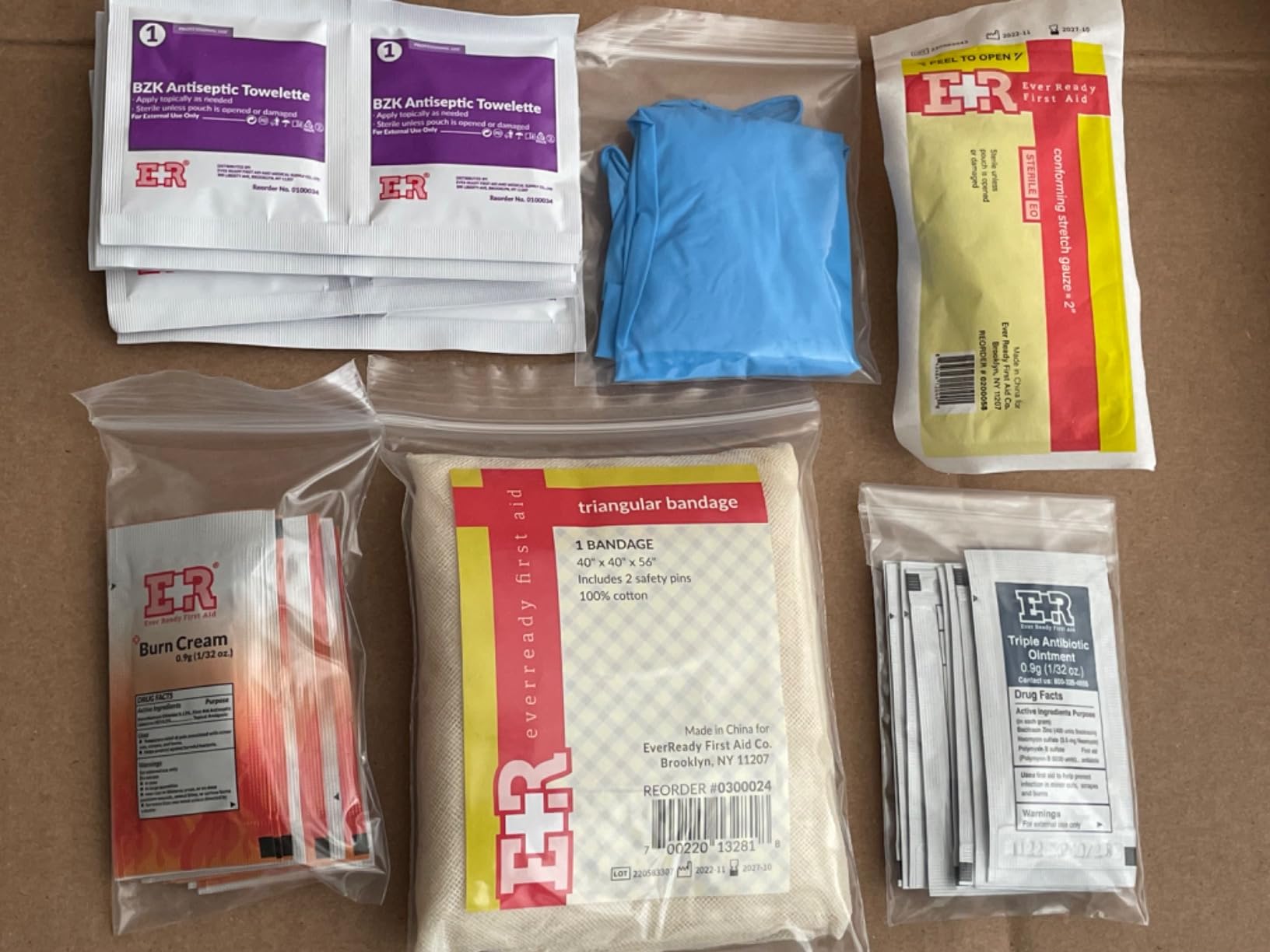
It is also latex-free, which matters in a shop where you do not know every person who might reach into the case. The bandage variety is a genuine strength, with triangular, butterfly and finger bandages alongside abdominal pads, gauze pads, sponge and roll, adhesive tape, alcohol prep pads, antiseptic cloths, triple antibiotic cream, cotton applicators, tongue blades, forceps and nitrile gloves.
What holds it back is the fill count. One hundred and eleven pieces is on the light side, and the rating is 4.6 with a shorter review history than the kits above it, so there is less long-term feedback on how the case and latches hold up over years of use. Coverage is capped at 10 people, which rules it out for a commercial crew.
There is no bleeding-control item, so it pairs naturally with a separate trauma kit in a shop that runs heavy machinery.
Who this kit works for
It suits a mobile repairer, a one-person garage, a metal fabrication shop where eye irritation is a daily complaint, or anyone who wants documented ANSI Class A Type III compliance in a small package. The eye wash and lidocaine burn cream make it a strong pairing for grinding and welding work.
Who should skip it
Skip it for a shared maker space with more than about ten regular users, since the fill will be consumed quickly. It is also not the right kit for a shop that needs a permanently visible wall station.
12. First Aid Only 746000 SmartCompliance Metal Cabinet: Best for Heavy-Duty Shops
SmartCompliance 50-Person ANSI Class A+ First Aid Cabinet
241 pieces, ANSI 2021 and OSHA compliant for 50 people
Large metal cabinet
SmartTab ezRefill system
Pros
- Built to the updated ANSI 2021 standard rather than the older revision
- Metal cabinet is more durable than plastic
- Includes medications as well as supplies
- SmartTab ezRefill system and colour-coded packaging
- Carry handle for moving the whole cabinet
Cons
- Heaviest cabinet in the round-up at 7.22 pounds
- Only 100 reviews so far
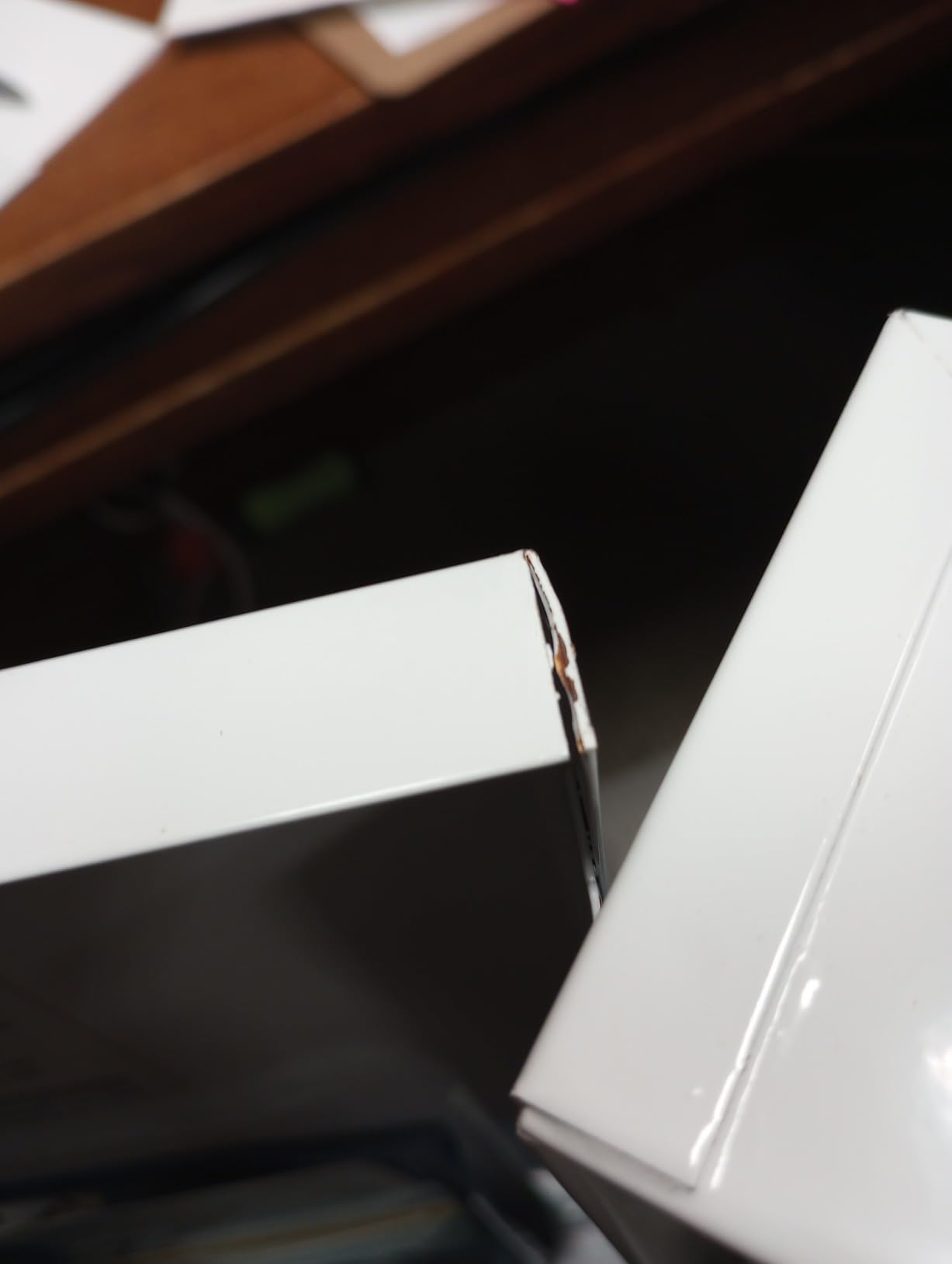
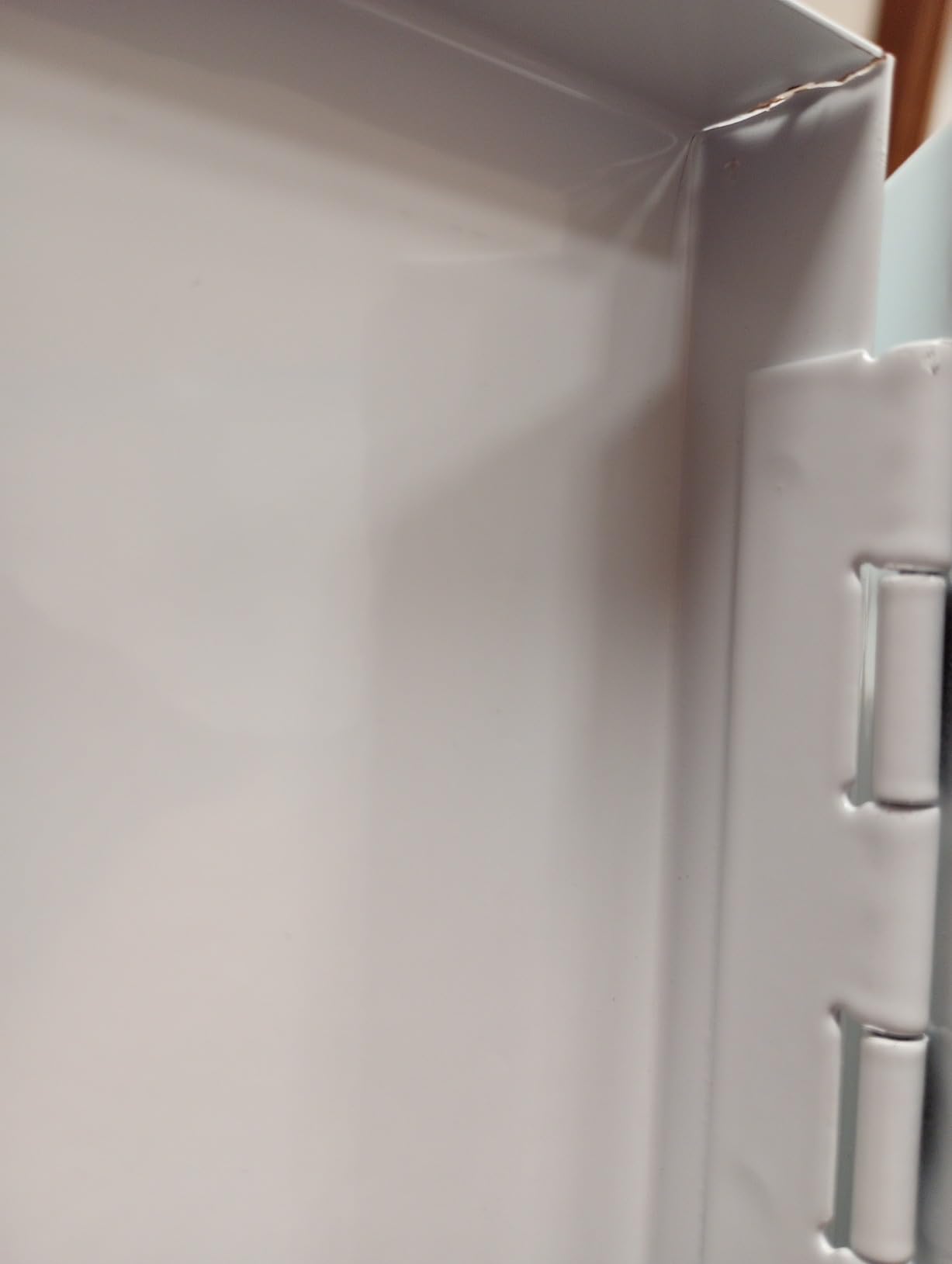
- Some cabinets arrive with cracked corners
This is the most complete compliance package in the round-up. It holds 241 pieces and is rated against the updated ANSI 2021 standard as well as OSHA for 50 or more people, in a large commercial metal cabinet that is wall-mountable and has a carry handle for transporting the whole cabinet to the scene of an incident.
Two things separate it from the other large cabinets here. It is a metal build, which is what you want in a shop with a concrete floor and metal stock. It includes medications alongside the supplies, which matters if your compliance documentation requires them.
The SmartTab ezRefill system and ANSI colour-coded packaging carry over from the rest of the SmartCompliance range, so refills are identified by category and drop into place. The dimensions are 3 by 13.5 by 14.25 inches, and at 7.22 pounds it is the heaviest kit in this list by a wide margin, which is the direct trade-off for the metal construction.
Be aware of the confidence level. Its 4.8 rating comes from 100 reviews, a much smaller sample than the other kits here, so treat the star score as promising but less proven. Some cabinets have also arrived with cracked corners despite the metal body, which points to packaging or transit handling rather than the cabinet itself.
Like every general fill in this round-up, it has no tourniquet. A shop running a saw, a press or a lathe should add one separately.
Who this kit works for
It suits an industrial facility, a multi-person metal or fabrication shop, and a business whose insurer or safety documentation requires the updated ANSI 2021 fill rather than an older revision. The metal cabinet and carry handle are the right build for a rough shop floor.
Who should skip it
Skip it for a solo maker or a home garage, where a 50-person fill will sit unused and the weight is dead cargo. It is also not the right choice if you would rather fill the cabinet with your own supplies than rely on a proprietary refill system.
How to Choose a Workshop First Aid Kit: 7 Steps
Start with the injury profile, not the piece count. Write down what actually happens in your shop. A woodshop sees splinters, kickback bruises, sawdust in the eyes and a lot of small cuts. A fabrication shop sees burns, grinding injuries, metal slivers and eye irritation. A vehicle shop sees chemical exposure and crush injuries. The kit that is right for one of those shops is wrong for the others.
Second, decide between Class A and Class B. Class A kits are intended for workplaces with a lower injury risk, and they are the minimum most small shops need. Class B kits carry a broader range and quantity of supplies for settings with a moderate or higher risk, which is a fair description of a shop running power tools. If you are choosing one kit for a workshop, a Class B fill is the safer answer.
Third, match the type to where it lives. Type I kits are mounted indoors, Type II are portable indoor kits, Type III are mobile or outdoor kits with water resistance, and Type IV are rugged portable kits. A sawdust-heavy shop is not a wet environment, but it is a place where soft fabric degrades and supplies get used, so a hard wall case beats a soft bag for the main station.
Fourth, count people but also count distance. A common misconception is that one kit per shop floor is enough, but the practical rule is proximity. If the far end of a 40-foot shop is a long walk from the only kit, add a second compact kit near that station. This is the same reasoning behind multi-location setup in larger facilities, and it matters in a shop where machines are spread out.
Fifth, look for labelled compartments rather than a bag of mixed items. Everything in this round-up that opens into clear, labelled layers is faster in an emergency than anything that requires digging, and it is also easier to inspect for missing supplies.
Sixth, check the restocking story before you buy. Kits that include a refill order form, or that use a refill module system, are far more likely to still be complete in year two than kits you assembled by hand. A close look at the refill process is the difference between a compliant kit and an empty one.
Seventh, plan for a second, smaller kit in the vehicle. Our related guides on automotive first aid kits for cars and trucks and on first aid kit deals on Amazon both cover the portable side in more detail. A shop does not stop having injuries when the work moves off-site, and a vehicle kit is a lot cheaper to replace than a wall cabinet.
While you are planning the kit, it is worth looking at the rest of the shop layout too. A first aid station next to a poorly placed tool cabinet is an accident waiting to happen, and our guides to tool cabinets for workshops and electric garage heaters for workshops cover the other two things that affect safety on a shop floor.
OSHA and ANSI Z308.1: What Class A and Class B Actually Require
OSHA 1910.151(b) requires that adequate first aid supplies be readily available where no infirmary exists, and that supplies be inspected and replenished as used. The standard OSHA points employers to for what adequate means is ANSI Z308.1, and the current revision is the 2021 edition. Two classifications in that standard drive everything you buy.
Class describes the fill level relative to workplace risk. A Class A kit serves workplaces with a lower injury risk, where the injuries expected are things like minor cuts, scrapes and first-level burns. A Class B kit carries a broader range and greater quantity of supplies, intended for workplaces with moderate or higher injury risk. The differences show up as more gauze, more bandages, more burn care and more personal protective items rather than as entirely different categories of product.
Type describes mounting and environment. Type I is a mounted indoor kit. Type II is a portable indoor kit. Type III is a mobile or outdoor kit with water resistance, and Type IV is a rugged portable kit for harsh environments. This matters in a workshop more than people expect, because sawdust and shop moisture degrade soft cases and supplies, which is exactly the degradation that the Type III and IV designations were built to handle.
On medications, note the split. Some large kits include over-the-counter medications and some do not, and forum discussions about workshop kits frequently raise the point that the included medications are often of dubious value and are frequently expired. If your compliance documentation requires them, use a kit that includes them. If it does not, a supply-only kit keeps the case focused on injuries you can actually treat.
On the question of whether an employer needs bleeding-control equipment, that is a separate decision from the ANSI kit contents. Tourniquets and hemostatic gauze are not standard fill items in the general kits above, and that is a gap worth closing in any shop where someone works alone near a saw.
Workshop Injuries and the Supplies That Treat Them
Mapping hazards to supplies is the step most round-ups skip, and it is the one that changes what you buy. Here is the mapping we use for a typical shop.
First, small cuts and abrasions from blades and sharp edges. These are the most common injuries in any shop, and they need adhesive bandages, sterile gauze pads, medical scissors, nitrile gloves and antiseptic wipes. Every kit in this round-up covers this baseline.
Second, splinters and slivers. Woodworking produces these constantly, and tweezers are the item that handles them. Very few kits list tweezers prominently, which is why checking the parts list for them is worth doing before you buy.
Third, kickback and blunt trauma from a workpiece striking a leg or an arm. This is a bruising and crush category, and the treatment is a cold pack, elastic wraps, pain relief where appropriate and, for severe cases, medical attention. Instant cold packs are the single most used item in many shop kits, and one shop owner on SawmillCreek described building his kit around a bulk case of them.
Fourth, sawdust, grinding swarf and coating overspray in the eyes. Eye wash and sterile eye pads address this, and only some of the kits in this round-up include eye wash. If you grind, sand, spray or weld, that inclusion should influence your choice.
Fifth, burns from soldering irons, hot glue, welding spatter and hot motors. Burn gel or burn cream, sterile gauze and adhesive tape cover these, and a lidocaine burn cream speeds up the discomfort.
Sixth, chemical exposure from solvents, finishes and cleaners. This needs flush supplies and gloves, and it is a reason to keep a separate vehicle or utility kit rather than relying on the shop wall cabinet.
Seventh, and most seriously, severe bleeding from table saw contact, kickback, impalement or a chainsaw. This is the category no consumer kit covers properly. It needs a tourniquet and haemostatic gauze, which is precisely why the bleeding-control picks in this round-up exist and why makers with field experience push them into shops as standard practice.
That last category is the reason the top of this list is not filled with generic kits. A plaster does not treat arterial bleeding, and a workshop is one of the places where arterial bleeding is a realistic outcome.
How Many Kits, Where to Mount Them, and How to Refill
One mounted kit plus one portable kit is the sensible baseline for almost every workshop. The mounted unit is the main station and should sit at eye level near the main work area, ideally by the exit path so someone carrying an injured person does not have to cross the shop. The portable unit lives in a vehicle or a large tool bag and covers the machines furthest from the wall cabinet.
Mount height matters more than most people think. Too high and a seated worker cannot reach it, too low and it collects floor dust and gets kicked. Between shoulder and eye height on the wall by the door is the position that shows up most often in shop advice.
Then run a monthly inspection. Open the case, confirm gauze, adhesive bandages, antiseptic wipes, burn cream, gloves and cold packs are all present, confirm nothing is expired, and confirm the latches or zips still close properly. This takes five minutes and it is the only reliable way to catch an empty compartment. Our clear-cover pick above makes this step nearly instant because you can see the contents without opening anything.
Refill immediately after any use, not at the next monthly check. A kit that had a bandage used from it on Tuesday and went back on the shelf is a kit that is quietly out of compliance by Friday. Keeping a small refill box of adhesive bandages, sterile gauze pads, nitrile gloves, antiseptic wipes and instant cold packs next to the cabinet is the cheapest way to keep this from happening.
Finally, appoint a person. A nominated first aider who knows where the kit is, who can reach it quickly, and who has been trained in bleeding control is worth more than a larger case on the wall. The training is the part people skip, and it is the part that changes outcomes.
Frequently Asked Questions
What is a highly rated first aid kit?
A highly rated first aid kit is one whose rating reflects both a high star score and a large number of reviews, because a high score on a small sample tells you very little. In workshop use, look for a 4.5 or above rating with thousands of reviews, labelled compartments, a case built for impact and dust, and a refill path so the kit is still complete a year later. The M2 BASICS 300 Piece kit in this round-up combines a 4.7 rating with nearly ten thousand reviews.
What is the best first aid box for industrial use?
For industrial use, the best first aid box is one matched to the risk level of the workplace and to where it will live. Under ANSI Z308.1, a Class B kit with a broader range and greater quantity of supplies suits a moderate or higher injury risk environment such as a workshop running power tools. A Type I mounted kit works indoors, while a Type III or Type IV kit handles mobile, outdoor or harsh environments. In practice, a metal wall-mounted cabinet with labelled compartments serves most shops best.
What is a good quality first aid kit?
A good quality first aid kit has five traits. The case is rigid or reinforced fabric rather than a thin soft bag. The interior has labelled, separated compartments so items can be found in seconds. The fill includes sterile gauze pads, medical tape, nitrile gloves, antiseptic wipes, burn cream, an instant cold pack and medical scissors. There is a documented refill route. And for a workshop, it includes a bleeding-control item such as a tourniquet. Piece count alone is not a quality signal.
What is the difference between ifak and afak?
An IFAK is an Individual First Aid Kit, intended for one person to carry and treat their own injuries, commonly worn on a belt, chest rig or vehicle. An AFAK is an Assault Force Application Kit, a larger military field kit meant to be distributed across a group so several casualties can be treated at once. For a workshop, the useful comparison is between a personal IFAK-style kit and a wall-mounted general first aid kit. Most owners end up needing both.
How many first aid kits does a workshop need?
How many first aid kits a workshop needs depends on distance rather than headcount alone. One mounted kit near the main work area is the baseline, and a second compact portable kit covers the far end of the shop or a vehicle. A good rule is that any workstation should be within a short, unobstructed walk of a kit. If the far end of the shop is a long walk from the only cabinet, add a second compact kit near that station.
Best First Aid Kits for Workshops: The Verdict
The M2 BASICS 300 Piece kit is our pick as the best first aid kit for workshops overall, because 300 pieces across 40 item types in a light, well-organised case works for almost every garage and maker space. The Be Smart Get Prepared 326 Piece kit is the better choice for a busy multi-person shop, and the First Aid Only 9302-25M is the one to mount on a rough wall in metal.
Add one thing no general kit in this round-up provides. If anyone in your shop works near a table saw, a bandsaw or a chainsaw, add a tourniquet and haemostatic gauze and have someone trained on it. That single addition covers the injury that the rest of the first aid kit cannot treat, and it is the change shop owners most often tell us they wish they had made sooner.
Whichever you pick, put it on the wall, check it monthly, and refill it the day something is used. That routine matters more than the model you choose, and it is the difference between a kit and a first aid kit. We will keep updating these picks for 2026 as new kits reach the market.