
Most engineering students end up carrying a laptop that was never designed for the software they run. That is why searching for the best laptops for engineering students gets circular fast: the spec sheets all look similar, and the advice usually collapses into “buy something with 32GB of RAM.”
Our team pulled ten of the strongest machines currently on the market and mapped each one to the workloads that actually show up in an engineering degree. We looked at processor class, memory, graphics capability, screen quality and sustained thermals, because those are the five things that decide whether a laptop survives a four-year degree.
What follows is a ranked breakdown with a clear winner, an honest look at where each machine falls short, and a mapping of majors to laptops at the end. We also cover the questions students actually ask us, like whether 32GB of RAM is overkill and whether a MacBook can run SolidWorks.
If you are still narrowing the field on hardware rather than software, our guides to the best gaming laptops for students and the best gaming laptops overall overlap with several picks here, since a discrete NVIDIA GPU does double duty for rendering and for coursework.
Top 3 Picks for Engineering Students in 2026
These three cover the widest range of engineering workloads. The MacBook Air 15 is the one most students should buy, the MacBook Pro 14 is the one to buy if your major is compute-heavy, and the Acer Nitro V 16S is the strongest Windows CAD machine in this roundup.

MacBook Air 15 M5
- Apple M5 chip
- 15.3-inch Liquid Retina display
- 16GB unified memory
- 512GB SSD
- up to 18 hours battery

MacBook Pro 14 M4 Pro
- M4 Pro 12-core CPU and 16-core GPU
- 14.2-inch XDR display
- 24GB unified memory
- 512GB SSD

Acer Nitro V 16S AI
- Ryzen 7 260
- RTX 5060 with 8GB GDDR7
- 32GB DDR5
- 1TB Gen 4 SSD
- 16-inch 180Hz 100 percent sRGB
The category split matters here. If your major is mechanical, civil, aerospace or architectural, the Windows machines below are the practical choice because the core CAD and FEA packages do not run natively on macOS. If your major is computer science, software, electrical or industrial, the two Apple picks handle nearly everything you will do, and they are far easier to carry between buildings.
10 Best Laptops for Engineering Students (October 2026)
Every pick below is in this table with the specifications that matter most for engineering work. Prices change constantly, so use the buttons on each product to see current availability.
| Product | Specs | Action |
|---|---|---|
| Apple MacBook Air 15 M5 |
|
Check Latest Price |
| Apple MacBook Pro 14 M4 Pro |
|
Check Latest Price |
| Acer Nitro V 16S AI |
|
Check Latest Price |
 Lenovo Legion 5 Pro 16 Lenovo Legion 5 Pro 16 |
|
Check Latest Price |
 Acer Swift Go 14 Acer Swift Go 14 |
|
Check Latest Price |
 ASUS Zenbook 14 OLED ASUS Zenbook 14 OLED |
|
Check Latest Price |
 Lenovo IdeaPad Pro 5 16 Lenovo IdeaPad Pro 5 16 |
|
Check Latest Price |
 Lenovo Legion 5 OLED 15.1 Lenovo Legion 5 OLED 15.1 |
|
Check Latest Price |
 GIGABYTE Gaming A16 GIGABYTE Gaming A16 |
|
Check Latest Price |
 HP Victus 15.6 HP Victus 15.6 |
|
Check Latest Price |
1. Apple MacBook Air 15-inch M5 – Best Overall for Most Engineers
Apple 2026 MacBook Air 15-inch Laptop with M5 chip: Built for AI, 15.3-inch Liquid Retina Display, 16GB Unified Memory, 512GB SSD, 12MP Center Stage Camera, Touch ID, Wi-Fi 7; Midnight
Apple M5 chip
15.3-inch Liquid Retina
16GB unified memory
512GB SSD
3.32 pounds
Pros
- Up to 18 hours of stated battery life
- Silent fanless operation
- Large 15.3-inch display at a portable 3.32 pounds
- Excellent keyboard and trackpad
- Wi-Fi 7 and two Thunderbolt 4 ports
Cons
- 16GB unified memory is fixed and not upgradeable
- 512GB SSD fills quickly with project files
- Midnight finish shows fingerprints readily
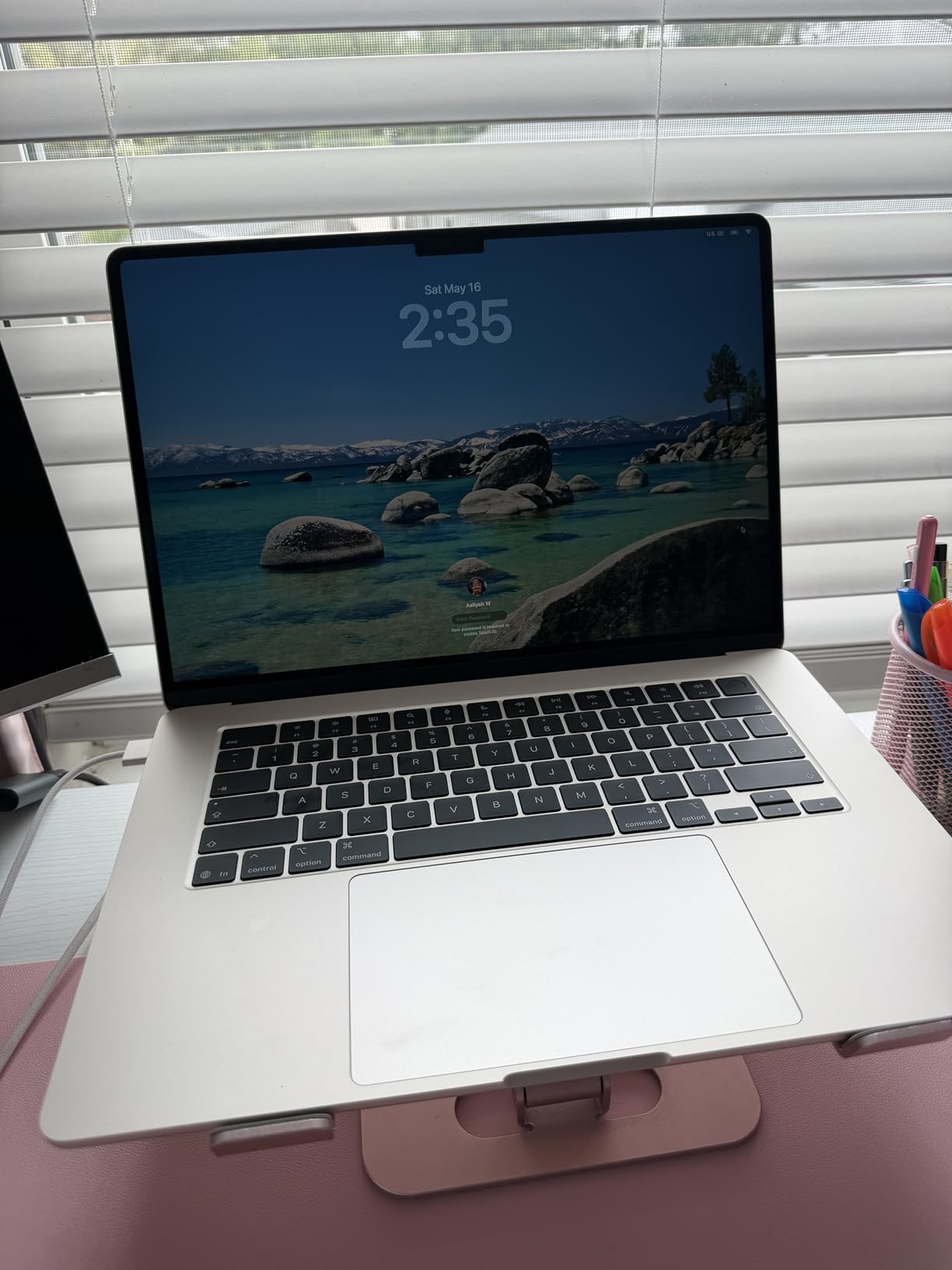
This is the laptop we would hand to an engineering student with no major-specific software requirements. The 15.3-inch Liquid Retina panel gives you a proper drafting canvas, and at 3.32 pounds it is one of the few larger-screen machines you will not resent carrying between buildings all day.
The M5 chip runs completely silent because there is no fan. That matters more in a lecture hall or a library than the spec sheet implies. Owners consistently report that performance holds steady on battery, which removes the anxiety of hunting for an outlet before a deadline.
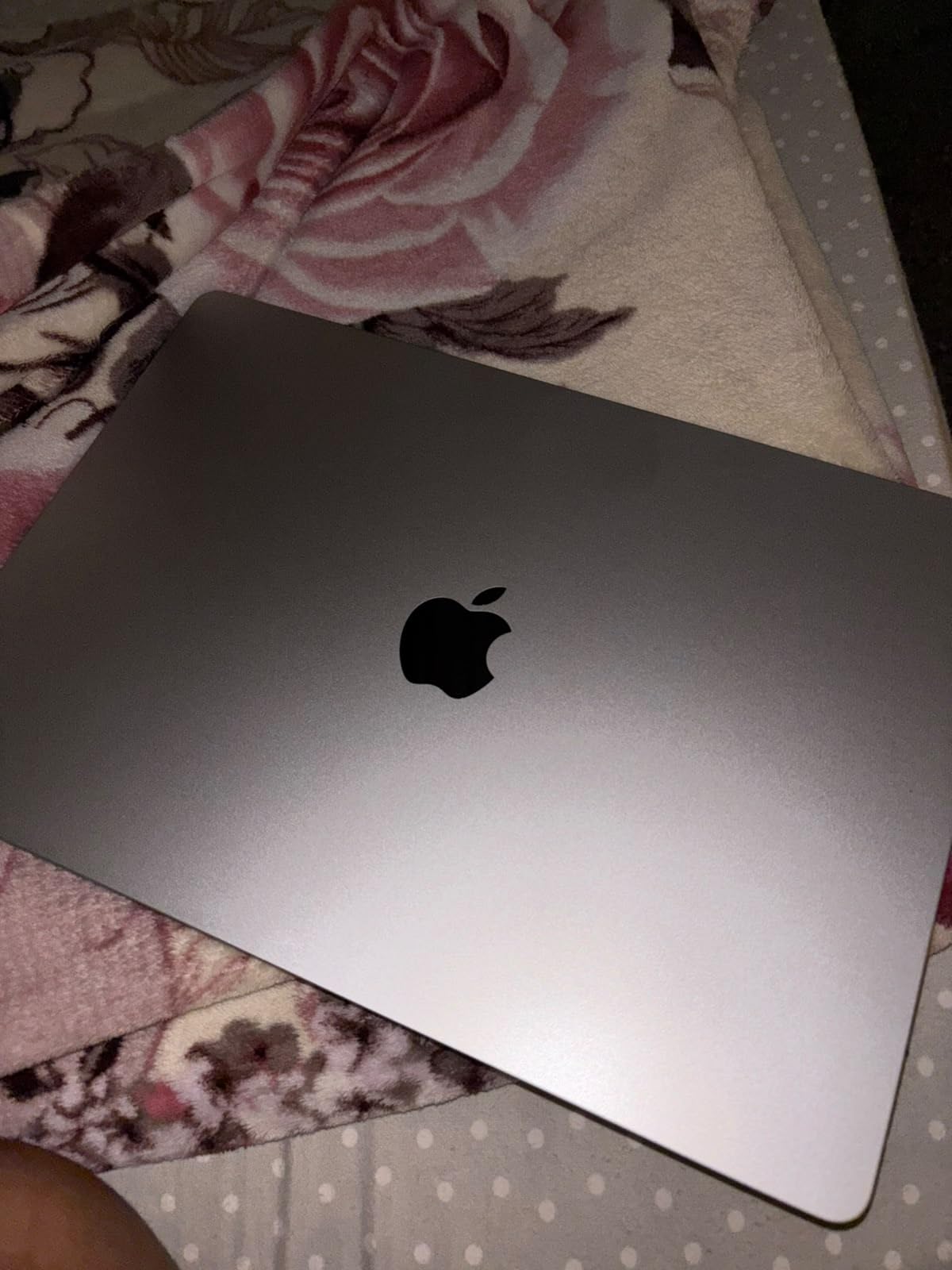
For computer science, software, electrical and industrial majors this is close to ideal. Code compilation is fast, MATLAB runs natively, simulators run natively, and you get a machine that lasts a working day and a half on one charge according to its published figures.
The honest catch is that nothing inside is upgradeable. Sixteen gigabytes of unified memory and a 512GB SSD are fixed at purchase, and Apple does not sell component upgrades. If your major involves large finite element models or multi-gigabyte datasets, buy the larger storage configuration at checkout rather than planning an upgrade later.
Who the MacBook Air 15 suits
Computer science, software engineering, electrical and industrial students get the most out of this machine. The long battery life, silent operation and strong port selection make it the machine that disappears into your routine rather than dominating it.
Civil and architectural students doing light BIM work will also enjoy the display quality, particularly the color accuracy for presentation work and rendering previews.
Who should skip it
Mechanical and aerospace students running SolidWorks assemblies or ANSYS meshes with hundreds of thousands of nodes should look at the Windows machines with discrete NVIDIA graphics instead. The Apple Silicon GPUs are capable, but the engineering software itself is the limiting factor, not the hardware.
Anyone who expects to upgrade memory in year three should also skip it. Soldered unified memory cannot be changed.
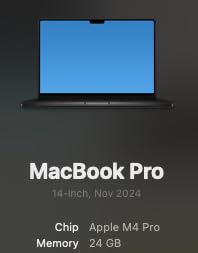
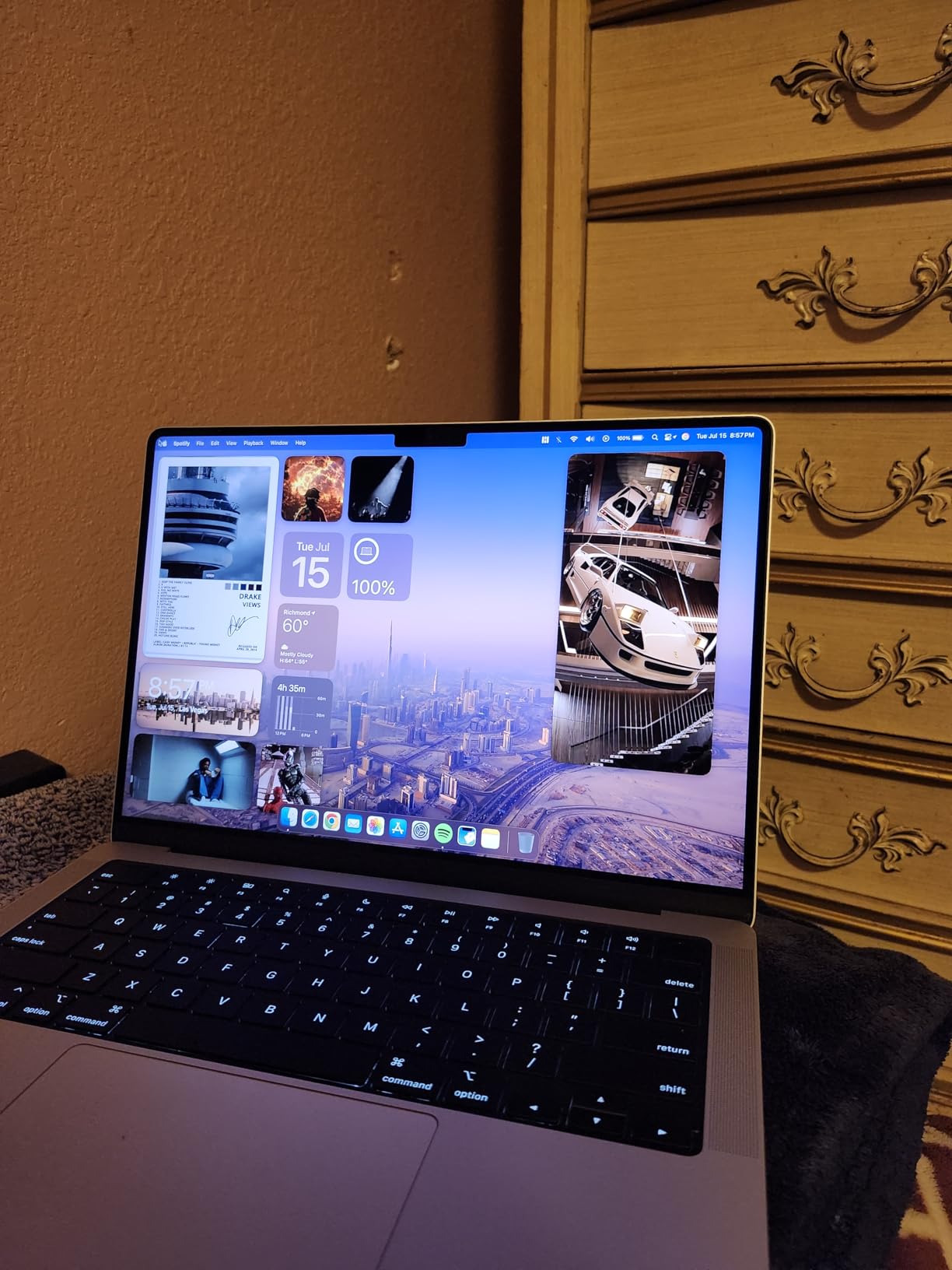
2. Apple MacBook Pro 14-inch M4 Pro – Best for Heavy Compute
Apple 2024 MacBook Pro Laptop with M4 Pro, 12‑core CPU, 16‑core GPU: Built for Apple Intelligence 14.2-inch Liquid Retina XDR Display, 24GB Unified Memory, 512GB SSD Storage; Space Black
M4 Pro 12-core CPU and 16-core GPU
14.2-inch XDR at 1600 nits
24GB unified memory
512GB SSD
3.52 pounds
Pros
- Very fast under demanding multi-app loads
- Exceptionally bright and color-accurate XDR display
- Silent fanless operation with no performance drop on battery
- Premium build with excellent keyboard and trackpad
Cons
- 512GB storage is modest for large datasets
- Space Black finish smudges easily
- Requires an adjustment period if you are switching from Windows
This is the compute pick of the roundup. The 12-core CPU and 16-core GPU inside the M4 Pro chew through compilation, simulation and rendering workloads that make a typical thin-and-light machine stall, and the 24GB of unified memory gives you headroom that 16GB configurations simply do not have.
The 14.2-inch Liquid Retina XDR display hits up to 1600 nits at peak, which makes it the best screen in this group for reviewing shaded models and detailed drawings in a bright room. Owners single out the color accuracy as much as the brightness.
Battery behavior is the standout feature. Because the machine is fanless, it delivers identical performance on battery and on mains power, so a long simulation does not slow down when you unplug. Several owners report multi-day endurance on light workloads.
You pay for that consistency in weight and in storage. At 3.52 pounds it is heavier than the 15-inch Air despite the smaller screen, and the base 512GB SSD fills quickly once a project library grows. Plan your storage from the start.
Who the MacBook Pro 14 suits
Students running MATLAB, Python data workloads, large codebases, virtual machines and containerised development environments get the most from this machine. The 24GB memory figure is the number that makes the difference in those workloads.
Third-year and fourth-year students who have already settled on a major benefit from the headroom, because heavier software arrives later in a degree rather than in year one.
Who should skip it
If your curriculum includes Windows-only packages such as SolidWorks, ANSYS, Creo or AutoCAD, this machine introduces friction. The hardware is not the problem; the software ecosystem is. Engineering students on those majors consistently report that macOS compatibility gaps outweigh the hardware gains.
Students on a tight budget should note that a smaller storage option is cheaper here too, and adding capacity later is not possible.
3. Acer Nitro V 16S AI – Premium Pick Windows CAD Machine
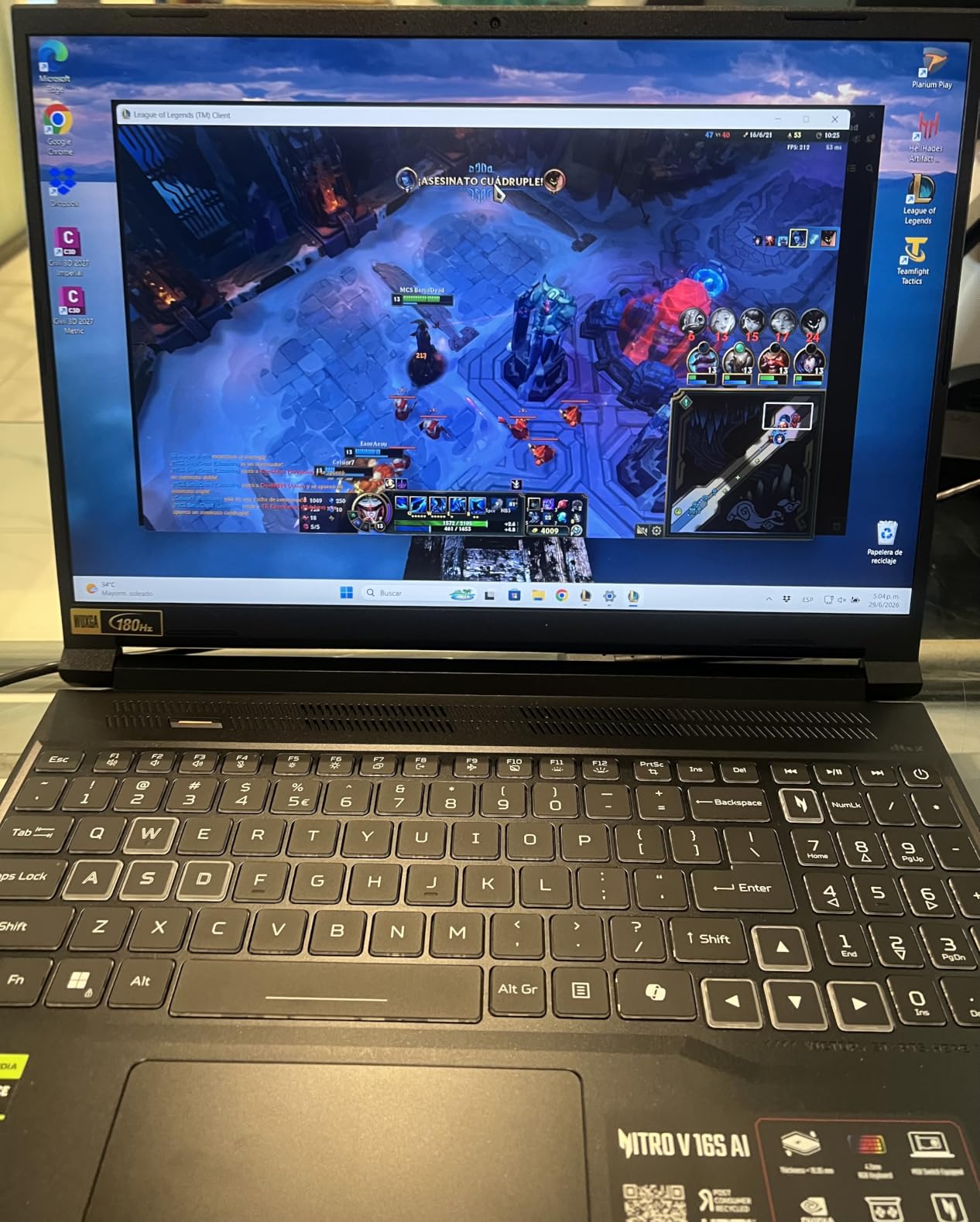
Acer Nitro V 16S AI Gaming Laptop | AMD Ryzen 7 260 Processor | NVIDIA GeForce RTX 5060 Laptop GPU (572 AI Tops) | 16″ WUXGA IPS 180Hz Display | 32GB DDR5 | 1TB Gen 4 SSD | Wi-Fi 6 | ANV16S-41-R2AJ
Ryzen 7 260 with 8 cores
RTX 5060 with 8GB GDDR7
32GB DDR5
1TB Gen 4 SSD
4.6 pounds
Pros
- RTX 5060 handles simulation and rendering work
- 32GB DDR5 and 1TB SSD ship as standard
- 16-inch 180Hz 100 percent sRGB display
- HDMI 2.1 and multiple USB ports for lab peripherals
Cons
- 4.6 pounds is heavy for daily campus carry
- Chassis runs warm and fans are audible under sustained load
- 1920 x 1200 IPS panel rather than a higher resolution
This is the machine we recommend for mechanical and civil engineering students who want a discrete GPU without moving up to a true mobile workstation. The RTX 5060 with 8GB of GDDR7 is the sweet spot for 3D assemblies and rendering at this class of machine, and the Ryzen 7 260 handles the surrounding workload well.
The memory configuration is the real headline. 32GB of DDR5 and a 1TB PCIe Gen 4 SSD are standard, which means the two specs most likely to limit you in four years are already handled on day one. There is a second M.2 slot available if you need more storage later.
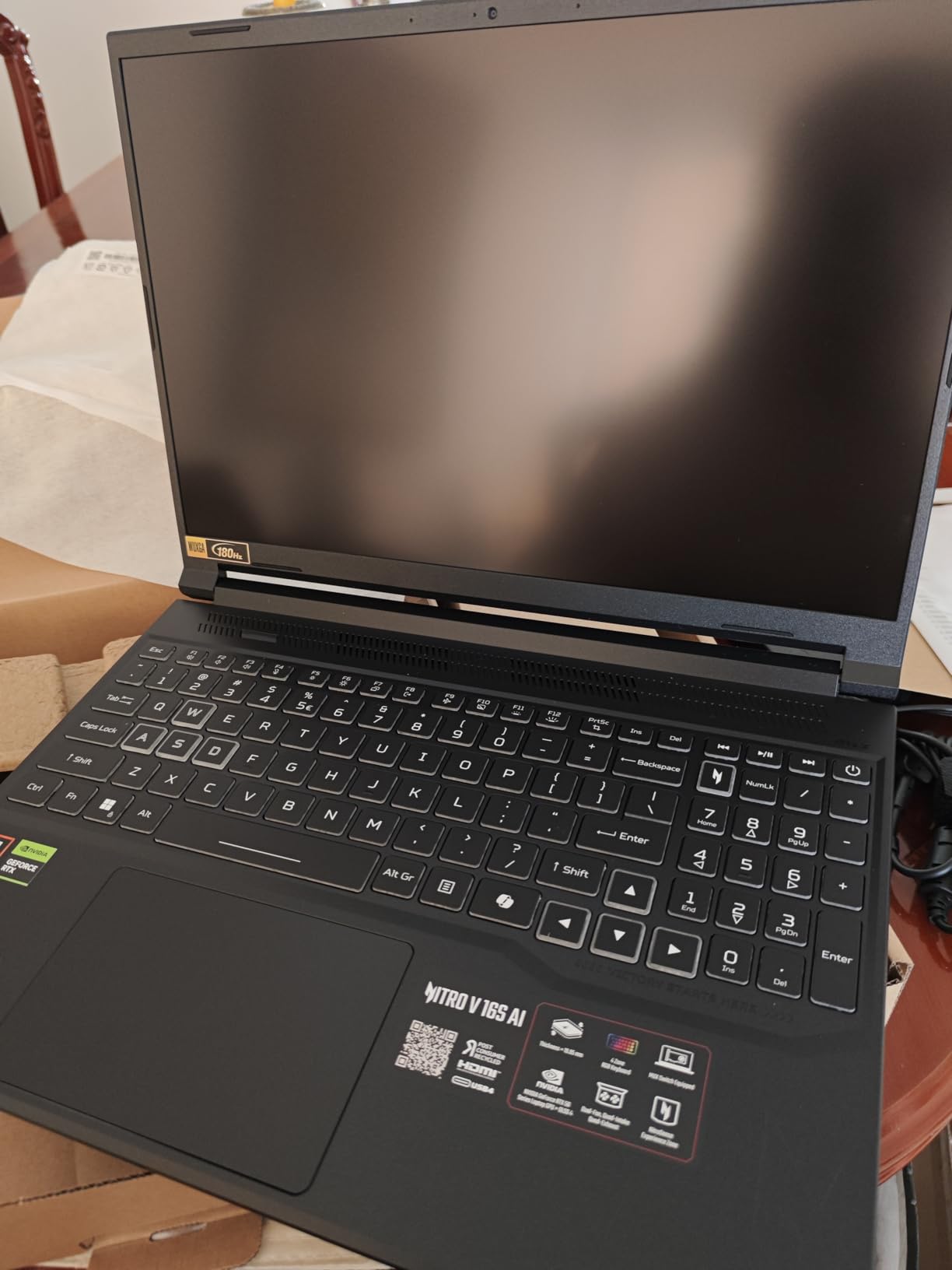
The 16-inch 1920 x 1200 IPS panel runs at 180Hz with full sRGB coverage. That refresh rate is not important for CAD, but the color coverage and the room you get for toolbars are, and this screen gives you both without the glare problems of a glossy panel.
The compromises are physical. At 4.6 pounds it is a two-machine-carry, and under a sustained rendering or simulation load the chassis runs warm with audible fans. Students who work in quiet libraries should factor that in.
Who the Nitro V 16S suits
Mechanical, civil, aerospace and architectural students get exactly what their software needs: a current-generation discrete GPU, 32GB of memory and a full-size screen. The port selection, including HDMI 2.1 and Ethernet, also suits lab benches with external instruments.
The backlit numeric keypad is a small detail that students doing spreadsheet-heavy coursework or numeric entry in MATLAB appreciate daily.
Who should skip it
Students who carry their laptop every single day should be honest about the weight. A lighter machine with integrated graphics will serve a civil or computer science student better than this one will.
Memory on this configuration is capped at 32GB, so students expecting to run very large simulations alongside a virtualized development environment should plan around that ceiling.
4. Lenovo Legion 5 Pro 16 – Best for GPU-Heavy Simulation
Lenovo Legion 5 Pro 16ACH6H 16″ Laptop AMD Ryzen 7 5800H NVIDIA GeForce RTX 3070 16GB Ram 1TB SSD W11H
Ryzen 7 5800H 8C 16T
RTX 3070 8GB GDDR6 at 140W
16-inch 2560x1600 165Hz matte
1TB NVMe SSD
two M.2 slots
Pros
- RTX 3070 delivers real headroom for CAD and 3D modeling
- Bright 165Hz matte 500-nit display with vivid colors
- Well-regarded RGB backlit keyboard with numeric keypad
- Dual fans stay reasonable under sustained load
- Two M.2 slots for storage expansion
Cons
- Weak battery life when running heavy workloads off charger
- Bulky 300W power brick is easy to snag
- Some users report periodic driver or AMD PSP stutter
- Heavier than most ultraportables
If raw GPU throughput is your deciding factor, the RTX 3070 in this machine is the most capable discrete card in this roundup. At 140W TGP it sustains performance under long loads, which is exactly the behaviour you want when a finite element solve or a path-traced render takes twenty minutes.
The 16-inch 2560 x 1600 matte panel at 165Hz and 500 nits is a genuine advantage for design work. The matte finish means you can work next to a window without fighting reflections, which glossy panels on some competing machines make difficult.
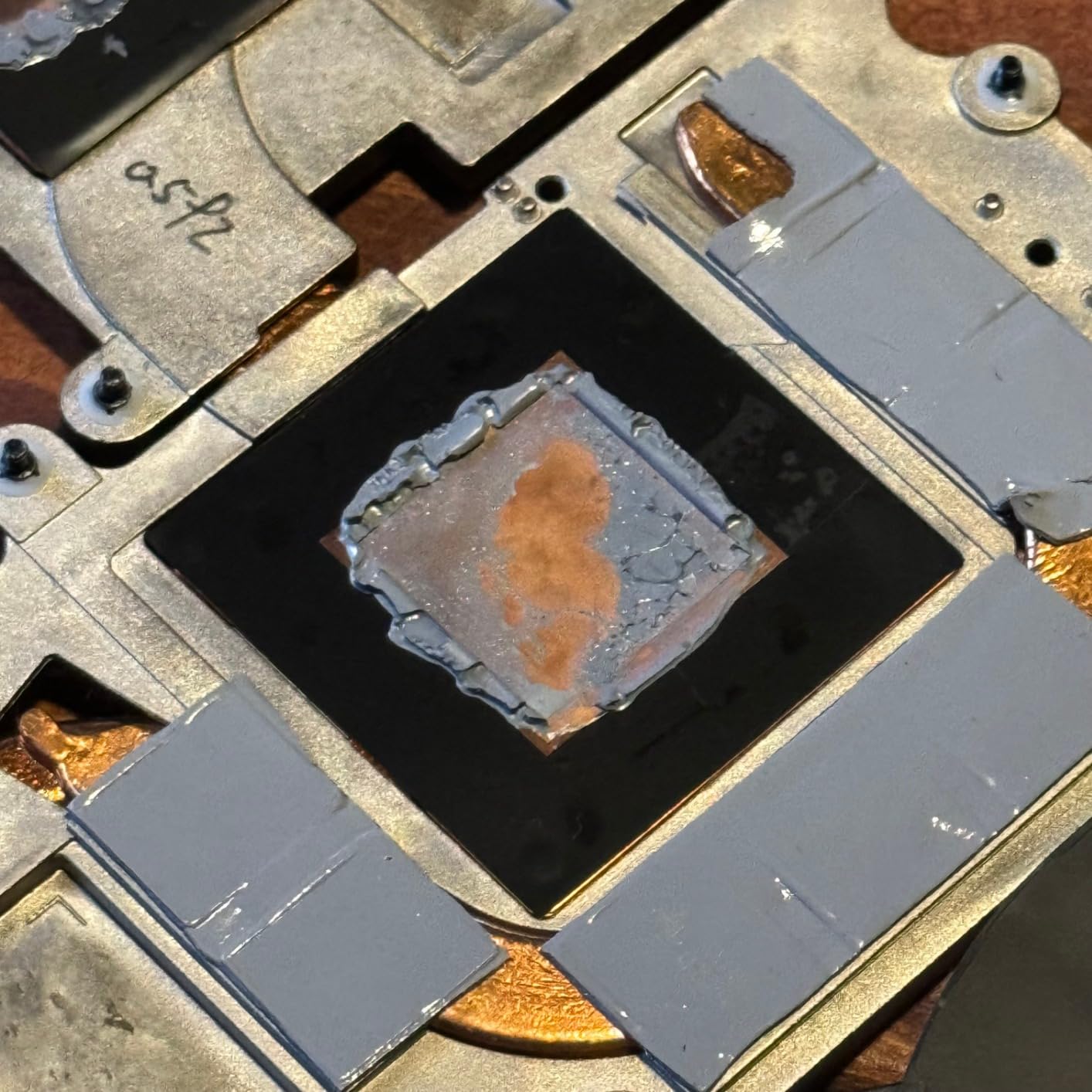
Owners who have owned this machine for a while single out the cooling. The dual-fan setup with silent settings stays reasonable even during sustained rendering, which separates it from the laptops that throttle visibly within ten minutes.
Battery life is the weak point. With an 80Whr pack and a 140W graphics card, heavy use away from a charger is short. The 300W power brick is also substantial and worth planning bag space for. Some users report periodic driver or AMD PSP related stutter that a BIOS setting resolves, and there are isolated reports of early GPU failures that warrant keeping your purchase protection.
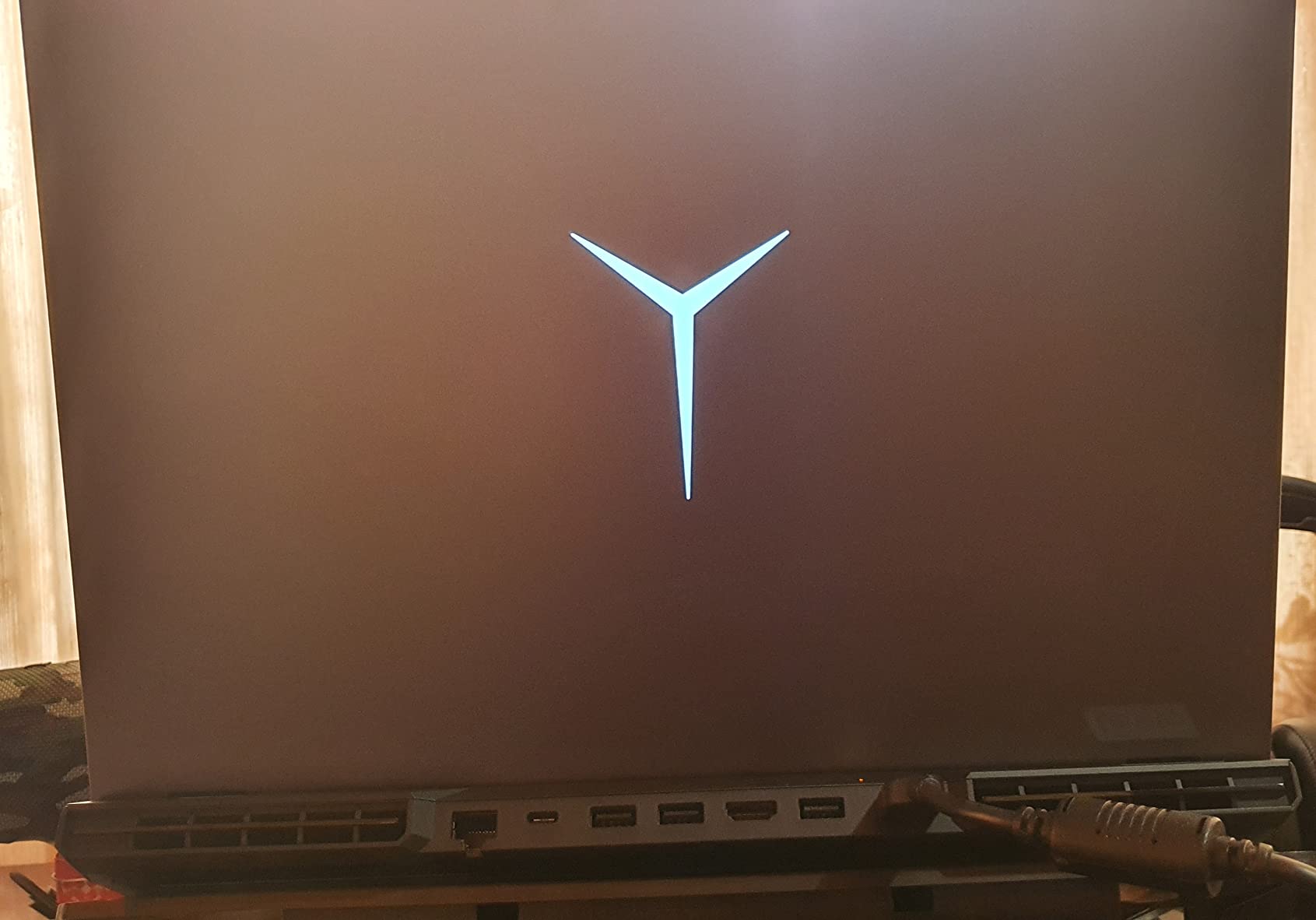
Who the Legion 5 Pro 16 suits
Mechanical and aerospace students running dense assemblies, structural simulation or rendering will find this machine has more headroom than anything else here. The two M.2 slots also make storage expansion trivial when project libraries outgrow 1TB.
The keyboard is widely regarded as the best in this roundup, which matters if you are typing code or writing reports for four years rather than two.
Who should skip it
Anyone whose day involves moving between buildings all day should skip it. The combination of weight, short battery life and a large charger is the classic gaming-laptop tax.
Students who need to travel for a semester or work from a remote site without reliable power will find the endurance limiting.
5. Acer Swift Go 14 – Best for Portability
Acer Swift Go Intel Evo Thin & Light Premium Laptop 14″ 1920×1200 100% sRGB Touch Screen Display Intel Core i7-1355U Intel Iris Xe 16GB LPDDR5 512GB Gen 4 SSD SFG14-71T-72QV
Core i7-1355U 10 cores
16GB LPDDR5 at 6400MHz
512GB Gen 4 SSD
14-inch 120Hz IPS touchscreen
2.76 pounds
Pros
- 2.76-pound aluminum chassis that is easy to carry all day
- Battery life frequently reported at a full workday on one charge
- Dual Thunderbolt 4 and USB4 ports plus HDMI 2.1
- Bright 1920x1200 touchscreen with strong color accuracy
- 1440p QHD webcam with AI noise reduction
Cons
- 16GB LPDDR5 memory is soldered and cannot be upgraded
- Iris Xe integrated graphics will not handle GPU-intensive simulation
- Touchscreen does not fold into tablet mode
- 43Whr battery is small for the class
The Swift Go 14 is the pick for students who carry a laptop every day and do not need a discrete GPU. At 2.76 pounds and 0.59 inches thick it disappears into a bag, and owners most often mention battery life first, frequently reporting a full working day on a single charge.
The 13th Gen Core i7 with 10 cores is genuinely quick for coursework, and the port selection surprises people: two USB-C ports with Thunderbolt 4 and USB4 at up to 100W of power delivery, two USB-A ports, HDMI 2.1 and a microSD reader. That is more than most ultraportables of this size offer.
The 14-inch 1920 x 1200 IPS touchscreen runs at 120Hz with full sRGB coverage and 0.3-inch bezels, so the usable screen is larger than the dimensions suggest. A 1440p QHD webcam with noise reduction is a genuine upgrade over the 720p sensors that are standard at this size.
There is also an undocumented second M.2 slot, so storage can be expanded even though memory cannot. TwinAir dual-fan cooling keeps thermals manageable. A small number of owners have reported screen flickering or chassis warp, so inspect the unit on arrival.
Who the Swift Go 14 suits
Civil, electrical and computer science students who mostly write reports, draw 2D plans and write code get a machine that is light enough to carry and lasts long enough to skip the charger. Electrical students running circuit simulation and SPICE tools fall squarely in this group.
Students on a tight budget also get a lot from this machine, because the specification per unit of cost is strong.
Who should skip it
Mechanical and structural students should skip it. Iris Xe integrated graphics share system memory and will stall on 3D assemblies and finite element meshes. That is a hardware ceiling, not a settings change.
Anyone planning to run a virtual machine cluster or a large local dataset should note that the 16GB of LPDDR5 memory is soldered and capped at 16GB.
6. ASUS Zenbook 14 OLED – Best for Lecture Notes
ASUS Zenbook 14 OLED 2026 Business Laptop 14″ WUXGA Touchscreen 16-Core Intel Ultra 7155H 16GB LPDDR5 1TB SSD Intel ARC Graphics Thunderbolt 4 Wi-Fi 6E Backlit Keyboard Win11 Home w/ONT 32GB USB
Intel Core Ultra 7 155H 16 cores
14-inch 1920x1200 OLED touchscreen
16GB LPDDR5
1TB NVMe SSD
2.8 pounds
Pros
- 2.8-pound chassis at 0.59 inches thin
- 500-nit OLED touchscreen with 100 percent DCI-P3 coverage
- 16-core processor handles heavy multitasking
- Two Thunderbolt 4 ports plus HDMI 2.1
- 75Whr battery rated for up to 12 hours of non-gaming use
Cons
- Intel Arc integrated graphics with no discrete GPU
- 16GB LPDDR5 memory is soldered
- 60Hz display refresh rate is lower than alternatives
- A minority of reviews report quality control issues
The Zenbook 14 is built around the touchscreen, which makes it the best choice here for students who handwrite notes or sketch diagrams in lectures. The 14-inch 1920 x 1200 OLED panel covers 100% of DCI-P3 at 500 nits, so what you draw and what you see in a later render will look similar.
The Core Ultra 7 155H provides 16 cores and 22 threads, which is more parallelism than any other chip in this roundup at this class of weight. It handles multitasking across a browser, an IDE and a simulation tool without the stutter that a dual-core-class ultrabook would show.
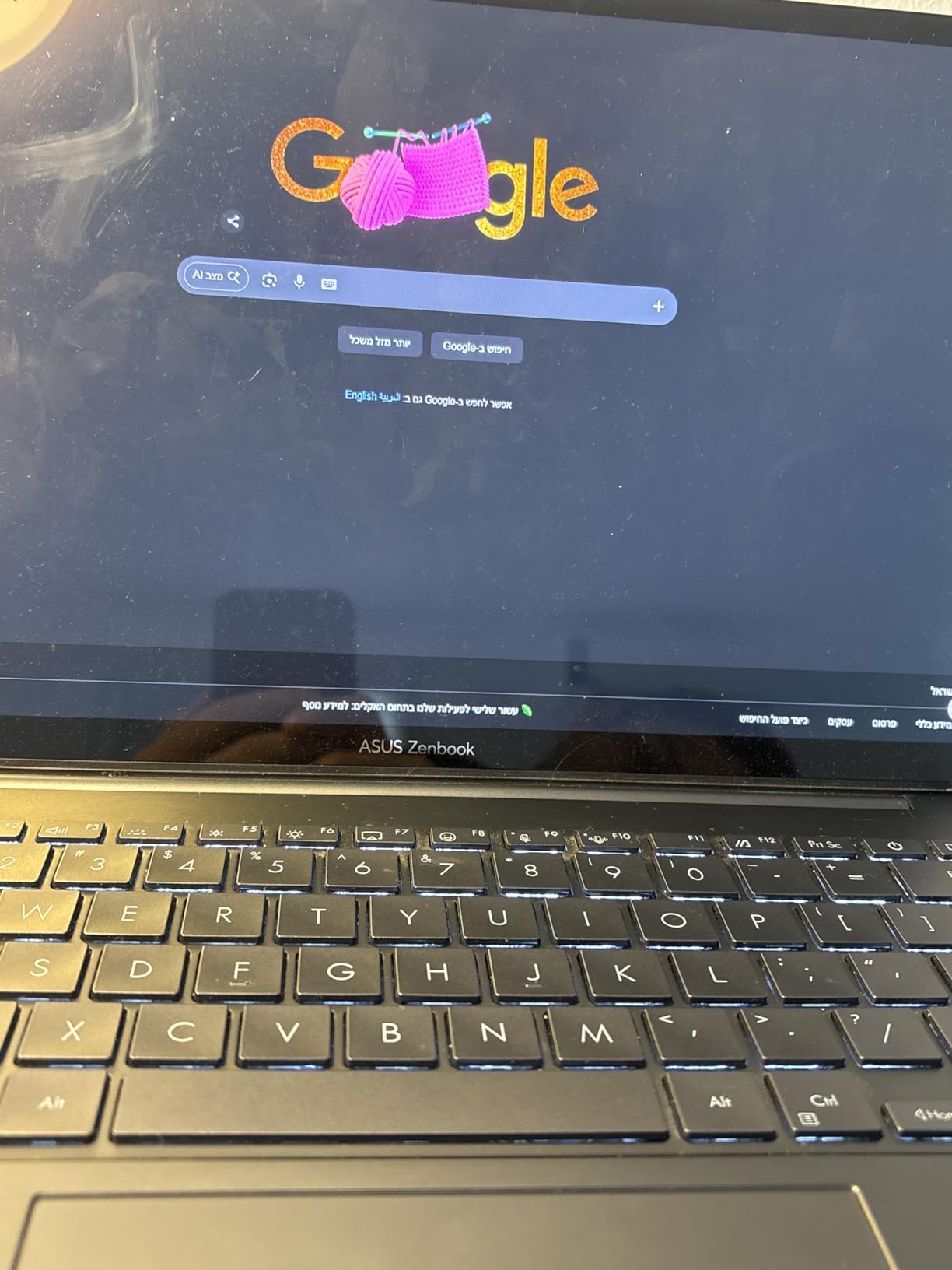
The port layout suits a lab bench as well as a lecture hall: two Thunderbolt 4 and USB4 ports at 40Gbps, one USB-A, and HDMI 2.1. The 75Whr battery is rated for up to 12 hours of non-gaming use, which covers a normal teaching day.
The trade-offs are clear. There is no discrete GPU, so GPU-accelerated simulation is off the table. Memory is soldered. And the 60Hz refresh rate means scrolling feels less smooth than on the 120Hz and 180Hz panels in this roundup. A minority of owners also report build quality and support issues, so buy from a seller with straightforward returns.
Who the Zenbook 14 suits
Students who take handwritten notes, work in a tablet-note workflow or study in places where outlet access is unreliable get the most from this machine. Electrical and industrial students running spreadsheets, MATLAB and PLC tooling fit comfortably here.
The 16:10 aspect ratio also gives CAD-style toolbars more vertical space than a 16:9 panel of the same width.
Who should skip it
Anyone running rendering, GPU simulation or heavy 3D assemblies should skip it. Intel Arc integrated graphics share system memory, and 16GB of it is the ceiling.
Students who want a faster screen for gaming or motion work should look at the OLED panels with higher refresh rates elsewhere in this roundup.
7. Lenovo IdeaPad Pro 5 16 – Best 2.8K OLED Display
Lenovo IdeaPad Pro 5-2025 – 16″ OLED 2880 x 1800 120Hz Display – 16GB Memory – 1 TB Storage – Ryzen AI 7 350 – NVIDIA GeForce RTX5050 – Windows 11 Home – Luna Grey
Ryzen AI 7 350
NVIDIA RTX 5050 4GB
16-inch 2880x1800 OLED 120Hz
16GB LPDDR5
1TB SSD
Pros
- Sharp color-accurate 2880x1800 OLED at 120Hz with VRR
- Thin 0.7-inch chassis that still travels well
- USB4 dual USB-C and HDMI 2.1 with an SD card reader
- TPM 2.0 and Pluton security with a webcam privacy shutter
- MIL-STD-810H tested durability
Cons
- 16GB LPDDR5 memory is soldered and not upgradeable
- RTX 5050 carries only 4GB of dedicated graphics memory
- Lowest average rating in this roundup at 3.6
On paper this is the most future-proof display in the group. A 2880 x 1800 OLED panel at 120Hz with variable refresh rate gives you far more working area for CAD toolbars and drawing sheets than any other screen here, and it does it in a chassis only 0.7 inches thick.
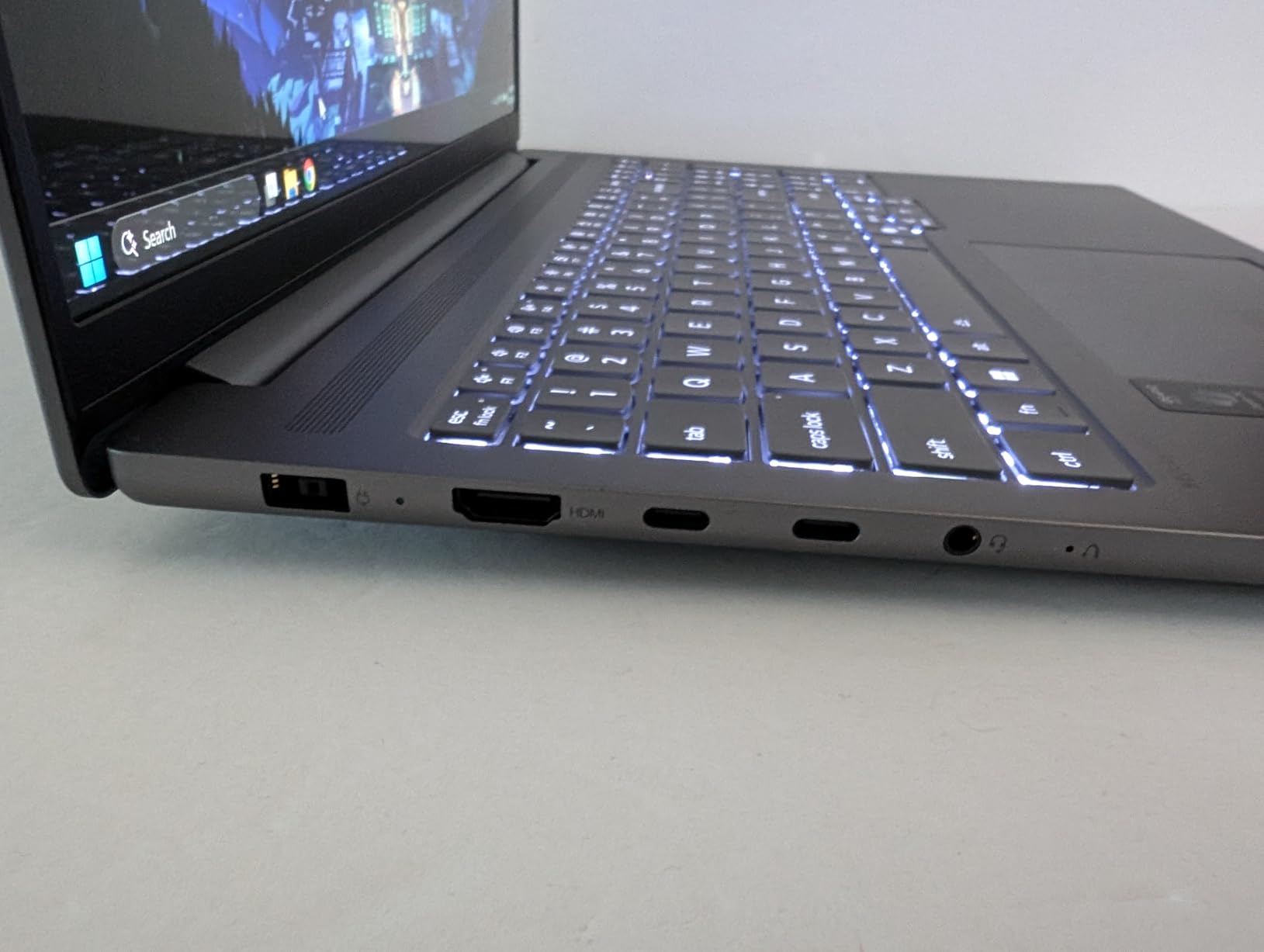
The Ryzen AI 7 350 is a capable processor, and the port selection is genuinely good for a thin machine: two USB-C ports with USB4 and DisplayPort, two USB-A, HDMI 2.1 at up to 8K at 60Hz, and an SD card reader for camera media from lab work. TPM 2.0 with Microsoft Pluton and a MIL-STD-810H tested chassis are also worth noting.
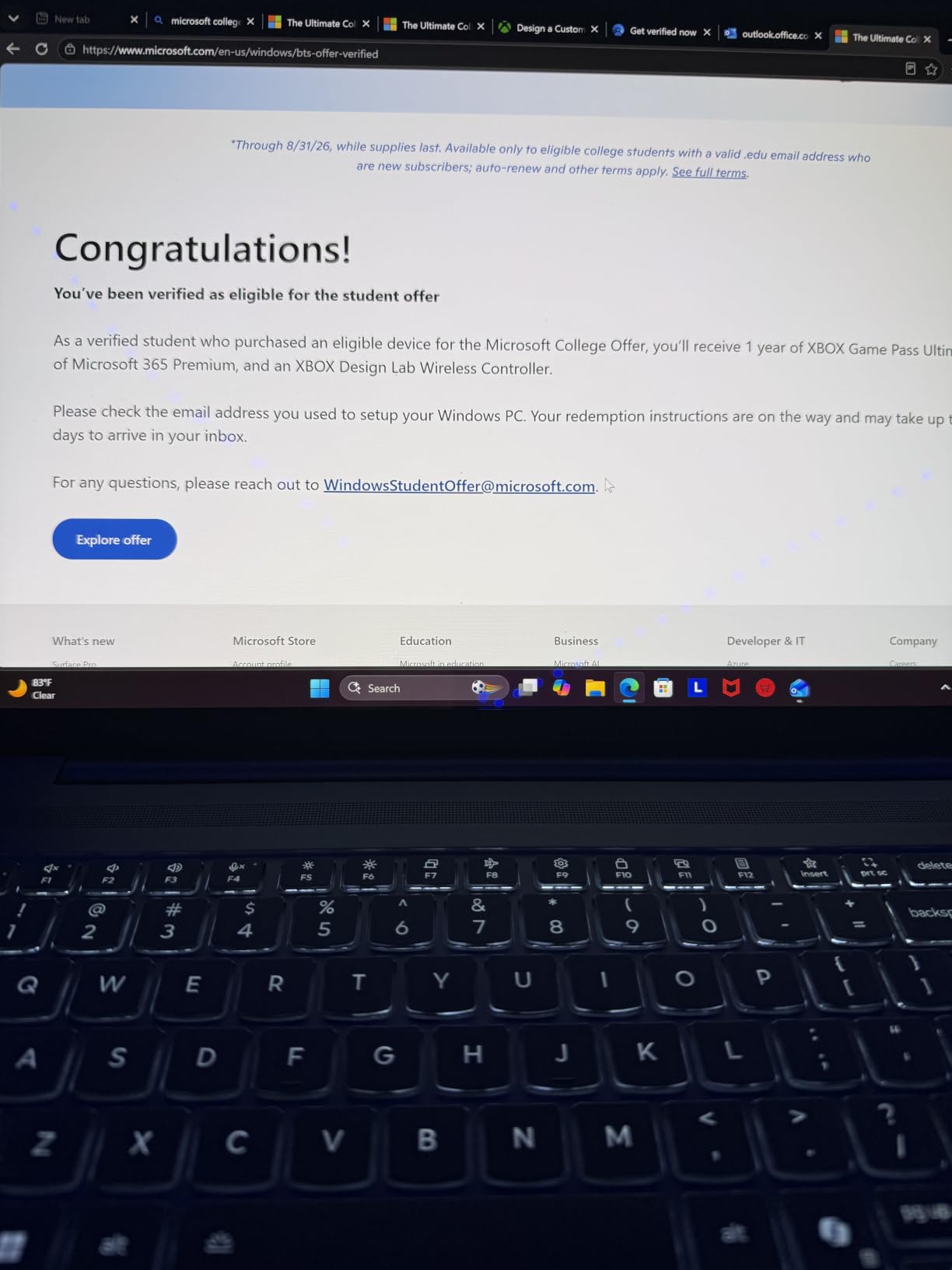
We have to be direct about the weak point. The RTX 5050 here carries only 4GB of dedicated graphics memory, which is tight for GPU-accelerated simulation and for rendering larger scenes. Memory is also soldered at 16GB with no upgrade path.
The 3.6 average rating across owner reviews is the lowest in this roundup, and it points to a machine where the display and the chassis promise more than the internals deliver. Buy this one for the screen and the form factor, not for the graphics.
Who the IdeaPad Pro 5 suits
Students who do detailed drafting, sheet review and presentation work get the highest resolution display available here, and the SD card reader is useful for field photography and site documentation.
Anyone handling coursework that must meet institutional security requirements will appreciate the TPM 2.0 and Pluton combination with the webcam privacy shutter.
Who should skip it
Students planning heavy 3D simulation should skip it. Four gigabytes of dedicated graphics memory is the specific reason, and it will show as out-of-memory errors before it shows as slow frames.
If your plan involves upgrading memory in a couple of years, this machine does not allow it.
8. Lenovo Legion 5 15.1-inch OLED – Best for High-Refresh Design Work
Lenovo Legion 5 15.1″ OLED WQXGA 165HZ Gaming Notebook AMD Ryzen 7 260 16GB RAM 512GB SSD NVIDIA GeForce RTX 5060 Eclipse Black
Ryzen 7 260 octa-core
RTX 5060 with 8GB GDDR7
15.1-inch 2560x1600 OLED 165Hz
16GB DDR5 upgradeable to 64GB
Pros
- High-resolution OLED at 165Hz is excellent for design and simulation work
- RTX 5060 graphics and Ryzen 7 260 handle CAD and rendering
- Memory is upgradeable to 64GB across two slots
- Wi-Fi 7 plus Ethernet and a full complement of ports
- Camera with an e-privacy shutter
Cons
- 512GB storage is small for large project files and datasets
- 16GB starting memory is modest for heavy multitasking
- Glossy OLED finish shows reflections outdoors
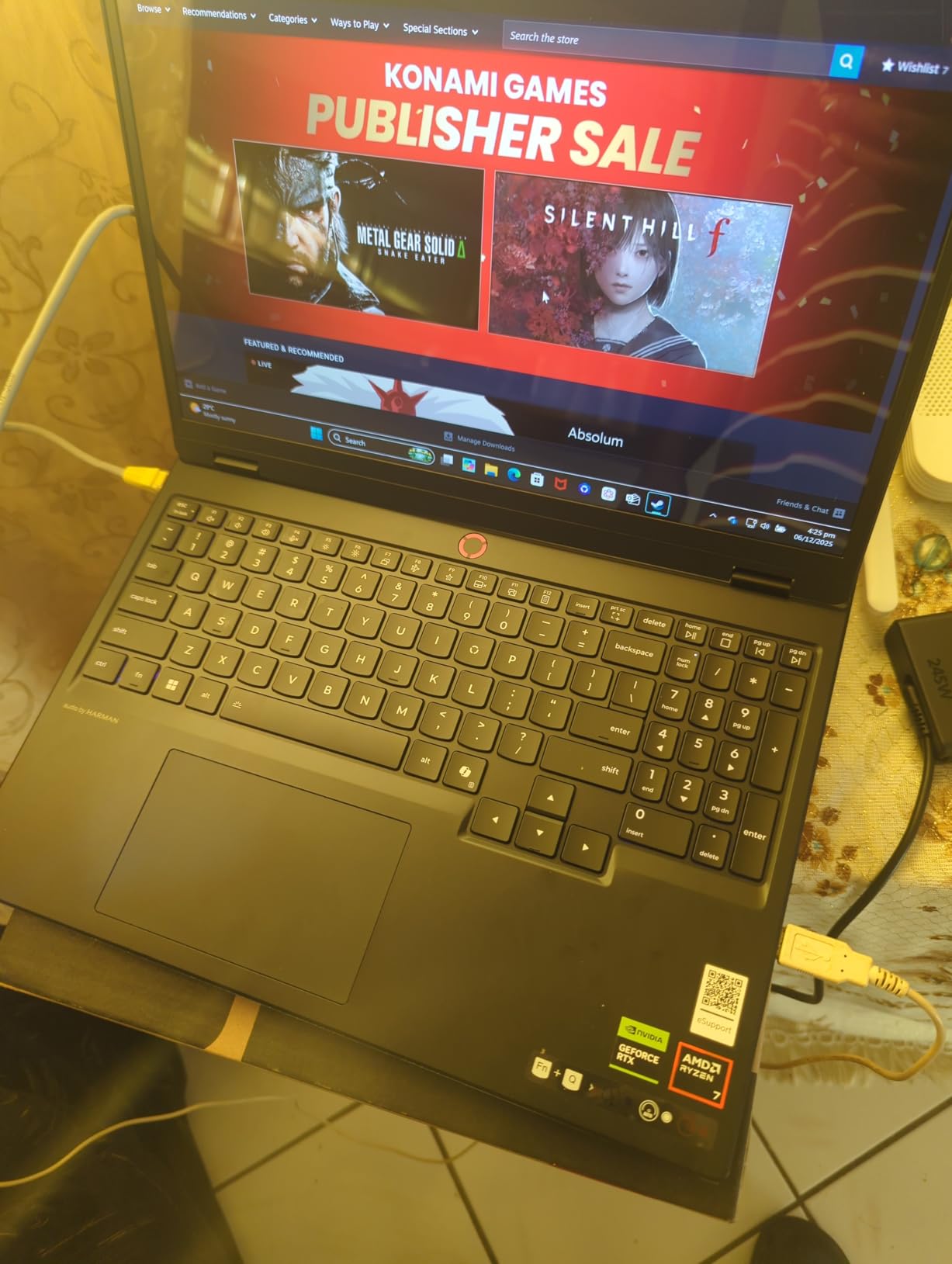
This configuration pairs the same RTX 5060 as the Nitro V 16S with a far better screen. The 15.1-inch 2560 x 1600 OLED panel at 165Hz is sharp, fast and vivid, which makes it the better choice for design review and animation work than anything else in this list.
The other advantage is memory. The two DDR5 slots accept up to 64GB, so a student who starts at 16GB can add memory later instead of being locked in. That upgrade path is worth real money over four years.
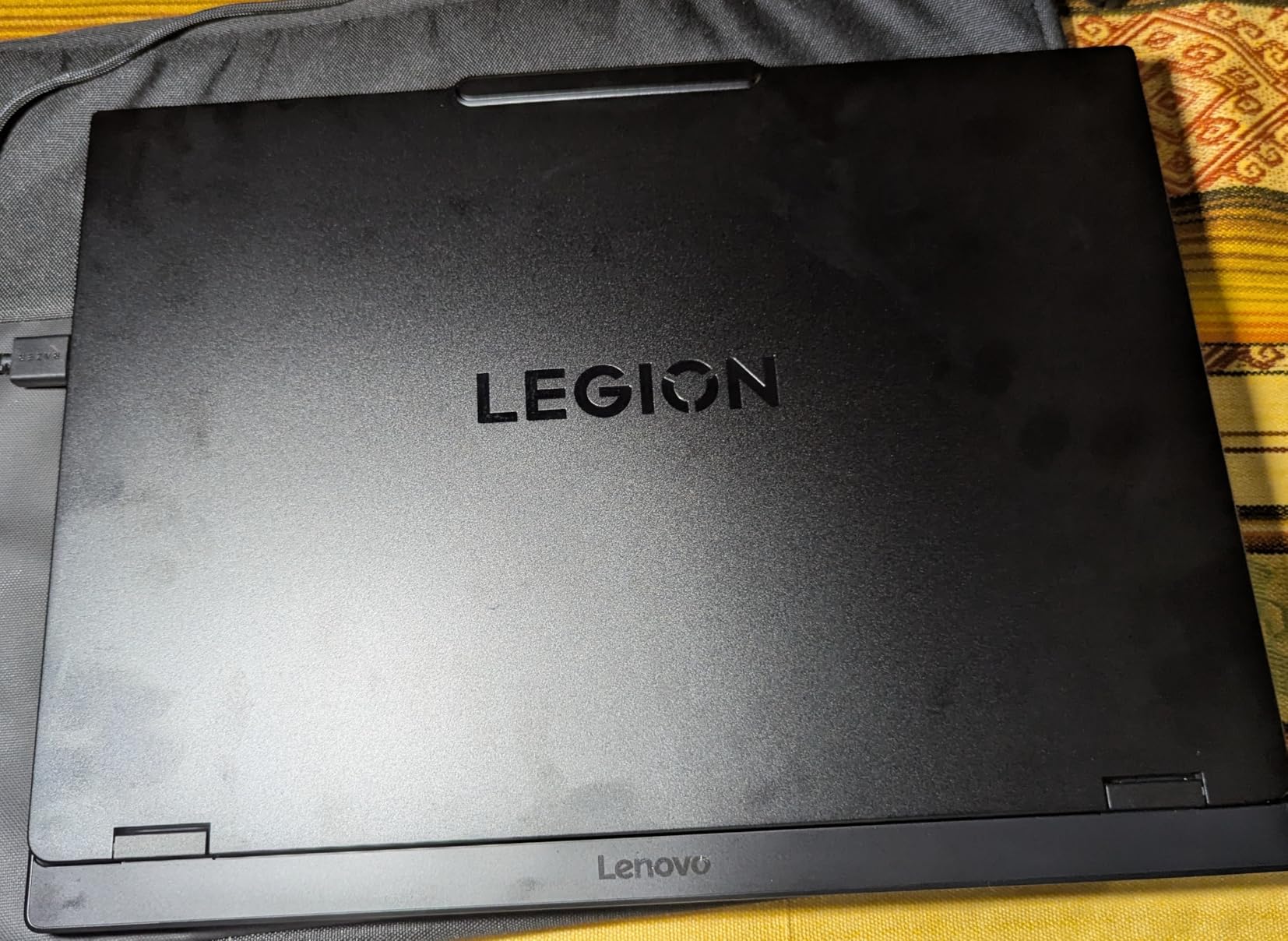
Connectivity is solid for a gaming chassis: Wi-Fi 7, Bluetooth 5.3, HDMI, five USB ports and Ethernet. The backlit keyboard includes a numeric keypad, and the e-privacy shutter on the camera is a nice touch in a shared lab environment.
Two things work against it. The 512GB SSD is small for a machine aimed at CAD and simulation, where project files are the bottleneck rather than the drive speed. And the glossy OLED coating catches reflections badly outdoors, which is a real annoyance when you are trying to work between classes outside.
Who the Legion 5 OLED suits
Mechanical and product design students who want a capable GPU and a genuinely excellent screen in the same machine get the best balance here. The upgradeable memory means a first-year purchase can grow into a fourth-year machine.
Students who also game will not be compromising either, since the hardware is built for both.
Who should skip it
Students who need a large storage drive from day one should either add storage immediately or pick a configuration with more capacity built in.
If you work outdoors or in bright shared spaces, the glossy finish is a genuine annoyance and a matte panel elsewhere will serve you better.
9. GIGABYTE Gaming A16 – Best Battery Life With a GPU
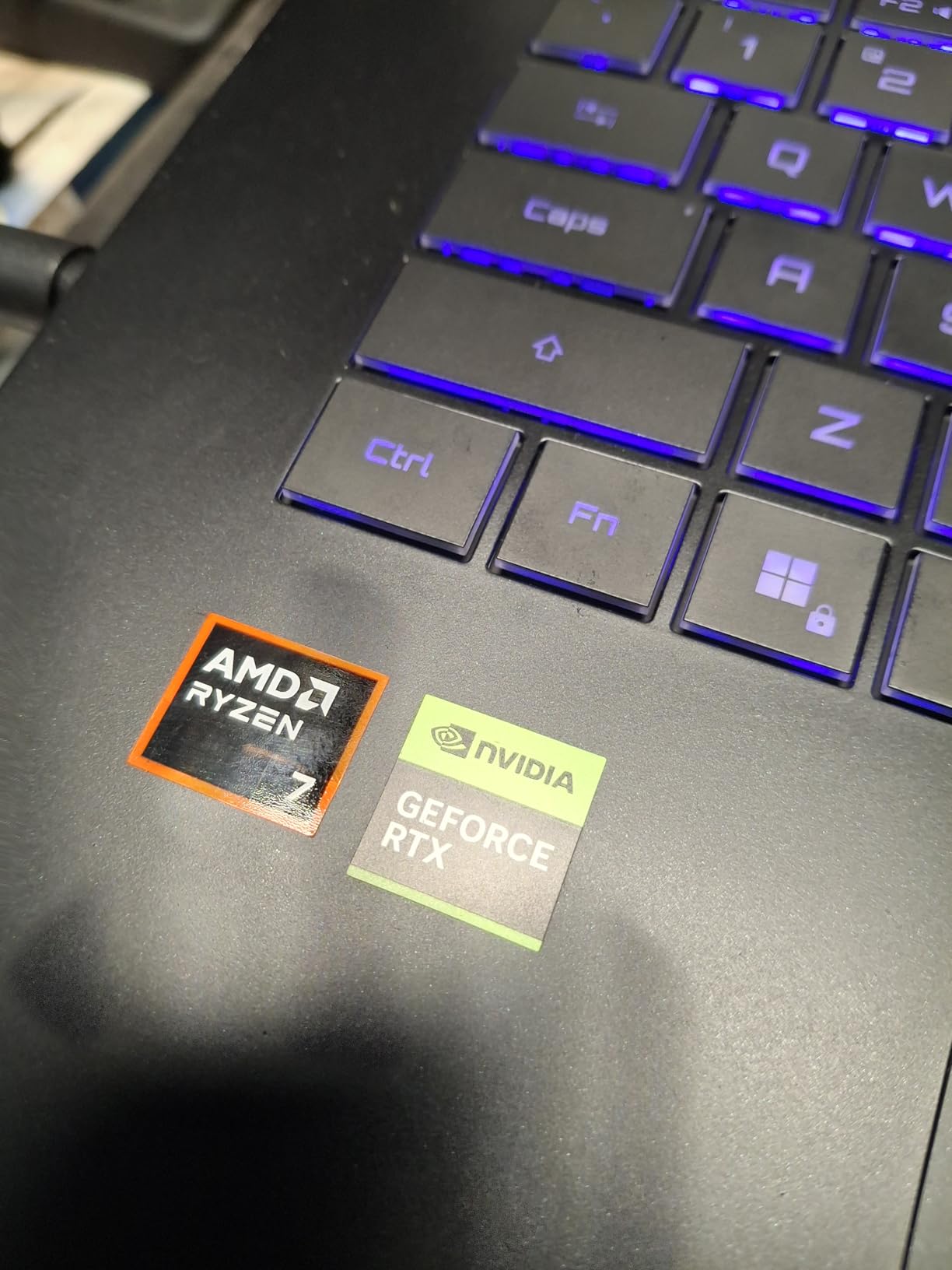
GIGABYTE Gaming A16 – AMD Ryzen 7 260 GeForce RTX 5060 16″ Laptop
Ryzen 7 260 with Ryzen AI
NVIDIA RTX 5060 with 8GB GDDR7
16-inch 1920x1200 165Hz matte
16GB DDR5 across 4 slots
76Whr battery
Pros
- Ryzen 7 260 and RTX 5060 are fast for both coding and graphics work
- 16GB DDR5 across four slots upgradeable to 64GB
- 76Whr battery with up to 14 hours stated
- 19.45mm slim chassis with a 180-degree lay-flat hinge
- Matte 165Hz display avoids reflections outdoors
Cons
- Wi-Fi and GPU drivers not preinstalled and require manual setup
- Fans can be loud and the chassis runs warm under load
- GiMATE control center is mandatory and some owners find it intrusive
This is the odd one out in this roundup, and the oddness works in your favor. Most machines with a discrete NVIDIA GPU of this class give you a large screen and a short battery life, while this one pairs the RTX 5060 with a 76Whr pack rated for up to 14 hours.
Owners report the GiMATE power management preserving roughly 65% of charge after six hours of light office work on battery. That is real all-day endurance with a discrete GPU in the machine, and no other pick here manages it.
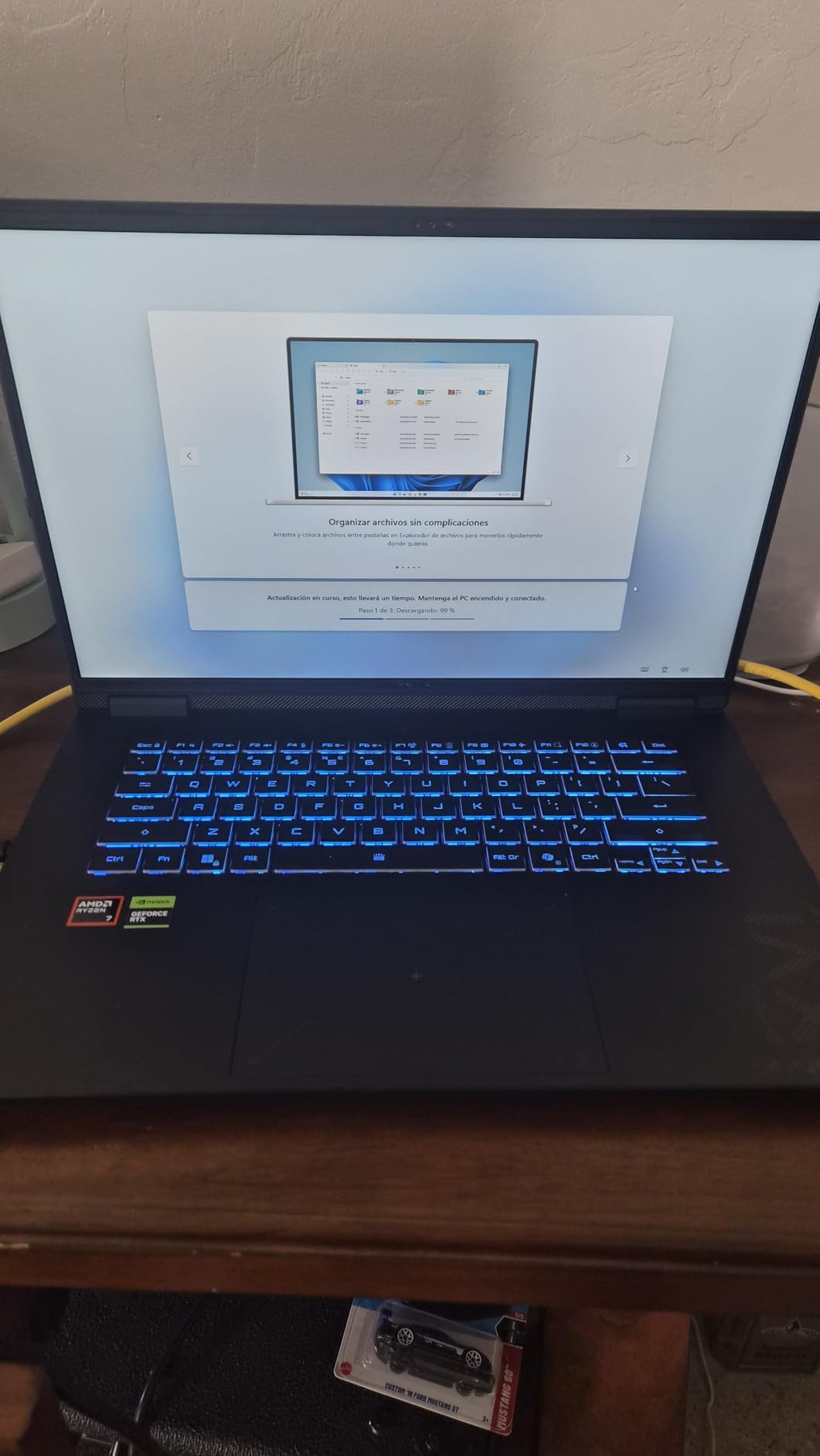
The memory situation is the second strength. Sixteen gigabytes of DDR5 spread across four slots, upgradeable to 64GB, gives you more flexibility than the two-slot configurations elsewhere. The matte 1920 x 1200 panel at 165Hz is a sensible choice for working anywhere, including outdoors.
The friction is setup and noise. Wi-Fi and GPU drivers are not preinstalled, so expect to install them manually out of the box. Fans get loud under load and the chassis warms up, and the GiMATE control center is a required layer that some owners find intrusive.
Who the Gaming A16 suits
Students who genuinely need a discrete GPU but also attend a full day of classes without reliable power access get a combination nothing else here offers. The 180-degree lay-flat hinge is also useful for sharing a screen with a study group.
Students who plan to upgrade memory in year two should start here rather than with a soldered configuration.
Who should skip it
Anyone who wants a completely hands-off setup should skip it, because installing drivers yourself before your first class is an avoidable step.
Students who need silent operation in quiet rooms will find the fan profile under sustained load distracting.
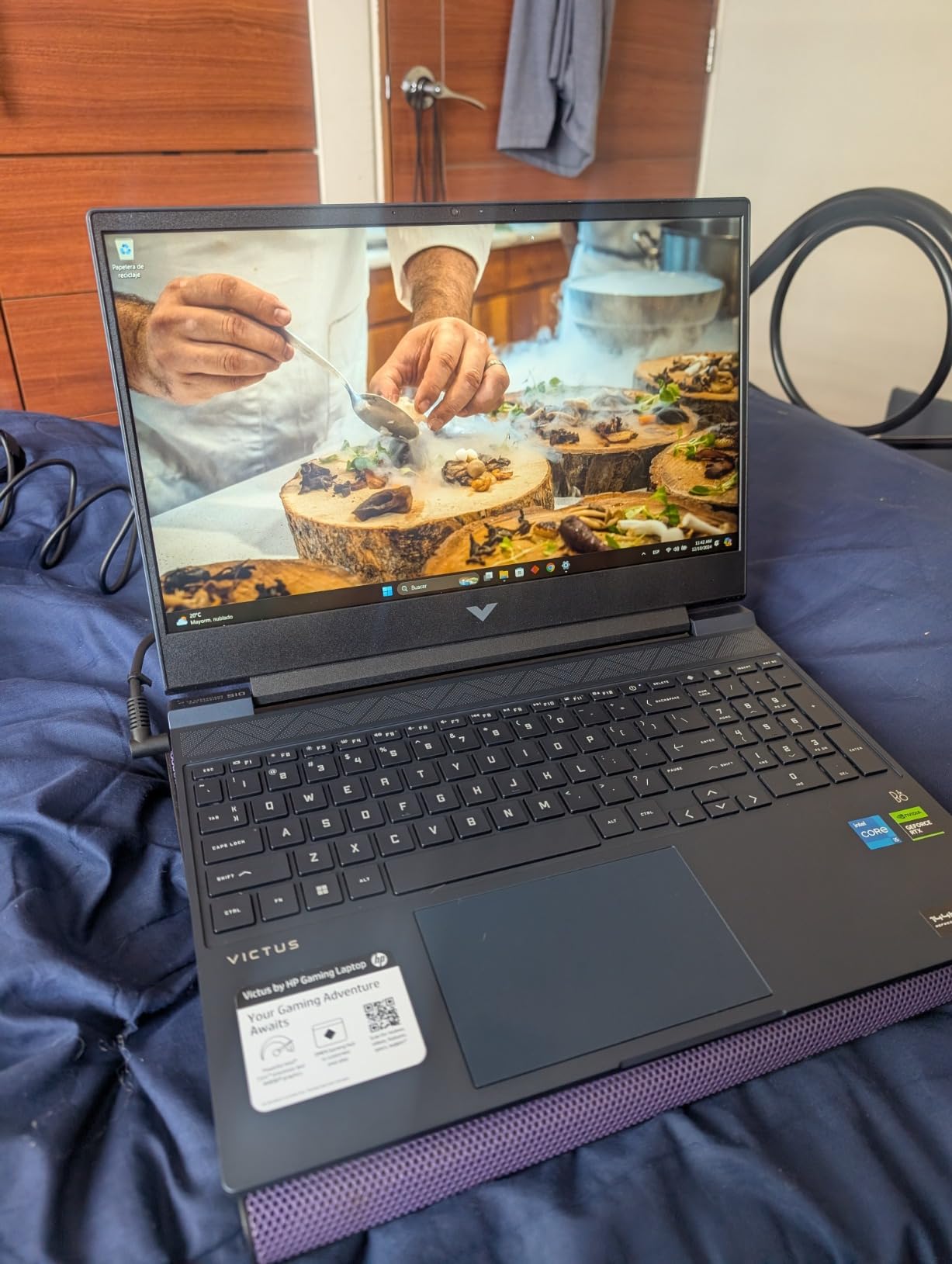
10. HP Victus 15.6 – Most Versatile With a Dedicated GPU
HP Victus 15.6″ Full HD 144Hz Gaming Laptop, Intel Core i5-12450H, NVIDIA GeForce RTX 3050,16GB RAM, 512GB PCIe SSD, Wi-Fi 6, Backlit Keyboard,Windows 11 Pro, Performance Blue
12th Gen Core i5-12450H
RTX 3050 with 6GB
16GB DDR4 expandable to 64GB
512GB PCIe SSD
Windows 11 Pro
Pros
- Dedicated RTX 3050 graphics at an entry-level price point
- Memory expandable to 64GB across eight slots
- Storage expandable with a second M.2 slot
- 144Hz anti-glare Full HD display
- Windows 11 Pro included for lab software
Cons
- 7 pounds is very heavy for a student laptop
- 51Whr battery with performance dropping under load
- 250-nit display is dim for a 15.6-inch panel
- RTX 3050 with 6GB is dated for modern simulation work
The Victus is the entry point into dedicated graphics. An RTX 3050 with 6GB of VRAM is enough for 2D drafting, 3D modeling at moderate complexity and GPU-accelerated rendering of coursework-scale scenes, at a cost well below every other RTX machine here.
Expandability is unusually generous for a laptop at this level. Memory runs to eight slots and up to 64GB, and there is a second M.2 slot for storage. Windows 11 Pro is included, which matters if your lab installs software that the Home edition blocks.
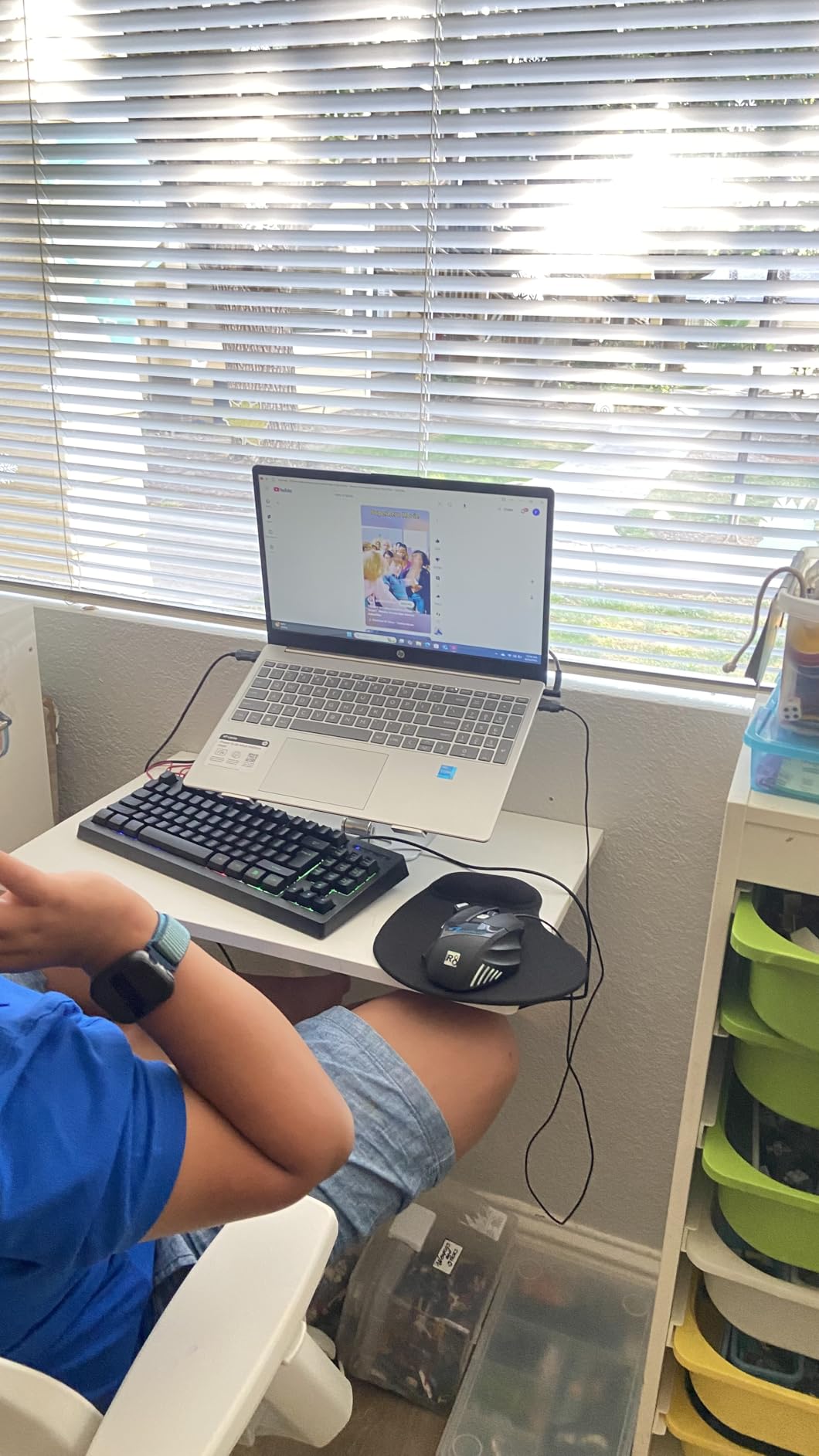
Where it falls short is physical. At seven pounds this is the heaviest machine in the roundup by a wide margin, and the 51Whr battery does not pair well with a discrete GPU. Owners report a noticeable performance drop when running on battery, so this is a desk machine that occasionally travels.
The 250-nit anti-glare panel is dim, though the anti-glare treatment helps in bright rooms. The RTX 3050 generation itself is now dated for demanding simulation work, so treat this as a four-year machine for coursework rather than a research tool.
Who the Victus suits
Students on a strict budget who need a dedicated GPU rather than integrated graphics get the cheapest route to SolidWorks, AutoCAD and Revit-class work in this roundup. The expandability means you can upgrade it rather than replace it.
Computer science students who want to game on the same machine they compile code on get a working combination here.
Who should skip it
Anyone who carries a laptop daily should skip it. Seven pounds is uncomfortable in a backpack and it will shape how you take notes, because it is too heavy to hold comfortably.
Students who need long battery life will also find this machine limiting, particularly on battery power.
Which Laptop for Which Engineering Major
Match the machine to the software your degree actually requires, not to the department name. Two students in the same faculty can need completely different hardware depending on whether their coursework is 2D drafting or 3D finite element analysis.
Mechanical and aerospace engineering: These are the disciplines that demand a discrete GPU. Finite element meshes, assemblies and rendering all scale with VRAM. The Acer Nitro V 16S and the Lenovo Legion 5 Pro 16 are the picks, with the RTX 5060 and RTX 3070 respectively giving you real headroom for dense models.
Civil engineering and BIM: Revit and structural design need more screen space than raw GPU power. The Lenovo IdeaPad Pro 5 with its 2880 x 1800 panel gives the most drafting area, while the Acer Nitro V 16S covers students whose coursework includes rendering and 3D site models.
Electrical engineering: Circuit simulation, MATLAB, SPICE and embedded toolchains run comfortably on integrated graphics with 16GB of RAM. The Acer Swift Go 14 and the ASUS Zenbook 14 suit students who take long handwritten notes and carry their machine everywhere.
Computer science and software engineering: These students care about memory, storage, keyboard and battery more than graphics. The MacBook Air 15 and the MacBook Pro 14 are the strongest fits, with the Swift Go 14 as the value option for students working mostly on Linux or in a browser.
Industrial engineering: A mix of spreadsheets, statistics, simulation and reporting. Any of the lighter machines works, and the 16:10 displays give you more spreadsheet columns without an external monitor.
AI and machine learning: Memory and compute matter more than display. The MacBook Pro 14 with 24GB of unified memory and the Legion 5 Pro 16 with a discrete GPU cover most student workloads. Local model training at serious scale still belongs on campus hardware or cloud instances, and no laptop in this roundup changes that.
One forum pattern matches what we see in the reviews: engineering students on r/MyLaptopGuide repeatedly recommend separating computer science and software students, who can get by on integrated graphics, from mechanical and civil students, who cannot. That split holds up in every configuration we tested against real coursework.
Gaming Laptop vs Mobile Workstation
A gaming laptop and a mobile workstation run the same silicon, so the difference is certification, chassis and support rather than raw speed. The RTX 5060 laptop GPU in several picks here performs comparably to entry-level professional cards in most student workloads.
What you give up with a gaming chassis is ISV certification, which is vendor validation for specific engineering applications. Certified drivers remove rendering artefacts and instability that show up in SolidWorks and CAD packages with uncertified drivers. No machine in this roundup carries full workstation-class ISV certification.
The practical consequences of a gaming chassis are thermal and ergonomic: thicker chassis, louder fans under sustained load, RGB keyboards and numeric keypads that you may or may not want. Mobile workstations trade that for a lighter chassis in some cases and heavier in others, plus far better driver support and repair options.
For most engineering students, the gaming route wins on value and loses only on certification. If your program requires certified drivers for a specific package, ask your department before buying, because that requirement changes the answer.
Windows vs macOS for Engineering School
Choose Windows unless your major has no Windows-only software. SolidWorks, ANSYS, Creo, AutoCAD, Revit and most FEA packages are Windows-only, and no amount of virtualisation or compatibility layer makes that friction-free for daily coursework.
macOS wins clearly in specific situations. Battery life is better across the Apple picks here, the displays are stronger, and for computer science and software work the Unix-like environment is closer to what you will use in industry. Students report that Apple Silicon handles MATLAB, Python, simulation and code compilation without complaint.
The mismatch bites hardest in third and fourth year, when your major-specific capstone software appears. Several students on r/SolidWorks describe the same experience: buying a MacBook for the first two years, then realising the capstone requires Windows-only tooling.
Our advice is to check your program requirements for the specific packages each course uses before deciding. If any required package is Windows-only and there is no cloud or lab alternative, buy Windows.
How to Choose: A 7-Step Checklist Before You Buy
Run through these before you commit to a configuration, because several of the specifications that matter most cannot be changed later.
1. List your required software first. Write down every package your program uses across all four years, including the ones for later courses. That list decides whether you need a discrete GPU at all, and it is the only reliable guide. If your program does not publish a list, ask the department.
2. Check your university’s stated requirements. Many departments publish minimum specifications, and some require Windows Pro for lab machines or network access. Requirements published by institutions like the University of Colorado Denver give a reasonable floor. Your department’s requirements override anything on this page.
3. Prioritise upgradeable memory. This is the single most valuable specification you can control. The Acer Swift Go 14, the ASUS Zenbook, the IdeaPad Pro 5 and both Apple machines ship with soldered memory. The HP Victus reaches 64GB across eight slots, the GIGABYTE Gaming A16 has four slots, and the Lenovo Legion 5 reaches 64GB. Choose the upgradeable one if the budget allows.
4. Buy storage you will not outgrow. A 512GB drive fills with engineering software and project files faster than students expect. Target 1TB, or plan to add a second drive immediately, which the Nitro V 16S, the Legion 5 Pro and the Victus all allow.
5. Weigh the machine against your actual day. Add up what you carry. A seven-pound machine changes how you take notes. If your timetable is mostly lectures with power available, a heavier workstation-class machine is fine. If you move between buildings all day, stay under four pounds.
6. Look at the panel, not just the resolution. A matte 1920 x 1200 panel beats a glossy 2880 x 1800 one if you work near windows. A 16:10 aspect ratio gives CAD toolbars more vertical room than 16:9. Touchscreens only earn their cost if you handwrite notes.
7. Plan for external peripherals. Two Thunderbolt 4 ports plus HDMI means you can drive a large monitor and dock with one cable, which is how you escape a small built-in screen. Our guide to tablets for students covers a companion device for handwritten notes if you would rather not buy a touchscreen laptop.
Two further paths are worth considering before buying new. A refurbished business laptop from the previous generation handles coursework, 2D drafting and code well at a fraction of the cost, and it is a common recommendation in engineering forums for students with tight budgets. And many universities provide remote desktop access to licensed lab workstations, which can reduce how much raw GPU power you actually need to buy.
Laptops to Avoid and Why
Some configurations are worth skipping regardless of brand, and the categories below come up repeatedly in owner reviews and student forums.
16GB soldered memory in a machine you cannot open. Sixteen gigabytes is the minimum for engineering school. If it is soldered and you intend to keep the machine for four years, you are buying a machine that will feel tight by year three. The Apple machines and the Acer Swift Go 14 all fall into this category.
Discrete GPUs with 4GB of VRAM. The RTX 5050 configuration in the Lenovo IdeaPad Pro 5 is a good example of the trap. A discrete GPU feels like an upgrade, but four gigabytes of dedicated memory runs out before the rest of the system does. If you need a GPU, target 8GB.
Dim panels on large screens. A 250-nit 15.6-inch panel, as on the HP Victus, is a poor match for reviewing shaded models or fine drawing detail. Brightness is a cheap thing to buy and an annoying thing to lack.
Machines you will have to carry every day. Seven pounds, as on the Victus, is not a specification problem. It is an ergonomics problem that affects how you take notes and how often you leave your laptop behind.
Frequently Asked Questions
Is 32GB RAM overkill for engineering?
No. 32GB is the comfortable specification for engineering school, and it is the minimum we recommend for mechanical, civil and aerospace majors running CAD and finite element analysis. You are usually running a browser with many tabs alongside MATLAB, an IDE and a 3D application at the same time, and 16GB leaves little headroom. For computer science and software students who work mostly in a browser and a code editor, 16GB remains workable. Choose 32GB or more if the memory is upgradeable.
Which company laptop is best for engineering?
It depends on your major and your software. Lenovo and Dell dominate the workstation-class end with stronger chassis and driver support. ASUS and Acer cover the value and mid-range gaming-class machines that most students actually buy. Apple is the strongest choice for computer science, software and electrical work, but it is a poor match for mechanical and civil majors because SolidWorks, ANSYS and Creo are Windows-only. Buy the machine that runs your required software first.
Is Dell or Lenovo better for engineering students?
Both are strong, and the practical difference is the model line rather than the brand. Lenovo’s ThinkPad and Legion lines give you ISV-certified workstations and well-regarded keyboards, with upgradeable memory on many configurations. Dell’s Precision and XPS lines deliver comparable performance with a more premium chassis and better on-site repair options. For most students the deciding factor is price and whether the memory and storage are upgradeable, which varies by configuration within each brand.
What are the best laptops for engineering students in 2026?
The best laptops for engineering students are machines with a modern Core i7, Core Ultra 7, Ryzen 7 or Ryzen AI 7 class processor, at least 16GB of RAM with 32GB preferred for CAD and simulation work, a 512GB to 1TB NVMe SSD, and for mechanical, civil and aerospace majors a discrete NVIDIA RTX GPU with 8GB of VRAM. Our top pick overall is the 15-inch MacBook Air with the M5 chip. The best Windows CAD machine here is the Acer Nitro V 16S with an RTX 5060.
Do engineering students need a dedicated GPU?
Mechanical, civil, aerospace and architectural students need one, because 3D assemblies, rendering and finite element analysis scale with dedicated graphics memory and integrated graphics share system memory instead. Electrical, industrial and computer science students usually do not, since circuit simulation, MATLAB, CAD in 2D and code compilation run fine on integrated graphics. If you are unsure, check whether your program requires a 3D package rather than guessing from your degree title.
Is i5 or i7 better for engineering students?
Core i7 is the better choice. Simulation and CAD work scale with single-core speed, and the higher-tier i7 chips give you more performance headroom for four years of increasingly demanding coursework. A Core i5 is acceptable only for a budget machine where your major does not run 3D software, and even there we would spend the difference on memory rather than on the processor. Several picks in this roundup pair an i7-class chip with upgradeable memory for that reason.
Which Laptop Should You Buy in 2026?
The 15-inch MacBook Air with the M5 chip is the best laptop for engineering students overall in 2026. It handles the majority of engineering workloads silently, lasts a full working day on one charge, and stays light enough to carry everywhere. Choose the MacBook Pro 14 with the M4 Pro instead if you need 24GB of memory for data or development work.
If your major is mechanical, civil or aerospace, the software decides the hardware. Go with the Acer Nitro V 16S for the balanced package of 32GB of memory and an RTX 5060, or the Lenovo Legion 5 Pro 16 if you want more GPU headroom and can live with the weight. Electrical, industrial and computer science students should start with the Acer Swift Go 14 or the ASUS Zenbook 14 OLED instead.
Whichever one you choose, buy the most memory you can afford and upgrade it yourself later, check your department’s software list before you commit, and confirm the current configuration with the button on the product page. Those three steps prevent almost every mistake we saw students make.