
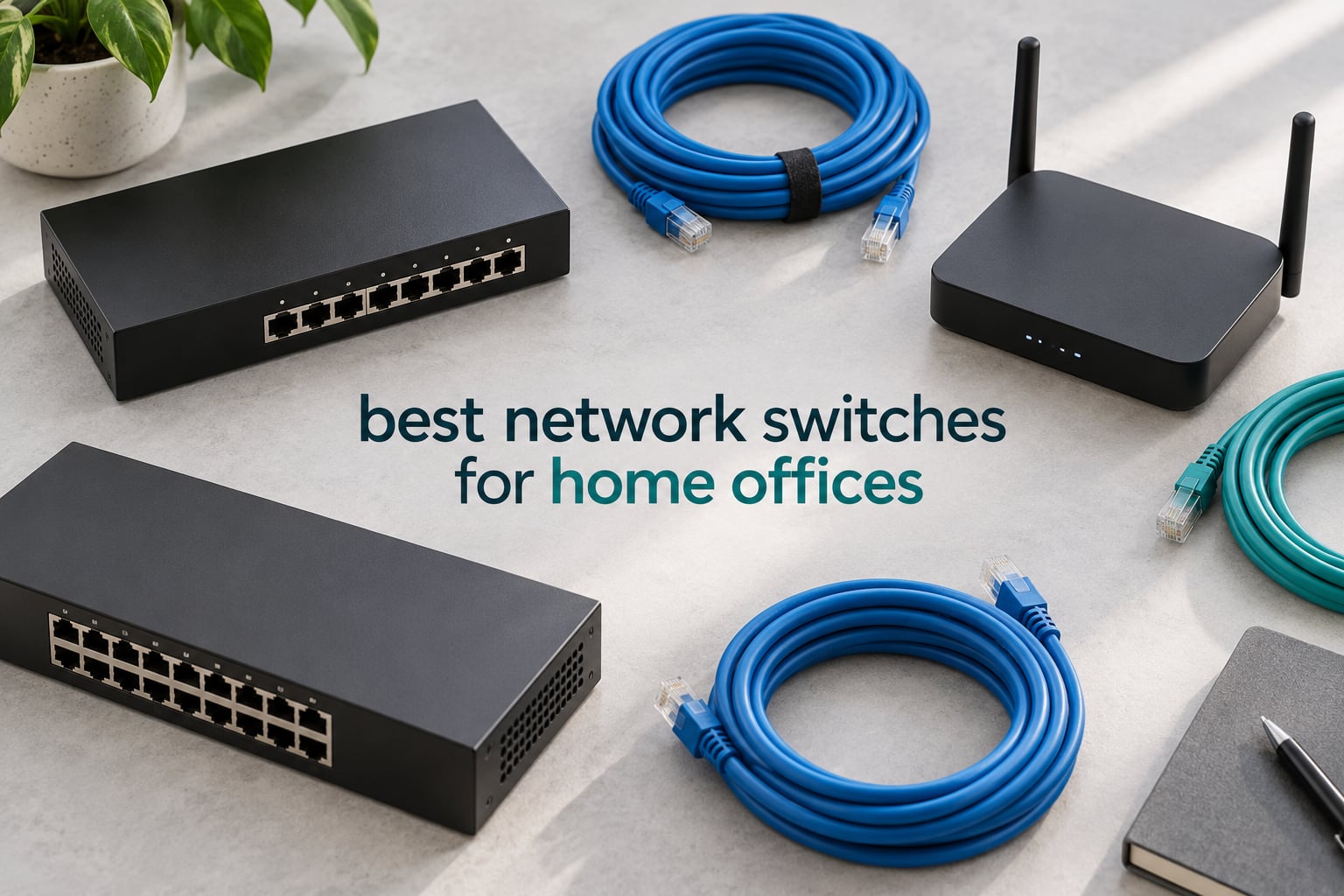
Most home routers ship with four LAN ports, and that is the whole problem. The moment you add a wired desk PC, a NAS, a printer and a couple of consoles, you are down to cables that do not exist, and the workaround is usually an ugly second router doing double duty as a switch. A network switch fixes that cleanly. It is a box of Ethernet ports that lets you connect far more wired devices than your router allows, and on a managed switch it also lets you split work devices from household traffic with VLANs.
WiFi gets most of the attention, but a wired link is still the most predictable connection you can have in a house. Walls, foil-backed insulation, microwaves and neighbouring networks all degrade a wireless signal, and none of them touch a Cat 6 run. If your job depends on video calls, large file transfers or uptime, the best network switches for home offices are the cheapest reliability upgrade available to you.
We compared ten switches for this guide, covering everything from a five-port desk box to a 24-port rack unit and two multi-gig models built for 2.5GbE and 10G uplinks. Our picks for 2026 lean toward the honest answer that dominates the forums: most home offices never need a feature-rich managed box, and the right move is usually the simplest switch that covers your port count. Where a managed feature genuinely earns its place, we explain which one and why.
If you are still working out how many ports you need, or you want to see the wider category, our general roundup of the best network switches covers the home and small-office market more broadly.
Top 3 Network Switches for Home Offices in 2026
Our top three cover the most common home office situations. The TP-Link TL-SG105 is the default answer for a small desk setup, the NETGEAR GS308 is the one most offices end up with, and the TP-Link TL-SG2210P is the pick when you need VLANs and PoE in a single box.

TP-Link TL-SG105 5-Port…
- 5 gigabit ports
- fanless metal case
- plug and play
- 802.1p QoS and IGMP snooping

NETGEAR GS308 8-Port Gigabit
- 8 gigabit ports
- fanless metal
- energy efficient Ethernet
- desktop or wall mount

10 Best Network Switches for Home Offices (October 2026)
| Product | Specs | Action |
|---|---|---|
| TP-Link TL-SG105 5-Port Gigabit |
|
Check Latest Price |
| NETGEAR GS308 8-Port Gigabit |
|
Check Latest Price |
 D-Link DGS-1016S 16-Port Gigabit D-Link DGS-1016S 16-Port Gigabit |
|
Check Latest Price |
 NETGEAR GS305E 5-Port Easy Smart NETGEAR GS305E 5-Port Easy Smart |
|
Check Latest Price |
 NETGEAR GS308EP 8-Port PoE+ NETGEAR GS308EP 8-Port PoE+ |
|
Check Latest Price |
 TP-Link TL-SG1024 24-Port Gigabit TP-Link TL-SG1024 24-Port Gigabit |
|
Check Latest Price |
 Tenda SE108 8-Port 2.5GbE Tenda SE108 8-Port 2.5GbE |
|
Check Latest Price |
 GiGaPlus 8×2.5G + 2x10G SFP+ GiGaPlus 8×2.5G + 2x10G SFP+ |
|
Check Latest Price |
| TP-Link TL-SG2210P JetStream |
|
Check Latest Price |
 D-Link DGS-1210-10 L2+ Smart D-Link DGS-1210-10 L2+ Smart |
|
Check Latest Price |
1. TP-Link TL-SG105 – The Best Network Switch for Most Home Offices
TP-Link TL-SG105, 5 Port Gigabit Unmanaged Ethernet Switch, Network Hub, Ethernet Splitter, Plug & Play, Fanless Metal Design, Shielded Ports, Traffic Optimization
5 x 10/100/1000Mbps RJ45
Metal fanless case
802.1p QoS, IGMP snooping
5000 megabits per second
Pros
- Truly plug-and-play with no configuration or software
- Sturdy metal housing that runs cool and silently
- Consistent full gigabit throughput under concurrent NAS streaming and gaming loads
- Compact enough to hide behind furniture or in an entertainment center
Cons
- Unmanaged so no VLAN or per-port traffic control
- One port is consumed by the uplink reducing usable device ports
- Adding the switch can change the network's apparent IP address
The TL-SG105 is the switch we end up recommending to most people. With 129758 reviews behind it and a 4.7 average, it is the unit you are most likely to see already installed in someone’s office, and that is not an accident. It is small, it is silent, and it asks nothing of you.
Our experience is that you unbox it, plug in the power, connect the router to one port and your devices to the rest, and everything negotiates to full gigabit within seconds. There is no firmware to flash, no account to create and no app to install. For a desk with a laptop dock, a printer and a game console, that zero-friction behaviour is the entire feature list.
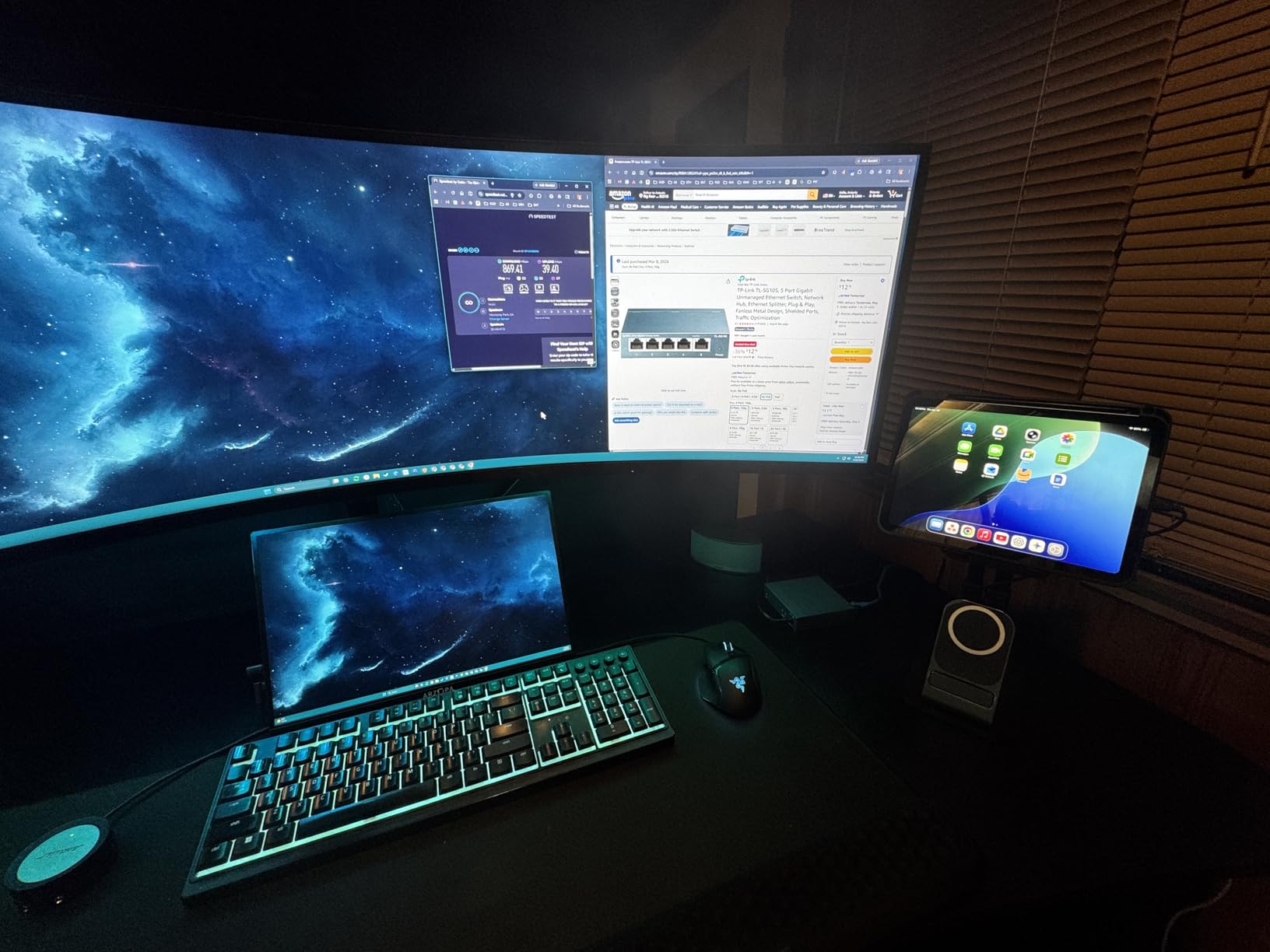
Technically it is a competent little box. The five ports auto-negotiate and auto MDI/MDIX, meaning you never worry about crossover cables. It supports IEEE 802.3X flow control, port-based 802.1p and DSCP QoS for prioritising delay-sensitive traffic, and IGMP snooping for smoother streaming to multiple devices. Green Ethernet reduces draw on lightly used ports, and the listed data transfer rate of 5000 megabits per second reflects full duplex across the fabric.
The honest limit is the port count. Five ports means four usable devices once the router uplink takes one, which is the single most misunderstood thing in this entire category. A second, less common complaint is that introducing a new device on the network can change what your ISP sees as the connection address, occasionally requiring you to re-confirm a streaming service home location. Neither is a reason to avoid it if four ports covers your desk.
Who the TL-SG105 suits
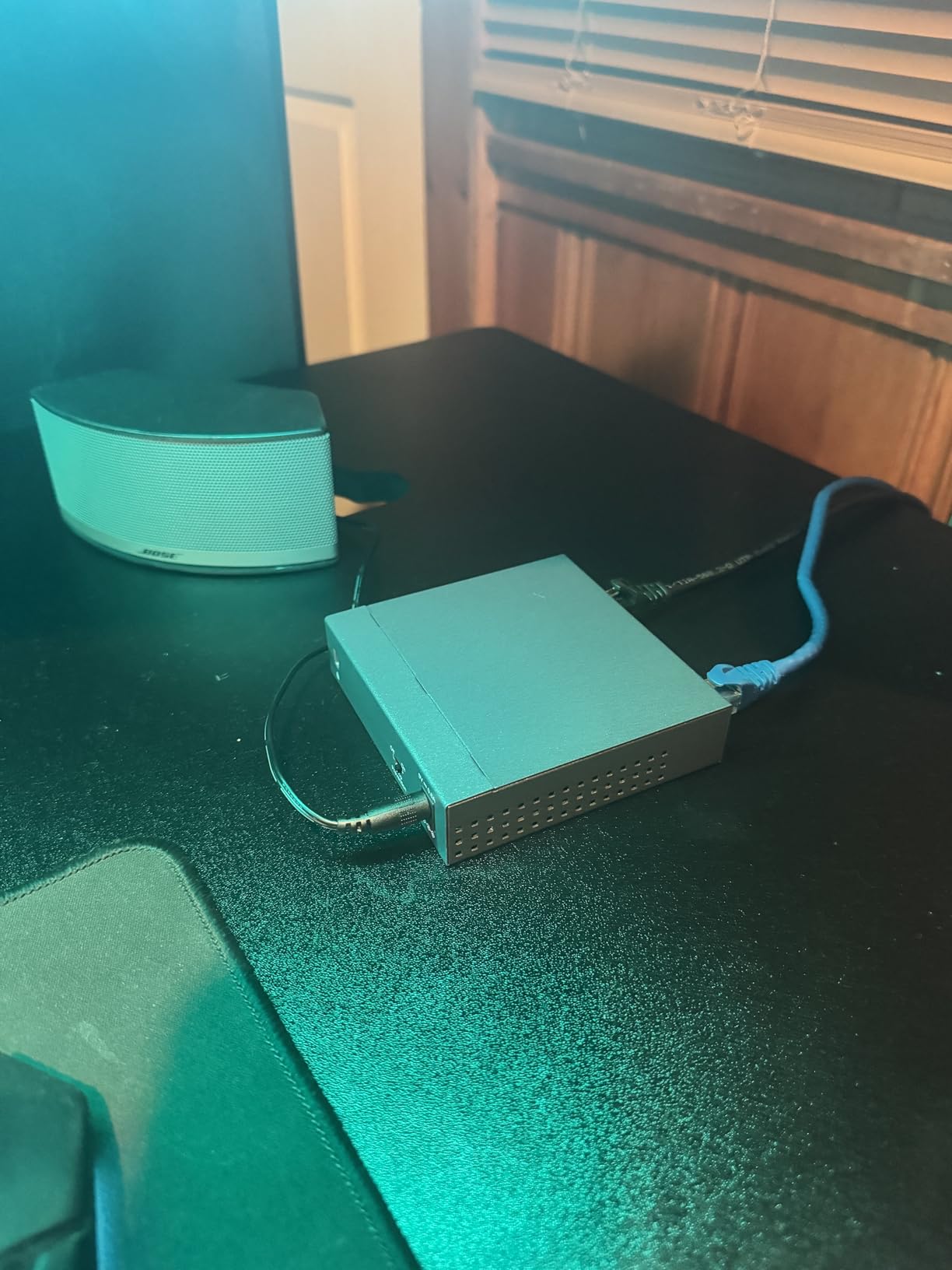
It suits a single-person office, a study, or any spot where you need a few extra wired connections and want them to keep working for a decade without attention. The metal case runs cool, so sitting it on a desk or behind a monitor is a non-issue. Reviewers consistently describe it as an invisible device that simply works.
If you are building out a home office setup where ergonomics and desk space matter, the footprint of 3.94 by 3.85 inches is genuinely tiny. Wall mounting is supported too, if the cable run allows it.
Who should skip it
Skip it if you plan to separate work devices from household traffic using VLANs, because an unmanaged switch has no concept of VLANs at all. Skip it if you are running a VoIP desk phone or an IP camera that needs power over the cable, since it provides no PoE. And if you count your devices and land on five or more wired connections, go up to the 8-port GS308 instead and give yourself headroom.
2. NETGEAR GS308 – The Most Popular 8-Port Gigabit Switch
NETGEAR 8-Port Gigabit Ethernet Unmanaged Network Switch (GS308)
8 x 1.0Gbps auto-negotiating ports
Fanless metal chassis
802.3az Energy Efficient Ethernet
3-year hardware warranty
Pros
- Eight gigabit ports at an accessible price point
- Zero-configuration plug-and-play operation
- Compact metal case that sits on a desk or mounts on a wall
- Silent fanless design with low power draw
Cons
- Fully unmanaged so no VLANs QoS or port monitoring
- Uplink uses one of the eight ports leaving seven for devices
- Listed as U.S. and Canada regional compatibility only
If you are looking for the best network switch for a home office with more than a handful of devices, this is the one most people end up with. The GS308 carries a 4.8 average across 54327 reviews, and it ranks second in its category by sales, which tells you how common it has become in home and small-office networks.
In use it is the same story as the TL-SG105, just with more room. Owners describe pairing it with a NAS, game consoles and smart TVs and reporting stable streaming and file transfers with no measurable loss. Auto-negotiation on every port means mixed cable generations are a non-issue, and it works with the Cat 5e you likely already have in the walls.
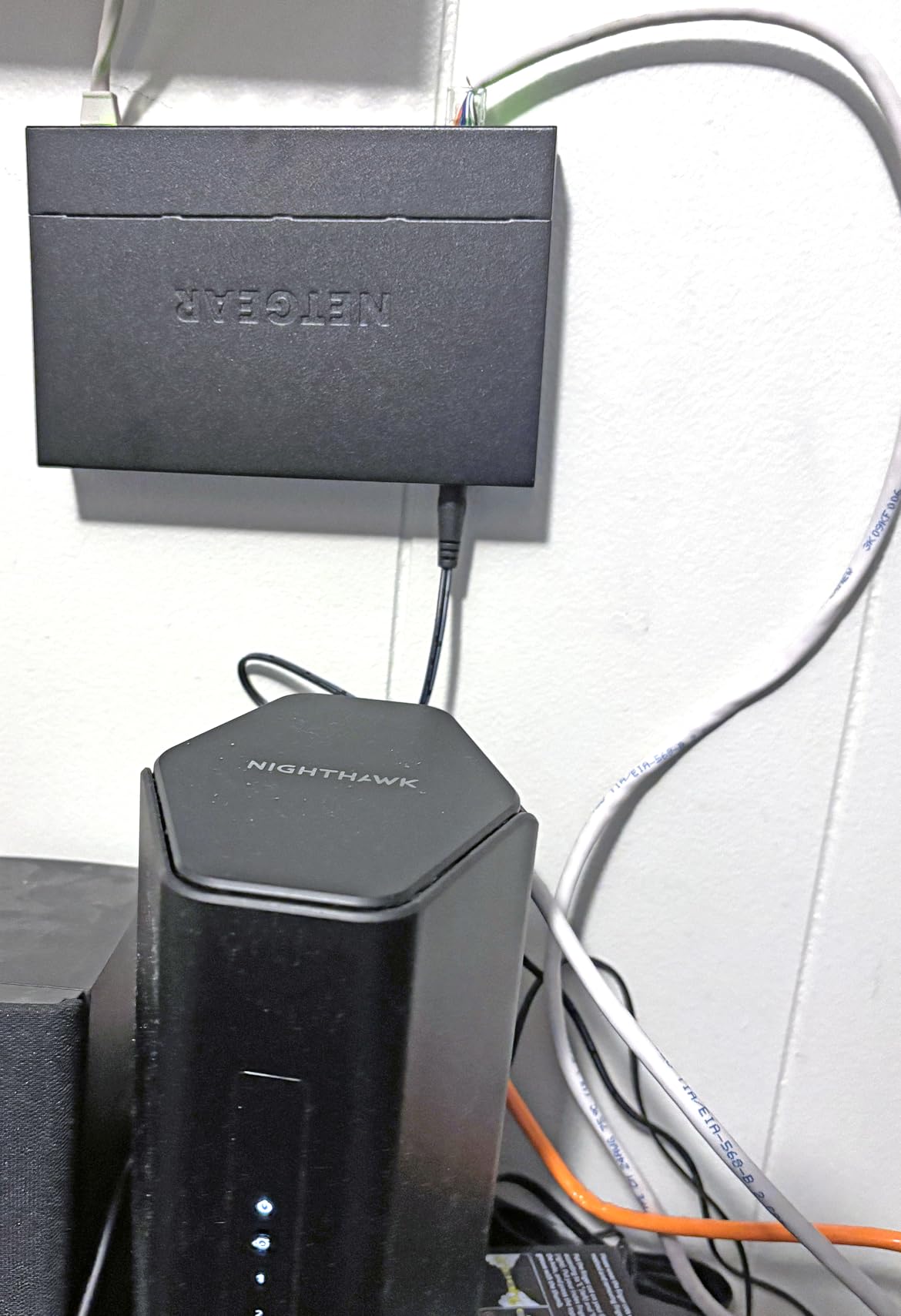
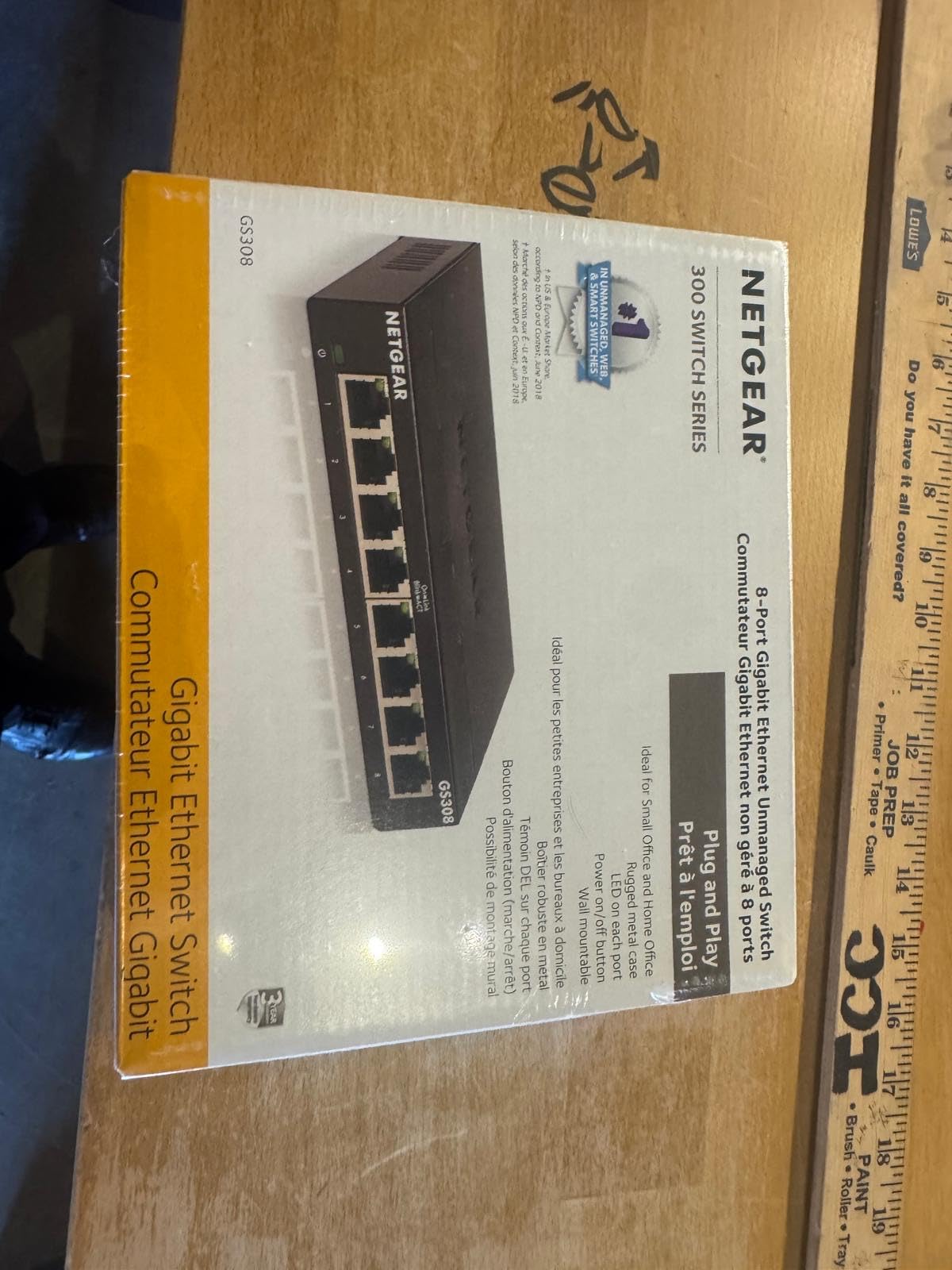
Construction is a fanless metal chassis, which is why it stays silent and cool, and it draws very little power thanks to IEEE 802.3az Energy Efficient Ethernet, which drops a port’s consumption when nothing is flowing on it. For a box that sits powered on twelve hours a day, that matters more than most buyers expect.
The catch is the same catch as every unmanaged 8-port switch. One of the eight ports goes to the router, leaving seven for devices, so plan for a maximum of seven wired endpoints. The other note is that the listing is marked as made for the U.S. and Canada, which is a warranty and compliance detail rather than a functional limit but worth knowing if you are elsewhere.
Who the GS308 suits
It suits a home office with a NAS, a couple of PCs, a printer and a console, and it suits anyone who wants ports to spare rather than exactly enough. The six-by-four-inch footprint is small enough for a cable tray or a wall behind a desk, and being fanless it is safe in a study or a living area.
The 4.8 rating across more than 54000 reviews is the strongest rating-to-volume combination in this roundup, which is why it earns the highest-rated slot here despite not being our overall winner. Buyers repeatedly note the metal case and the fact that it just works after being plugged in.
Who should skip it
Skip it if you need any management at all. There is no way to create a VLAN, prioritise a VoIP call or monitor a port on this switch. Skip it if you have a VoIP phone, an access point or a camera in the plan, because you will need a PoE injector or a PoE switch. And if your NAS or workstation has multi-gig network hardware, gigabit per port will cap you at roughly 118 MB per second.
3. D-Link DGS-1016S – The Best 16-Port Switch for Growing Offices
D-Link 16-Port Gigabit Ethernet Unmanaged Slim Switch, Traffic Optimization
16 gigabit RJ45 ports
Slim wall-mountable metal chassis
QoS for VoIP and surveillance
Five-year warranty
Pros
- 16 gigabit ports in a slim wall-mountable metal chassis
- Handles concurrent NAS transfers and 4K streaming without bottlenecks
- Silent fanless operation suits noise-sensitive rooms
- Plug-and-play with no software required
- Five-year warranty with in-box power adapter
Cons
- Unmanaged so no VLAN support or per-port configuration
- One port is used for the uplink to the router
- A very occasional report of an ungrounded unit showing 5V potential on port shielding
The jump from 8 to 16 ports matters more than it sounds, because eight-port models lose one port to the uplink. The DGS-1016S gives you 15 usable device connections, which is enough to wire an entire small office floor, a smart-home control run, or a house where every room has a jack. It holds a 4.7 rating across 22804 reviews.
Owners use this switch to move a whole property off WiFi onto Cat 6 wiring, and the common report is that it handles simultaneous NAS reads and writes alongside 4K streaming without a bottleneck. The 11-inch slim chassis is wall-mountable, which is where most people put a 16-port unit since it rarely needs to be reached after installation.
Two technical details are worth noting. It includes QoS traffic prioritisation aimed specifically at VoIP and surveillance traffic, which on an unmanaged switch is the only form of prioritisation you get, and it uses IEEE 802.3az with per-port cable-length detection to reduce power automatically on short runs. The five-year warranty is longer than most competitors in this list offer.
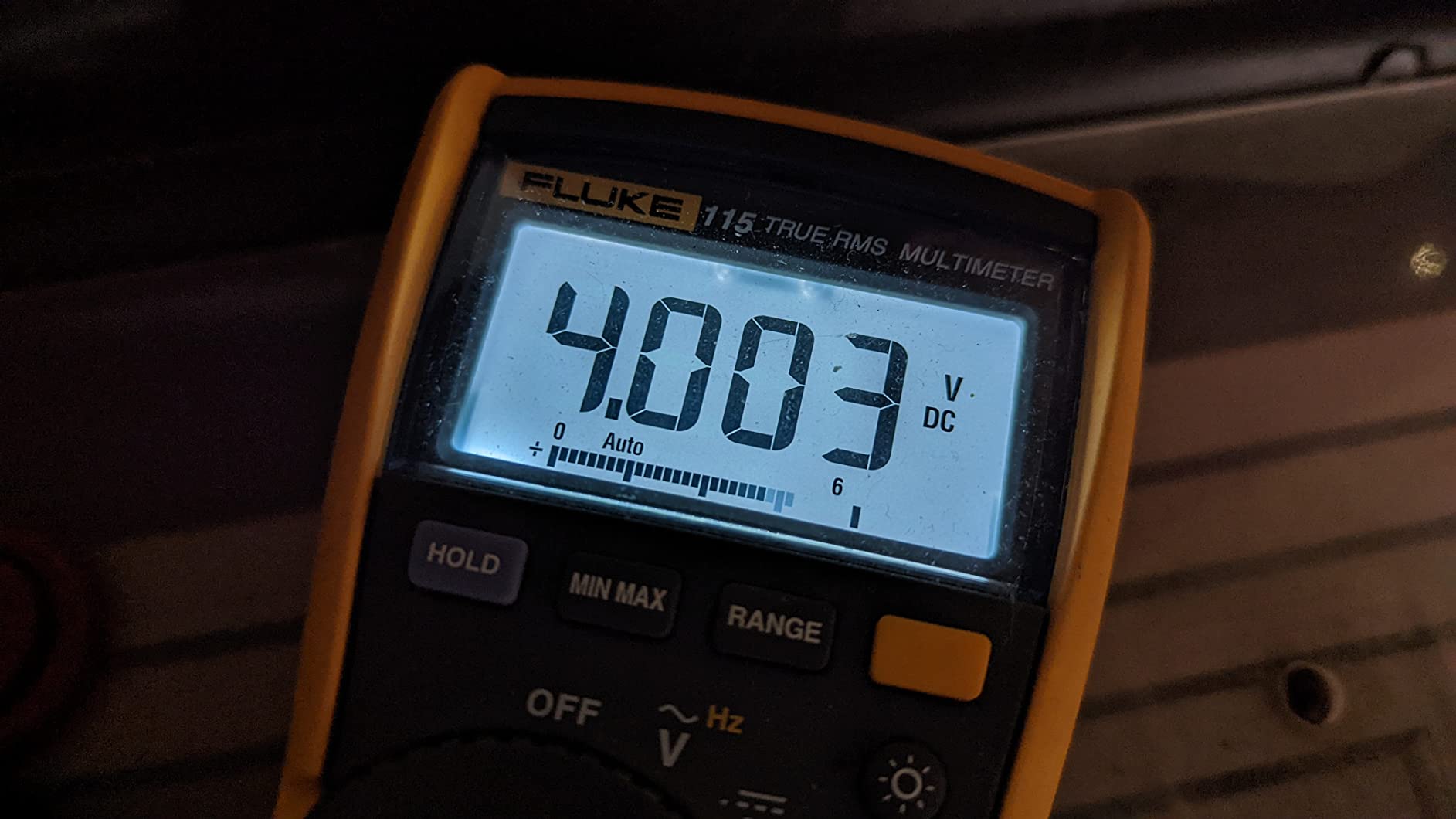
Like its competitors, it is unmanaged, so there are no VLANs and no per-port configuration. One rare but reported issue involves units that arrived without proper grounding showing measurable potential on port shielding, so if you are installing this yourself into mains wiring rather than a bonded adapter, follow normal electrical practice.
Who the DGS-1016S suits
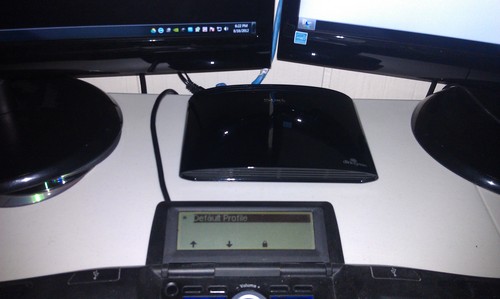
It suits a home office that has outgrown a single desk, a two-person studio, or anyone who wants to run new in-wall Ethernet to several rooms at once. Because it is fanless, it is quiet enough to sit in a study, and because it is metal rather than plastic it runs cool under sustained load.
It is also the pick for anyone consolidating smart-home and office gear: cameras, a NAS, printers and access points all terminate cleanly in one box with room to grow. Reviewers consistently praise the durability and the simple installation.
Who should skip it
Skip it if you only need four or five ports; you will be paying for capacity you never use and giving up a much smaller form factor. Skip it if you need VLAN separation, and skip it if you need PoE, since there is no power budget at all. It is also overkill for a single desk, where cable management alone becomes the harder problem.
4. NETGEAR GS305E – The Easiest Way to Start Using VLANs
NETGEAR 5-Port Gigabit Ethernet Easy Smart Managed Network Switch (GS305E)
5 x 1.0Gbps auto-negotiating ports
802.1Q VLANs, QoS, loop prevention
Web-based management
Fanless metal chassis
Pros
- Works as a plain plug-and-play switch out of the box with VLANs available when wanted
- Straightforward web interface for 802.1Q tagging PVIDs and QoS
- Compact and silent so it can be hidden per room for a segmented network
- Solid metal housing that stays cool under full load
- Assigning the switch an IP address resolves lag some users saw out of the box
Cons
- Firmware updates are manual and the downloaded archive must be extracted to a binary file
- Discovery utility is Windows-only so Mac and Linux users must check the router DHCP list
- Web interface is easier when the switch is connected directly to a PC
The GS305E is the middle ground that most home office buyers do not realise they need until they hit a problem. Out of the box it behaves like a plain unmanaged switch. Open the web interface and you get 802.1Q VLANs, QoS, port monitoring and loop prevention, which is exactly the feature set that separates work traffic from home and guest traffic.
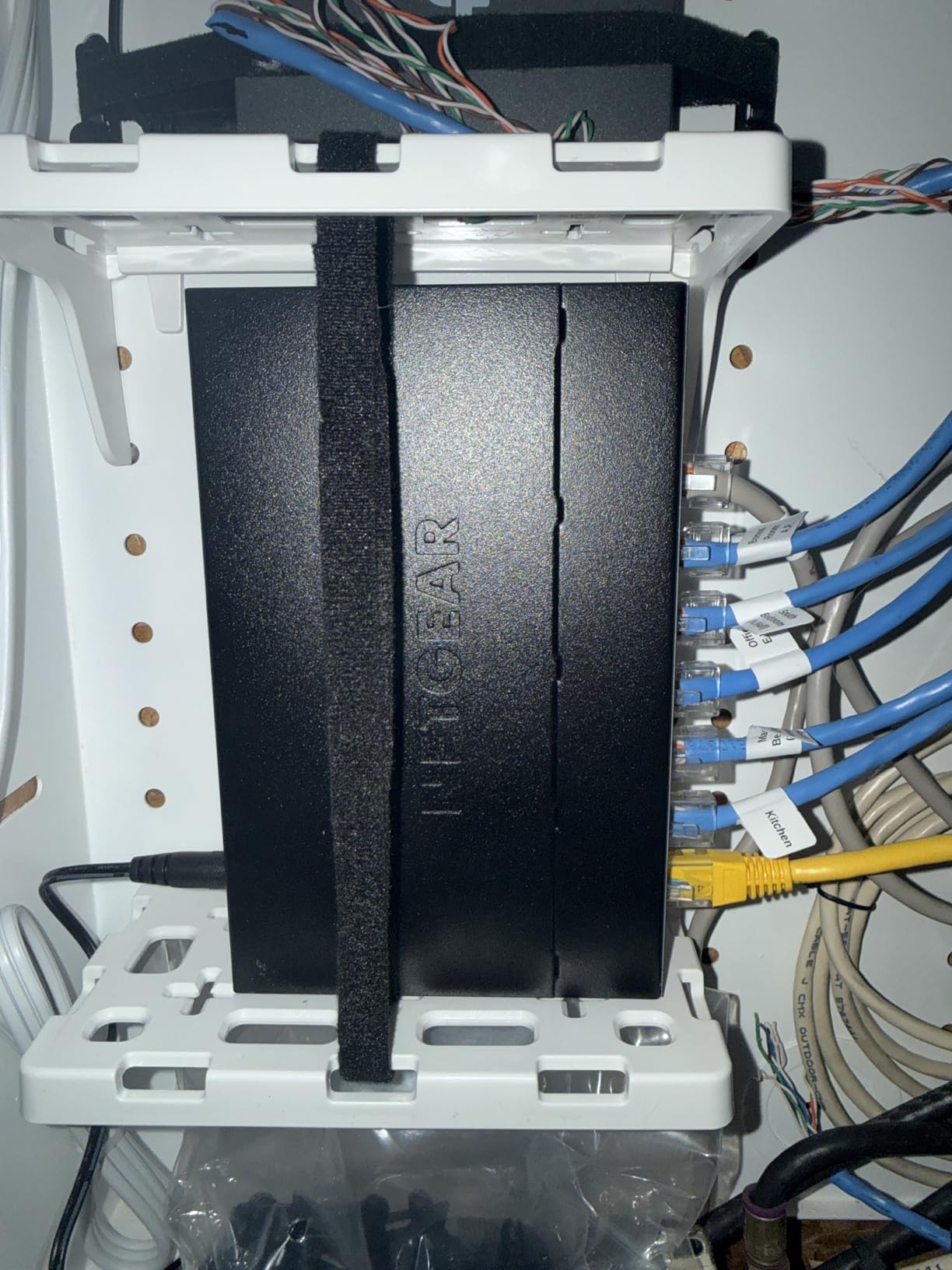
The pattern owners describe is buying one of these for the main room and dropping a second in a bedroom or upstairs office so the VLAN segmentation extends through the house. With 4431 reviews at 4.7, the reports are consistent enough to trust: the web UI is judged simple once the switch has an IP address, and the metal case is compact and quiet enough to hide.
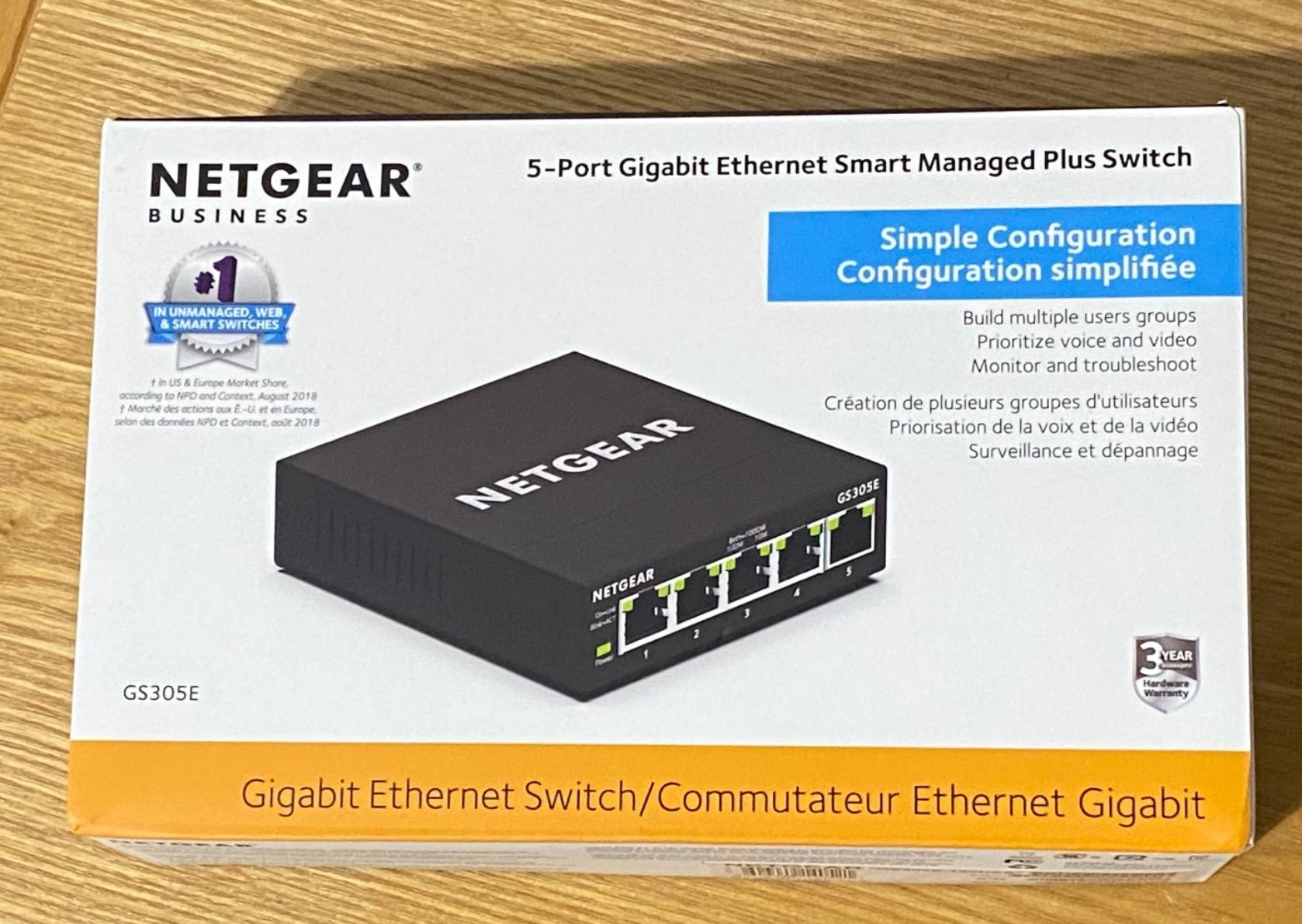
There is one operational detail that catches people out. The switch does not have an IP address by default, so you either find it through the Windows discovery utility or by checking the DHCP client list on your router. Several users reported early lag that resolved as soon as the switch was given a static address, which is worth knowing before you blame the hardware.
The friction is in the software side rather than the networking. Firmware updates are a manual download, and the archive has to be extracted to a .bin file before upload. The discovery utility is Windows-only, so Mac and Linux users need the router’s DHCP list instead. None of that is difficult, but it is not zero-config either.
Who the GS305E suits
It suits someone who wants VLAN separation but is not ready to learn a full smart-managed or controller-based system. It is a good fit if you work from home and want your work laptop, printer and NAS on one VLAN while family devices sit on another, and you have a router that can route between subnets.
It also suits people with several small rooms to cover, since the compact metal body can be wall-mounted in each. The three-year NETGEAR hardware warranty is a reasonable middle ground in this list.
Who should skip it
Skip it if your router cannot route between VLANs, because the switches will tag traffic correctly and nothing will happen, which is the most common VLAN frustration in home networks. Skip it if you want smartphone-based management or advanced features like link aggregation and static routing. And if you have zero interest in segmentation, spend the difference on more ports instead.
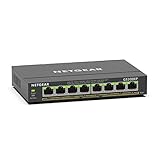
5. NETGEAR GS308EP – Best PoE+ Switch for Cameras and Access Points
NETGEAR 8 Port PoE Gigabit Ethernet Easy Smart Managed Switch (GS308EP)
8 x 1.0Gbps with 8 PoE+ ports
62W total PoE budget
Per-port PoE control
Fanless, 802.3az
Pros
- Eight PoE+ ports on a single 62W budget simplify powering cameras and VoIP phones from one box
- Combines gigabit switching with VLANs QoS and port monitoring in a basic web interface
- Compact fanless and mountable on a wall or desk
- Per-port PoE control lets you shut down power to unused ports
Cons
- Web management requires a short learning curve rather than true zero-config
- The 62W shared budget is modest for many high-draw PoE devices
PoE is the feature that changes what a switch can do, and the GS308EP is the version of that feature most home offices can justify. Eight PoE+ ports sharing a 62 watt total budget means an IP camera, a WiFi 6 access point and a couple of VoIP phones can all draw power from the cable itself, with no power brick at each device.
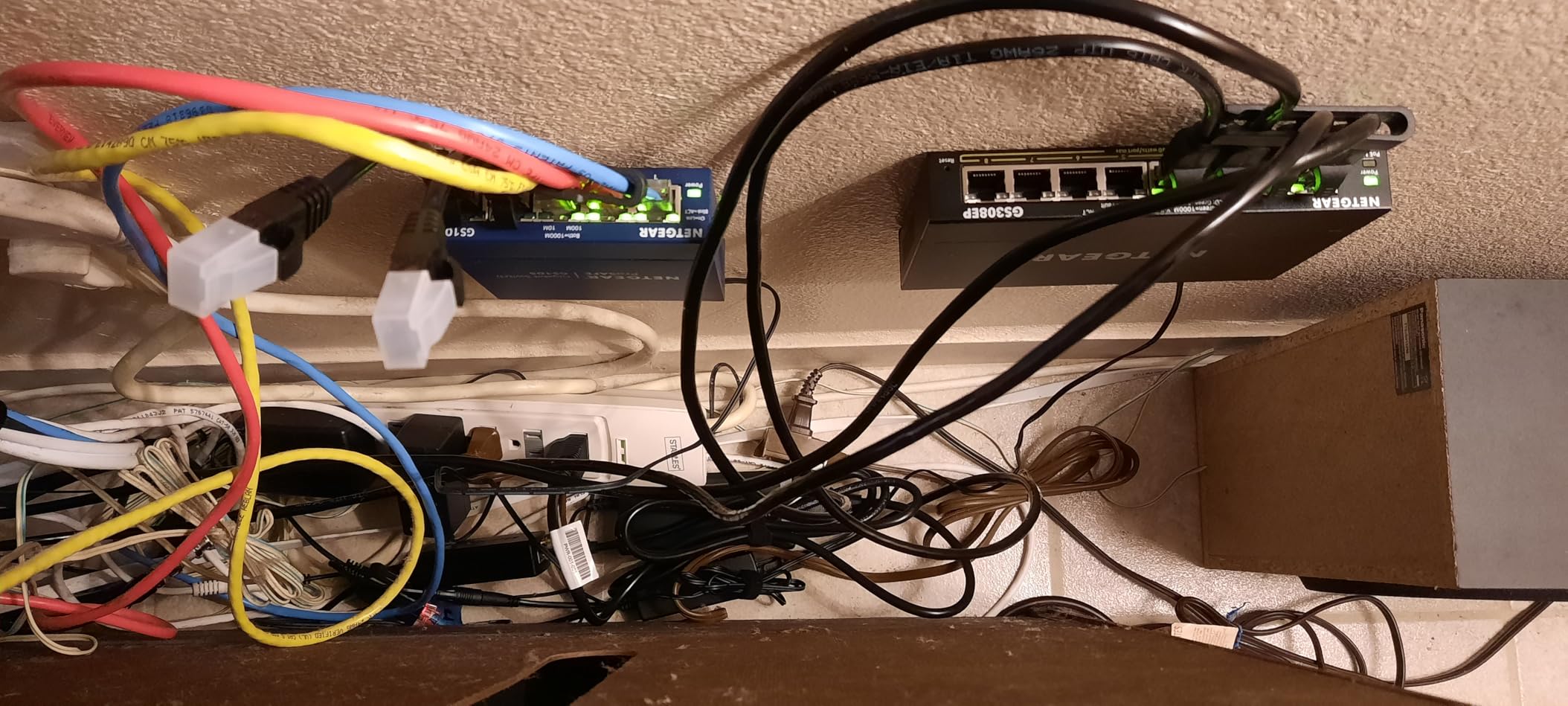
Buyers pick this precisely to consolidate a small surveillance, VoIP or access point deployment onto one powered box instead of running injectors. The 4.8 rating across 1043 reviews reflects consistent reports of reliable power delivery, silent operation and genuinely useful management options without the enterprise price.
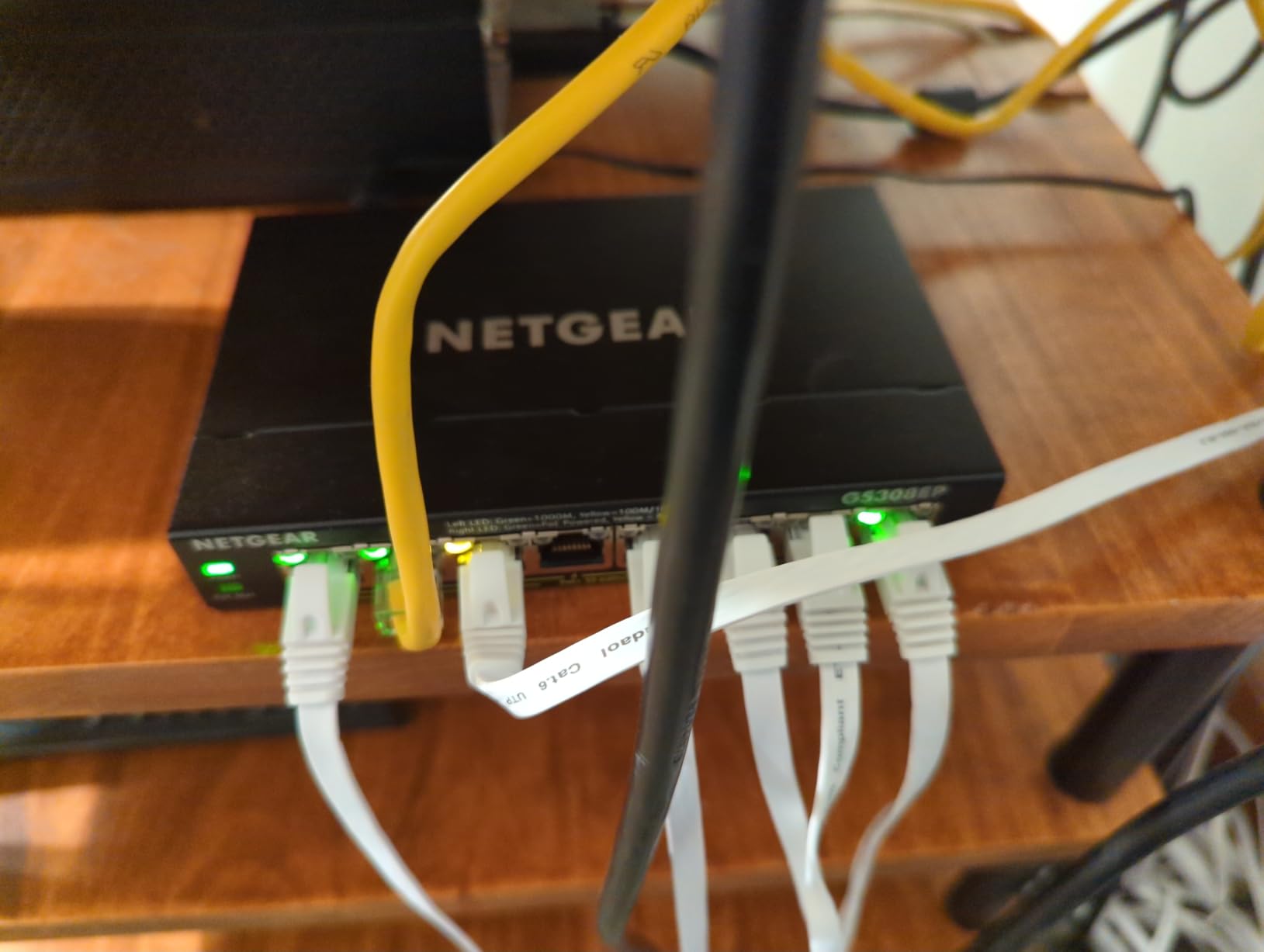
The switching side is 8 x 1.0Gbps auto-negotiating ports, and the listed aggregate data rate of 16 gigabits per second reflects full duplex across the fabric. Management is the Easy Smart Managed set: VLANs, QoS, port monitoring and loop prevention, reachable from a browser. Per-port PoE control means you can cut power to an empty port, and uninterrupted PoE keeps devices alive during a switch reboot, which matters for a camera that is your only view of a doorway.
The 62 watt budget is the number to plan around. A 802.3at PoE+ port can draw up to about 30 watts, so in the worst case the budget supports only two ports at full draw, and a third and fourth device will need to negotiate lower power or wait. It is also a plastic chassis rather than metal, which is fine on a wall but worth noting for a desk.
Who the GS308EP suits
It suits a home office adding two or three IP cameras, a ceiling access point, or VoIP desk phones where running a second cable to each device is the expensive part. Having the switch handle power and data in one run simplifies both the drilling and the troubleshooting.
It also suits people who want VLANs and PoE together without moving up to a full smart-managed box. Being fanless, it is quiet enough for an office or a closet, and it mounts on a wall or a desk.
Who should skip it
Skip it if you plan to power six or more high-draw PoE+ devices; the shared budget will be the limiting factor, and a switch with a 120 watt or higher budget fits that case better. Skip it if you need 802.3bt power over Ethernet for a single demanding device, because this is PoE+ territory, not PoE++. And if you need more than eight ports, the arithmetic works against you again.
6. TP-Link TL-SG1024 – The 24-Port Switch for a Full Office or Smart Home
TP-Link TL-SG1024, 24 Port Gigabit Unmanaged Ethernet Switch
24 x 10/100/1000Mbps RJ45
19-inch rack-mount steel case
802.3X flow control and back pressure
6.59 watts maximum draw
Pros
- Rock-solid steel chassis rated for years of continuous service in racks and patch panels
- 24 ports means a single box can terminate a whole office or smart-home run
- Pushes full gigabit throughput with many simultaneous transfers including jumbo frames
- Silent fanless operation on newer hardware revisions
- Includes rubber feet rackmount ears and a standard IEC C13 power socket
Cons
- No fiber or SFP uplink port for stacking or trunking
- Unmanaged with no VLAN or QoS configuration
- Some older hardware revisions shipped with a noticeably audible fan
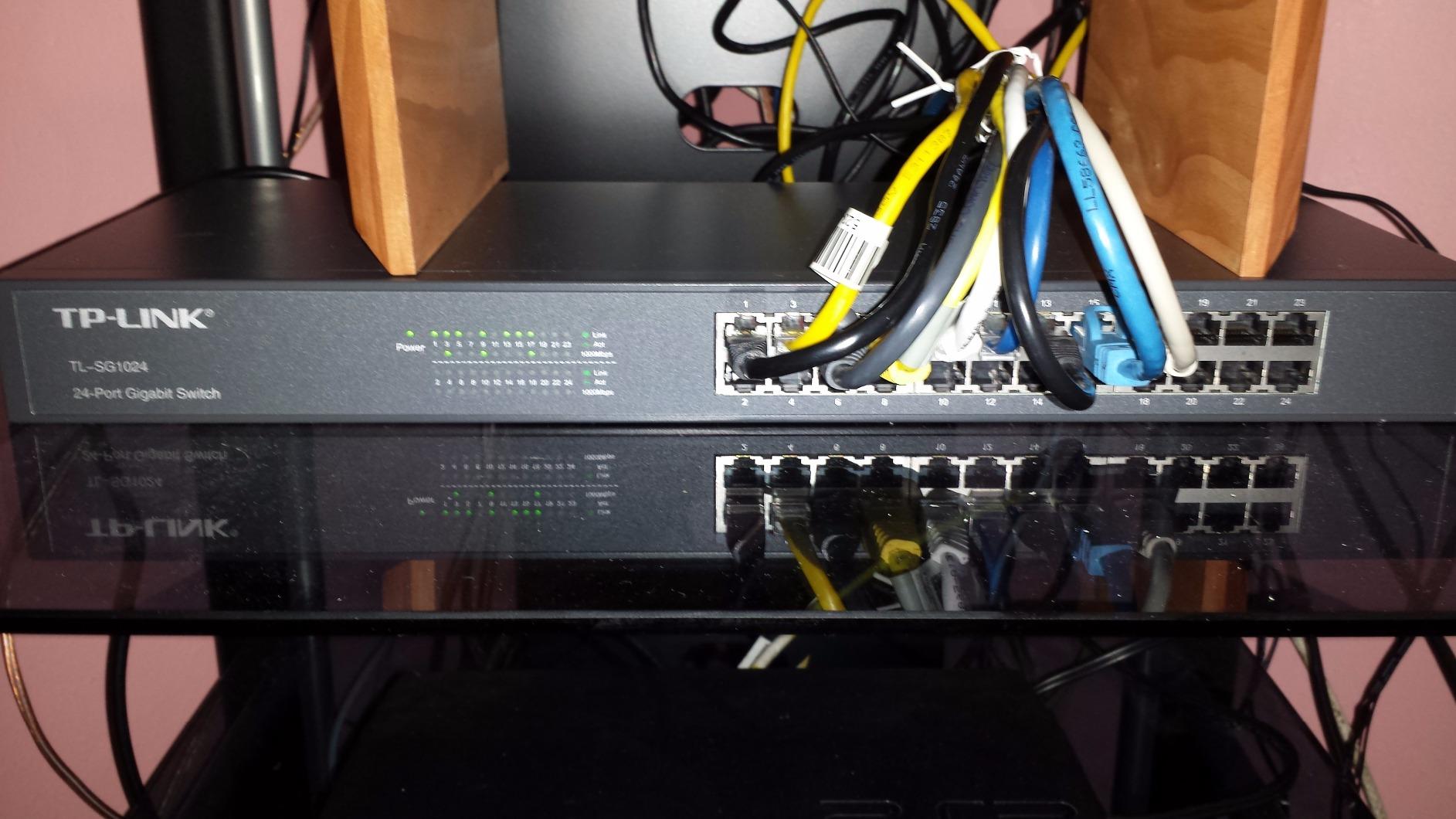
Twenty-four ports is the number that makes a home office look like a small office. The TL-SG1024 gives you 23 usable device connections after the uplink, which is enough to terminate every room in a house, every desk in a small studio, or a full smart-home and camera run without daisy-chaining a second switch.
Long-term owners describe it as the dependable, no-nonsense workhorse used in home labs, offices and racks, with reports of units still running after a decade. That is the kind of track record that matters for infrastructure you do not want to think about again.
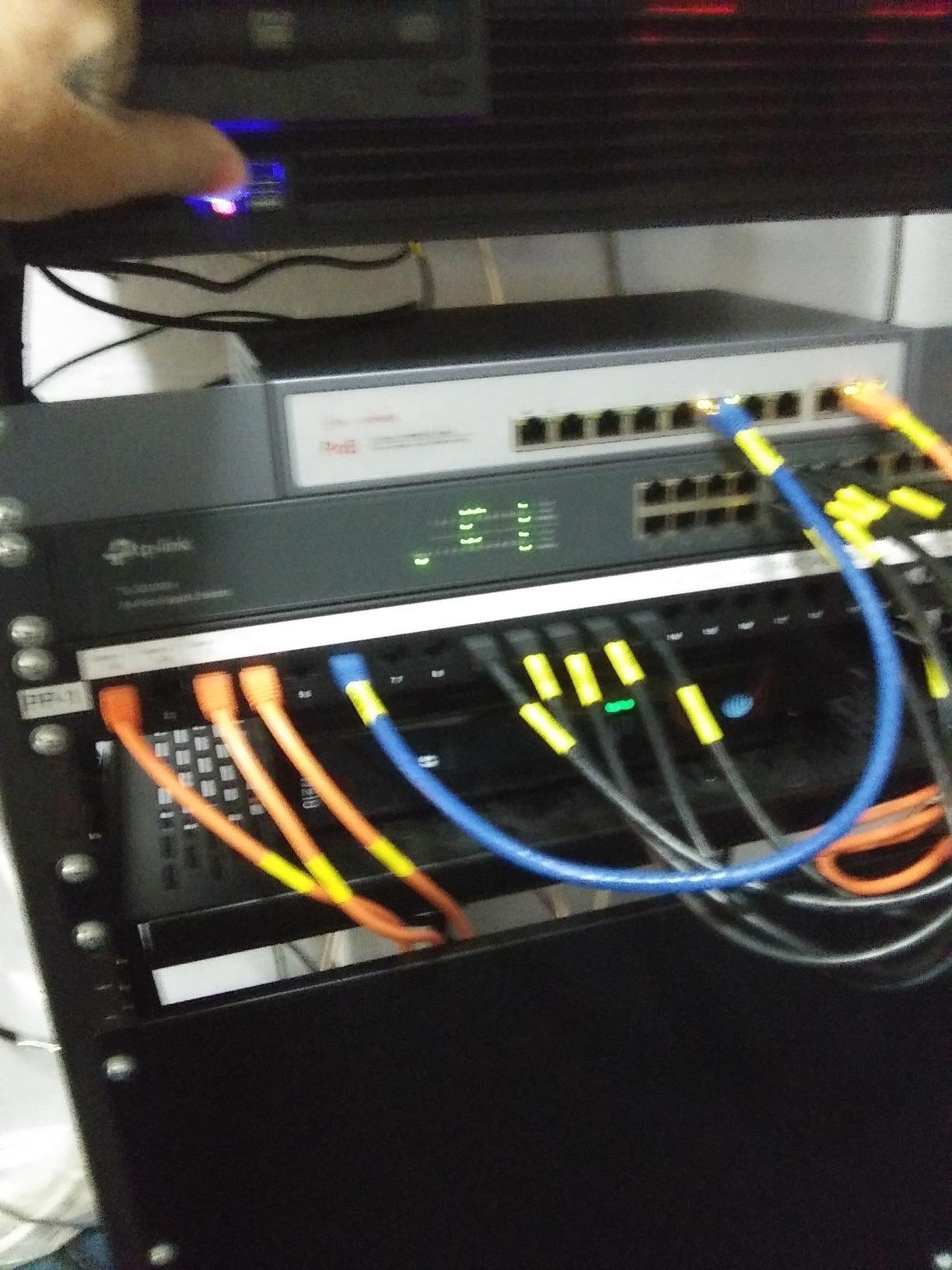
Technically it is a standard 19-inch rack-mountable alloy steel case with included rackmount kits and rubber feet, so it works in a cabinet or on a shelf. It does MAC address self-learning and auto MDI/MDIX, offers full and half duplex on 10 and 100 Mbps with full duplex on 1000 Mbps, and implements IEEE 802.3X flow control plus back pressure. Maximum power draw is listed at 6.59 watts, which is remarkably low for 24 ports, and users report jumbo frames up to around 10K working.
Two things to know before buying. There is no SFP uplink, so you cannot trunk to a fibre run or stack a second switch, which is the main reason to look at a 10-port smart model instead. And while newer hardware revisions are fanless, some earlier revisions shipped with an audible fan, so if noise matters, confirm the revision or buy new.
Who the TL-SG1024 suits
It suits a home office that is genuinely expanding: a team of six or more wired endpoints, or a house where you have run Ethernet to every room and want one central termination point. The rack ears and rubber feet mean you can install it properly in a cabinet rather than balancing it on a desk.
The low 6.59 watt maximum draw is genuinely useful if you are powering the whole thing from a small UPS. Reviewers highlight throughput under heavy parallel load as the standout feature.
Who should skip it
Skip it if you are a single user; a 5-port or 8-port switch covers that with a fraction of the size and cost. Skip it if you need an SFP uplink, VLANs, or PoE, since none of those exist here. It is also the wrong choice for a desk-adjacent office where a fan could be audible.
7. Tenda SE108 – The Best Value 2.5GbE Switch for Fast Workstations
Tenda 2.5Gb Switch, 8 Port Multi-Gigabit Unmanaged Ethernet Switch 2.5Gb
8 x RJ45 at 100/1000/2500 Mbps
16K MAC address table
802.3x full duplex flow control
7 watts maximum draw
Pros
- Eight 2.5GbE ports at a price well below other multi-gig options
- Truly plug-and-play with no software or configuration
- Tiny lightweight low-power and runs quietly
- Front-facing LEDs and rear ports make it easy to side-mount inside a desk
- Users report real 1.7 to 2.2 Gbps throughput on multi-gig service
Cons
- Status LEDs are only visible from directly above not from the front at a distance
- The router uplink should go in a specific port that is not clearly marked as an input
- Does not forward IEEE 1905.1 so it cannot provide Ethernet backhaul for some mesh Wi-Fi systems
Multi-gig is the feature people ask about and then overpay for. The Tenda SE108 delivers eight ports that each negotiate 100, 1000 or 2500 Mbps, which is the tier that matters for a fast workstation, a modern NAS or a console rather than for browsing. The complaint you see most often, that 2.5GbE hardware is overpriced, is exactly the problem this switch answers.
Owners mainly deploy it as a small, tidy aggregator for a NAS, consoles and a wired room run, and they report a good experience with throughput and a form factor small enough to disappear. Real measured results in user reports land between 1.7 and 2.2 Gbps on multi-gig service, which is consistent with a device that can push the full 2.5 gigabit line rate.
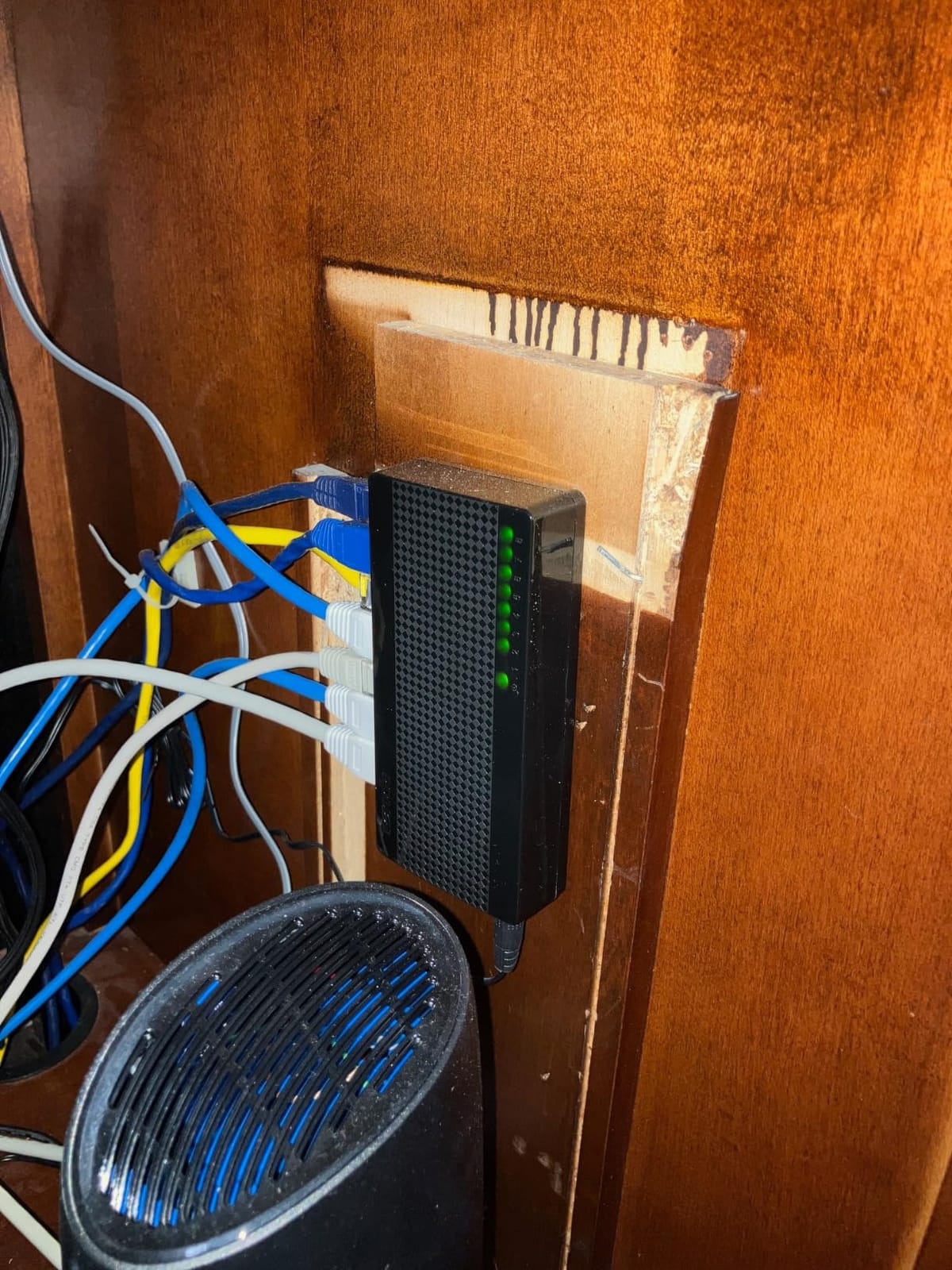
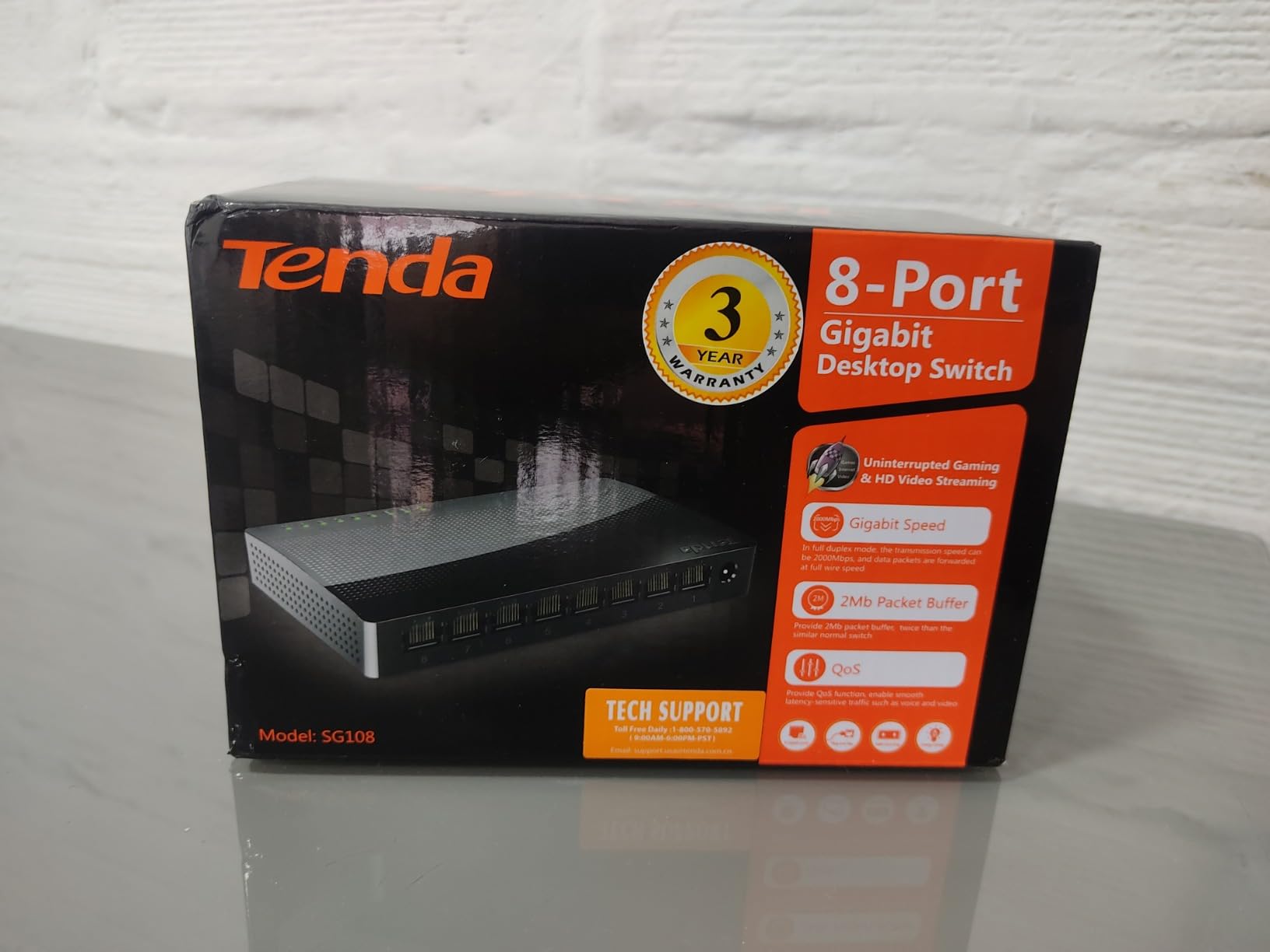
It is unmanaged, plug-and-play, and rated to 7 watts maximum power with a fanless design, so it is genuinely low heat. The 16K MAC address table is more than a home office needs. Desktop or wall mounting are both supported, and the 5.6 by 3.55 inch footprint is one of the smaller multi-gig boxes available.
The criticisms are physical rather than performance related. The status LEDs are only readable from directly above, so a side-mounted installation hides them, and the port the router should connect to is not clearly marked as an input, which leads to a few minutes of confusion on first setup. One detailed report notes it does not pass IEEE 1905.1, so it cannot carry Ethernet backhaul for some mesh WiFi systems, which rules it out for a specific mesh setup.
Who the Tenda SE108 suits
It suits someone with a multi-gig NIC in a workstation or NAS who is currently capped near 118 MB per second on gigabit hardware. It also suits a gaming PC setup where a local network transfer, not the internet connection, is the bottleneck, and where you would rather not run a single cable from room to room.
It suits desk-side installation, since the low 7 watt draw and fanless case produce no audible noise and almost no heat. The three-year warranty with lifetime technical support is a reasonable backstop for a relatively young product category.
Who should skip it
Skip it if your devices only have gigabit NICs, because you will pay for speed nothing can use. Skip it if you rely on mesh WiFi Ethernet backhaul, given the IEEE 1905.1 limitation. And if you want management, VLANs or PoE, this is the wrong box entirely, since it offers none of the three.
8. GiGaPlus 8×2.5G + 2x10G SFP+ – The Switch for a 10GbE Backbone
10 Port 2.5Gb Unmanaged Ethernet Switch with 8* 2.5G Base-T Ports, 2* 10G SFP+ Ports. GiGaPlus 2.5Gbps Network Switch for 2.5Gbps NAS/PC, WiFi6 Router, Wireless AP. Fanless Design, Plug and Play
8 x 2.5G RJ45 plus 2 x 10G SFP+
80Gbps switching capacity
IEEE 802.3bz 2.5G compliant
4KV lightning protection
Pros
- Rare combination of eight 2.5G copper ports and two 10G SFP+ uplinks in one box
- Plug-and-play unmanaged operation with no configuration needed
- Fanless metal chassis stays cool and silent under full load
- SFP+ ports accept both fiber and 10GBASE-T copper modules for a 10Gbps backbone
- Strong value compared with 10GbE-capable alternatives
Cons
- Several reports of SFP+ ports failing after several months of light use
- Status LEDs sit on the same side as the ports and become hidden once cables are plugged in
- Only a 1-year warranty and some buyers report limited post-sale support responsiveness
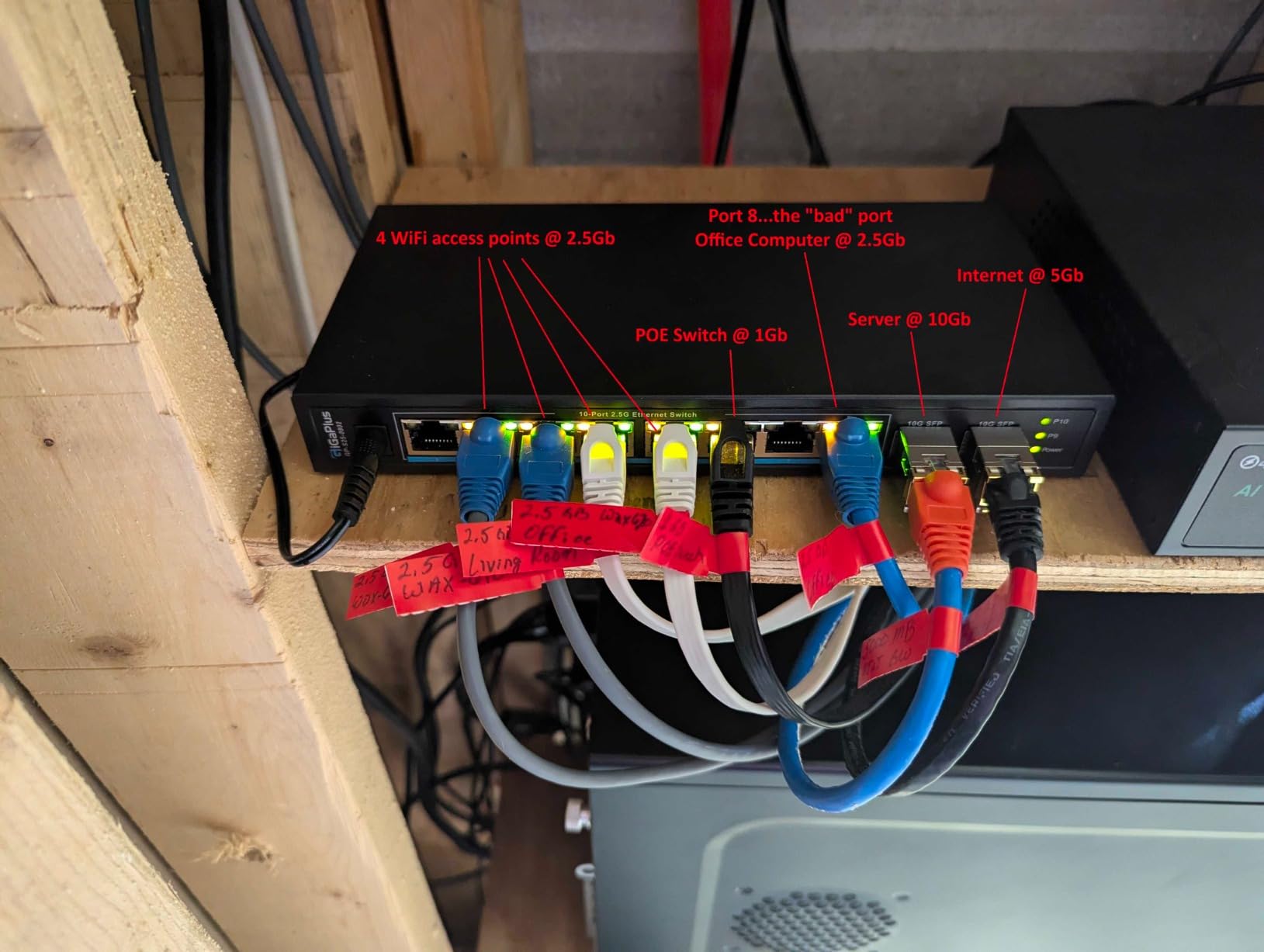
This is the only switch in the roundup with 10 gigabit SFP+ uplinks, and that is the reason to buy it. If you are running a home lab, a 10GbE backbone between rooms, or a rack-mounted core switch, the two SFP+ ports let you bridge 2.5GbE devices onto a 10 gigabit network instead of truncating everything to 1 gigabit.
Home-lab builders describe exactly this setup: 10GBASE-T SFP+ modules in each room connected back to a rack switch, with measurable gains over gigabit once traffic exceeds the single-port limit. The copper 2.5G ports are consistently praised, and the switching capacity is listed at 80Gbps with non-blocking forwarding, which is far more headroom than a home network will use.
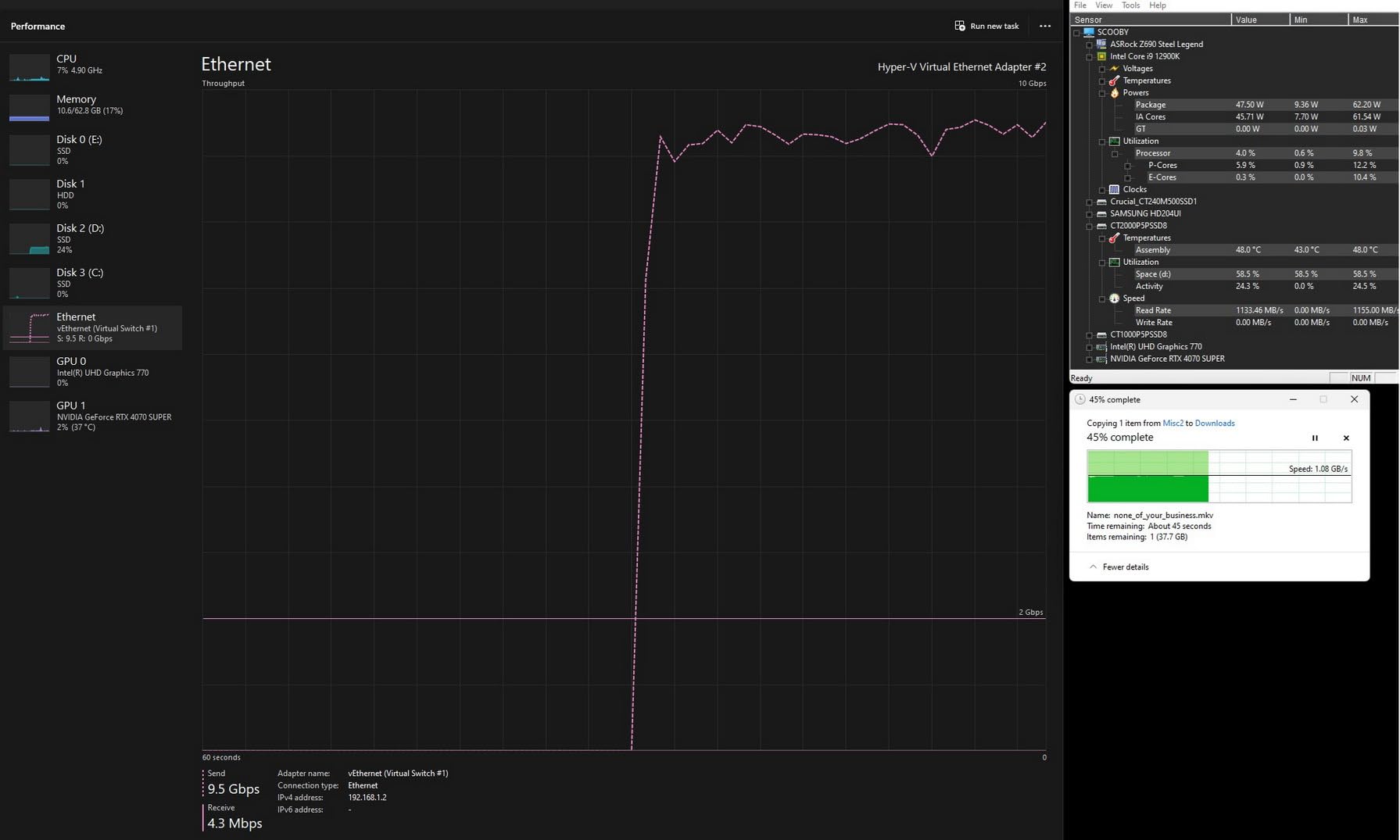
The eight RJ45 ports are IEEE 802.3bz compliant, which is the multi-gig standard, and they auto-negotiate across 100, 1000 and 2500 Mbps. The chassis is metal with 4KV lightning protection, which is reassuring for a device that may sit in an unprotected closet, and it is fanless, desktop and wall mountable.
The SFP+ ports are also where the complaints live. Several reviewers report the SFP+ ports failing after several months, and that is a pattern worth respecting if you are depending on them. The status LEDs are on the same face as the ports, so plugged-in cables hide them, and the warranty is only one year, noticeably shorter than everything else in this list.
Who the GiGaPlus 8×2.5G suits
It suits a home lab builder or a technical user who has already decided to run fibre or 10GBASE-T between rooms and needs a cheap aggregation layer at each end. The combination of eight multi-gig copper ports and two 10G uplinks in one unmanaged box is genuinely rare.
It also suits a user consolidating 2.5G NAS, 4K video sources, gaming PCs and WiFi 6 access points in one place, since the 80Gbps fabric removes any doubt about internal bottlenecks.
Who should skip it
Skip it if the SFP+ ports are a nice-to-have, because the failure reports and the one-year warranty are a real risk for the feature you are paying for. Skip it if you want management. And skip it if you are simply out of ports, because two 10G SFP+ slots are not something an ordinary home office can use without matching hardware.
9. TP-Link TL-SG2210P – The Best Managed PoE Switch for Home Offices
TP-Link TL-SG2210P V3 | Jetstream 8 Port Gigabit Smart Managed PoE Switch | 8 PoE+ Ports @61W, 2 SFP Slots | Omada SDN Integrated | PoE Recovery | IPv6 | Static Routing | Limited Lifetime Protection
8 PoE+ ports at 30W each, 61W total
2 Gigabit SFP slots
802.1Q VLAN, ACL, 802.1X
L2/L3/L4 QoS and IGMP snooping
Pros
- Full smart-managed feature set at a price below enterprise alternatives
- 8 PoE+ ports with a 61W budget plus two SFP fiber uplinks in a compact metal box
- Standalone management works out of the box with optional Omada SDN centralization
- Fanless and quiet suitable for a home office or small closet
Cons
- Not rack mountable
- only desktop or wall mount
- Omada controller setup adds complexity for users who just want standalone control
- 61W total PoE power is modest for a large camera or AP deployment
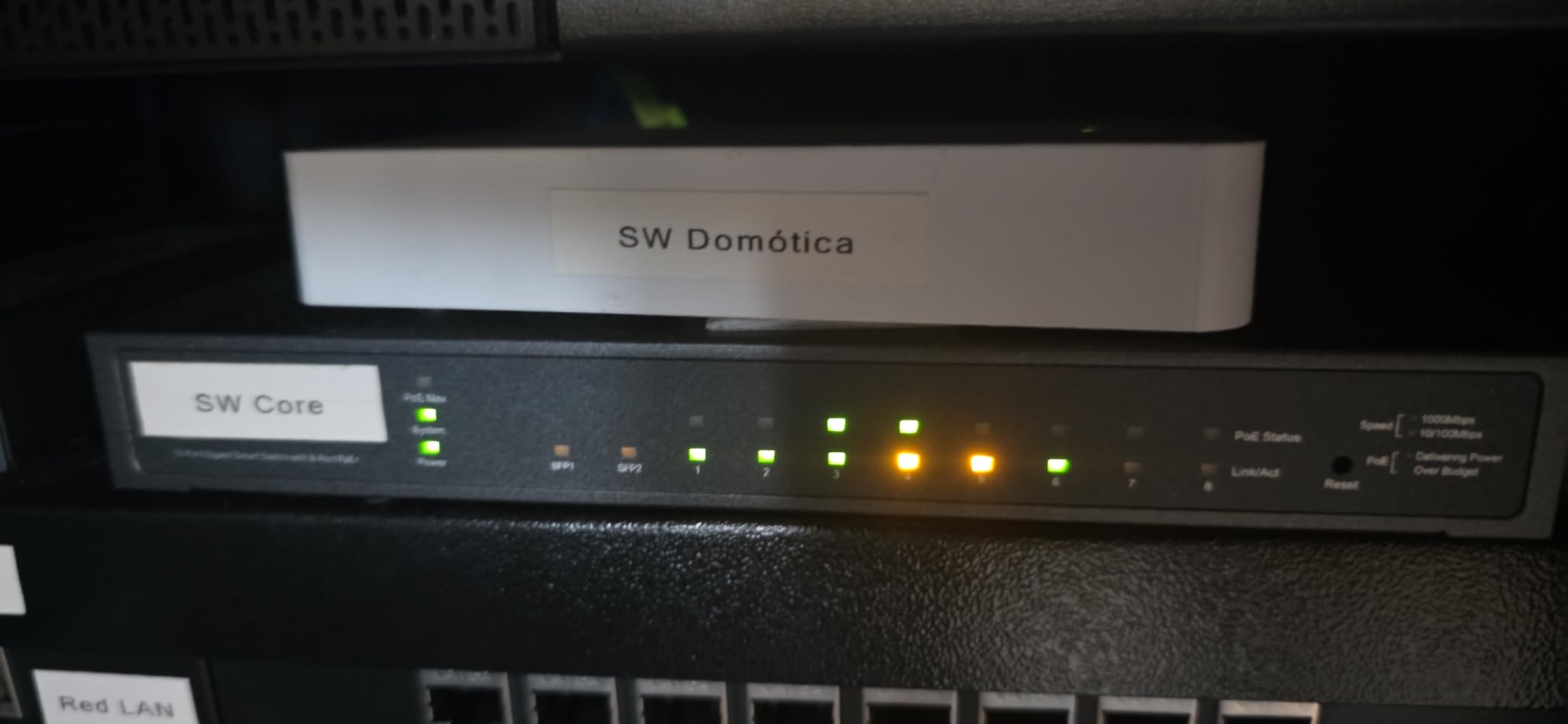
This is the most capable switch in the guide and the one to buy if you genuinely want a small business network at home. The TL-SG2210P is a smart-managed JetStream model with 8 PoE+ ports at 30 watts each, 2 Gigabit SFP slots, and a management feature set that would be at home in a small business closet.
Buyers choose it when they want VLANs, ACLs, QoS and PoE in one small box without paying enterprise prices, typically to power access points and IP cameras from a home or small-office closet. The 4.6 rating across 253 reviews is solid, with positive notes on build quality and feature breadth.
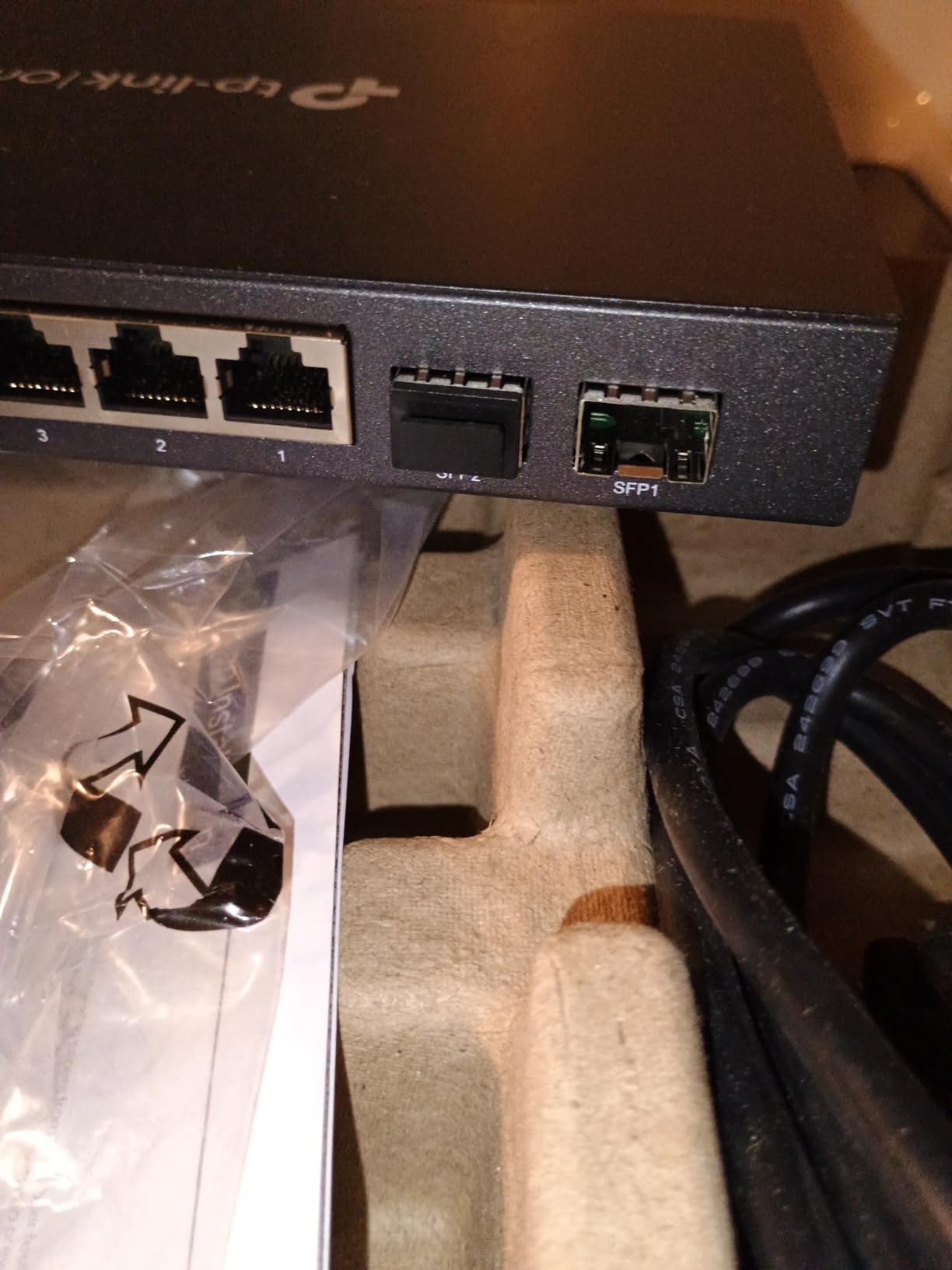
The security and traffic feature list is the real differentiator: 802.1Q VLAN, ACL, port security, DHCP snooping, IP-MAC-port binding and 802.1X on the security side, plus L2, L3 and L4 QoS, IGMP snooping, link aggregation, static routing and IPv6 on the traffic side. Management works standalone through a web interface, CLI, SNMP and RMON, and it integrates with Omada SDN if you later want to centralise switches, access points and gateways in one app.
Two practical limits. It is desktop or wall mount only, with no rack mounting, which is fine in an office but matters if you have a cabinet. And the 61 watt total PoE budget is modest for a large camera or access point deployment, so count your draws before committing.
Who the TL-SG2210P suits
It suits a home office that has outgrown consumer gear and wants real traffic control: separate VLANs for work, home and guests, QoS for calls, and PoE for cameras and access points. It also suits anyone already using Omada who wants the switch to join an existing controller setup.
The five-year warranty is among the longest in this roundup, and being fanless and metal, it is quiet and cool for a closet or an office shelf. The SFP slots also give you a path to fibre uplinks later.
Who should skip it
Skip it if you have five or six wired devices and no PoE needs, because you would be paying for capability you will not touch. Skip it if you want to rack mount it. And if you plan a dozen or more PoE devices, the 61 watt budget means you need a larger PoE switch, not a bigger configuration of this one.
10. D-Link DGS-1210-10 – The L2+ Smart Switch with a Lifetime Warranty
D-Link 10-Port Gigabit Smart Managed Switch | 8 GbE + 2 SFP Ports | L2+ | VLANs | Cable Diagnostics | Web Managed | Desktop or Rackmount | Fanless | NDAA Compliant | Lifetime Protection (DGS-1210-10)
8 Gigabit RJ45 plus 2 Gigabit SFP ports
L2+ with static routing and VLANs
Surveillance mode with ONVIF support
Lifetime hardware warranty
Pros
- L2+ feature set including static routing VLANs and QoS in a web-managed box
- Two SFP ports allow fiber uplinks and longer runs to a main rack
- Surveillance mode auto-detects ONVIF cameras and prioritizes their video traffic
- Fanless design runs silently and can be desk-mounted or rack-mounted
- Lifetime hardware warranty
Cons
- Web interface carries a learning curve for first-time smart-switch users
- Gigabit-only copper ports with no 2.5G or 10G for modern NAS or WiFi 6 gear
- Bundle includes a CD and power cord but no rack rails beyond a basic retainer kit
The DGS-1210-10 finishes our list as the option with the longest warranty of any switch here, a lifetime hardware warranty, and a feature set that sits between a simple smart switch and an enterprise box. It is an L2+ model, which in practice means static routing on top of the usual Layer 2 VLAN and QoS tools.
Buyers who choose it are usually after managed features plus SFP fiber uplinks without moving to enterprise pricing, and a number of them are setting up camera systems. The 4.4 rating across 198 reviews reflects a broadly positive but smaller owner pool than the budget picks, with the recurring notes that the build is solid and the feature set is broad.
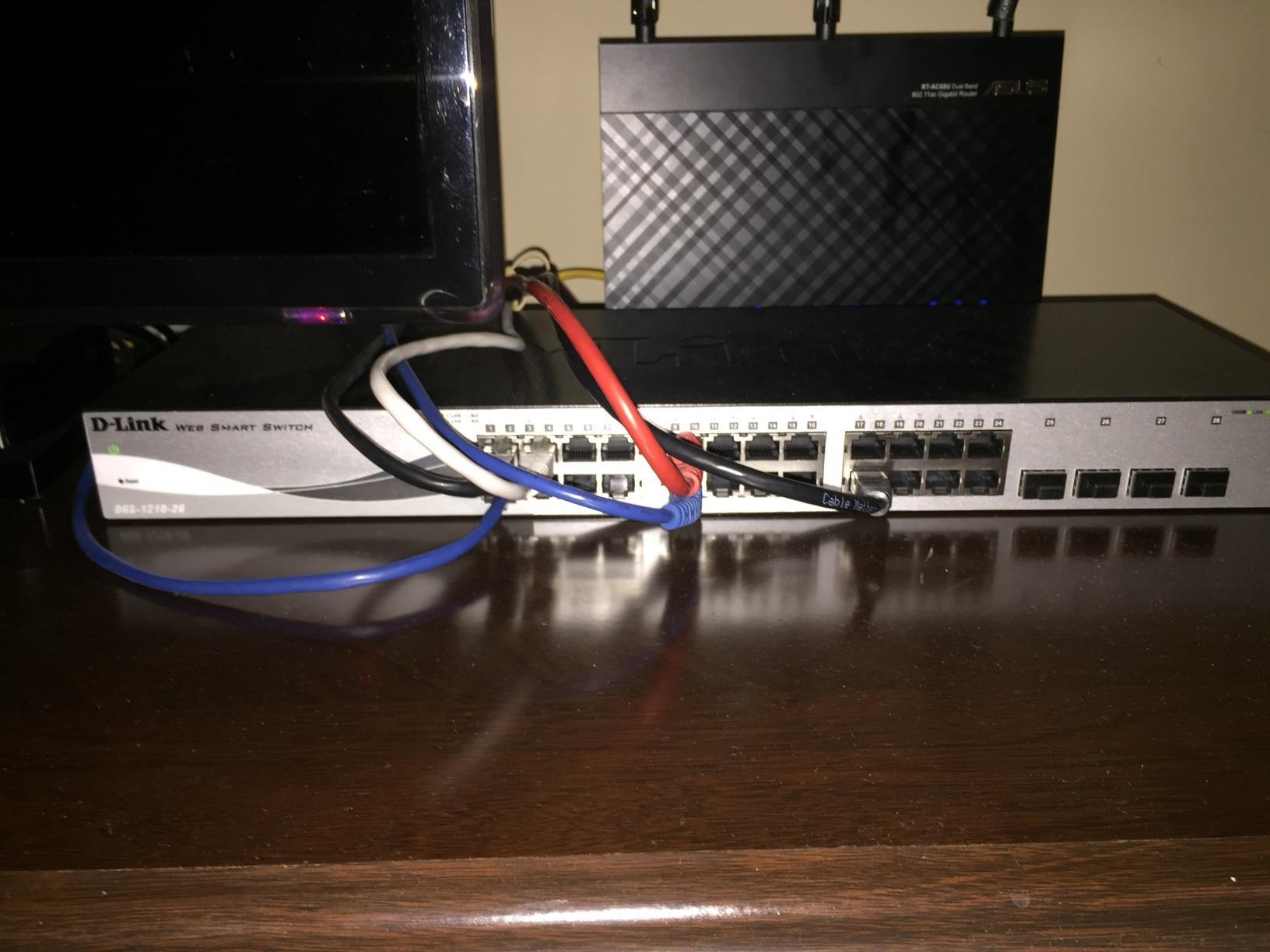
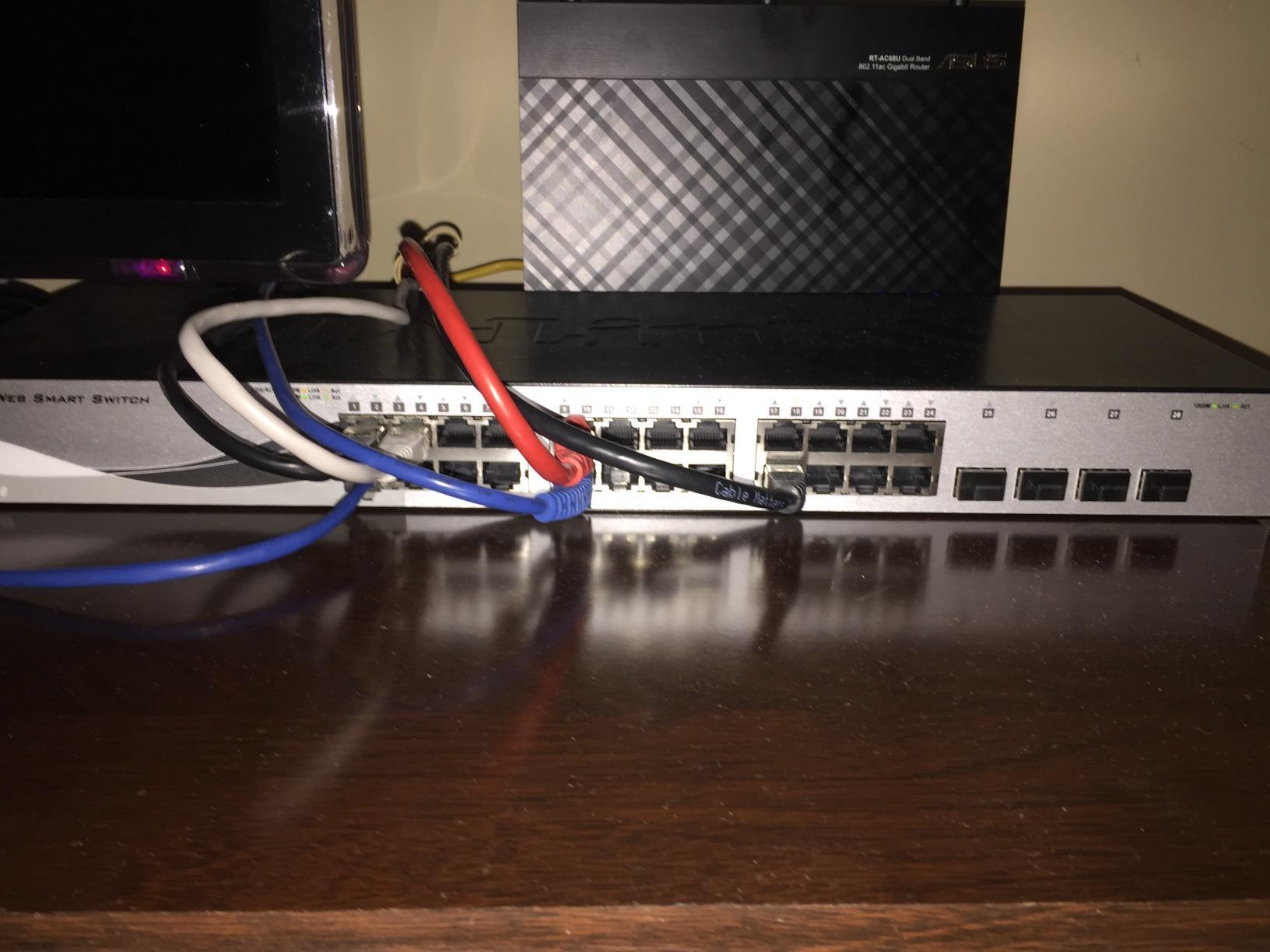
Specification-wise you get 8 Gigabit Ethernet ports plus 2 Gigabit optical SFP ports, which is enough to reach a main rack over fibre or a long copper run. Traffic management includes bandwidth control, QoS, VLANs, port mirroring, link aggregation, spanning tree, IGMP snooping and static routing. Security covers ACL, 802.1X with RADIUS and ARP spoofing prevention, and it is NDAA compliant for anyone working in a regulated environment.
The feature that stands out for a home office is surveillance mode, which auto-detects ONVIF cameras and prioritises their video traffic. Otherwise, the web interface has a learning curve for first-time smart-switch users, the copper ports are gigabit only with no 2.5G or 10G, and the included mounting hardware is a basic retainer kit rather than proper rack rails.
Who the DGS-1210-10 suits
It suits a home office running several IP cameras and an NVR, where surveillance mode and QoS for video traffic are worth more than raw port speed. It also suits anyone who wants to reach a distant rack or closet over fibre, since the two SFP ports are the only way to do that on a switch in this price class.
The lifetime warranty is the quiet winner for anyone who plans to keep the same infrastructure for a decade, and the fanless design is safe on a desk or in a cabinet, with a rack mount kit included.
Who should skip it
Skip it if your devices include a modern NAS or a multi-gig workstation, because the copper ports cap at one gigabit per port. Skip it if you want smartphone or app-based control, since this is web managed only. And if you are not comfortable with a web interface at all, an unmanaged switch will be a much better fit for your situation.
Do You Actually Need a Managed Switch?
For most home offices, no. The prevailing view across the home networking communities is that a basic unmanaged switch is genuinely sufficient, and the most common piece of advice is to buy a basic 8-port model and stop thinking about it. That advice is right far more often than the forums that push managed gear would have you believe, and it is why the TL-SG105 and GS308 take the top spots here.
There are three tiers, and the difference is simpler than most articles make it sound. An unmanaged switch has no IP address of its own, no configuration and no features; it forwards frames at line speed and that is all. An easy smart managed switch, like the GS305E or the DGS-1210-10, adds VLANs, QoS, port monitoring and loop prevention through a web browser. A fully smart managed switch adds link aggregation, static routing, ACLs and enterprise security, often with optional controller software.
Tom’s Hardware commenters push back hard on the “unmanaged is fine” framing, arguing that not having VLANs makes a switch nearly useless in 2026, and they are not entirely wrong. The counterpoint from other users is equally valid: features you configure once and never revisit are not worth a web interface and a firmware process. A useful rule is that you need a managed switch if you want VLANs, if you need PoE control, or if you want to see which cable is faulty. Everything else is optional.
How to Choose a Network Switch for a Home Office
1. Count ports, then subtract one for the uplink
This is the number one mistake in this category. Your switch needs one port to connect back to the router, so an 8-port switch gives you seven usable device connections, not eight. Work out the number of wired endpoints you have today, add two for future devices, and pick the port count above that. A 5-port switch is right for a single desk, an 8-port switch for most home offices, a 16-port switch for a house with in-wall runs, and a 24-port switch when one box has to terminate everything.
2. Decide whether gigabit is enough or you need 2.5GbE
One gigabit per port is roughly 118 MB per second in practice, which is faster than most internet connections. It is still the bottleneck when you copy files between two machines on the same network, or when you have a NAS and a workstation with multi-gig network cards. Two and a half gigabit Ethernet, defined by the IEEE 802.3bz standard, is the sweet spot for a home office in 2026 and negotiates down to 1 gigabit automatically with older devices.
3. Calculate the PoE budget before buying a PoE switch
Do the arithmetic before you buy, because PoE budgets are shared across all ports. 802.3af supplies up to about 15.4 watts per port, 802.3at (PoE+) supplies up to 30 watts, and 802.3bt (PoE++) goes higher still. A typical WiFi 6 access point draws around 21 watts, a fixed IP camera about 13 watts and a VoIP phone roughly 7 watts. Three access points and two cameras therefore need about 89 watts, so a switch with a 120 watt total budget is the right buy. Both PoE switches in this roundup, the GS308EP and the TL-SG2210P, carry a 61 to 62 watt budget, which comfortably covers two full-draw devices.
4. Think about where it will live and how loud it is
Every switch except some older revisions of the TL-SG1024 is fanless here, which is the right call for a home office. A fanless switch in a closet can be placed almost anywhere, and a metal chassis dissipates heat better than the plastic GS308EP. If a unit does have a fan, put it in a cabinet rather than on a desk.
5. Check the warranty and the management tier together
Warranty length is a real differentiator and a fair proxy for how the manufacturer expects the switch to be treated. The DGS-1210-10 and the D-Link and TP-Link models here carry five-year or lifetime terms, while the GiGaPlus multi-gig switch carries one year, which is worth factoring into a purchase you expect to keep for years. If you are buying managed, also check whether management is standalone, app-based or cloud-based, and whether you are comfortable with an account-based ecosystem.
Setting Up Work and Guest VLANs Without Locking Yourself Out
A VLAN on a home network lets your work laptop, printer and NAS sit on one network while family devices and guests sit on another, with traffic between them handled by your router rather than your switch. It is the single most useful thing a managed switch adds, and it is also the easiest thing to get wrong.
Start by confirming your router can route between VLANs. This is the step people skip, and it is why their VLAN traffic never leaves the switch. Consumer mesh systems vary widely here, with some offering no VLAN support at all, so check your gateway’s documentation before buying managed hardware.
Then create the VLANs on the switch, set the PVID on each access port so untagged traffic from your desk PC lands in the work VLAN, and tag the uplink port to the router as a trunk so it can carry all of them. If you get this wrong, the symptom is a device that cannot reach anything outside its VLAN, which looks exactly like a broken switch. If you are unsure, start with one VLAN and one device before touching the rest.
If you are extending the network to other rooms, a pattern that works well is one managed switch in the main room and a second one upstairs, rather than one large switch with long runs. It costs more in hardware but makes the cabling far easier to pull through a house.
Cabling Reality Check for Home Offices
You do not need to re-wire your house to benefit from these switches. The 2.5GbE standard, defined under IEEE 802.3bz, runs perfectly well over existing Cat 5e cable in most home installations, which is why the multi-gig picks in this roundup are practical on a retrofit rather than a rebuild.
The rule to remember is the 100 metre limit for a single run, which covers about 90 metres of horizontal cable plus patch leads at each end. Beyond that, and especially beyond 90 metres, you need fibre or a repeater. For new in-wall runs, Cat 6 is the sensible choice because it costs little more and leaves headroom for 10 gigabit later. Terminate with keystone jacks rather than twisted pairs stuffed into a socket, and label both ends, because the cable you cannot identify is the cable you will re-pull.
One more practical note: switches are often confused with routers. If you are building out a smart home with lighting and sensors, you may find our smart light switch guide useful for the device side, while a network switch handles the wired connections between them.
Frequently Asked Questions
What is the best switch for a home network?
For most homes, an unmanaged 8-port gigabit switch such as the NETGEAR GS308 is the best choice: it adds seven usable wired connections, runs silently and needs no configuration. Choose a 5-port model like the TP-Link TL-SG105 for a single desk, and move to a managed switch only when you need VLANs, PoE or port monitoring.
Do I need a managed switch for a home office?
Usually not. An unmanaged switch is enough if you simply need more wired ports. A managed switch earns its place when you want to separate work devices from home and guest traffic with VLANs, power cameras or access points over PoE, or diagnose which cable is faulty.
What are the key differences between managed and unmanaged LAN switches?
An unmanaged switch has no configuration, no IP address of its own and no features; it forwards traffic at line speed. An easy smart managed switch adds VLANs, QoS, port monitoring and loop prevention through a web browser. A fully smart managed switch adds link aggregation, static routing and access control lists.
What are the downsides of using unmanaged switches?
There is no way to create VLANs, prioritise traffic, monitor individual ports or control PoE on an unmanaged switch. They also have no IP address of their own, so they cannot be remotely managed or monitored. For a single desk that is a fair trade; for a segmented network it is the main limitation.
How many ports do I need for a home office?
Count your wired devices, then add one port for the uplink to your router and one or two for future growth. A typical single-desk office needs a 5-port switch, a two or three person office needs 8 ports, and a house with in-wall runs in every room is better served by a 16 or 24-port model.
Final Verdict: Which Switch Should You Buy?
If you want one answer, buy the TP-Link TL-SG105 if a single desk is all you need, or the NETGEAR GS308 if you have a handful of wired devices, a NAS or consoles. Both are silent, both are metal, both are plug-and-play, and together they cover the majority of home offices in 2026 without any configuration at all.
Move up only for a specific reason. Want VLANs but not complexity? The NETGEAR GS305E. Running cameras or access points? The GS308EP for 62 watts of PoE+, or the TL-SG2210P if you also want ACLs, QoS and fibre uplinks. Chasing speed on local transfers? The Tenda SE108 for eight 2.5GbE ports, or the GiGaPlus model if you need a 10GbE backbone. Wiring a whole house? The D-Link DGS-1016S, or the TL-SG1024 when one box has to terminate everything.
For the wider category beyond the home office, see our complete network switch roundup. Whichever you choose, count the uplink port before you buy, and give it a place where silence matters.